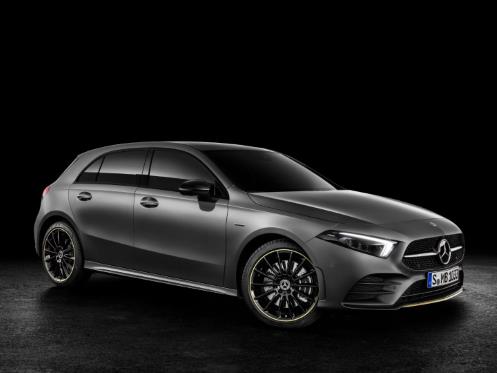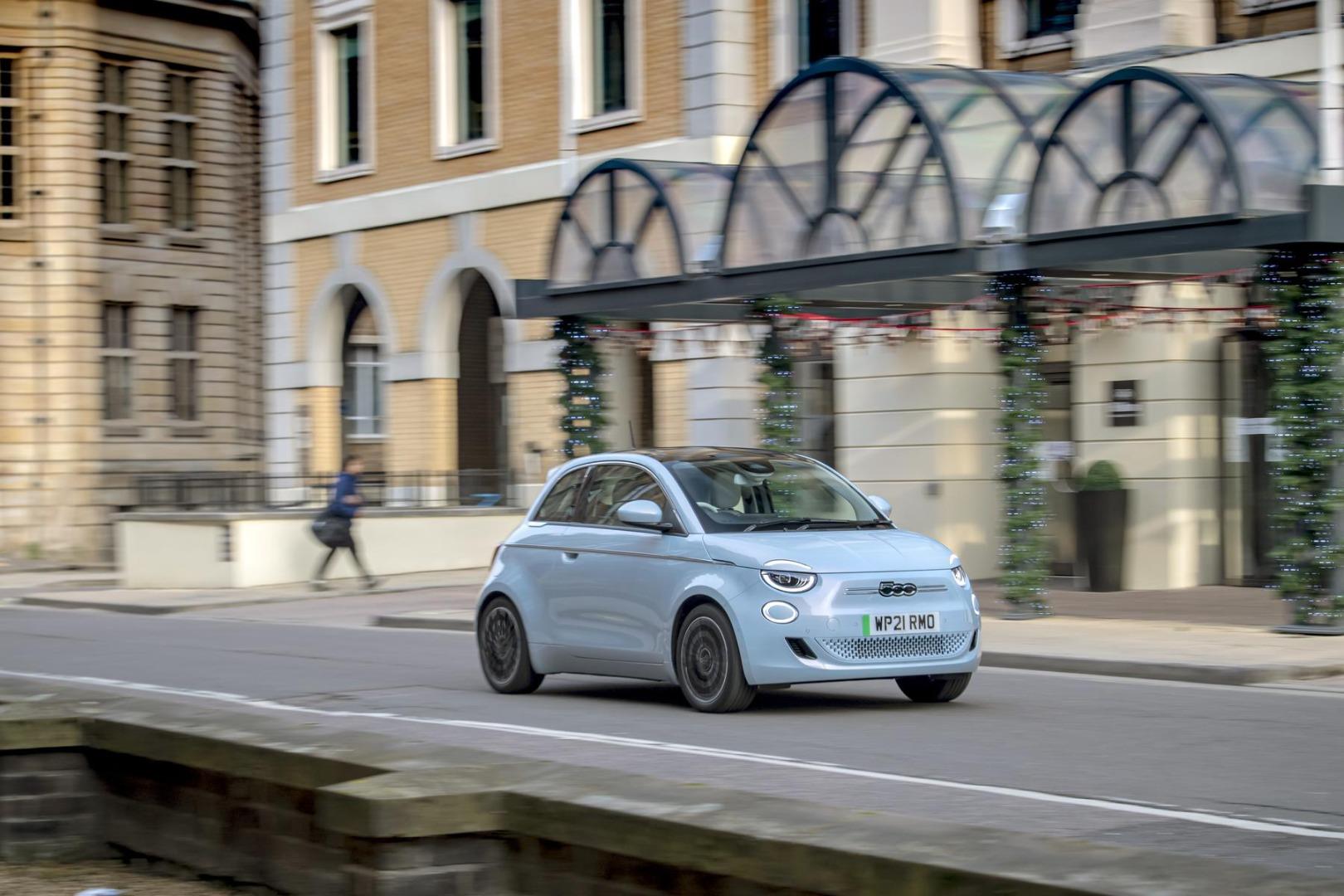
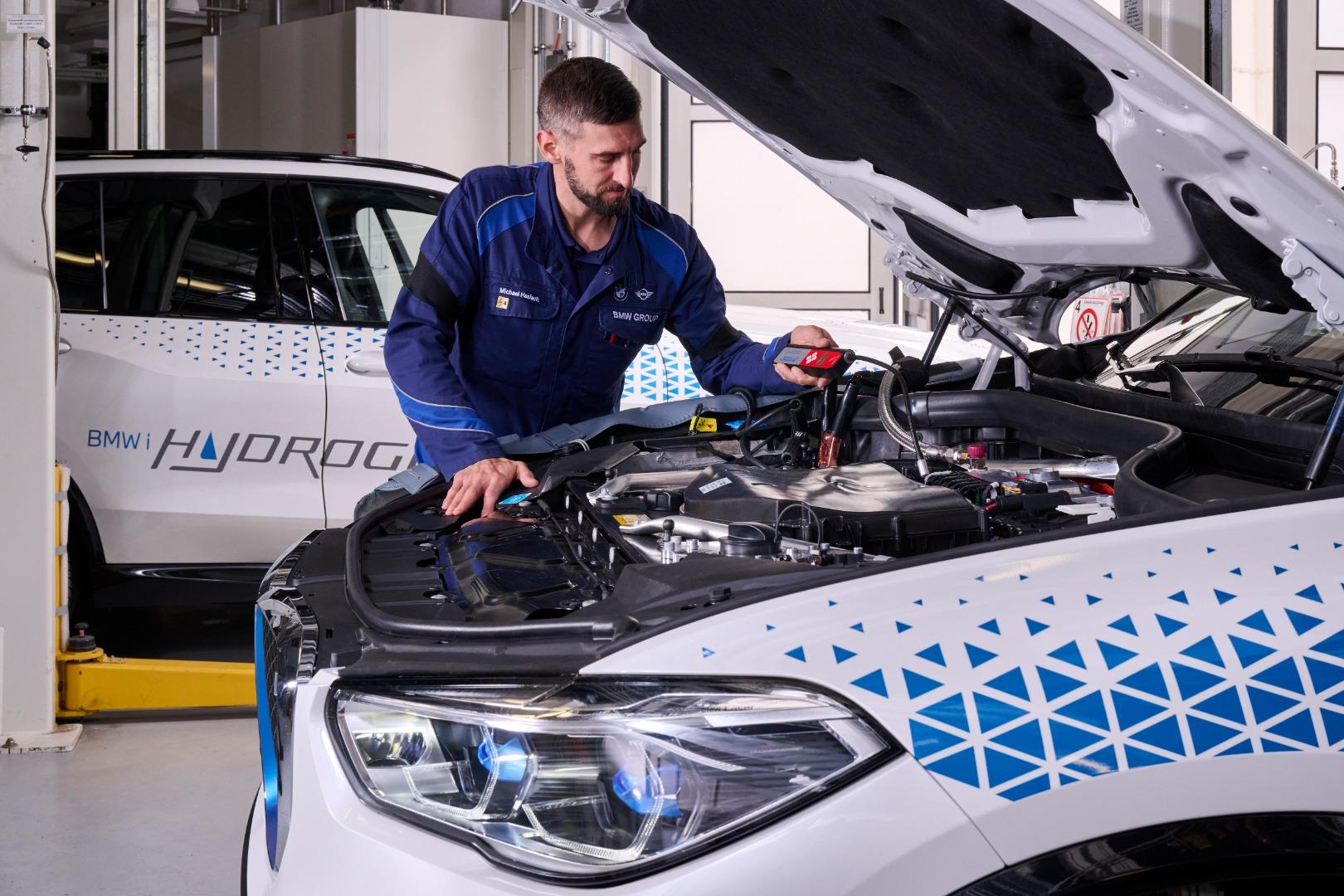
Electric vehicles are touted as earth-saving forms of personal mobility, but as we have mentioned previously, they may not be as good for the environment as anticipated. Despite not quite coming across as good for the planet as initially anticipated, EVs are still considered the future by many within the automotive industry. We have 4 reasons as to why, but also have some alternative forms of propulsion that could have value.
Related: Can you charge an electric car with solar?
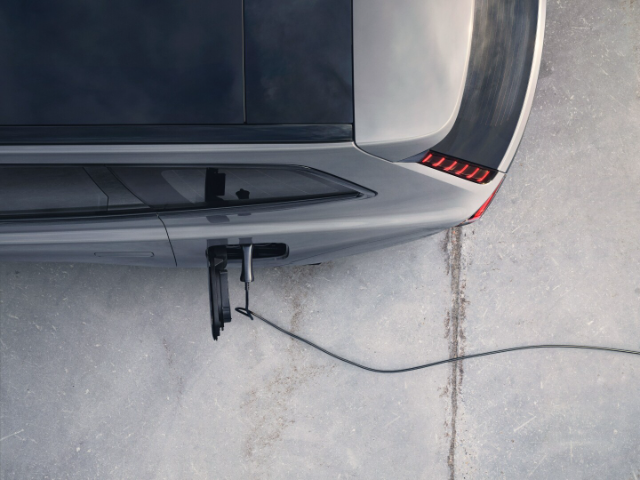
4 reasons why EVs are the future
1. Reduced emissions- Studies have shown that long-term EV usage, where the charging infrastructure is supported by clean energy makes EVs far better for local emissions, however, they come at a price!
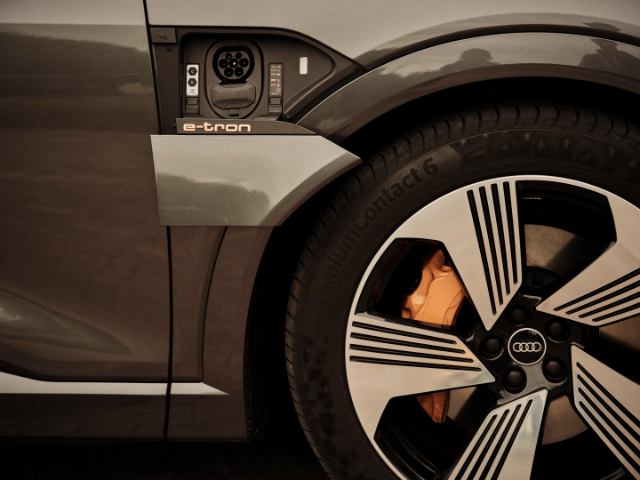
2. Refinemnet and ease of use- One of the big plus points of EV ownership is how quiet, comfortable and easy to use these products are. An example of this can be seen in our review of the BMW iX.
3. Lower running and service costs- Since electricity is cheaper than petrol, running an EV works out cheaper than an ICE vehicle, while the fewer moving parts in an EV mean far lower maintenance costs in the short-to-medium term.
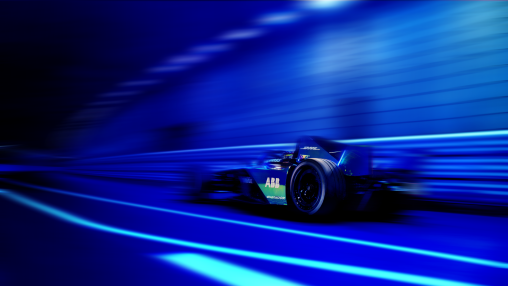
4. Performance- The low centre of gravity and instant torque delivery of electric powertrains means that even the most entry-level EVs currently on the market have grin-inducing performance. Check our our first drive impression of the Porsche Taycan Turbo S, which is the fastest EV we have ever driven!
Alternatives
Natural Gas
A natural gas vehicle (NGV) works in a similar way to a petrol/diesel ICE vehicle as it makes use of a combustion engine with spark ignition, however, because the gas is sent from the tank to the engine at such a high pressure, NGVs feature a regulator that reduces the pressure of the gas as it enters the injection system.
The benefits of this are massively reduced emissions versus petrol and diesel, however, performance will be reduced, and your usable space inside reduced due to the massive fuel tank and the potential safety risks posed by this technology.
Synthetic fuel
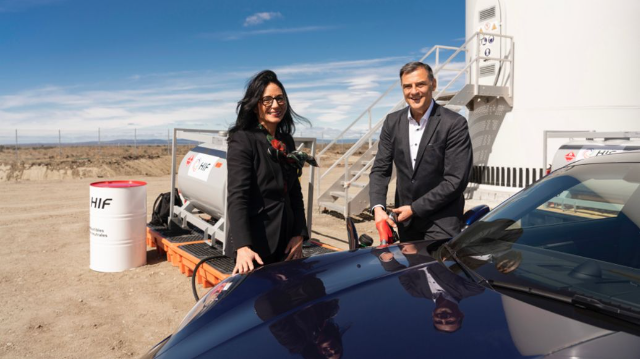
Porsche, among others, has begun developing synthetic forms of fuel, which will keep their internal combustion engines alive for longer. The idea is that these fuels, called "eFuels" are made from water and carbon dioxide, with wind energy used in the production process, making them a near-zero emissions fuel. The downside of these fuels at the time of writing was the cost per litre and indeed, how scarce it was, making it a project still in its infancy.
There are also so-called 'bio-diesels' which are made from animal and plant matter which includes restaurant grease, animal fats and vegetable oils, however, this cleaner and renewable form of diesel is often blended with regular diesel, which still means better emissions and a renewable form of energy, however, storing this form of diesel is challenging and it has been known to have negative long-term effects on diesel engine not designed to run on it.
Hydrogen
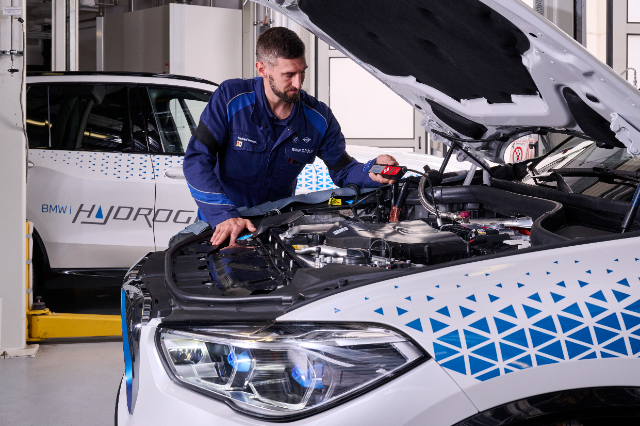
A hydrogen vehicle is the closest to an EV in terms of how it functions among all of the alternatives on this list. You see, a hydrogen car, instead of a battery pack, makes use of a fuel cell powered by hydrogen gas which combines with air, and through the use of both an anode and a cathode, electricity is produced. The benefit of this technology is zero-emissions driving, however, the hydrogen used must be refuelling would be expensive, and hydrogen is a volatile element to handle. Many see hydrogen as a great solution for commercial vehicle applications.