The E-Class Sedan is produced in the state-of-the-art Mercedes-Benz Sindelfingen plant and comes off the same line as the Mercedes-AMG GT 4-door Coupé. A new E-Class model is on the way, and South African motorists can expect the range to include two engine derivatives, the E200 and E220d. All models provide decent performance and good fuel efficiency, so which is best?
Before we get into the details, remember that you can sell your car quickly and easily with our Instant Offer tool before searching for new or used Mercedes-Benz E-Class models on AutoTrader here.
Related: Mercedes-Benz E220d review (2021): When luxury meets frugality
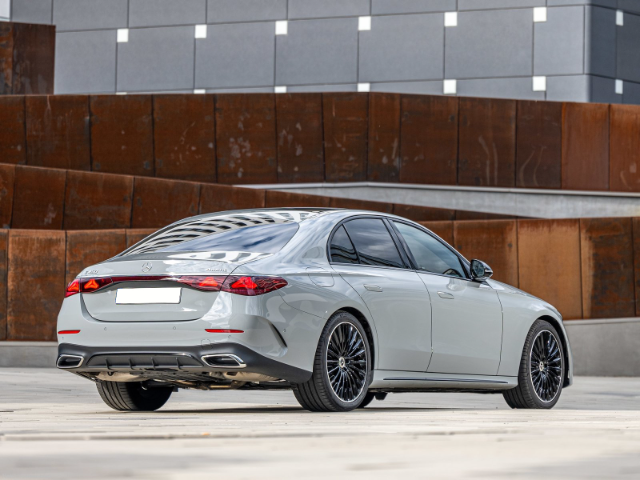
Diesel engines: Mercedes-Benz E220d
Designed to meet the future RDE (Real Driving Emissions) limits, the four-cylinder diesel engine from the latest family of Mercedes-Benz engines "opens up a new dimension in efficiency". With a displacement of 1993cc, the new 220d diesel motor delivers 145 kW and 440 Nm of torque. Mercedes-Benz claims this configuration will return an average fuel consumption figure of between 4.8 and 5.5 L / 100 km.
The Mercedes-Benz-developed NANOSLIDE® surface coating efficiently reduces the friction between the cylinder liner and steel piston to bolster the efficiency of the moving parts. But even with the diesel motor, performance is respectable, with a claimed 0-100 km/h sprint time of 7.6 seconds and a top speed of 238 km/h.

Related: AutoTrader's Engines & Body Types Glossary of Terms
Petrol engines: Mercedes-Benz E200
It can be expected that at launch the new E-Class will come in E200 guise. The four-cylinder, 2.0-litre, turbocharged engine features an electric boost from an integrated starter motor. This mild-hybrid technology has also been adopted in the most recently launched C220d model (diesel C-Class). The E200 has a combined output of 150 kW and 320 Nm of torque, with a claimed average fuel consumption of between 6.4 and 7.3 L / 100 km. This model should also complete a 0-100 km/h sprint in 7.5 seconds and continue onto a top speed of 240 km/h. Reduced engine weight, optimised cylinder charging, and lower internal friction also help reduce fuel consumption and emissions.

Verdict
At the time of writing this article, no official pricing has been released for the upcoming Mercedes-Benz E-Class, however, we can expect the diesel variants to carry a slight premium over the petrol-powered derivatives. It makes more sense for your wallet to choose the diesel motor. Not only will it return more frugal average fuel consumption figures but a difference in acceleration and top speed will almost be non-existent. Thus, the winner, for us, is the diesel engine.