It's time for another AutoTrader glossary of automotive terms and in this instalment, we're looking at terms relating to vehicle engines and body type which are frequently asked for by you, our valued marketplace browsers.
Related: How can I check my car service history for free?
C
Convertible: A car with a retractable roof that can be opened or closed.
Coupe: A two-door passenger car with a fixed roof and a sloping rear roofline. It often has a sportier look and feel than a sedan.
Coupe SUV: A newer body style that combines the sporty look of a coupe with the higher ride height and space of an SUV.
Crossover: A vehicle that combines the features of an SUV and a sedan or hatchback. It is often designed for city driving and has a lower ground clearance than an SUV.
D
Diesel engines: These engines use compression ignition, run on diesel and are often used in heavy-duty vehicles like trucks and buses. They are generally more fuel efficient than petrol engines but produce more emissions.
E
Electric motors: These engines are powered by electricity drawn from a battery back, making them emissions-free.
F
Flat engines: These engines have horizontally opposed cylinders and are commonly used in aircraft and some sports cars.
H
Hatchback: A car with a rear door (boot) that swings upward, providing access to a cargo area. It often has a sloping roofline and can be a compact or midsize car.
Hybrid engines: These engines use a combination of a gasoline or diesel engine and an electric motor. They can switch between the two power sources to optimize fuel efficiency.
I
Inline engines: Engines where the cylinder bank is arranged in a straight line. Typical configurations are three, four and six-cylinder inline engines.
Internal combustion engines (ICE): This is the most common type of car engine. It is powered by petrol, diesel and more recently, hydrogen and converts the energy of fuel combustion into mechanical energy
L
Low rolling resistance tyres: These tyres are designed to improve fuel efficiency by reducing the energy required to move the vehicle. They often have a shallower tread pattern and are made with a harder rubber compound than other tyres. They are a good choice for drivers who want to save money on fuel costs.
M
Minivan (MPV): A larger vehicle with sliding doors and three rows of seats. It is designed for families and can carry a large amount of cargo or passengers.
O
Off-road tyres: These tyres are designed for use on rough terrain, with a deeper tread pattern and larger lugs that provide better traction on mud, gravel, and rocks. They are a good choice for drivers who enjoy off-road driving and need a tyre that can handle rough terrain
P
Performance tyres: These tyres are designed for high-performance vehicles and provide superior handling and traction at high speeds. They often have a lower profile and wider tread than standard tyres and are not recommended for use in winter conditions.
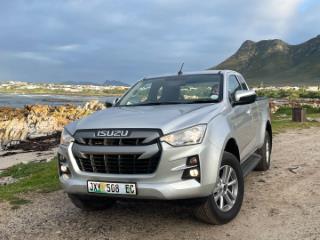
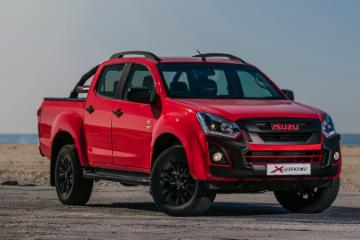
Pickup truck: A vehicle with an open bed for carrying cargo. This is the internationally accepted term for what we call a bakkie in South Africa.
R
Rotary Engines: This type of engine uses a rotor instead of traditional pistons to generate power. It is often used in sports cars and other high-performance vehicles.
Run flat tyres: These tyres are designed to allow you to drive for a limited distance (usually around 80 kilometres) after a puncture or loss of air pressure. They have reinforced sidewalls that support the weight of the vehicle and can be a good choice for drivers who don't want to change a tyre on the side of the road.
S
Sedan: A four-door passenger car with a separate boot.
Station wagon: A car with a long roofline and a large cargo area behind the rear seats.
Summer tyres: These tyres are designed to provide maximum performance in warm weather conditions, with a focus on handling and cornering. They have a shallower tread pattern than all-season tyres and are not recommended for use in cold or wet conditions.
SUV (Sport Utility Vehicle): A larger vehicle with a higher ground clearance and more space for passengers and cargo. It can have two or three rows of seats and can be either front, rear-wheel drive or all, four-wheel drive.
T
Touring tyres: These tyres are designed for long-distance driving and provide a comfortable ride and good handling on the highway. They have a shallower tread pattern than all-season tyres and are not recommended for use in winter conditions.
Turbodiesel engines: These engines use a turbocharger to increase power and improve fuel efficiency. They are often used in commercial vehicles and SUVs.
Two-stroke engines: These engines are commonly used in small, lightweight vehicles like scooters and motorcycles.These engines produces a unique sound as they complete a power cycle with two strokes of the piston during one power cycle.
V
V6, V8 & V12 engines: These engines have multiple cylinders arranged in a V shape. They are often used in larger, more powerful vehicles.
W
Wankel engines (Rotary): These engines use a rotor that moves in a circular motion to generate power. They are used in some sports cars and other high-stroke engines and can generate more power per cycle.
Winter/snow tyres: These tyres are designed for use in colder climates and are made with a special rubber compound that stays flexible in cold temperatures. They also have a deeper tread pattern that provides better traction in snow and ice. They are a good choice for drivers who live in areas with harsh winter conditions.