Are electric car batteries bad for the environment?
Electric cars (EVs) are often touted as being good for the environment, however, storing the energy that powers the electric motor(s) in EVs are batteries, begging the question, are these lithium-ion power sources good for the environment?

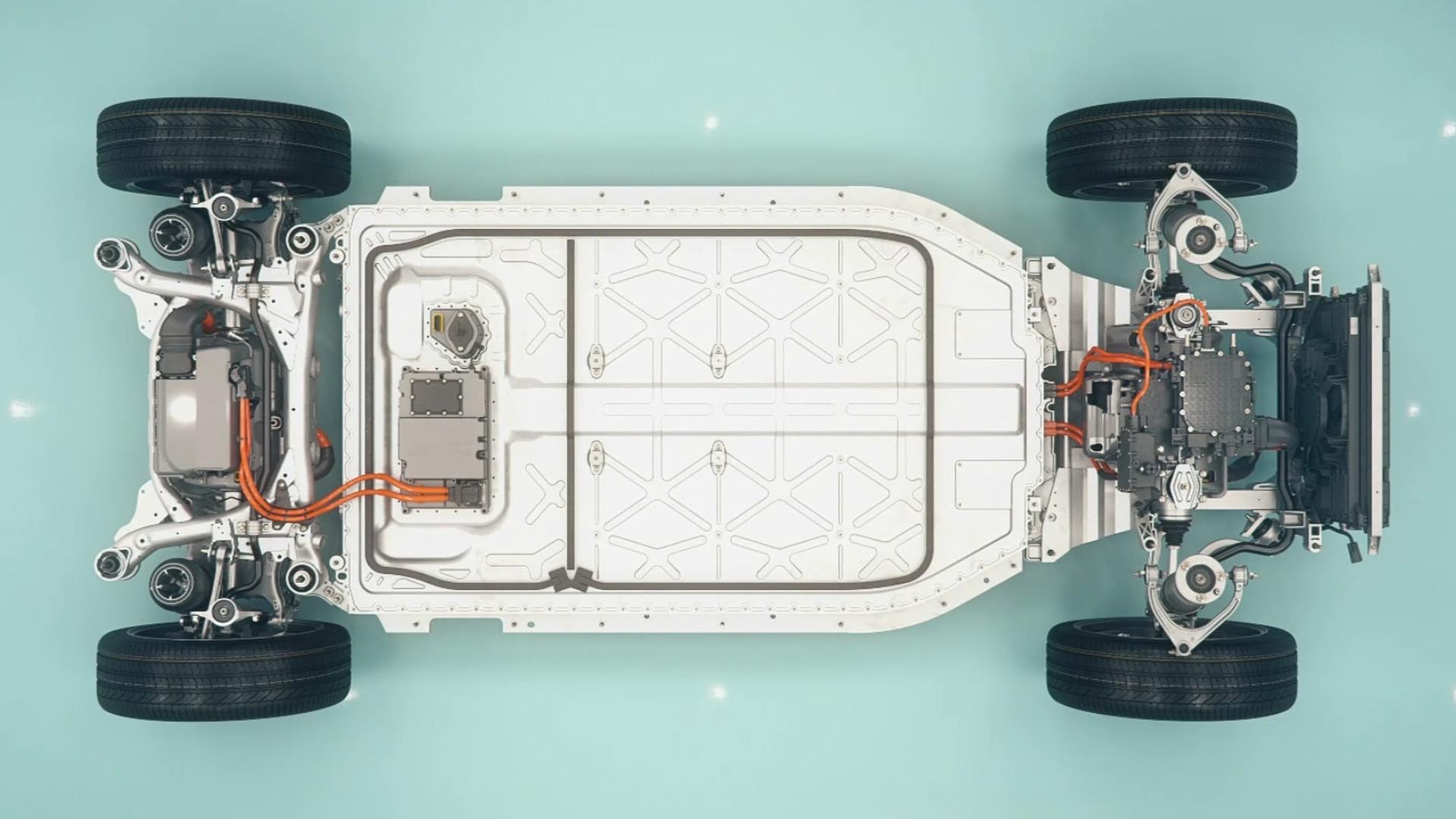
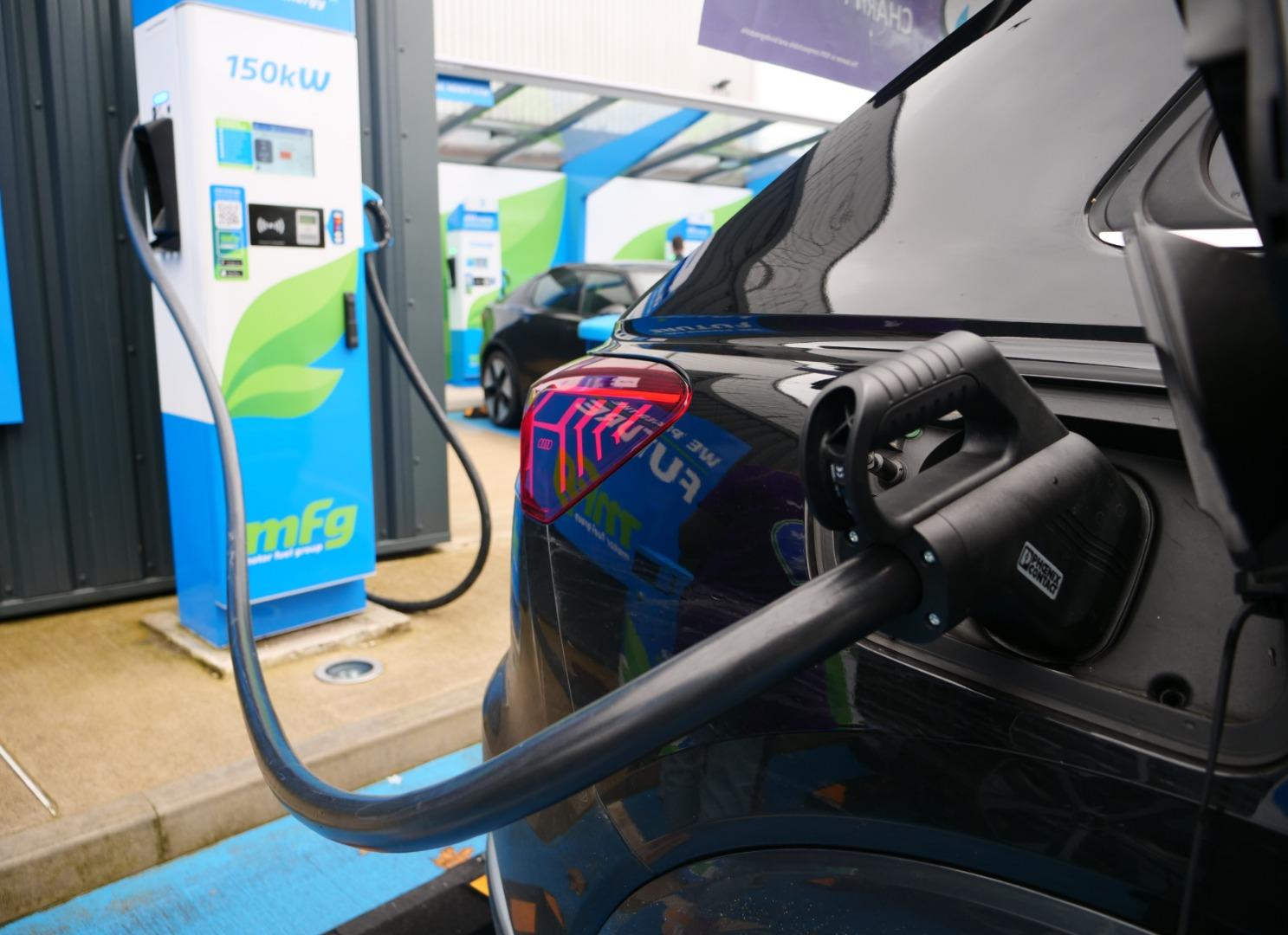
Electric cars appear to be the future of mobility, with many manufacturers committing to an internal combustion-free future within the next ten to fifteen years. In addition to fears of future fossil fuel scarcity, one of the key objectives of going electric is to reduce global greenhouse gas emissions amid unprecedented climate change that has occurred, is currently occurring and indeed, is projected to affect the globe negatively in the future.
The common narrative pushed by fans of electric vehicles is that EVs are emission-free vehicles, but this in itself is an oxymoronic phrase because producing any form of propulsion will lead to some form of emissions, some of which can be offset, and others not. What about the large battery packs fitted to EVs? How bad are these for the environment?
Production
The production of EV batteries is where the primary concern stems from among sceptics. You see, current car batteries are made up of lithium-ion, and in order to produce these, rare earth metals such as lithium, nickel, cobalt, graphite, manganese, alumina, tin, tantalum, magnesium and vanadium need to be extracted from the earth. Many of these are extremely energy-intensive to mine, and also produce emissions, with the likes of Cobalt being particularly concerning.
Cobalt is primarily extracted from unregulated mines in the Democratic Republic of Congo and has been linked to child labour law infringements and issues pertaining to polluting local communities. Lithium, on the other hand, requires a massive amount of groundwater for mines, affecting areas in Australia and South America. There are plans to improve pollution created when mining minerals for car batteries and reduce the amount of Cobalt used in batteries, but these are still being developed.
Usage
The electricity that is being put into the battery is just as important as the production of the battery itself. In South Africa, we are still dependent on both coal and diesel to produce a lot of our power, and therefore, much of the electricity that goes into a local EV, provided the owner does not have their own renewable energy source used to charge said EV, is generated using possible fuels. This inadvertently makes the battery in the average South African EV far from emissions-free, and simply shifts the source of the emissions from the tailpipe to the source of the electricity generation.
Disposal
Most EV makers will guarantee that their battery packs will still hold over 80% of their original capacity at the eight-to-ten-year-from-new mark, meaning that within a decade, EV owners might want to consider either selling their vehicle for a new one or replacing the battery. The issue then becomes, what do we do with the many thousands of batteries destined to be disposed of in the future? One solution is recycling the batteries to extract the aforementioned precious metals, which is said to again be resource-heavy. A better solution is to repurpose said battery pack as a stationary energy source, which will can be used in homes, for example.
Verdict
When looking at EV batteries in general, the way in which they are produced and the energy that is stored inside of them from a local perspective certainly make them worse for the environment than many may have first thought. Improved technology such as solid-state batteries and clean energy generation will see EV batteries become exponentially better in term of their environmental impact, but that may be many years away.