They may look the same as your regular internal combustion engine (ICE) vehicle, but electric vehicles (EV) work a little differently and do require a slight adjustment to the mindset. Gone are the days of visiting a filling station to replenish your fuel source, you can quite easily top up your car at home now. EVs require that you plug them into an electrical outlet to recharge them, just like your cell phone. In fact, thinking of your car like a cell phone is a great way to ensure that you always have enough charge to get around.
Related: How suitable are electric cars to South African conditions?
There are several ways of charging an electric car, ranging from various home charging solutions to public outlets. Often, it's as simple as plugging the car in and letting the car do the rest, but let's look at how the different methods work.
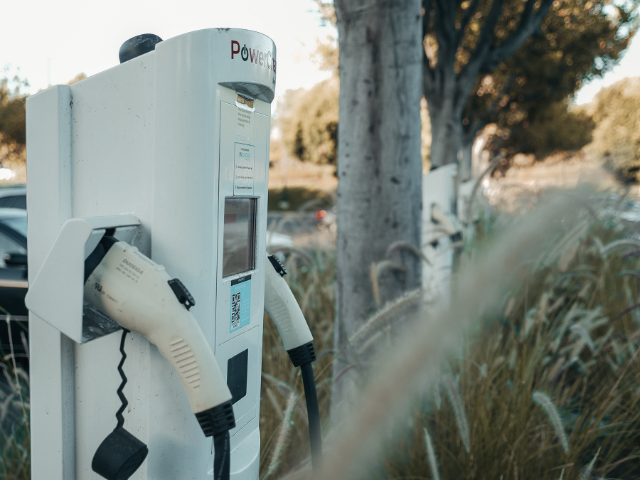
Not all chargers are the same
While it is possible to charge your electric car at home, this is often slower than utilizing a public charger. This is because of the amount of current flow. Generally speaking, domestic charging solutions will range from 3.4 kW to 11 kW, depending on the type of charger used. Public chargers generally range from 11 kW to 22 kW if using alternating current and 50 kW upwards if using direct current (DC). DC current is required to charge a battery, so AC takes a little longer because the car first has to convert it to DC before charging the battery. You don't have to worry about this, the car will do it automatically.
Simply put, the more current you can put into the battery, the quicker it will charge. The amount of electrical current available is dependent on the type of charger you use and the available current at the source. You won't be able to install a DC charger at your home and most home chargers will max out at 11 kW. Here are a few examples of home charging solutions.
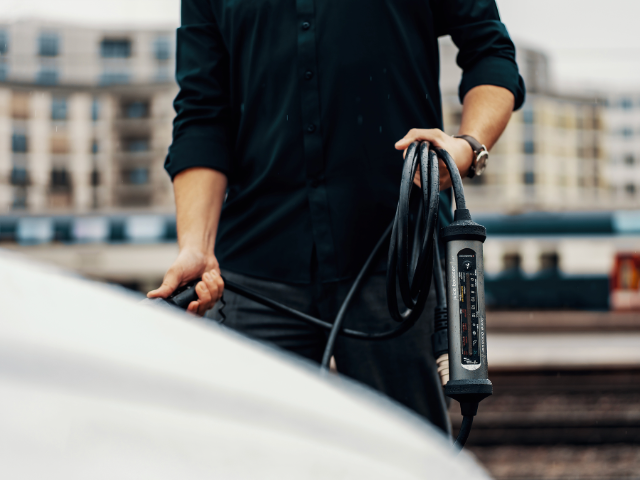
Portable charger
Arguably the slowest way to charge an electric car, but still a feasible method if time is on your side. The portable charging brick is usually included with your car and this charger simply plugs into the 3-pin wall socket in your garage. With the charger plugged into the wall, you simply plug the other end into the car and let it do its thing. These will usually max out at around 3.4 kW and take around 24 hours to charge from 0% to 80% on a 90 kWh battery. This system works just fine if you don't deplete your battery and you are simply topping up every night when you get home from work. You should have a full charge by morning.
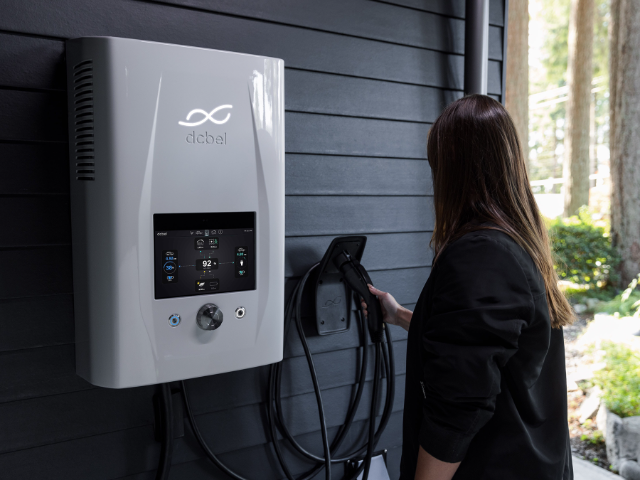
Home charging installation
A worthwhile investment if you're planning on truly embracing the EV lifestyle and if you own your property. These home charging systems come in a variety of flavours and prices. The more affordable end of the spectrum will see you able to plumb 7 kW of charge into your car's batteries while others will be able to offer you 11 kW. This can drastically reduce charging times and even the most tired battery will be fully charged overnight.
Entry-level units will be a simple plug-and-play operation while the more expensive options will offer mobile app control, battery conditioning and even allow you to schedule your charge so that it avoids peak hours (like the hours when you're cooking or using the geyser). Some will also even support solar power feeds. These more elaborate units may require that you plug the car in and then select the charging option you desire or require activation with an RFID.
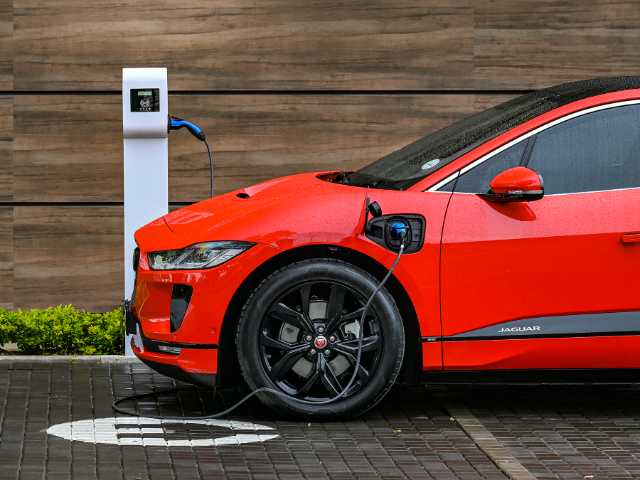
Public charging
Public charging comes in two distinct forms; AC and DC charging. Both will usually require you to activate the charge with a prepaid charge card. These cards are supplied either by the manufacturer or by GridCars which manages the majority of the country's public charging infrastructure.
To use a public charger, park near the charger in the designated bay. If using an AC charger (7 kW to 22 kW) you will need to use your own cable that came with your car. These cables have both a male and female connector (Type 2). One side will go into the charger, and the other into the car's charging port. Swipe your card on the screen at the charging point and follow the instructions. Often there will be no other action necessary. You can lock your car and go about your business.
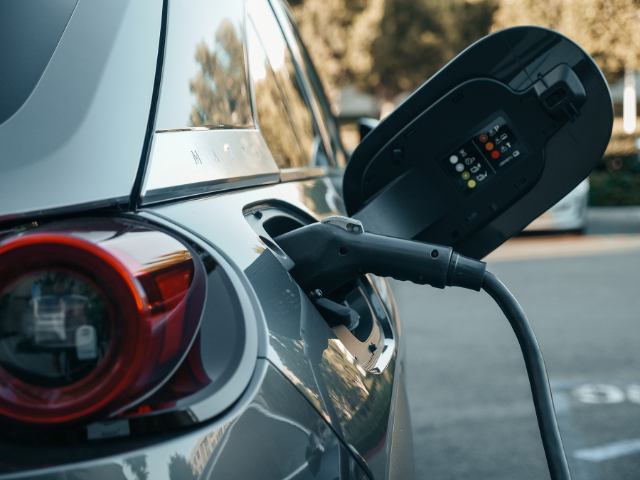
Your vehicle's charging app (if enabled) will alert you to the charging state and let you know when the car is done charging. Alternatively, the charging station will send you a text message when charging is complete or if the charge has been interrupted in any way. If you're choosing to leave before the vehicle is fully charged, simply swipe your card on the screen again to stop the charge, unlock your car and disconnect the cable. Don't forget to take your cable with you!