How does an electric car work?
Don't fear the unknown. The electric car is a rather simple device when you peel back all the added tech that makes them a contemporary solution to mobility. The electric car dates much further back than you think but the future will see them coming into prominence.

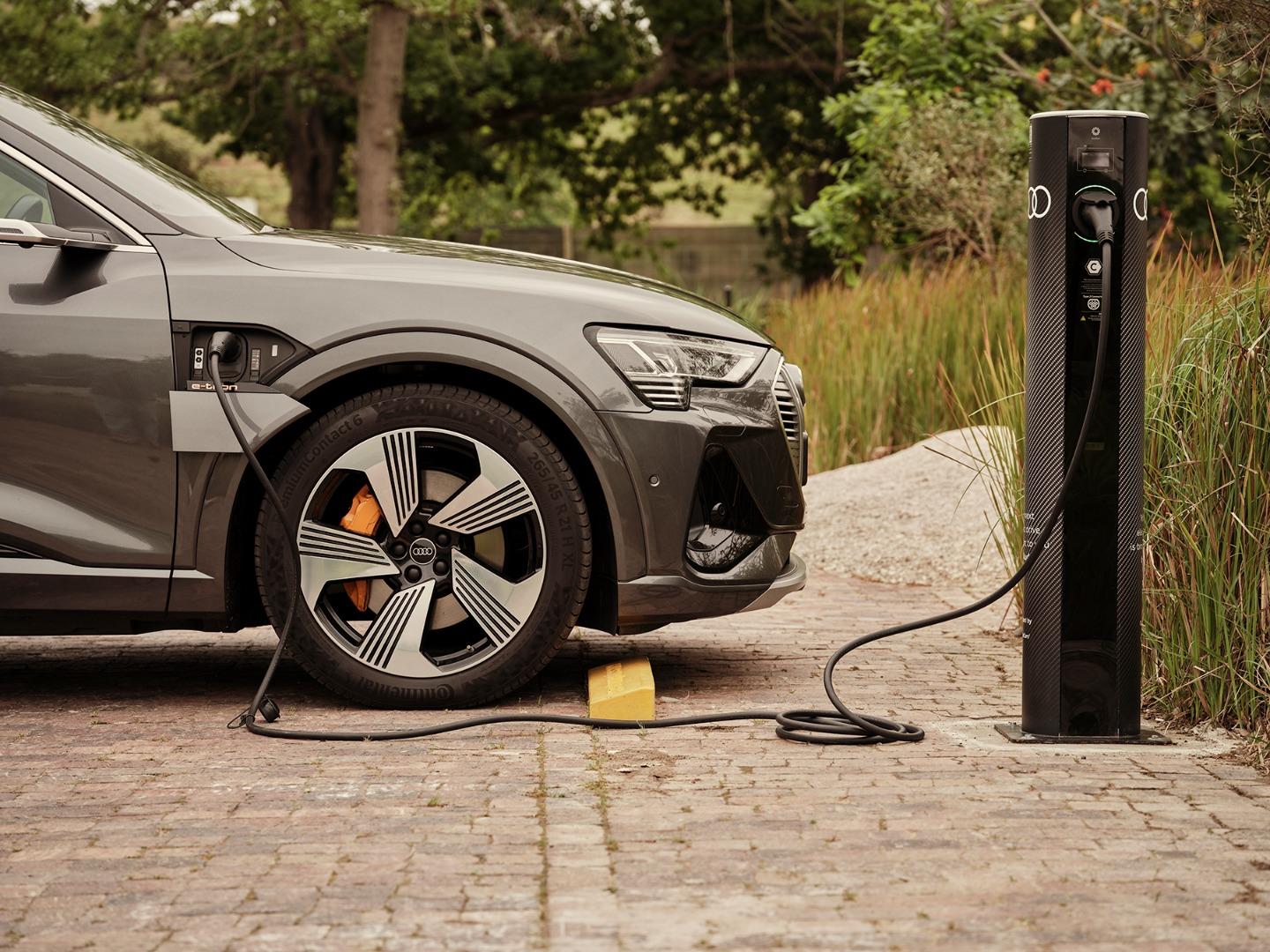
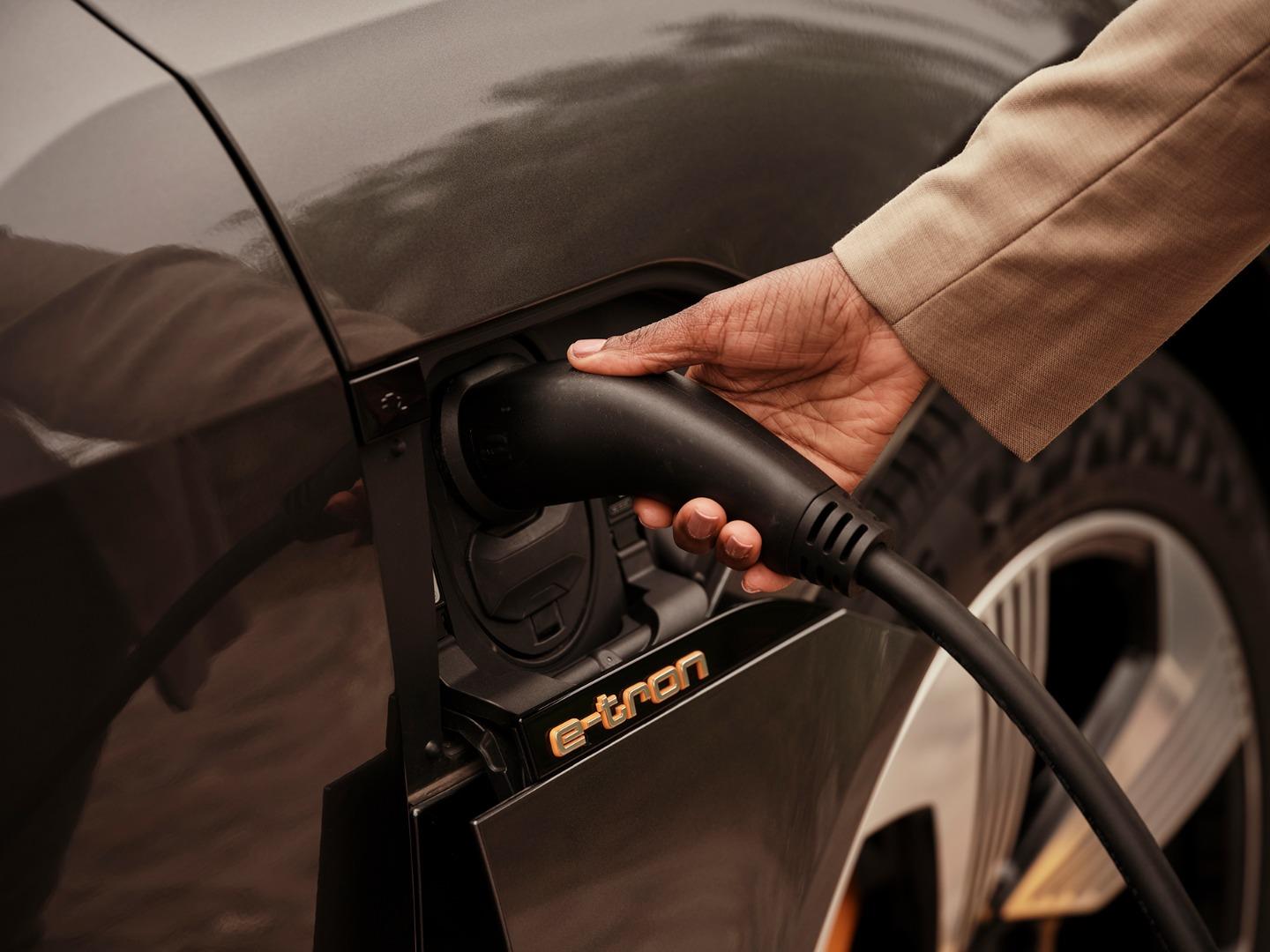
Volts, Amps, and kilowatt hours; are all very confusing and mystical for something that is rather simple. Indeed, the new age of electrification has us reassessing what we know about motoring and vehicles. It's only human nature to be cautious and sometimes even reject new technology and advances. There was a time when we were scared that cell phones would cause tumours and cancer yet today we cannot live without our devices.
Related: How long does an electric car battery last?
Electric vehicles (EV) may look to be very similar to regular cars as we know them, but the workings going on under the sheet metal differ significantly. The only reason that they still conform to the shape and style of vehicles that you know is familiarity. Anything too radical would stand out and struggle to be accepted by the mainstream. There once was a time when the SUV looked out of place - it will take time and expect to see cars in the way that you know them, change over the coming years.

How do EVs work?
An electric vehicle is a rather simple concept. Let's take you back to primary school science and try to recall the simple experiments that we conducted.
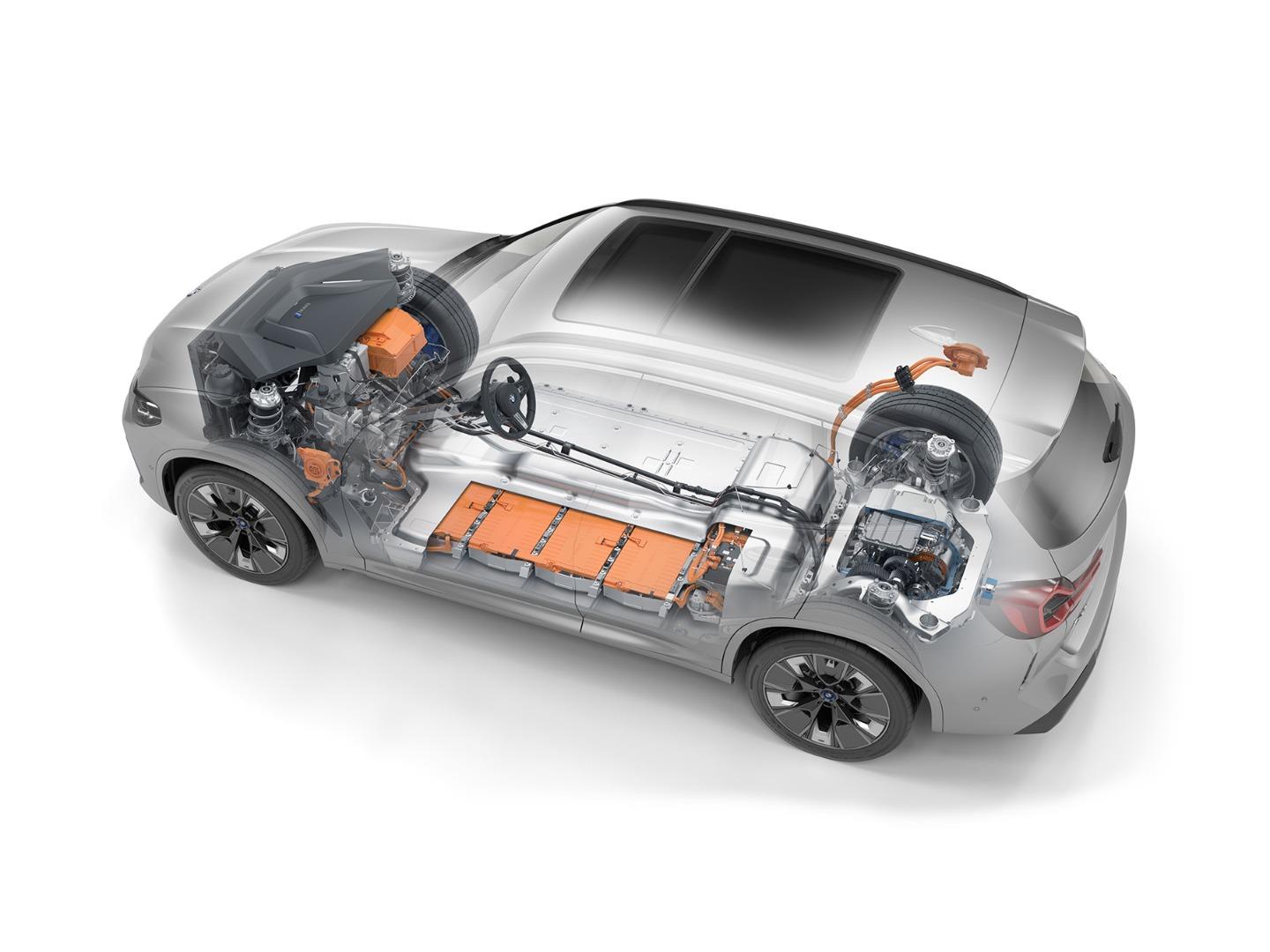
There are only two key components in an electric vehicle, an electric motor and a power supply, known as the battery pack. The battery pack will provide the electricity required to make the electric motor turn. This motor then turns the wheels and you go forward (or backwards, if needed). This is the core principle and it's as simple as that. But in order to make the vehicle easier to use and safer, there are a few add-ons to modify the way that it performs.
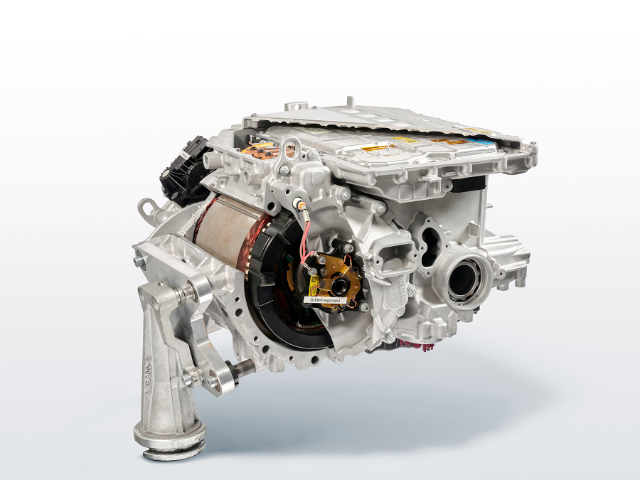
Starting on the motor end of things, a reduction gearbox is often used to slow down the rotation of the electric motor to a speed that it better suited for vehicles. This also helps save battery charge.
In between the battery and the motor is the accelerator pedal. In simple terms, this is a volume knob; a rheostat. This modulates how much of the battery charge is sent to the motor, in turn dictating how fast you go. More current, more speed.
These are the basics. Naturally, there's a little more to the whole system to accommodate charging and battery preconditioning, but the core operation of an EV is as simple as that.