One of the first concerns of consumers looking to switch to electric mobility is that of charging solutions and schedules. Too often we get asked questions about the EV (Electric Vehicle) charging network and infrastructure and moreover, the concerns around that wonderful South African problem, load shedding. For decades, we've been taught to visit filling stations and garages to replenish our vehicle's fuel, so it's understandable that when this habit is challenged, we struggle to comprehend how it will work.
Related: What is the difference between electric and hybrid cars?
Making the switch to electrification requires a few adjustments to your vehicle ownership habits and routines. Once one finds the system and regimen that best suits their own driving style and commute, the benefits of EV can be truly felt.
Load-shedding
Ah, load-shedding. That wonderful South African term for rolling brownouts where the energy supplier that you pay every month asks you to use their service sparingly. We all love to hate it. It causes unnecessary damage, delays, and ruins your commute as traffic lights become four-way stop streets. I don't believe there's a single South African that actually enjoys it.
It's the go-to argument for those that are anti-EV; laughing about how EV owners will be stuck with dead batteries and no way to charge their cars because of load-shedding. This is a short-sighted argument rooted in a lack of understanding and knowledge about EVs.
Their error lies in their traditional approach to replenishing a vehicle's fuel source where operating the vehicle near empty is viable and then only adding as much fuel is needed for that day. The current costs of fuel see very few filling up their tanks and many will only add what they need on a day-to-day basis. The best practice for an EV is different though.
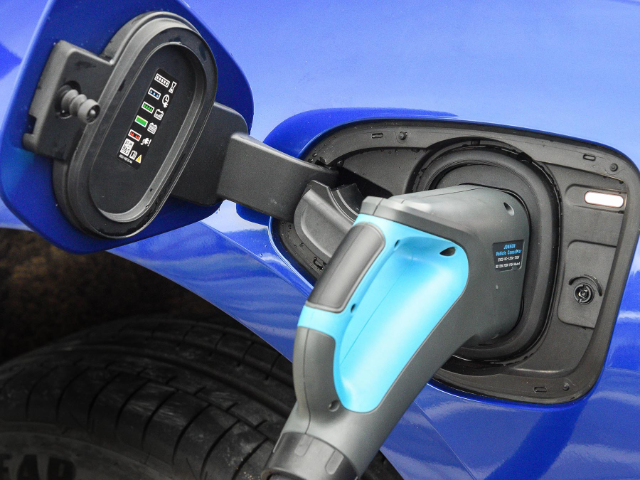
It's best to keep an EV topped up. With the convenience of home charging, this can be done at night while one sleeps, ensuring that each and every morning you're greeted by a full battery and a range in excess of 200 km with even the smallest EV on the market today. Even with scheduled load-shedding, which seldom lasts more than 4 hrs at a time, one is able to plan accordingly and if you happen to be in a position where power isn't available for more than 4 hrs, one can always visit a public charger in an area that does have power.
Charging solutions
There are several solutions for charging an electric vehicle: charging at home, at work, or at a public charging station. Each one of these alternatives will offer a selection of further charging choices with varying outputs and thus, charging speeds.
Charging at home
The easiest and most cost-effective way of charging an EV is to charge it at home. Unless you're a sales rep or similar, your vehicle is stationary for almost 98% of its life. This time can be utilized to charge the battery when not in use. Plugging the car in at night when you get home from work is a quick and easy habit to form. How you charge your car depends on your home charging setup and this will depend on how much you're prepared to invest in home charging infrastructure.
- Portable chargers
All EVs are sold with portable chargers that plug into your regular household outlet using the three-pin plug that we all know. These convert the 220-volt output of your home or garage to provide approximately 3 kW of charging power to the battery. This is a slow process and charging a 90 kWh battery to 80% from empty can take several hours. It is, however, the most cost-effective and convenient way of charging your EV. Some aftermarket portable chargers will be able to provide 22 kW of charging power.
- Home chargers
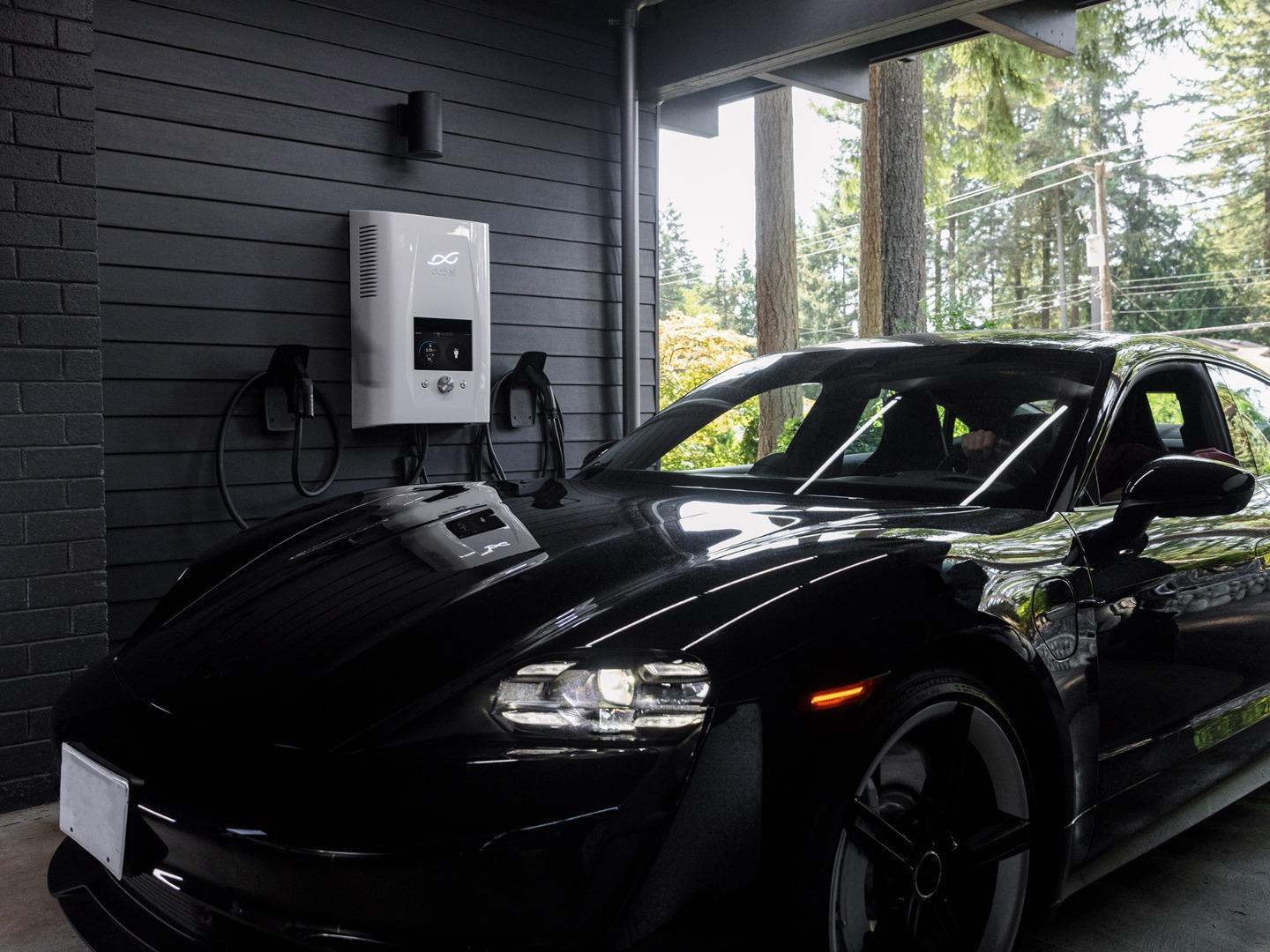
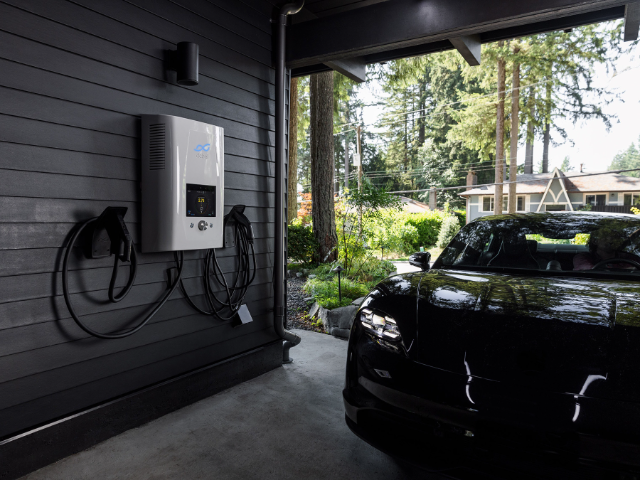
If you're invested in the EV way of life, you can elect to have a home charger installed in your garage. This addition to your garage will see the charging output ramped up to provide as much as 7.6 kW of charging power, significantly reducing your charging times and still only requiring your standard single-phase power supply to your house. An 80% charge can thus be done in only a few hours. The cost of these boxes varies depending on the functions and features you choose with some offering scheduled charging, remote charging control via apps and can even keep a record of how much power you're consuming.
- Solar Carports
For those looking to truly embrace the green way of living, BMW, in conjunction with SUNWORX, developed and offered a solar carport, constructed from high-end bamboo and stainless steel that forms part of a charging solution for EV owners. Fitted with photovoltaic panels, the carport supplies power to an integrated charging box that can then supply power for your EV charging needs.
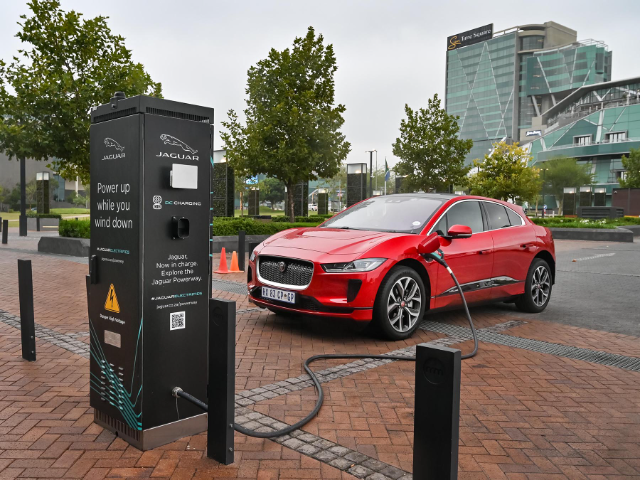
Charging in public
The charging infrastructure in South Africa is constantly growing. SA's leading charging network manager, GridCars, reports that there are more than 150 charging points across South Africa in both populated areas and along the major arterial highways connecting several major South African centres.
Public charging requires that you have a charging account and an RFID charge card in order to activate public charging points. This card is preloaded with funds and the cost of your charge is deducted depending on how much charge you use. This is not regulated and the owners of the charge points will charge you a small commission for the use of their installation. The costs for charging vary on the charge output from the charger you wish to use.
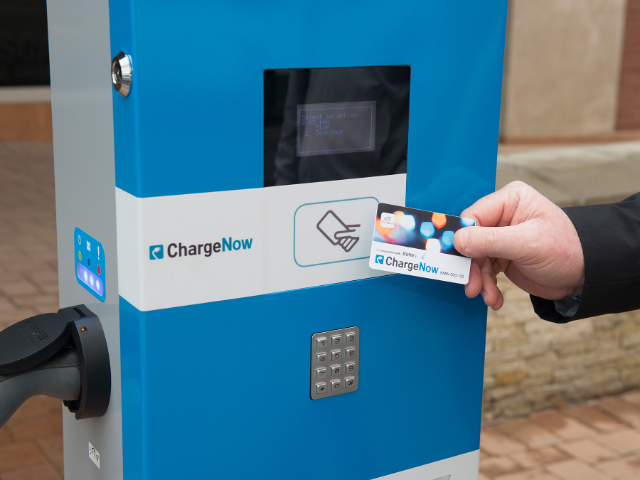
- AC charging
AC charging is the most common and the most cost-effective public charge you can use. The caveat is that charging times will be longer than the alternative DC charging but should still be considerably quicker than charging at home with your portable charging brick. These charge points range in output from 7 kW to 22 kW.
- DC charging
The fastest, and naturally most expensive, charging solution is DC charging. As EV batteries require a DC current for charging, feeding it a DC power supply results in a faster charge as the vehicle is not tasked with converting the AC current to DC internally. DC chargers can range from 15 kW to as much as 80 kW, giving you a full charge in nearly no time at all.
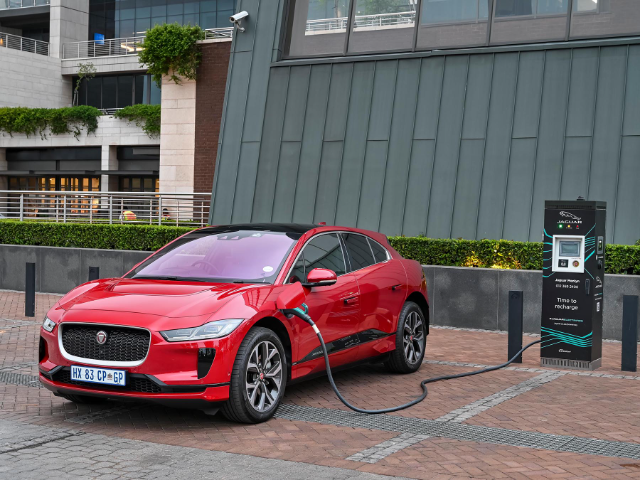
Calculate your distances
If you're still struggling to adjust to the EV charging habits, or if you're finding yourself in a pinch and needing some extra charge between trips, you may be needing to calculate how many kilometres range you will get for a set amount of time on charge. This one is fairly easy to work out; the charging capacity in kW is the same range in kilometres you’ll get from 10 minutes of charging.
This means that you will get 22 km range from a 10-minute charge when using a 22 kW charger.