As the world ramps up for widespread EV (Electric Vehicle) adoption, we here in South Africa are faced with some challenges. Some of these are fairly unique while others are felt across the globe. The biggest hurdle is altering the mindsets of people who are cemented in the ICE (Internal Combustion Engine) way of life. EVs are indeed feasible and certainly not a trend that will pass. As pressure mounts from the governments, striving to create more sustainable fuel sources, protect what's left of the environment, and alter the way that we think about mobility to benefit our own health, manufacturers are forced to adopt some for of EV strategy.
Related: How suitable are electric cars to South African conditions?
We're looking at the reasons why you should consider an EV as your next car and what possible challenges you may face in the process. No two lifestyles are the same and as it currently stands, EV technology is not at that point yet where they can cater for each and every nuance and variable presented. However, for the majority of South Africans with multi-vehicle households, the addition of an EV to the garage can yield impressive returns.
Costs
It's no secret that EVs in SA lean towards the more expensive side. Those with respectable electric range command a premium and will cost you over R1-million. Those that are considered more affordable suffer at the hands of limited range. Is that the end of the world though? No, it's not and we'll discuss that later in this article.
Unfortunately, the South African government still taxes the electric car rather heavily. Elsewhere in the world, governments will subsidize the development of EVs or at least offer a tax incentive to help make them more affordable. No such luck here locally though and that means that we're stuck footing the full bill for our imported EVs.
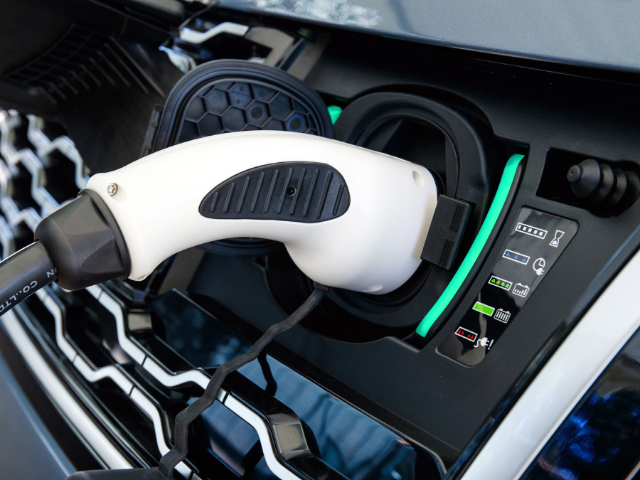
Aside from the initial cost, EVs actually do reduce your transportation costs if treated correctly. Installing a fast charger in your house isn't necessary and you will be able to get away with the more affordable wall box offered by most EV suppliers. This may take longer to charge your EV but will alleviate some of the stress on your house's power supply. If you adopt healthy charging habits, an EV can cut your running costs by up to 70%.
It's also worth keeping in mind that EVs don't have the same servicing schedules as ICE vehicles as there really isn't much to service.

Range
Load-shedding. A phrase we all hate. There are many concerns with EVs and the reliability of the power supply in our country, particularly in metropolitan areas. The basic truth of the matter is that load-shedding seldom lasts more than a few hours. Most times it's also reported and in this connected day and age, it's fairly simple to plan around a scheduled power interruption. One has to think of an EV like they do their cell phones, plug it in every day or when you're not using it, and you are assumed a full charge whenever you need it. Only a fool would be caught out with a flat EV battery.
Even the most affordable EVs, the MINI SE and BMW i3 offer you over 200 km of range from a single charge. If you've kept your car plugged in you should have 200 km worth of range, more than enough to get you to where you need to be in the next few hours. Even then, you could always take your car to an area that has charging points and has power.

While 200 km doesn't sound like a lot, if you always have a 200 km+ range when you climb in the car, would you not be able to commute on a daily basis? Most South Africans travel on average 30 km now way to their workplace and another 30 km back home when they're done. This grand total of 60 km hardly puts a dent in even the most limited EVs range.
The only limitation is long distances, the type we do when we go on holiday. While there are charging facilities along most major national roads, the limited range of affordable EVs relegates them to purely urban settings. Don't fall for the trap of buying a car for the one long-distance journey you take once a year, you always have the option of flying or renting something more suitable when that time comes around.
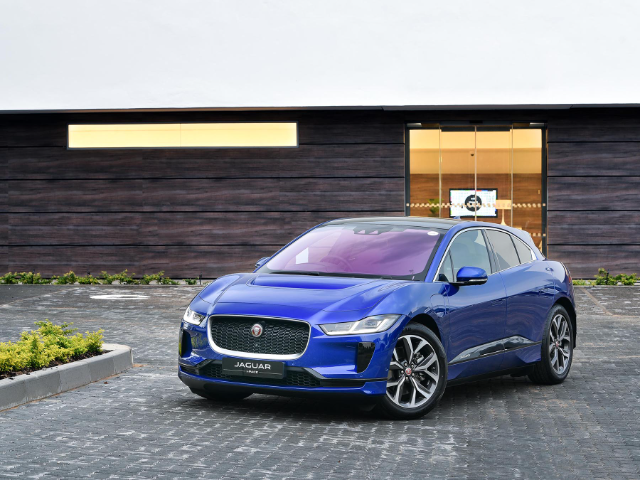
Should you spring for something like the Jaguar I-Pace, with its 400 km range, you will be able to stop along the way and recharge in under an hour and be back on the road again.

So should I look at an EV?
You will need to assess your lifestyle and driving habits to see if an EV will work for you. If you regularly do long distances of over 100 km one way, then the answer is no, not yet. Not until battery and charging technology improves or additional charging stations are erected. But if you fall into the average South African category, yes, buy that EV. All it takes is a small adjustment to your driving and charging/refuelling habits and you will be able to enjoy an EV for many years and reap the benefits of the low running costs, all while doing your bit for the environment.