Despite the global push towards electrification, there's still a lot of misinformation around the topic of EVs. It's to be expected as this new technology makes its presence felt in the mainstream. Anyone that was around for the mass adoption of cellular telephones will know the sort of questions and concerns the early adopters were faced with. When it comes to EVs, adapting to the new habit of charging is still a little foreign. We're here to help.
Related: Can you run an EV on public charging alone?
Electrified mobility is still in its early stages and while it is constantly growing, there's still somewhat limited coverage of public charging stations, especially in outlying areas. The good news is that owning an EV doesn't make you solely reliant on public infrastructure rather, it should only be used when absolutely necessary or in certain situations.
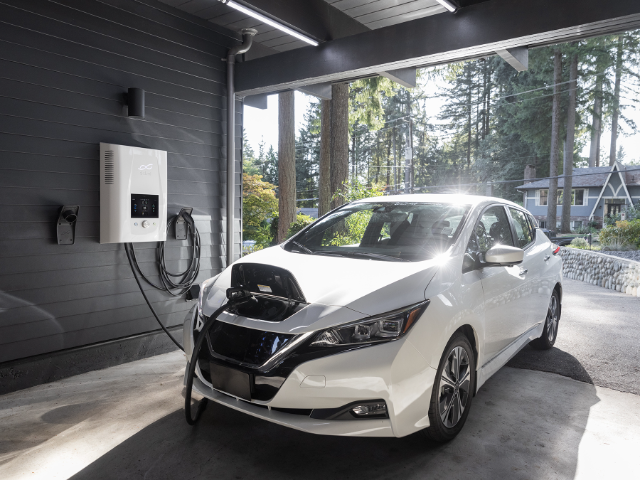
Charging an EV at home
The best results will come from charging your EV at home, which isn't all that difficult to do either. All new EVs come with a portable charging solution that allows you to plug one end into your car and the other end into the standard, 3-pin wall socket in your garage or home. This will allow you to charge your car the same way that you charge your cellphone.
These chargers are the slowest chargers you can get and a full charge can sometimes take over 24 hours, depending on your vehicle's battery size and the remaining charge in the battery. If you're only topping up the battery, it will only take an hour or two, something that can be done at night while you sleep.
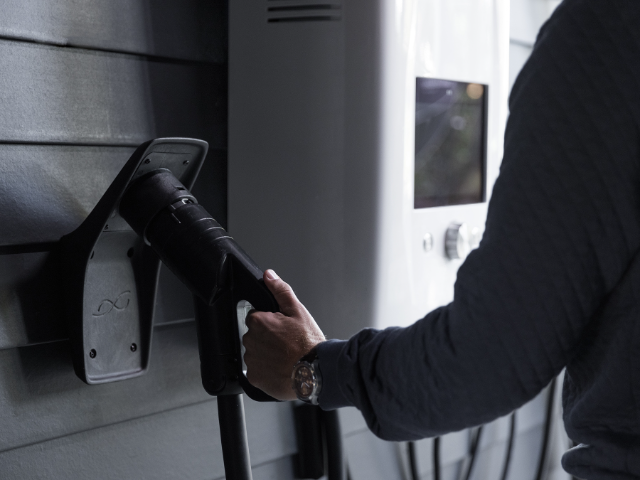
If you own your property, it's worth looking into having a home charger installed in your garage. These units cost anywhere from R12 000 for a simple unit and increase in price as you add functionality. More expensive ones will allow you to control your charger from a mobile app, setting charge start times, scheduling chargers so that it doesn't charge while you're cooking (for example), and will notify you when the charge is complete or alert you to any faults encountered.
The home wall chargers also provide a stringer charge, offering up to 11 kW of charging power, as opposed to the 3.4 kW you would typically get from a portable charger. This significantly reduces your charging times.
Charging at home is also the cheapest way to charge and can cost as little as 56 cents per kilometre.