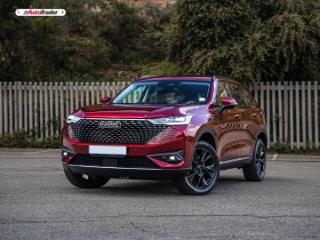

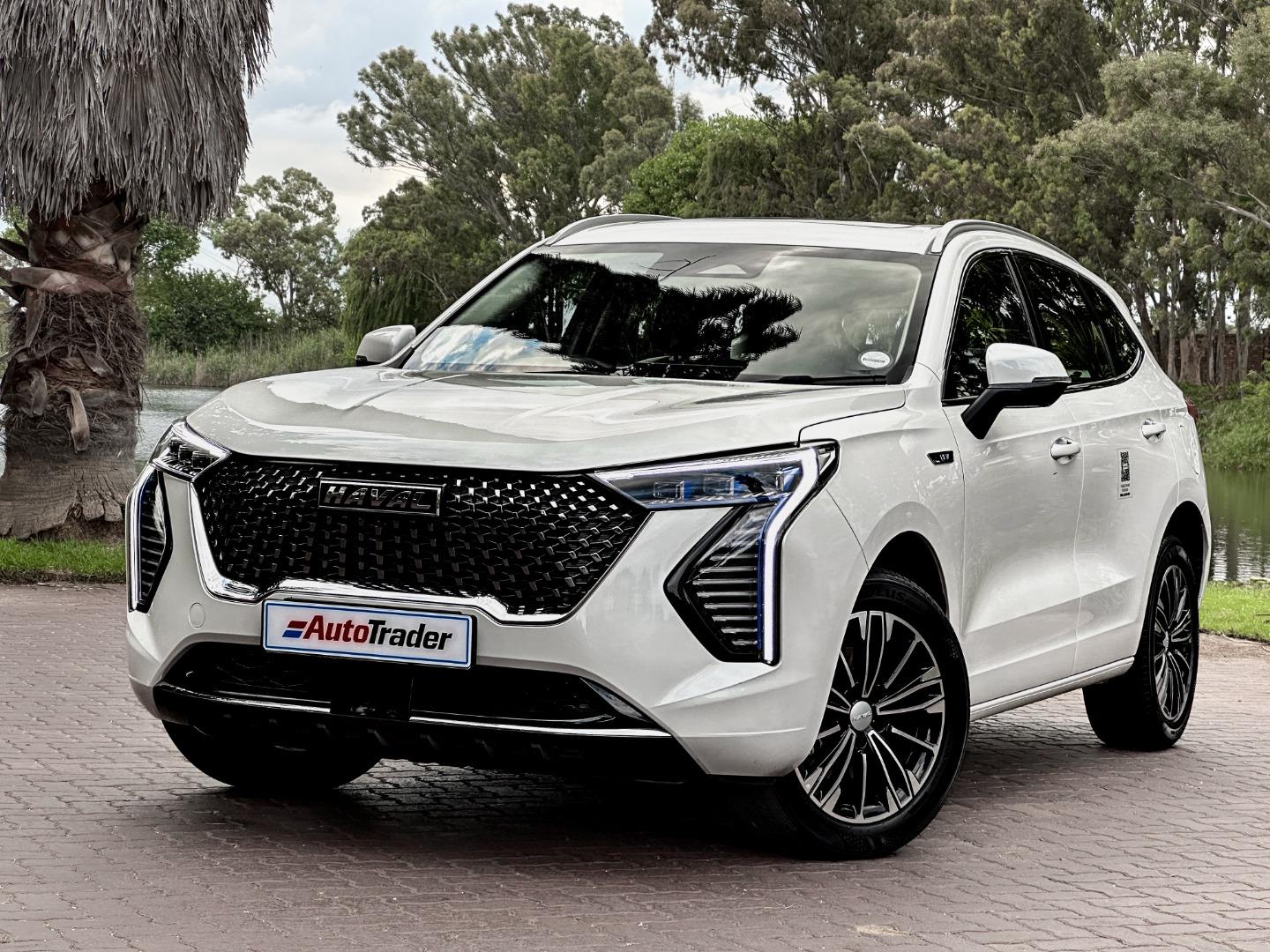


Over the recent festive season, we had a chance to drive the hybrid version of Haval's popular Jolion, and it reminded us of how hybrid mobility is a great solution for South Africans as we slowly transition to new energy vehicles (NEVs). Does this particular hybrid make sense as a purchase, though?
Related: Haval Jolion Hybrid vs ICE: Running cost comparison
Styling
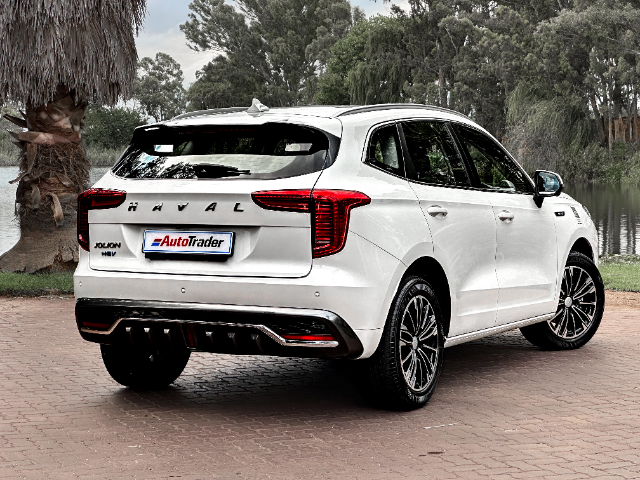
The design of the Jolion is about as inoffensive as one could ask of their compact crossover, with a relatively generic shape, attractive lighting signatures both front and rear and sporty front and rear bumper designs.
Related: Toyota Urban Cruiser vs Kia Sonet vs Haval Jolion: Here's our winner
Interior and space
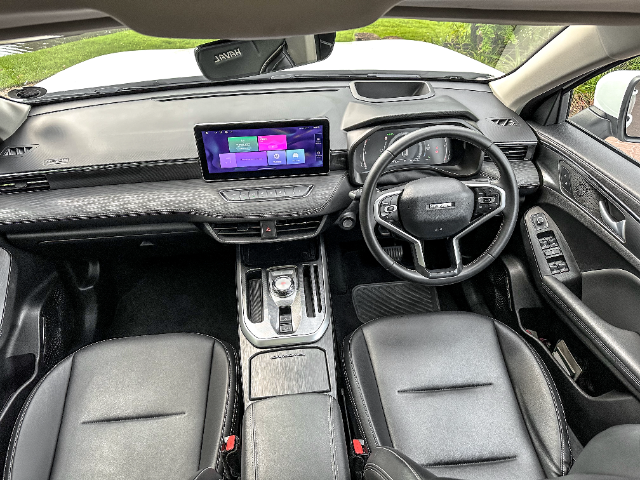
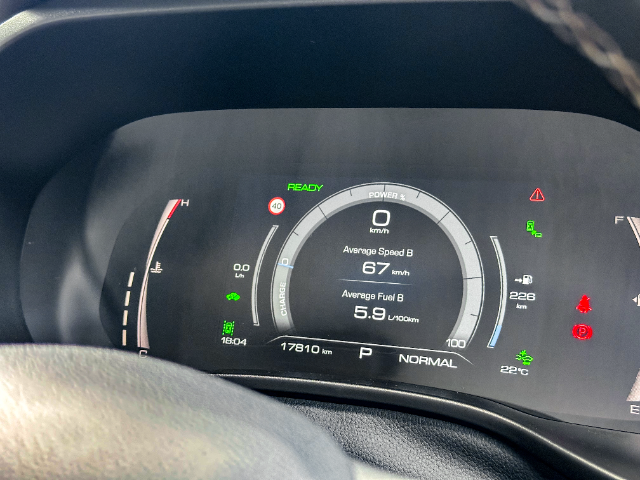
The interior of the Jolion remains a good place to spend time, with a combination of hard and soft-touch materials and respectable build quality. When not using Apple CarPlay or Android Auto, the infotainment comes across as clumsy, with the HVAC controls, drive modes, vehicle settings and media all controlled on the same screen, taking time to get used to. With the technologies above activated, good resolution, reasonable sound quality, and 12.3-inch screen provide an acceptable infotainment experience. The digitised instrument cluster is adequate but not impressive, with a low-resolution screen and a challenging operating system when the semi-autonomous driving systems are activated as these obscure other driving information such as the trip and fuel economy information.
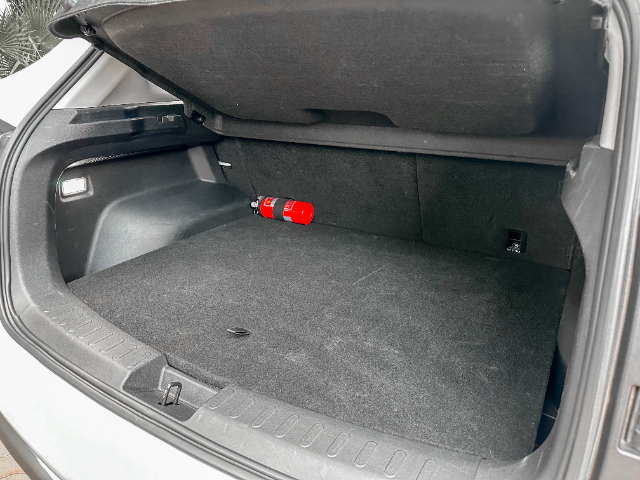
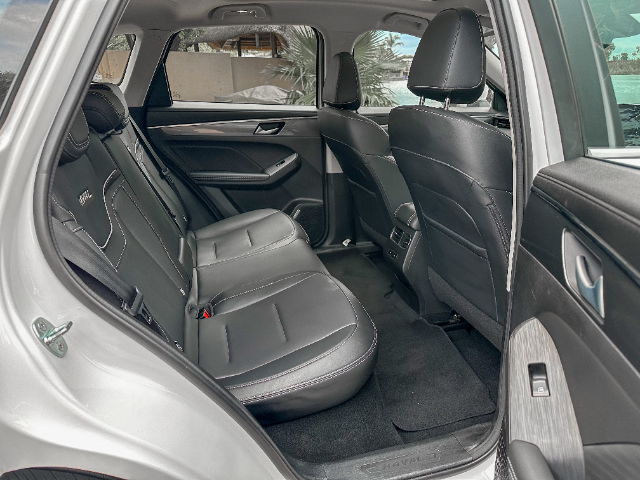
When looking at practicality, there is a 337-litre boot, which we found to be slightly too narrow, with a high loading lip, making loading cumbersome items more difficult than in other compact crossovers. The rear seating is exceptionally spacious, catering for passengers of all sizes, while 206mm of ground clearance and approach and departure angles of 28 and 23 degrees, respectively, make the product a good pavement hopper.
Performance and driving impression
The Jolion HEV is powered by a 1.5-litre naturally aspirated petrol engine that produces 70kW/125Nm in combination with two electric motors and a small 1.6kWh battery, which offers an additional 110kW and 250Nm for a claimed output of 139Nm and 375Nm of torque. A two-speed gearbox sends this surprising amount of power and torque through the front wheels.
The battery never needs charging, as the internal combustion engine does this automatically, making this a more convenient NEV, offering robust acceleration and equally good fuel efficiency. Around down and crawling through traffic, the HEV is a revelation, proving silent, efficient and comfortable; however, on the open road, its efficiency begins to decrease as the ICE unit works harder and the battery becomes depleted, while the thrum of the four-cylinder engine becomes audible, particularly after experiencing the relative silence the vehicle is capable of. Overall, it's a nicer car to drive than its internal combustion-only sibling, being smoother, quieter and more accelerative.
The surprising turn of speed on account of the hybrid powertrain did induce the odd grin, despite the 375Nm being far too much for the front wheels. In terms of dynamic driving, the Jolion starts to fall flat when throwing it at a corner with any dynamic intention. There's some body roll, a vague indication that the front tyres are overwhelmed, and it understeers heavily. While dynamic driving is not what this car is designed for, I was surprised by its lack of handling prowess, particularly when considering its relatively brisk accelerative capabilities.
Safety
In 2021, the ANCAP programme crash-tested the Jolion range. It rated it as a 5-Star car with 90% for adult occupant safety, 84% for child occupant safety, 64% for pedestrian safety and 92% for its safety assistance systems.
Fuel consumption
Haval claims that the HEV will consume fuel at a rate of 5.0 L/100km; however, during our 1 700km in the car, we saw a figure of 5.9 L/100km, which is very efficient for a car of this size.
Pricing
The model we tested was listed for sale for R579 950, making it more expensive than the Suzuki Grand Vitara GLX Hybrid and Toyota Corolla Cross Hybrid, despite having better specification. The Jolion comes with a competitive 5-year/60 000km service plan 5-year/100 000km warranty and 8-year/150 000km hybrid battery warranty.
Verdict
The Jolion HEV is a solid product, providing all of the virtues of a series-parallel hybrid, with no need to plug the car in to charge the battery while providing excellent fuel returns and silent low-speed operation. Still, on the open road, its efficiency wanes, and its high list price means that its internal combustion-powered sibling is still cheaper to own and run.