Can I use public charging infrastructure, such as shopping centres or hotels, to charge my electric
Charging an electric car is the biggest concern of South Africans and one of the main reasons for not considering switching to EV. Find out here if you can charge an EV using public charging infrastructure.

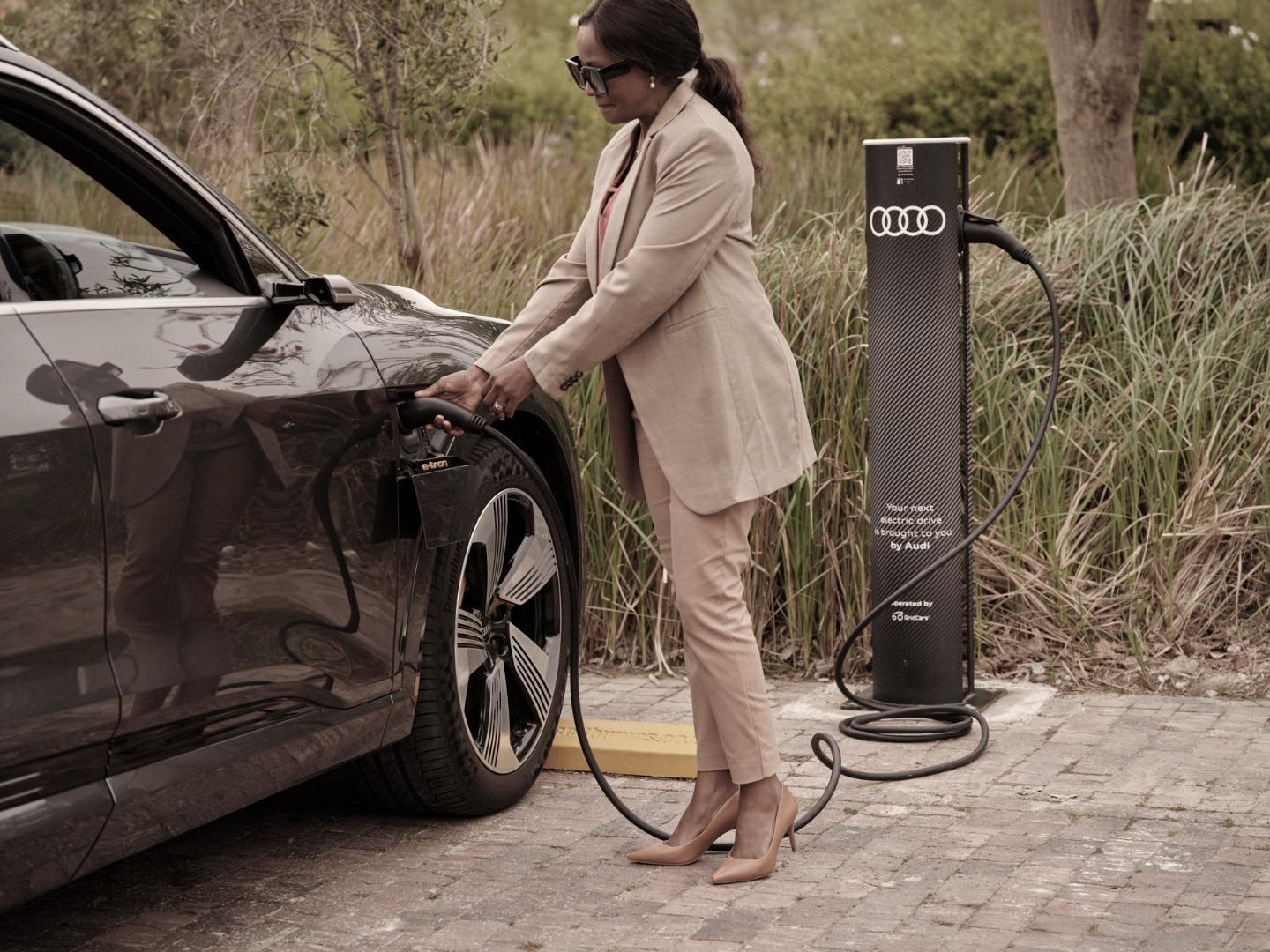


Electric cars don't differ all that much from the traditional, internal combustion engine (ICE) vehicles that we're used to. The controls are largely the same, the functionality isn't too different, and the practicality is nearly identical, believe it or not. The charging process is the biggest shift from what you may be accustomed to. Electric Vehicles (EV) use batteries to supply an electric motor to drive the wheels, and these batteries need to be recharged. So, can you comfortably drive an EV using public charging infrastructure?
Related: Can you charge an electric vehicle in the rain?
The most convenient way to recharge an EV is from the convenience of your home. All new EVs are sold with a portable charging brick that plugs directly into a 3-pin wall socket, just like any other appliance. This allows you to plug the vehicle in and charge it while it's parked in the garage and is best done overnight as the portable charger is the slowest charge you can offer the batteries. This is the most cost-effective, though and, depending on your local municipal rates, will cost around R2.48/kWh. This means a full charge of a 90 kWh battery should only cost approximately R223.20.
Installing a home charger will reduce these charging times and only slightly affect the overall cost. This is the best way to charge an EV as it provides the best cost and convenience balance.
Public charging
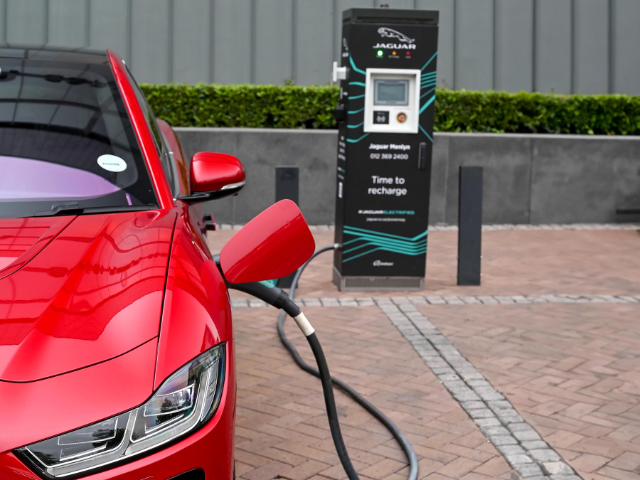
Many South Africans are unaware of the scale of the local public EV charging infrastructure, and South Africa has more than 350 public charging points across the country. Naturally, the concentration is greater in the major centres. Still, many key locations along the main highway routes are also available, making it entirely possible to drive from Johannesburg to Durban, or even Cape Town, in a fully electric vehicle. Find out where the charging stations in your area are here.
Running an EV on public charging alone is possible, but this does require a shift in your driving habits. It's always recommended to keep the battery above 20% and only charge to 80% as the final 20% often takes longer than the rest. Your EV will be equipped with navigation functionality that will be able to locate the nearest charging station, and many will be able to help plan a route for you, should you be planning a longer trip that requires stopping for charging.

The benefit of public charging is that public chargers can charge your EV quickly. Public chargers will range from 11 kW output in AC configuration to 150 kW on selected DC fast chargers. The downside to this is that the cost of the charge increases. Price range from R5.86/kWh to R7.35/kWh for the more powerful DC chargers.
Public chargers often benefit from alternative power generation as well so many will still be online when loadshedding hits, making it still possible to charge your car when your home is in the dark.