Tyre(ing) times ahead
There are many challenges ahead when it comes to those bits of rubber that connect a truck to the roads. From the environmental impact of waste tyres to dumping and illicit trade – industry body the South African Tyre Manufacturers Conference (SATMC) has a lot on its agenda.


What is the SATMC?
But let’s start at the very beginning: what is the SATMC? While its name includes “conference”, it has zilch to do with conferences. Instead, it is the official industry body and trade association of the local tyre manufacturers, namely, Bridgestone, Continental, Goodyear and Sumitomo Rubber South Africa.

According to the SATMC, its four members employ more than 6 000 people directly and create indirect employment opportunities for more than 19 000 people. Furthermore, it maintains that – between 2019 and 2021 – SATMC members collectively contributed in excess of R15,9 billion to the South African economy.
Tumultuous time for tyre industry
Lubin Ozoux, CEO of Sumitomo Rubber South Africa, began his two-year term as SATMC Chair on 1 November 2022, and his term could not have begun at a more tumultuous time. He stresses that SATMC has an important role to play.

“According to the National Traffic Information System (NATIS), South Africa’s live vehicle population in 2021 was recorded at over 12 million vehicles. This means there are at least 51 million tyres supporting South African people and goods in getting from point A to point B – and that’s without considering spare tyres and heavy-duty trucks or trailers with multiple axles. The local tyre industry is, therefore, an important economic contributor in South Africa, employing thousands and attracting investment into the country,” he points out.
Pressing issues
Ozoux says that, in 2023, the SATMC has a number of immediate priorities. Included in the list of priorities are:
- Waste tyre management
- Addressing the use of second-hand tyres
- Eliminating dumping
- Putting an end to the illicit trade
Waste tyres: environmental nightmare
A major challenge facing the tyre industry is the negative environmental impact of waste tyres. “We are committed to reducing this impact and are working with various stakeholders to develop and implement effective waste tyre management solutions. Our aim is to advocate for a Waste Tyre Management Plan that will service the tyre industry value chain,” says Ozoux.

“We are collaborating with the Tyre Importers Association of South Africa (TIASA), the Tyre Equipment Parts Association (TEPA) and the government to ensure that steps are taken to drive improvements and sustainability in both collection and processing of tyre waste.”
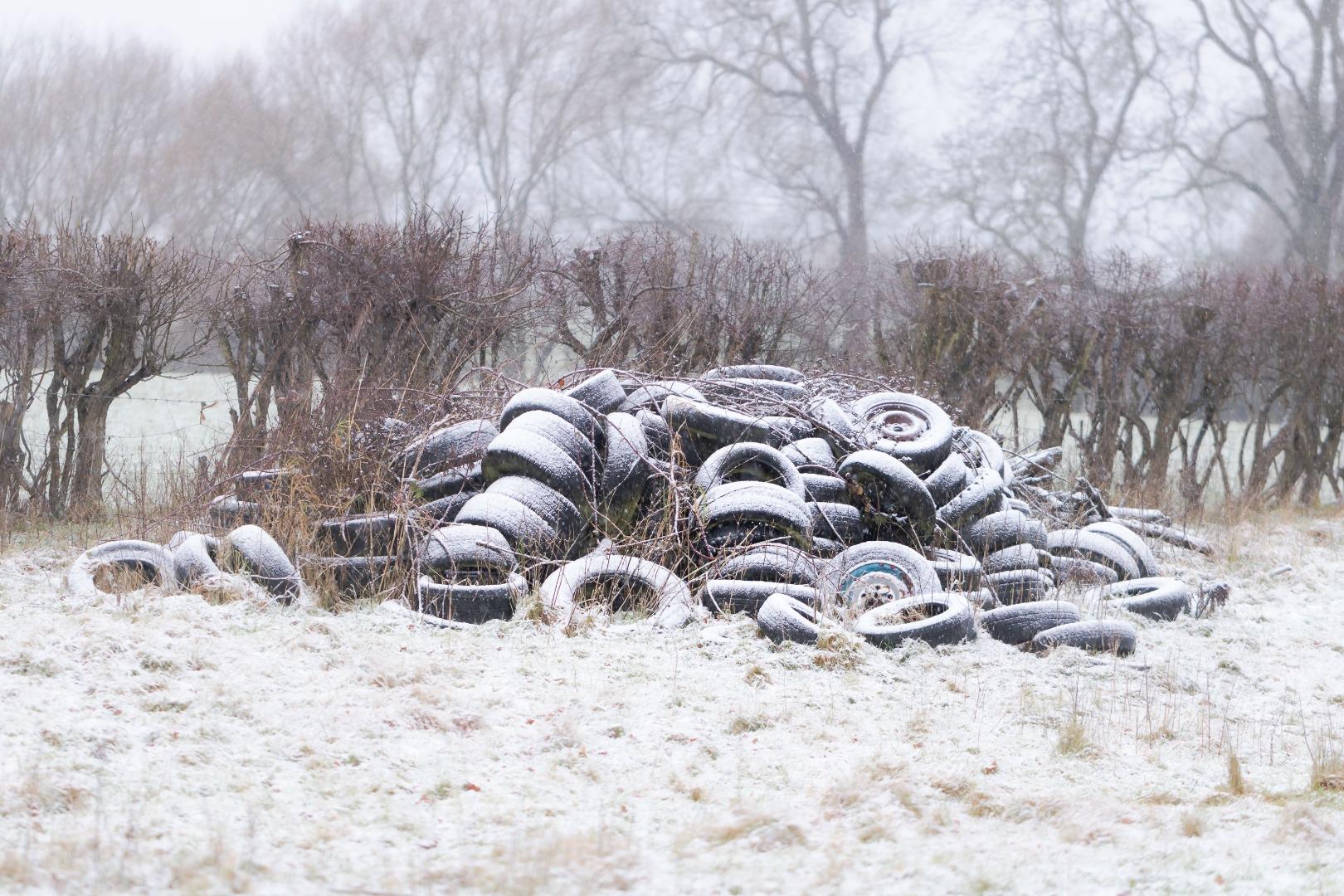
The Waste Bureau (currently tasked with the collection of waste tyres), has limited resources, which compromises its efficiency to provide a reliable service. As a result, tyres pile up and pose fire risks to businesses.
In addition, these waste tyres often find their way back into the market for resale, further compounding the illicit trade market which the SATMC is aiming to combat.
“Consultation is underway on the draft section 29 Integrated Industry Waste Management Plan for Tyres (IndWTMP). The Plan provides requirements for the implementation of effective and efficient waste tyre management in South Africa and sets out guidelines and requirements for all tyre industry role-players. Failure to manage waste tyres as prescribed in the IndWTMP is a criminal offence,” warns Ozoux.
Second-hand tyres
The SATMC is also lobbying in relation to second-hand tyres or part-worn tyres, which remain unregulated in the country, posing a serious safety risk for road commuters.
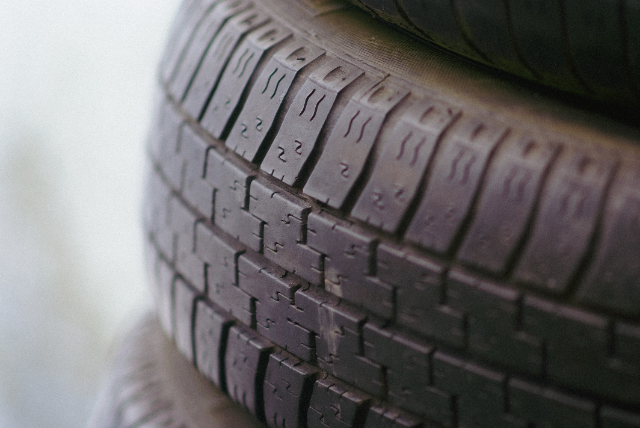
The consequences of fitting second-hand waste tyres can be dire. They reduce the performance of a vehicle by increasing stopping distances, raising the risk of skidding and increasing the risk of blow-outs.
“In 2020, our research showed that more than 60% of second tyres sold in South Africa are illegal. This can have fatal consequences for road users. The onus lies on retail tyre fitment dealers to ensure that second-hand waste tyres are mutilated and destroyed,” he notes.
Denouncing dumping
One of the most high-profile SATMC matters has been the fight against so-called “unfair and predatory trade practices” in the tyre sector – or dumping.
“Tyres imported unfairly into South Africa at unsustainable, rock-bottom rates limit the competitiveness of domestic manufacturers. They are also a road safety concern. As such, we approached the International Trade Administration Commission (ITAC) to investigate whether tyres from China are being imported at predatory prices and causing material injury to the domestic manufacturing industry.”

Following a preliminary investigation, ITAC imposed a provisional antidumping duty of 38.33% on car, passenger, truck and bus tyres dumped into the local market from China, applicable between September 9 last year and March 8, 2023.
As March 8 approaches, the SATMC awaits a decision on whether these duties will be extended, and for a final determination to be made.
Illicit trade must stop
The SATMC is also taking steps to combat the illicit trade of tyres in South Africa. “This illegal trade undermines the integrity of our market, and it is essential that we take action to stamp it out,” notes Ozoux.
The SATMC is working with law enforcement agencies to identify and investigate cases of illicit tyre trade, and it is advocating for stronger measures to prevent this trade from happening in the first place.
“The production, import, export, purchase, sale or possession of tyres that fail to comply with the domestic legislation of South Africa must be taken seriously and stamped out. Illicit trade must be stopped, as this will create a safe and fair market for South Africans, helping to keep millions of lives safer on the roads, and protecting local jobs,” he notes.
The SATMC maintains that these measures will safeguard the competitiveness and sustainability of local tyre manufacturing in South Africa. “All four SATMC members will continue to drive road safety, while striving for the sustainability of the local tyre manufacturing sector in 2023 and beyond,” Ozoux concludes.
Photo credits: Goh Rhy Yan, Enis Yavuz, Robert Laursoo, Nazim Zafri, Imthaz Ahamed, Jaye Haych, Sobhith Ullas and David Griffiths on Unsplash.