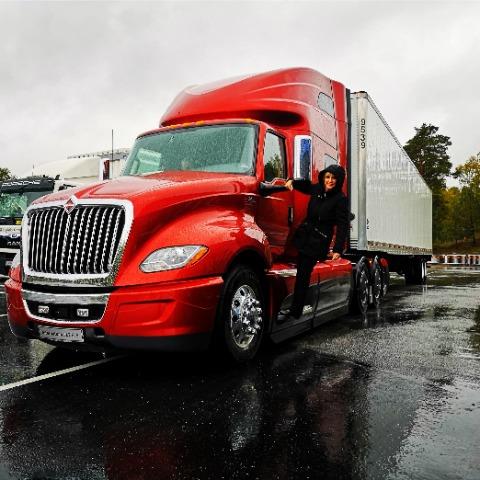
Crossroads CEO wants to see transport going green
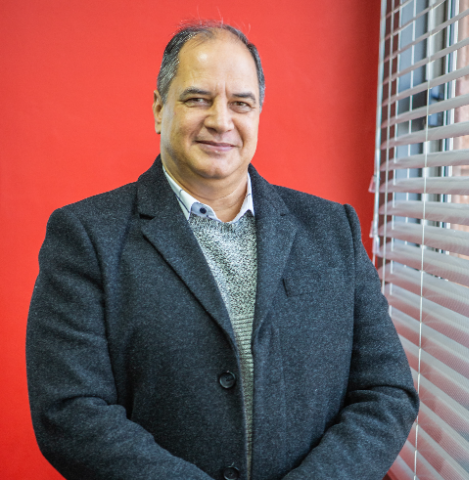
Pieter Vermeulen, the newly appointed Chief Executive Officer of Crossroads, is a man on a green mission. He believes that it isn’t acceptable that South Africa is still a Euro 2 market. Instead, he believes that government needs to step in with legislation to convert to Euro 5 and 6.


Vermeulen, who took over from Arend du Preez at the end of November last year, joined Crossroads in May 2016 as a finance executive, before being appointed as a director and Chief Financial Officer in 2017. His appointment as CEO – the result of a unanimous vote by the board – is his professional career highlight.
Crossroads unpacked
Operating for over 80 years, Crossroads is a key role player in the transport, logistics and supply chain management environment in Southern Africa, Namibia, Botswana and Zambia with an associated footprint in Europe.
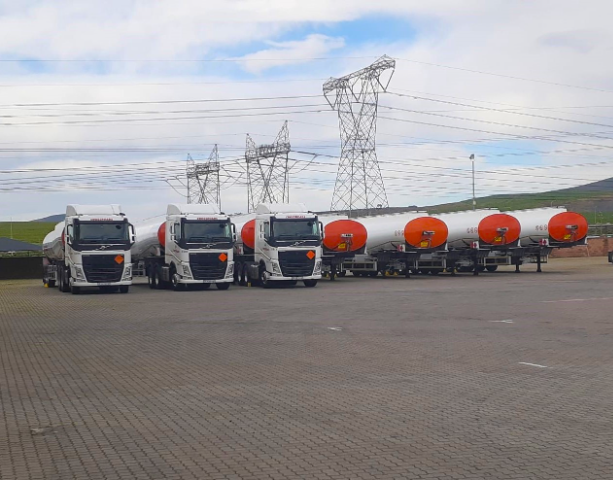
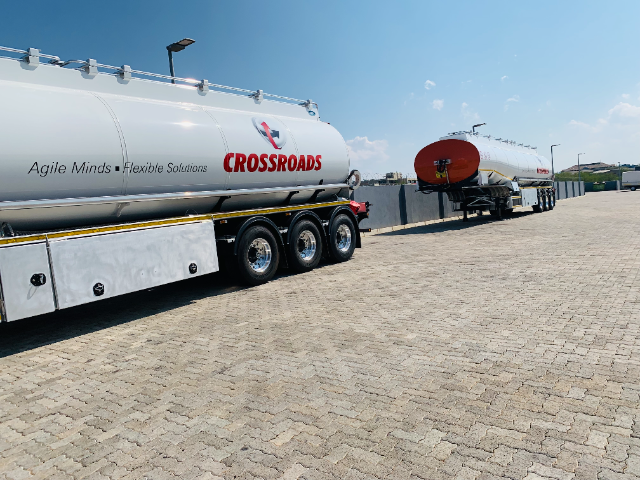
The company runs in excess of 400 vehicles. The majority of truck tractors are Mercedes-Benz vehicles, while the company also has some Scania and Volvo trucks. Tanker trailers are sourced from GRW, tippers are from PRBB, and new Flat Deck Trailers also hail from PRBB (older ones are mostly from Henred Fruehauf).
The company typically uses its own vehicles and doesn’t rely on rentals. “Our fleet is 95% contractual and always will be. We do from time-to-time rent assets to convey excess volumes.”
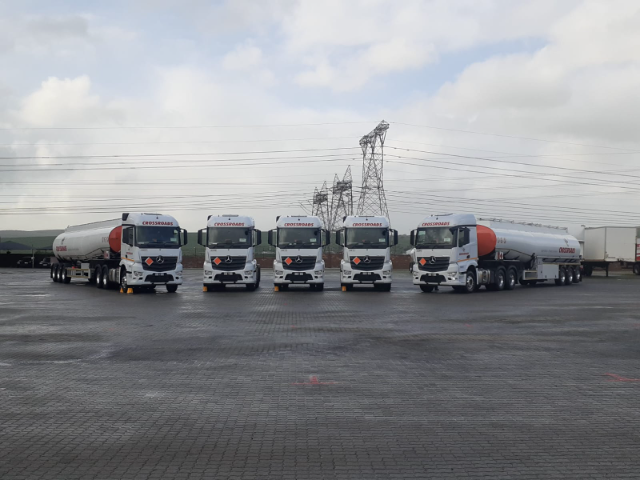
Vermeulen says 2022 was a fair year for the company. “The riots in KwaZulu-Natal and then the floods did affect the business adversely, although not directly in terms of loss of assets. This did, however, have an adverse effect on the economy, and we have seen major instability in the volumes from month-to-month.”
Fuel to the fore
One of the industry’s greatest challenges has been the increase in the price of fuel – but this hasn’t been an insurmountable challenge for Crossroads. “Most of our contracts have fuel adjustment clauses,” explains Vermeulen. “We enforce these clauses monthly or quarterly. So yes, fuel price increases materially impact the business as far as facilities with the fuel suppliers are concerned, but they have not impacted the bottom line.”
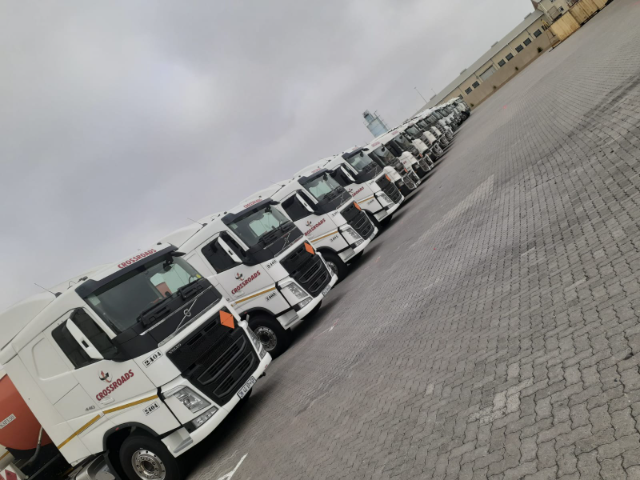
Another industry challenge is the road network in South Africa. “Road conditions also create additional risk to transporters, not only as far as the cost of tyres is concerned, but also the safety of our drivers on the road – and safety is our core value in the company. As an industry, we cannot directly improve road conditions, but we can probably – as one voice – get government to do their bit,” he suggests.
Yet another area of concern where government could play a role pertains to security. Cyber attackers are getting smarter, and this is now one of the greatest risks faced by South African companies. Vermeulen says this is a worry. “This has been part of our concerns in SA for many years and will continue to be until government (again) can improve on law enforcement from policing to the judicial system.”
The future looks bright
While there are indeed challenges facing the company and indeed the industry, his goals for 2023 are optimistic. “We are a specialised freight operator, and we will continue to grow that market, i.e. gas, fuel, explosives. Our goal is to increase our presence in these market segments,” he says.
Outbound mining products are also showing growth, as a result of increased commodity prices. “Also, the fuel sector has seen a marked increase in volumes post-Covid,” he adds.
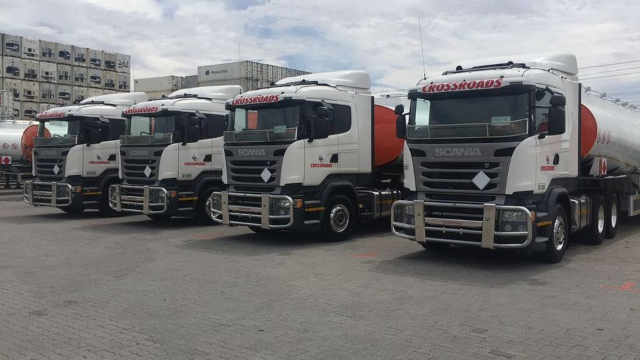
In keeping with his desire to see the transport industry going greener, Vermeulen is keen to explore the merits of vehicles that don’t have internal combustion engines. When asked if he is keen to use “green” vehicles such as gas/electric/fuel cell trucks, his answer is most enthusiastic: “Absolutely yes! The challenge though is that the first real electric trucks will be tested in SA in 2023, but only the smaller delivery trucks – max 12 tonnes. The larger 6x4 truck tractors are only expected in 2025. But the future is definitely ‘green’ with the fast development of hydrogen vehicles. We have partnered with an OEM to test these vehicles in our operations,” he reveals.
Connectivity is paramount
The future also involves connectivity coming to the fore like never before. “It is very important. I can see the transport sector becoming technology suppliers with trucking only a means of transport. Connectivity is becoming an essential service offering to customers,” says Vermeulen.
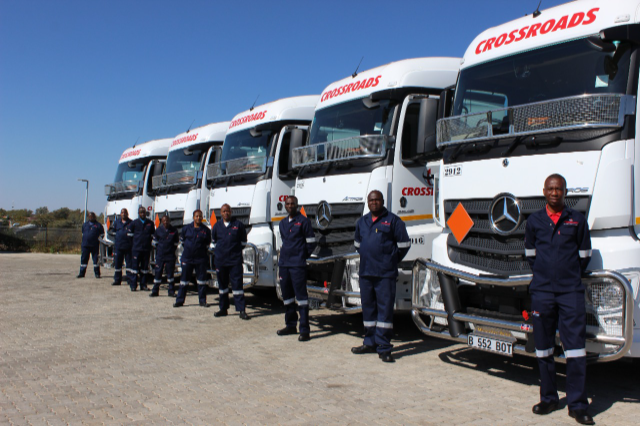
When it comes to Crossroads specifically, he would like to see the company increase its market share in the specialised freight markets. “Furthermore, we want to increase the skilled professional driver database through the Professional Driver Academy. Crossroads is also implementing the development of technology platforms to ensure that we become the leading provider of real-time load and safety data per trip.”
In closing, Vermeulen is optimistic about the outlook for the South African transport industry and Crossroads. “Transport and logistics will always be an integral part of any economy. To borrow from the Road Freight Association’s slogan: ‘Without trucks, South Africa stops’.”
Turning once again to Crossroads, he says the company is small compared to its competitors. “But we are large enough to offer the compliance required to service large companies. I believe the customers should focus a lot more on using regulated and compliant transport operators. In future, I can see the industry becoming a lot more regulated, which will put Crossroads in the front line,” he concludes.