Are Electric Car Batteries Dangerous?
Electric vehicles (EVs) have become increasingly popular in South Africa as an eco-friendly and cost-effective alternative to traditional vehicles. However, concerns about the safety of electric car batteries may still linger in the minds of consumers.


To evaluate the safety of electric car batteries, it's crucial to understand the regulations and testing procedures that govern their production. One such widely recognized international standard is the UN ECE Regulation 100, which sets strict safety requirements for EVs. This regulation ensures that EVs meet safety standards equivalent to those of conventional internal combustion engine (ICE) vehicles.
Related: Can you charge an electric vehicle in the rain?
Under the UN ECE Regulation 100, EVs undergo comprehensive testing to ensure their safety. These tests cover various aspects, including vibration resistance, thermal shock resistance, mechanical shock resistance, mechanical integrity, fire protection, external short circuit protection, overcharge protection, over-discharge protection, and over-temperature protection. Reputable institutions like the TÜV, a renowned German-based quality and approval testing institution, carry out these tests to certify the safety of EV battery systems.
Explosion risk
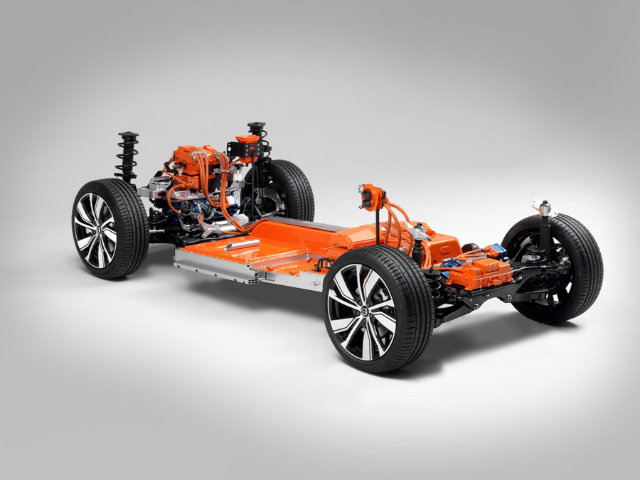
Moreover, it's important to note that electric car batteries do not pose a risk of explosion. The design and construction of EV batteries prioritize safety, with multiple layers of protection mechanisms in place. These include battery management systems that monitor and control the battery's temperature, voltage, and charging levels to prevent hazardous situations. The safety of EV battery systems is well-documented and supported by international standards and regulations.
However, while electric car batteries do not present a risk of explosion, it is essential to address concerns regarding thermal runaway. Thermal runaway is a rare event that occurs when a battery experiences an electric short circuit, resulting in excessive heat generation. Although the risk is minimal, it's important to be aware of potential fire hazards.
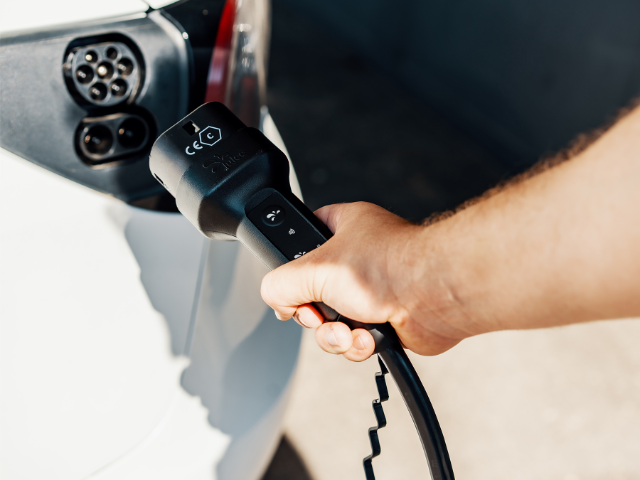
To mitigate the risks associated with thermal runaway, EV manufacturers incorporate advanced safety features into their vehicles. These features include flame-retardant materials, dedicated cooling systems, and robust insulation to minimize the likelihood of a fire. In addition, first responders receive specialized training to handle incidents involving EVs, ensuring they can respond appropriately to any potential emergencies.
It's worth noting that EVs are not inherently more dangerous than conventional vehicles. In fact, studies have shown that EVs are less likely to catch fire than ICE vehicles. The use of electric car batteries is regulated by international standards, and their safety is a top priority for manufacturers.
Are you safe?
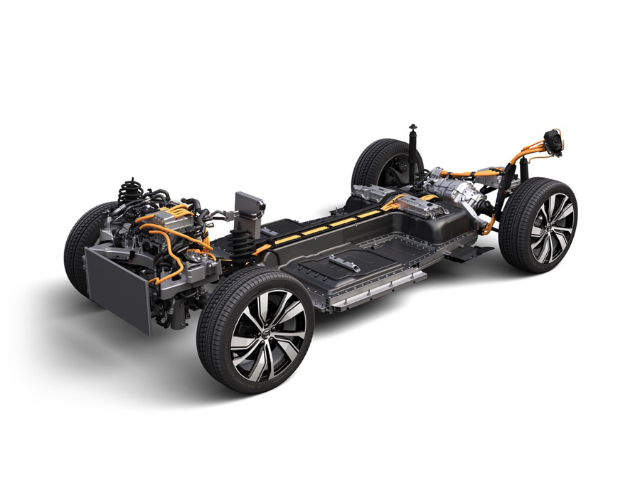
In conclusion, electric car batteries are not dangerous. They undergo rigorous testing to meet stringent international safety standards and regulations, such as UN ECE Regulation 100. While there is a minimal risk of thermal runaway, extensive safety measures are in place to mitigate potential fire hazards. Consumers can have confidence in the safety of electric car batteries, knowing that reputable international organizations and laws support their reliability. EVs offer a safe and sustainable transportation option for South African consumers.