Can electric car batteries explode?
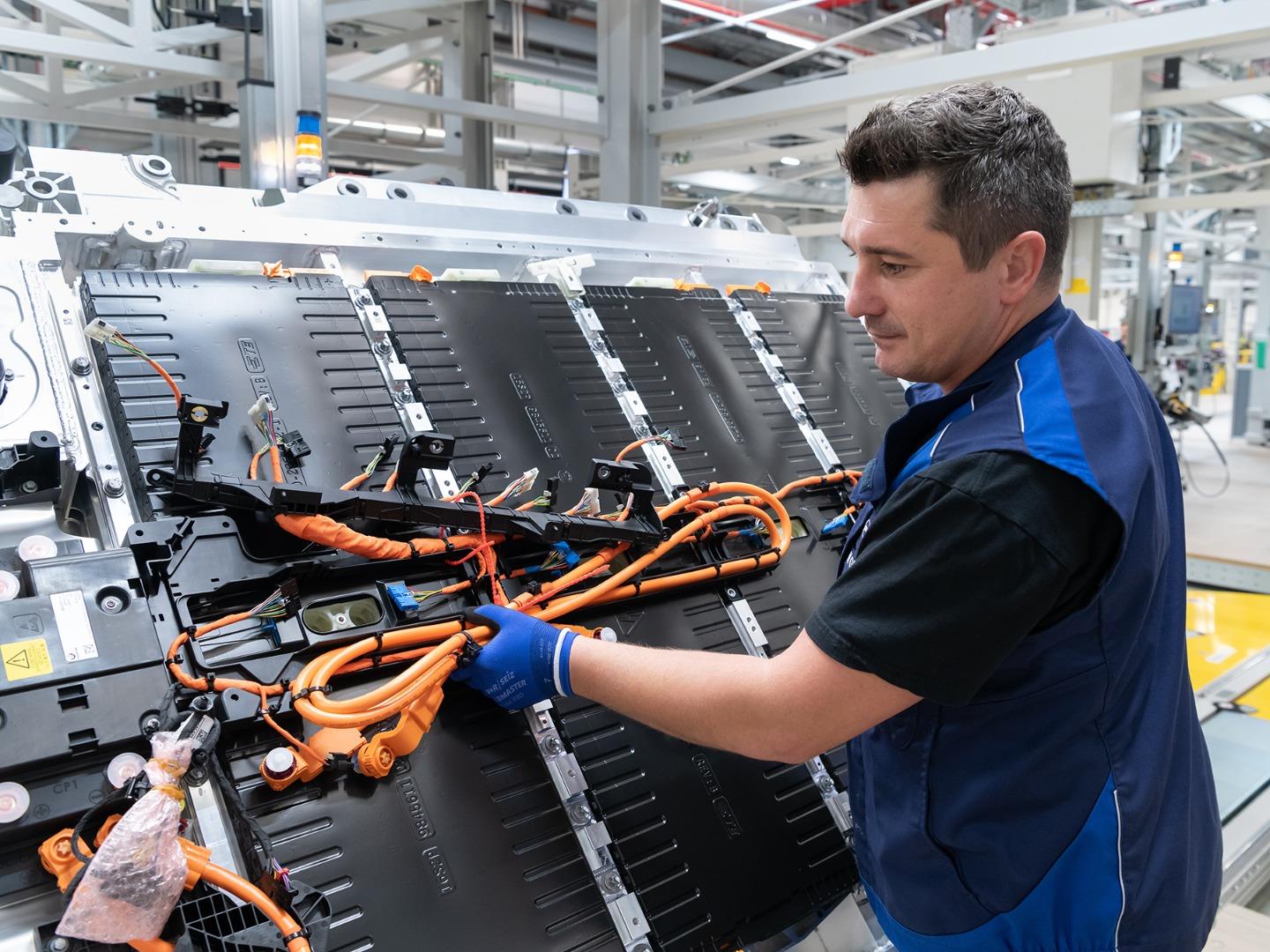
Electric vehicles utilize high-voltage systems and large battery packs to power electric motors and provide propulsion. These high-voltage systems have raised questions about the safety and risk associated with transporting such seemingly volatile items as part of a vehicle.



"A lie can travel around the world and back again while the truth is lacing up its boots.”—Mark Twain.
Social media is great for helping us stay connected with those that are far away but it also has the ability to spread misinformation and fear, especially when it's regarding something that is new, unconventional, or challenges what we already know about a topic. The self-regulation of these "media" outlets has given raise to many fallacies and rumours, especially around electric vehicles.
Related: Are electric car batteries bad for the environment?
As with any new technology, it takes some time before there is mass acceptance of the concept. We once worried about the threats of brain tumours supposedly associated with cell phones. I challenge you to find someone who doesn't rely on a cell phone in this day and age. In these early stages of electric vehicle (EV) adoption, there is still much speculation and misinformation around the vehicles with the loudest cries coming from the ill-informed.
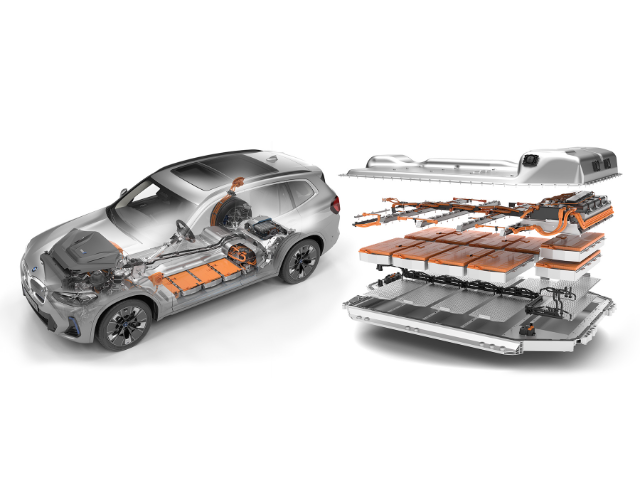
Can electric car batteries explode?
In short, no. There is no risk of explosion with an EV battery system. All EVs are subject to conform with a strict, United Nations directive known as UN ECE Regulation 100. We currently sit in the third revision to this regulation and summarized it expresses that an EV should pose no more danger than a traditional internal combustion engine (ICE) vehicle.
The TÜV, German-based quality and approval testing institution, testing process summarizes the particulars in the following manner.
- Vibration resistance
- Thermal shock resistance
- Mechanical shock resistance
- Mechanical integrity
- Fire protection
- External Short Circuit protection
- Overcharge protection
- Over-discharge protection
- Over-temperature protection
It is only once a battery system has passed these tests that it will be certified as safe for production and sale to the public.

Thermal runaway
While great effort is exercised to ensure that batteries do not explode, there is always a fire risk attached to high-voltage systems. Thermal runaway is the term used to describe the event when a battery suffers an electric short circuit that generates excess heat, melting the adjacent cell's membrane and causing the cell alongside to overheat as well. This can create a chain reaction that leads to a fire.
The incineration of the cells results in the release of flammable gasses that can cause an aggressive fire that requires special treatment to extinguish. Constant training is carried out for first responders to allow them to identify EVs and treat accidents and incidents in the appropriate manner.
The fact is that we have been comfortable driving around with several litres of flammable material for decades and EVs should be no different. In fact, studies have shown that EVs are less likely to catch fire than ICE vehicles.