
Porsche Cayman vs Toyota GR Supra vs Mercedes-Benz A45 S: here's our winner!
Over time, Porsche’s junior sports car has evolved from a rather timid little thing into a much more potent machine. Even the entry-level Cayman is a rather rapid device, and in base trim, it’s also one of the quickest new cars you can buy for less than a million Rand. We pitched it against two other performance machines in the same price bracket, to see which one we’d recommend.


Entry-level performance?
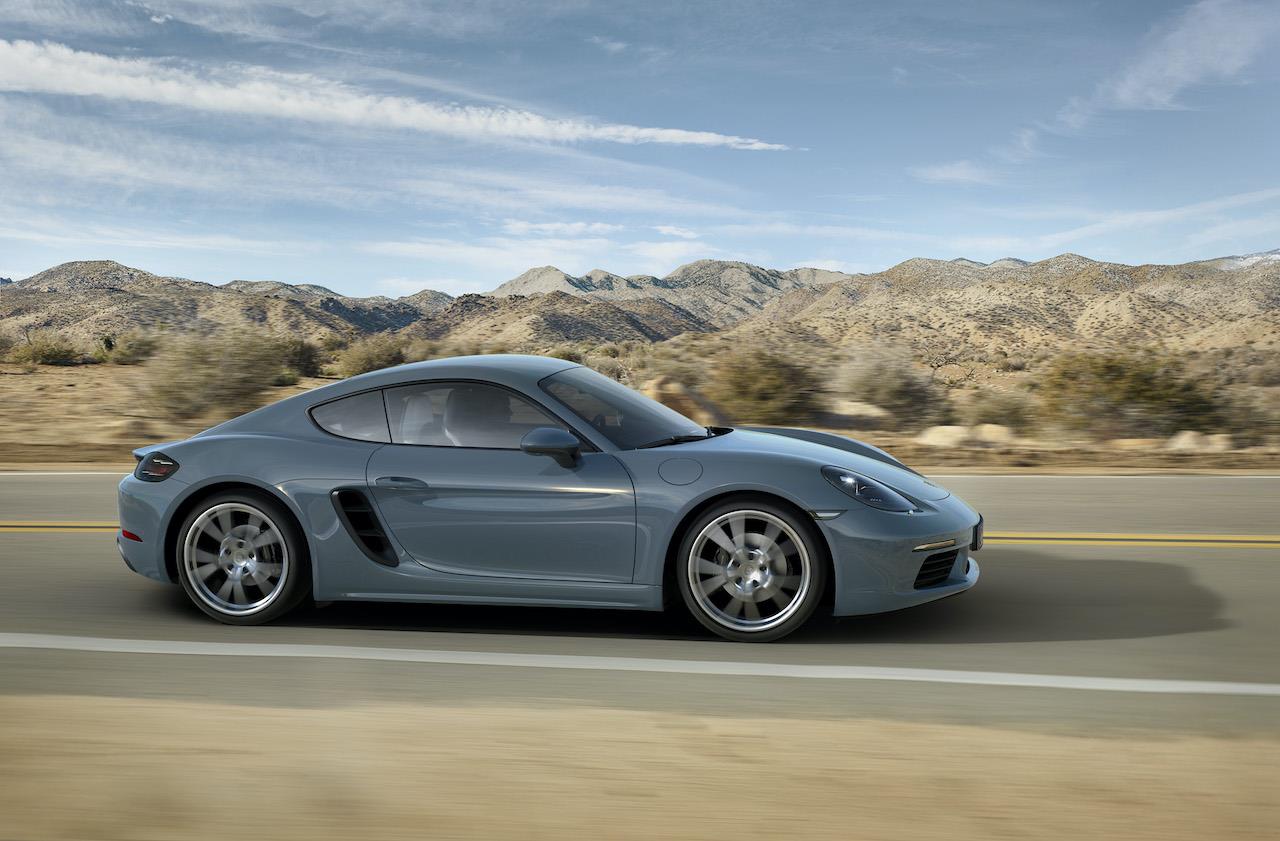
The Porsche Cayman might have lost a little charisma when it received its turbocharged 4-cylinder engine along with the 718 moniker, but it’s still a very capable and appealing car in own right. It’s also rather unique, being the only mid-engined sports car at its price point currently in production – this layout otherwise being exclusive to far more-expensive supercars. It has no directly comparable opponents, so we chose these two opponents based on their performance, and kept within our imaginary million-Rand bracket.
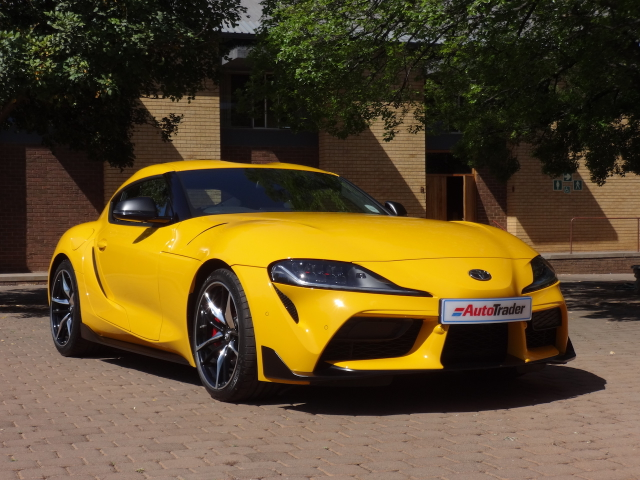
These cars are all wildly divergent in mechanical layout and design philosophy, but they also present a wide selection of capabilities and trade-offs. Staring down the purebred Porsche from the one end is perhaps its closest direct competitor: a rear-wheel drive, 2-seater Japanese sports car in the old idiom, that happens to be built in Austria using German parts. Yes, we’re talking about the reborn Toyota Supra, which, in base trim, slips in below our price barrier, and seriously challenges the base Cayman on athletic prowess and point-blank outruns it in a straight line.
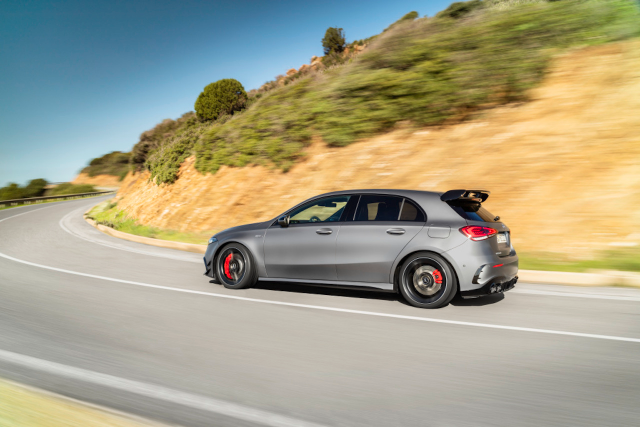
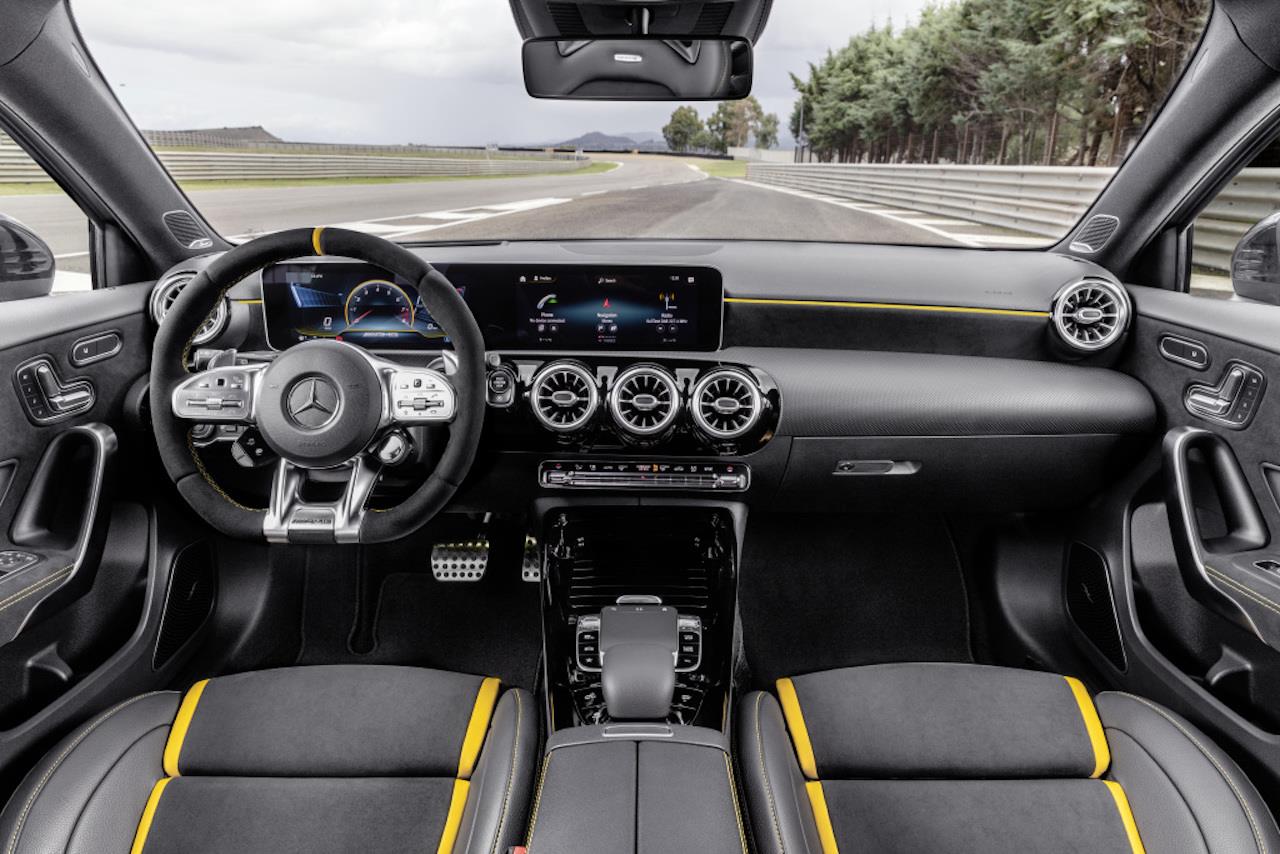
In keeping with the German theme, we’ve also roped in a fast Mercedes, but not one of the big V8 ones. Nope, we saw that the new A45 S has a base price of less than a million Rand as well, and it will certainly give either of the other two cars a run for their money in the speed stakes (and probably blow them into the weeds as well). Yes, we are looking at a million-Rand hatchback with a little 2.0-litre engine, but this little engine has the most impressive numbers of this bunch.
So which one would we prefer, if we were in the position to drop a million bucks on a performance car? The rear-wheel drive bruiser, the mid-engined exotic, or the all-wheel drive pocket rocket? Read on to find out...
Porsche 718 Cayman auto
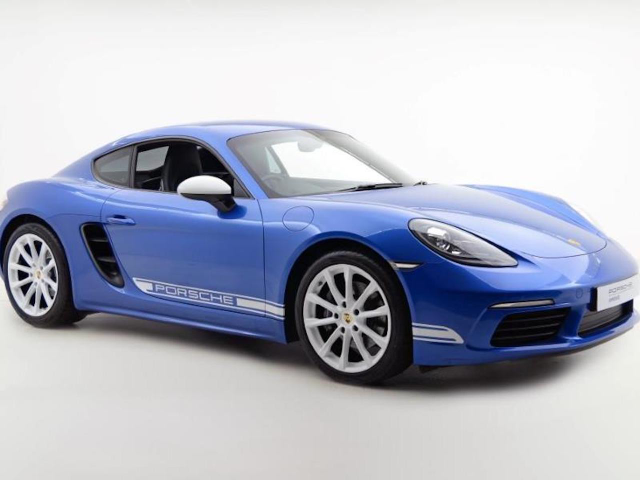
The global début of the third-generation Cayman, now with a 718 badge, marked a step-change for Porsche’s entry-level sports car. Hitherto only available with naturally-aspirated flat-6 engines, the latest Cayman redesign replaced the lower-trim variants’ 6-cylinder engines with new turbocharged flat-4 powerplants.
“It sounds like a Subaru!”, shouted the peanut gallery and connoisseurs alike in response, of course. That may be so, but the new turbo engine is better by every metric. Are the new engine’s improvements enough to compensate for the loss of the old car’s distinctive aural signature? The answer depends on the buyers’ personal preference, but there’s no doubt that the new engine brought with some significant performance improvements, and those tend to matter more to some people than to others.
Related: Our launch report details all the changes that turned a Porsche Cayman into a 718.
Engine, performance and consumption
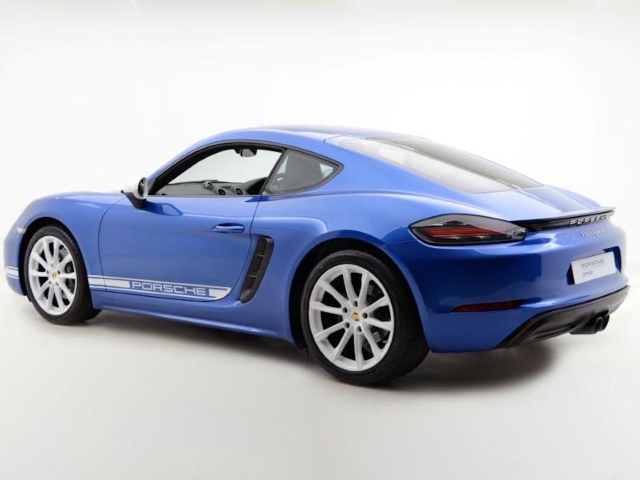
Under the engine cover (behind the cabin) nestles a 2.0-litre turbocharged boxer engine, mated in this case to a 7-speed dual-clutch automatic gearbox. It sends 221 kW and 380 Nm to the rear wheels, which represents a hike of 26 kW and 100 Nm over the old 6-cylinder model. In addition, the torque spread is much wider, and even if it doesn’t have quite the same eagerness to wind up the revs as the old 2.9-litre did, that slug of added torque makes for a far more usable drivetrain. Key performance figures are a 0 – 100 km/h sprint in 4.9 seconds (with the PDK automatic), and a top speed of 275 km/h. In other words, even the base 718 Cayman is pretty rapid.
It’s also very efficient, with an official claimed average fuel consumption of 7.4 ℓ/100 km. Coaxing that kind of number from a 221 kW sports car will likely take immeasurable willpower, however, so owners could expect mid-8 ℓ/100 km averages with moderately restrained driving.
Standard equipment
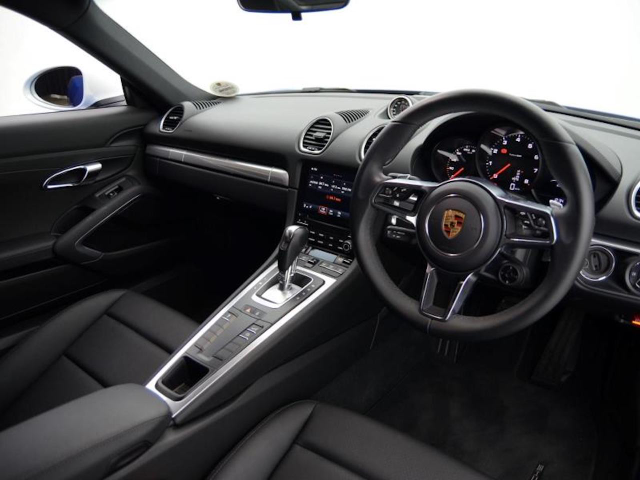
Even at its entry level, the Porsche Cayman is fairly comprehensively equipped, but there are some strange omissions as well. Automatic climate control is standard, but cruise control of any sort (normal or adaptive) is optional equipment. Headlights are Xenon-only, without the option to upgrade to LEDs, and full leather upholstery is optional. Apart from these oversights, the basic Porsche Cayman has roughly the tech you’d expect in a car from this price class, but the really nice things are, in classic German tradition, optional.
Related: What are the 4 main differences between an old- and a new Porsche Cayman?
Safety
With great performance comes an even greater responsibility towards safety, and fortunately, the 718 Cayman delivers on this count. Its two occupants are protected by 6 airbags, and the usual alphabet soup of driver aids are present: ABS, EBD, DSC and so on. An ISOFIX child seat anchor set is available for the passenger seat as an optional extra. It also has excellent handling and strong brakes, to try and keep drivers from having an accident in the first place.
Practicality
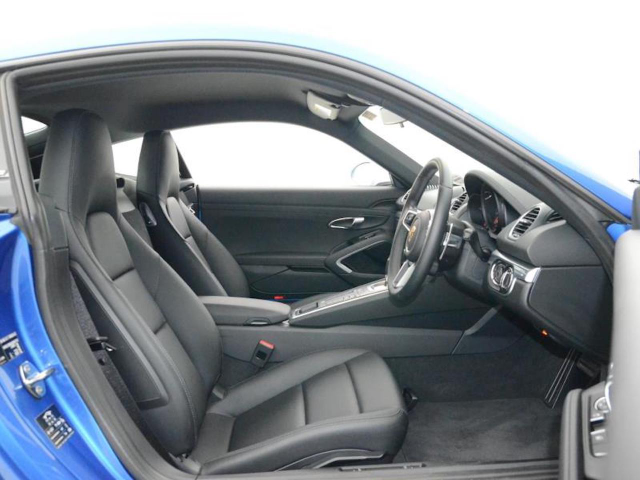
This is a two-seat, mid-engined sports car, so practicality is probably not its strongest suit. However, the Cayman does manage to surprise in this area, because it has a luggage compartment at both ends. There’s 150 litres in front and 275 litres in the back, making for a handy total of 425 litres. There’s also enough cabin space for two full-sized adults, making this one of the very few mid-engined cars that actually manages to be somewhat practical.
Related: Top 7 accessories for the Porsche 718 Cayman
Price and value proposition
Even with its rather barren standard equipment list, the Porsche Cayman’s general usability, strong performance, very good build quality, and excellent handling dynamics mostly justifies its pricetag of R 957 000 (including a 3 year/100 000 km maintenance plan). This is as close to a proper exotic car as you’re going to find, making its price surprisingly reasonable in the appropriate context. It doesn’t hurt that it has a market segment essentially to itself, either.
The competition
Toyota GR Supra 3.0T Track
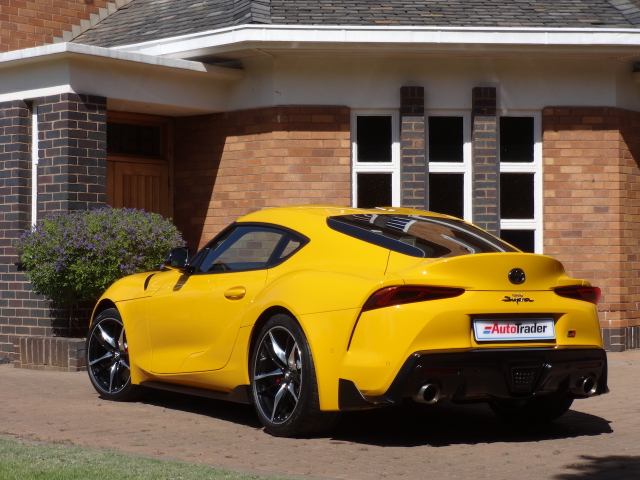
Someone at Toyota clearly has their priorities straight, because offering a de-specced variant of the Supra makes it far more likely that some of them will actually sometimes see the surface of a race track. This is an old Japanese-car trick, where a high-performance car is offered either with all the bells and whistles, or with a much more basic trim level but essentially the same mechanical hardware underneath.
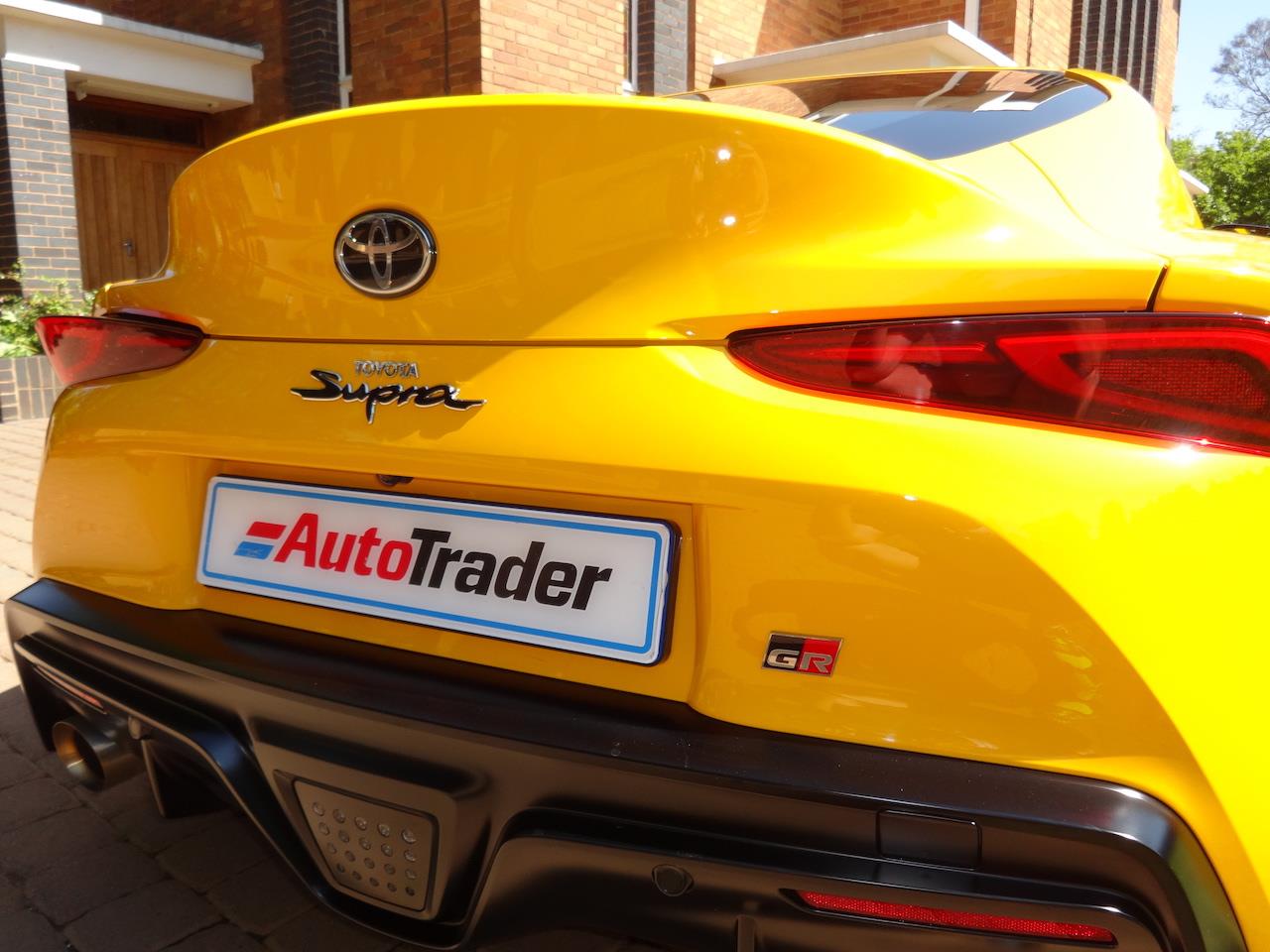
Calling their low-trim Supra variant the “Track” somehow drives the point home more sharply. This car is meant to be driven hard, and this is the least-expensive way to experience all that Supra goodness, albeit at the cost of some personal luxuries. Under the bonnet sits a 3.0-litre inline-6 cylinder engine sourced from BMW, sending 250 kW and 500 Nm to the rear wheels via an 8-speed torque converter automatic gearbox. It obviously out-powers the smaller 718 engine, and consequently, the Supra is even quicker in a straight line – the 0 to 100 km/h sprint is dispatched in only 4.2 seconds, but its top speed is limited to 250 km/h. Boo.
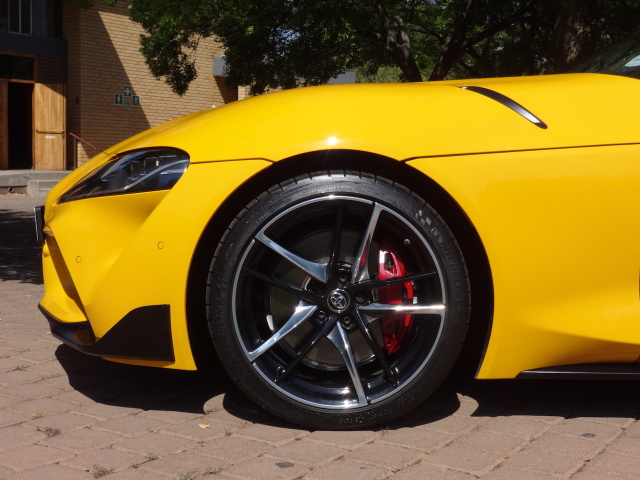
Come to a series of corners, and the Supra is capable of stringing them together with a level of accurate incisiveness similar to the Porsche’s, but with more traditional muscle-car tendencies in evidence as well. Putting it simply, it’s easy to make the Supra go sideways, although it needs a skilled driver with a firm hand and controlled conditions to extract the most from it. Somewhere... like a Track, for instance.
This being the base model Supra, it loses some of the luxuries which impressed us so in our review of the 2019 Supra 3.0T (the high-trim one). There’s no head-up display, blind-spot warning, self-parking or electric seats, and the sat-nav and even the ISOFIX-compatible passenger seat gets deleted. Good. Those things aren’t necessary on a Track anyway, right? What’s important is that the Track Supra retains 6 airbags, for when things go really wrong. (Pro tip: take out special track insurance before taking your Track to the race track as a matter of course.)
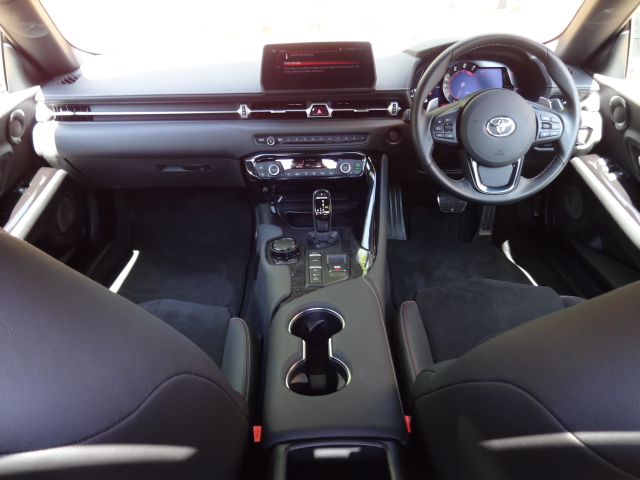
The Supra’s practicality lags the Cayman’s quite badly, however, with only 290 litres on offer in the luggage compartment – that’s only slightly more than the Porsche’s rear trunk, but without the benefit of the additional front one. Cabin space is also on the tight side, and oddments stowage space is really poor. Also counting against the Supra is the absence of a full maintenance plan: at this price and in this market segment, a 60 000 km service plan and 3 year/100 000 km warranty just isn’t good enough.
However, with all its flaws, the Supra is still a magnificent machine to drive, and it’s borderline violently quick both in a straight line and around a track. This single-minded focus did demand some compromises, of which the biggest is on the practicality front. Buyers who are prepared to overlook this shortcoming (and that service plan) will definitely end up happy with a Supra, and keep some change from a million as well.
Mercedes-AMG A45 S 4Matic+
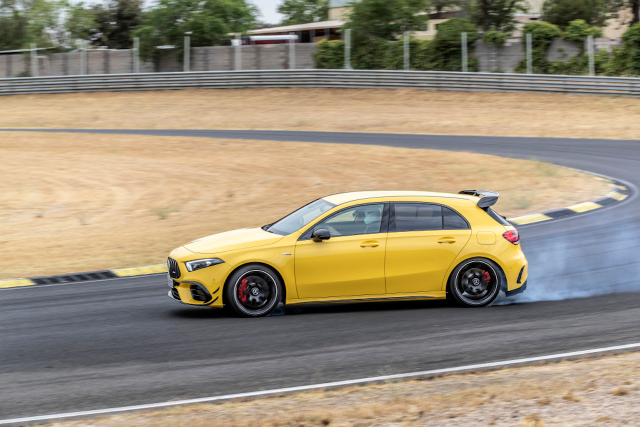
Even its full name gives an indication that the Mercedes-AMG A45 S is about the numbers and asserting a bossy kind of attitude. But, if any hatchback has the right to be bossy, it’s this one. How does 310 kW and 500 Nm going to all 4 wheels through an 8-speed dual-clutch automatic gearbox strike you? See, the compensation for giving up the Cayman’s and Supra’s striking and sporty body designs for a handsome but rather unremarkable 5-door hatchback shape is masses of power.
Related: Everything you need to know about the Mercedes-AMG A-Class.
Enough power to rocket from a standstill to 100 km/h in 3.9 seconds, in fact, on the way to a governed top speed of 270 km/h. That’s enough to easily outrun both the lithe Cayman and the brutish Supra, as well as a number of much larger, more-expensive machines. In a compact 5-door hatchback. Just let that thought sink in for a moment. What a time to be alive...
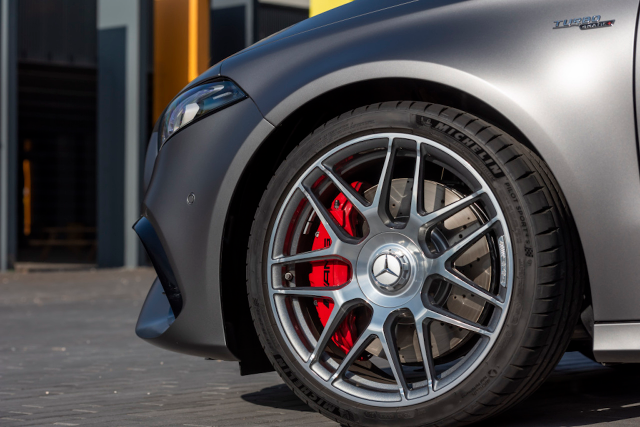
But there are other areas where the A45 S demands more-serious compromises. Its front-heavy architecture and AWD system means that, while the new A45 S handles a whole lot better than its understeery predecessor, it’s still ultimately a nose-led hatchback.
Yes, the electronic controls will mask some of the less-pleasant characteristics, but most of the driving purity gets lost in these layers of electronic assistance. The two sports car are ultimately the more engaging to drive and naturally athletic, while the A45 S bludgeons physics to its will with loads of computing power and fancy hardware. Such is the toll of its (comparatively) upright posture.
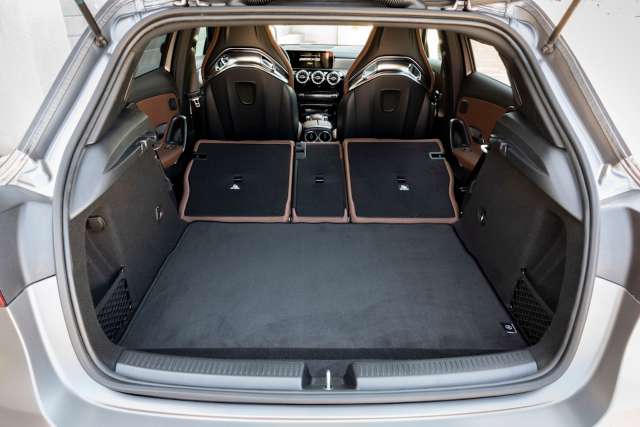
The upside to this tall posture regards practicality, where the A-Class’s 5-door layout hands it an immediate victory. That’s also good and proper, because being practical is what compact hatchbacks are meant to do, not scream down the road on a wave of torque and full-throttle burps. Sports car noises and performance should be left to sports cars, right? Well, Mercedes-AMG begs to differ. As an aside: at R 995 108, the A45 S is currently the fastest-accelerating new road car available for less than a million Rand, instantly giving credence to its value proposition.
Facts and figures
Let’s recap the important numbers:
|
|
Porsche 718 Cayman PDK |
Toyota GR Supra 3.0T Track |
Mercedes-AMG A45 S 4Matic+ |
|
Engine size (cyl/size) |
Flat-4-cyl, 2.0-litre turbopetrol |
6-cyl, 3.0-litre turbopetrol |
4-cyl, 2.0-litre turbopetrol |
|
Power/Torque |
221 kW/380 Nm |
250 kW/500 Nm |
310 kW/500 Nm |
|
Length (mm) |
4 379 |
4 379 |
4 445 |
|
Airbag count |
6 |
6 |
7 (opt 9) |
|
Luggage capacity (litres) |
425 (150+275) |
290 |
370 |
|
0 – 100 km/h sprint* |
4.9 seconds |
4.2 seconds |
3.9 seconds |
|
Top Speed (km/h) * |
275 |
250 |
270 |
|
Ave Consumption * |
6.9 ℓ/100 km |
7.7 ℓ/100 km |
8.4 ℓ/100 km |
|
Warranty |
2 yr/Unlimited km |
3 yr/100 000 km |
2 yr/Unlimited km |
|
Price |
R 957 000 |
R 972 100 |
R 995 108 |
* Manufacturer's official claimed figures.
Verdict
Looking at these 3 contenders and anointing a winner was always going to be an impossible mission. While they all cost about the same and move down the road at similarly improbable speeds, they were never intended to appeal to the same customers, so they were designed to do different jobs.
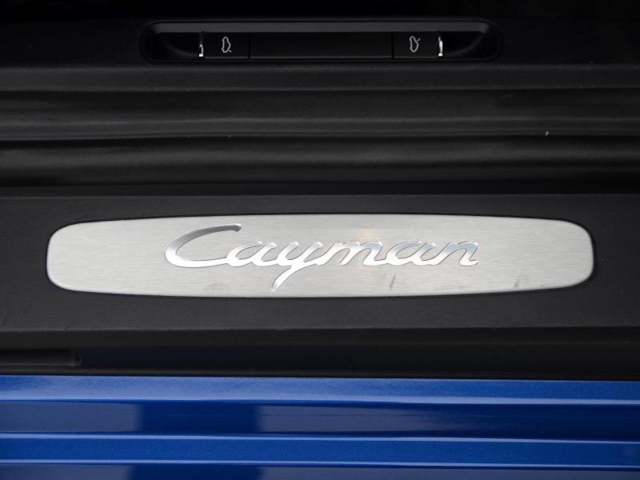
But, for all of its striking design, sparkling driving dynamics and highly efficient drivetrain, the Porsche has to be the first one to go. It’s simply too sparsely-equipped for this price, and doesn’t offer enough power or character to compensate. The entry level certainly isn’t where peak Porsche 718 Cayman value can be found – it’s worth shelling out the extra R 85 000 to upgrade to Cayman S spec, because then you’ll get performance far more in keeping with the Cayman’s finely-honed dynamics.
Proudly slotting into second place is the Mercedes-AMG A45 S 4Matic+. It’s the incongruity of the thing that’s most striking: a small hatchback that will give many a supercar a proper scare from a standstill, endowed with such sophisticated control systems that it transcends its rather humble origins and becomes a true dragon slayer.
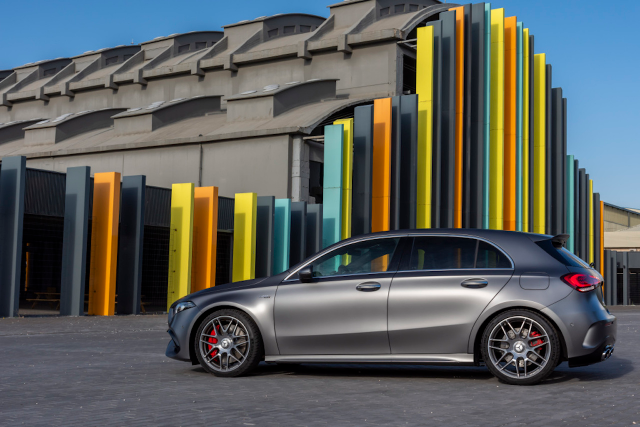
Building on the reputation of the outgoing model, the latest one deploys even more technology to use all that power more effectively. And boy, does it do a great job of that! But, while it’s the quickest car of this bunch, be aware that it’s also the least involving. The A45 cannot match the Supra for handling finesse, let alone approach the Cayman’s exquisite balance.
Which leaves us with the dark horse in this comparison emerging as the winner. At first glance, the Supra’s poor practicality rating and lack of a maintenance plan seem to count against it, but there are some mitigating factors at play. First of all, it goes like stink, with classic rear-drive dynamics playing against loads of grip, predictable responses and sharp steering to turn any fast corner into a source of giggles.
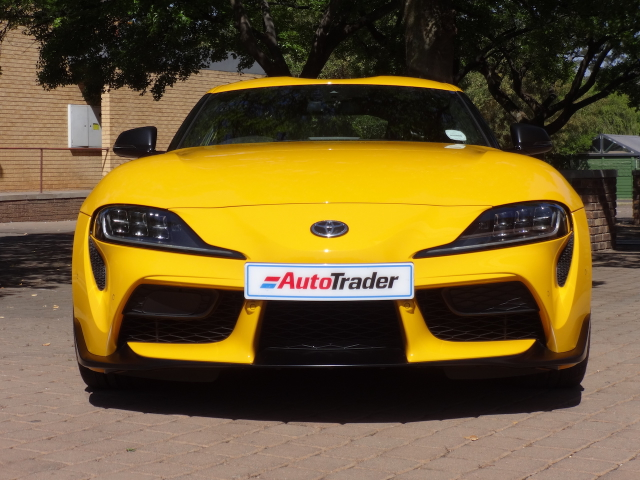
In short, the Supra combines most of the best sporting attributes of both opponents: it’s relentlessly quick in a straight line, a joy to fling around corners, has eye-catching styling, and vast, untapped tuning potential. As a performance car all-rounder, the Supra simply has to take the title from both of these opponents. Especially if you live your life one quarter mile at a time...
* Pricing was accurate at the time of writing, but may change without prior notice.
Recommended Next:
Shop for new and used Porsche 718 Cayman cars for sale here.
Shop for new and used Toyota GR Supra cars for sale here.
Shop for new and used Mercedes-Benz A45 cars for sale here.