
Kia Picanto vs Hyundai Grand i10 vs Fiat 500: which one is the best value for money?
We’ve compared the least-expensive Kia Picanto to two budget-priced opponents before, and concluded that higher-trim Picantos offer much better value propositions than the entry-level variant. Now it’s time for a re-match, this time putting a higher-spec Picanto up against its Hyundai Grand i10 cousin and the Fiat 500 in a city car value comparison. Which one offers the best value for money?


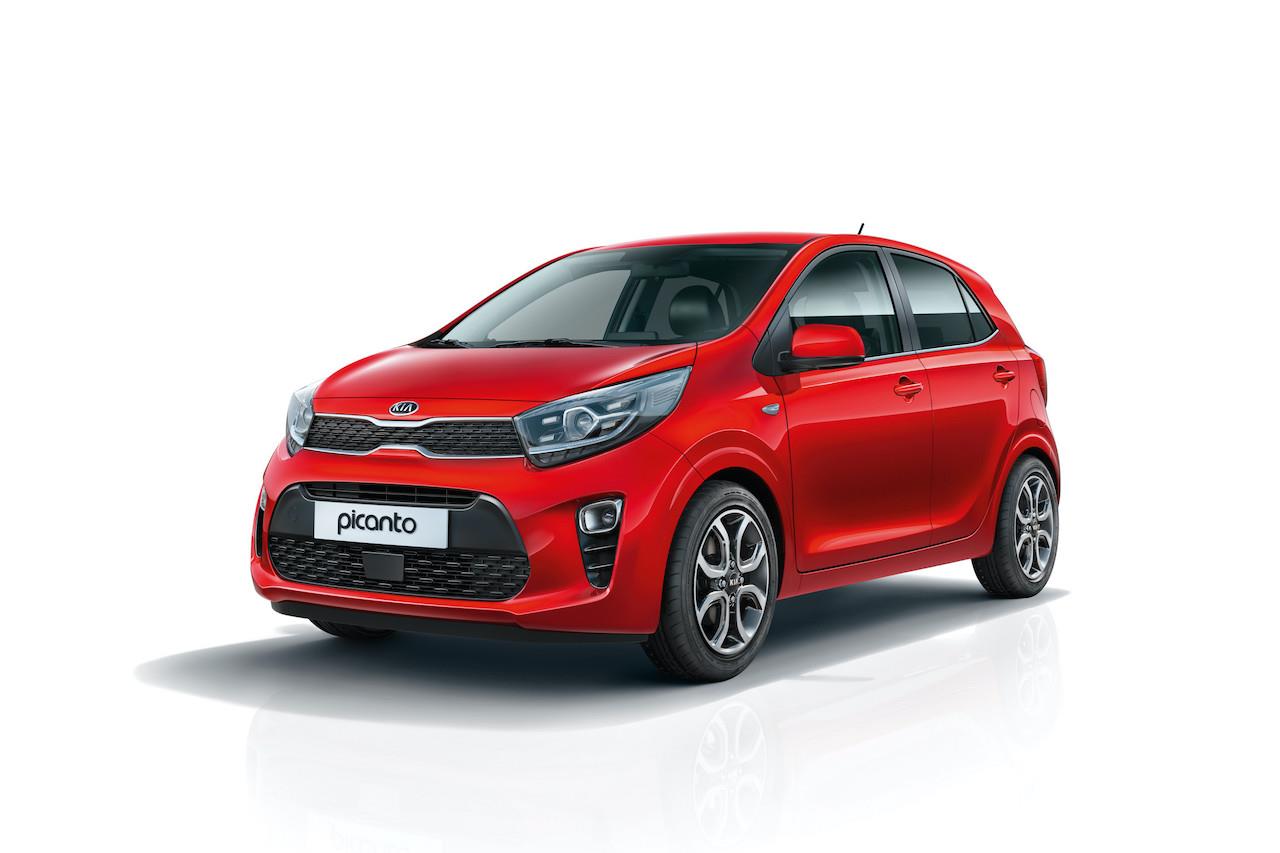
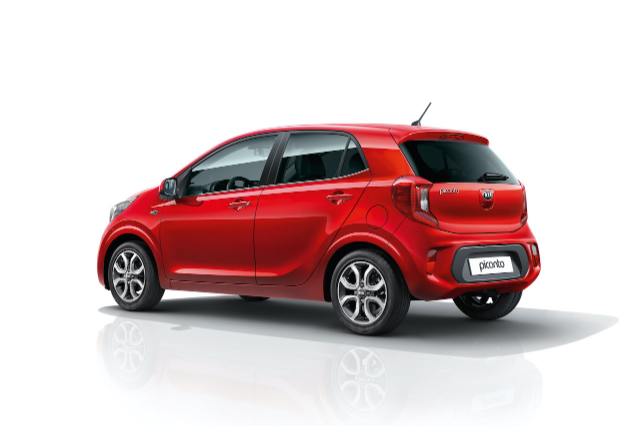
Kia’s Picanto sets the baseline for this comparison, but this time, we’re looking at the top-level Smart trim. We selected the plushest Picanto with the 1.2-litre engine, because it has some large-car features and offers the performance it would need to keep up with these two opponents. Kia also offers a Picanto 1.0-litre Smart, for those who appreciate a good gadget count and don’t mind pedestrian performance.
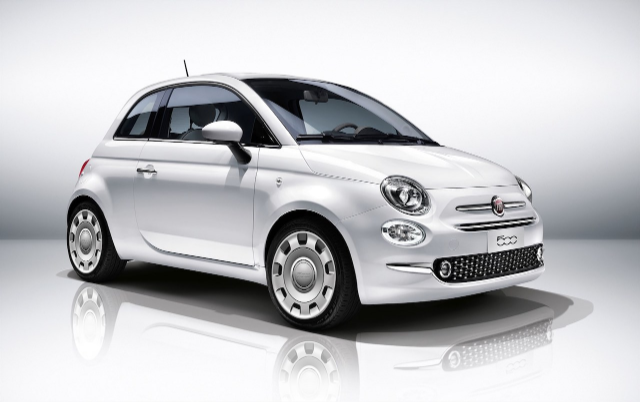
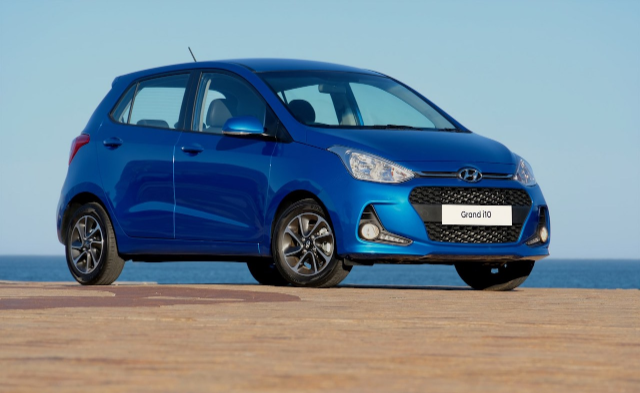
From the funky side of the city car spectrum, we have the Fiat 500 in entry-level form. Completing our trio is the practical, high-value first-generation Hyundai Grand i10, seen here in top-level 1.2 Fluid trim. There’s a new-generation Grand i10 due soon, but until it arrives, the outgoing model still offers a solid value proposition and very good resistance to depreciation. But which one of these city slickers offers the best value for money?
Related: Top 5 things you need to know about the next-generation Hyundai Grand i10.
Facts and figures:
First, let’s look at the key numbers:
|
Kia Picanto 1.2 Smart |
Hyundai Grand i10 1.2 Fluid |
Fiat 500 TwinAir Star |
|
|
Engine size (cyl/size) |
4-cyl, 1.2-litre petrol |
4-cyl, 1.2-litre petrol |
2-cyl, 0.9-litre turbopetrol |
|
Power/Torque |
61 kW/122 Nm |
64 kW/120 Nm |
63 kW/145 Nm |
|
Kerb Weight |
961 kg |
1 051 kg |
930 kg |
|
Length (mm) |
3 595 |
3 765 |
3 546 |
|
Airbag count |
2 |
2 |
7 |
|
Load Volume |
255 – 1010 litres |
256 – 1202 litres |
185 – 688 litres |
|
Top Speed (km/h) * |
170 |
168 |
173 |
|
Ave Consumption * |
5.0 ℓ/100 km |
5.9 ℓ/100 km |
4.0 ℓ/100 km |
|
Warranty |
5 yr/Unlimited km |
5 yr/150 000 km (vehicle); 7 yr/ 200 000 km (drivetrain) |
3 yr/100 000 km |
|
Price |
R 230 995 |
R 219 900 |
R 219 900 |
* Manufacturer's official claimed figures.
Analysis
Power, performance, and drivetrains
Given that the Hyundai and Kia share their basic hardware, it’s logical that their outputs will be similar. The Hyundai version of this “Kappa” engine is tuned for slightly more top-end power, while the Kia version is optimised for more low-rev torque and lower fuel consumption. Either way, it’s a 1.25-litre non-turbo 4-cylinder petrol unit with 61 kW/122 Nm in the Picanto, and 64 kW/120 Nm in the Grand i10. We’re considering the 5-speed manual variants of both here, but a 4-speed automatic is also available.
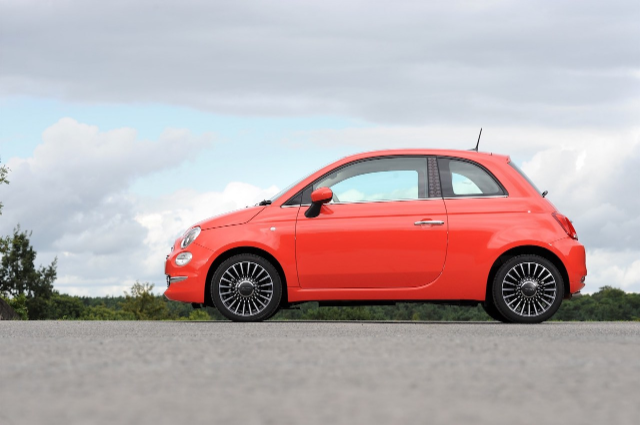
The Fiat 500 takes a very different approach for its drivetrain, and features an inline 2-cylinder engine, turbocharged and equipped with variable valve lift and variable valve timing. This thrumming little mill produces 63 kW and 145 Nm, making its peak torque the highest in this group. Apart from some boost lag on take-off, the unusual engine works very well in the Fiat 500, and endows it with a surprising turn of speed.
Seeing as these cars weigh roughly the same and have similar engine outputs, their performance is largely comparable. The Fiat is however the quickest one here, thanks to its feathery kerb weight (the lightest car here) and torque advantage. Its claimed 0 – 100 km/h sprint in 11 seconds is commendable, and leaves both of the Koreans behind.
The Hyundai has more slightly power but also weighs a little more than the Kia, giving a 0 – 100 km/h sprint in a claimed 12.2 seconds. The Picanto might be slightly quicker due to its lower weight (compared to the Hyundai), and we estimate 12 seconds flat at the same metric (Kia doesn’t quote these performance figures for the Picanto). Either way, neither can quite keep up with the Fiat on performance, which hands the cuddly little Italian its first category win.
Related: Top 3 features that stand out about the Fiat 500.
Economy
The Fiat’s boosted, downsized engine really makes its presence felt in the economy stakes as well, and posts considerably lower average fuel consumption claims than the Koreans. It’s not that the Picanto’s claimed 5.0 ℓ/100 km is disappointing (far from it!), but it’s simply no match for the Fiat 500’s claim of 4.0 ℓ/100 km.
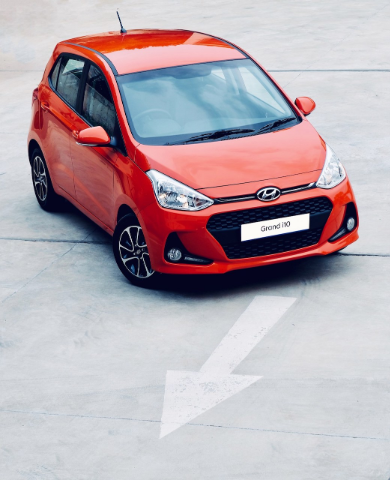
This gives the 500 another category win, with the Picanto slotting into a still-admirable second place. The Hyundai Grand i10 trails quite badly, with a claimed average figure of 5.9 ℓ/100 km –a little disappointing for such a small and light car with an engine which can clearly do better.
Related: This video review highlights 5 great things about the Kia Picanto 1.2 Smart.
Practicality
The Hyundai stages a comeback here, but not to the extent that its larger overall size would have you believe. With the rear seat in use, the Grand i10’s boot is exactly 1 litre larger than that of the Kia Picanto, with 255 litres available in the Kia, and 256 litres in the Hyundai. Folding their rear seats flat liberates 1202 litres in the Hyundai, compared to 1010 litres in the Kia – that would be the Grand i10’s length advantage coming into play.
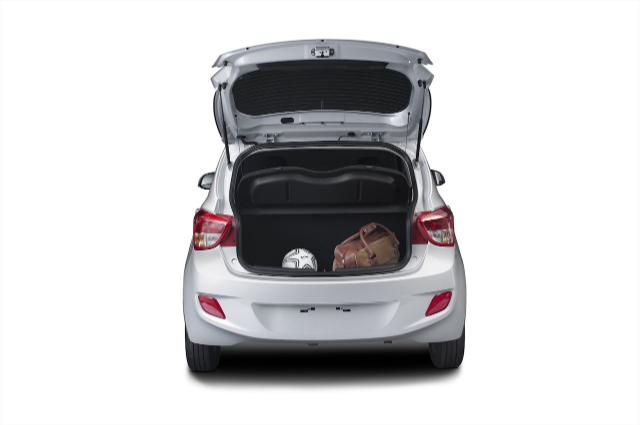
The Hyundai also scores on cabin space, with the most room available for rear-seat occupants. The Kia, with its shorter wheelbase, is outclassed in this department, but it’s still nowhere near as compromised as the Fiat. Under the Fiat’s tailgate is a tiny boot, with only 185 litres available behind the rear seat. Flip down the seat, and it grows to a laughable 688 litres.
It’s not like rear-seat passengers in the Fiat 500 will be at all happy, either. For starters, they’ll have to contort into strange shapes to get in - the front seats fold/slide out of the way, but passengers still have to make it past the B-pillar to get into a rear seat with limited leg- and headroom. Front-seat occupants will be considerably happier, because there’s enough room in front for even large adults.
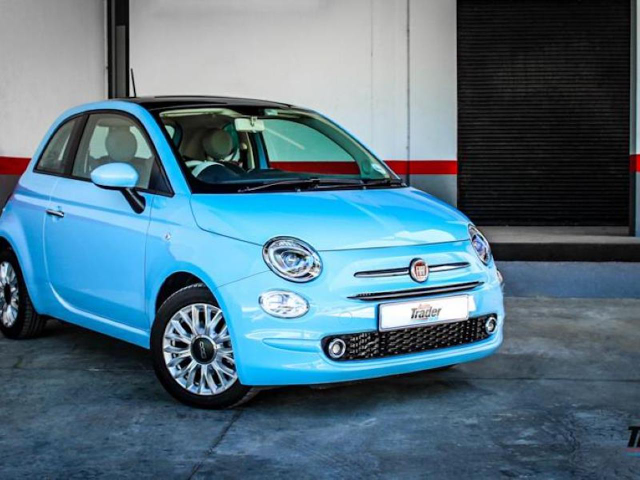
This makes the Hyundai Grand i10 our practicality champion, quite a way ahead of the Kia Picanto, and from a different world when compared to the Fiat 500. If the 500 has to seriously stumble at any single criterion, this would be it.
Related: Our review of the Hyundai Grand i10 almost gave it full marks.
Equipment and safety
The Picanto Smart and Grand i10 Fluid have similar standard equipment, but the Kia has a slight upper hand between the two relatives in this department. They both have colour touchscreen infotainment systems, electric windows all round, remote central locking and manual air-conditioning.
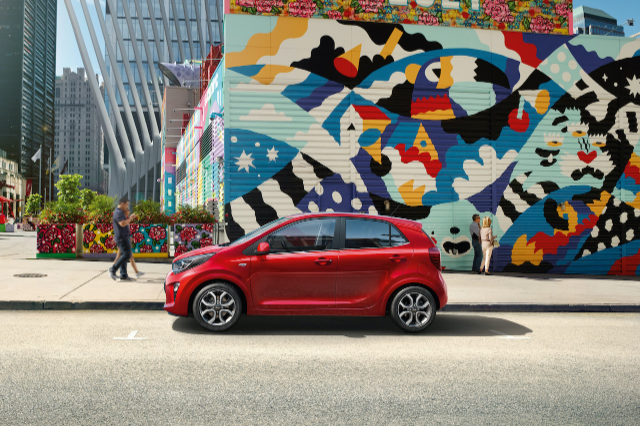
The Kia adds some larger-car niceties in Smart trim, such as LED front DRLs and LED rear light clusters, a sunroof, and 15-inch alloy wheels. Buyers who are prepared to forego these items would be pretty happy with the upper-midrange Picanto 1.2 Style, however, because it offers the same main convenience features without extra frosting, for a good R 21 000 less. One strange omission on the Picanto Style is a rear-window wiper, which is only standard on the range-topping derivative.
The Fiat 500 blows them both into the water with its standard spec sheet, though. Even in entry-level “Star” trim as seen here, the 500 has rear parking sensors, cruise control, auto-on/off wipers and headlights, a rear wiper (!), a fixed-glass sunroof, automatic climate control, and 16-inch alloy wheels – in addition to the bare necessities featured in the Hyundai and Kia. Maybe the Fiat 500 is so cramped inside because they stuffed it with so many features?
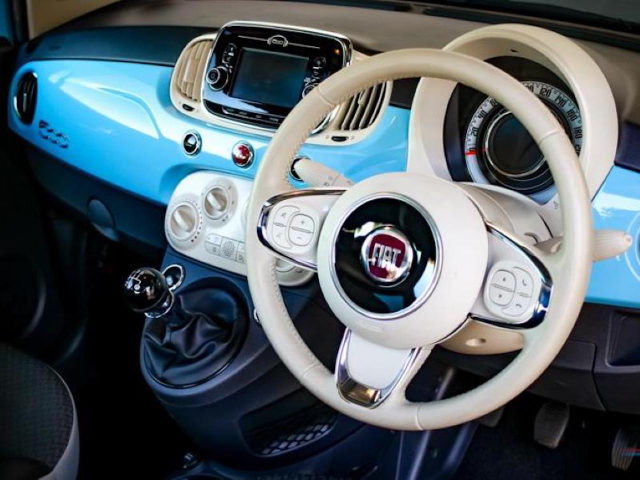
The Fiat also boasts a much more-comprehensive safety equipment sheet. It is the only car here with stability control, and the engineers somehow managed to squeeze 7 airbags into the interior panels. In contrast, the Hyundai and Kia both make do without stability control and have only 2 airbags apiece. They all have ISOFIX child seat anchors and ABS as standard, but the Fiat 500 just has to walk away with the honours here too, with a draw for second place between the Kia and the Hyundai.
Related: If safety is a priority for your city car purchase, you need to see this review of the Peugeot 108.
Warranty and service plans
The Fiat 500 has the weakest warranty here (3 years or 100 000 km), and it has to make do without any service plan at all. Both the Hyundai and Kia offer service plans for 2 years or 30 000 km, so their advantage in this area is marginal, but it’s there, nonetheless.
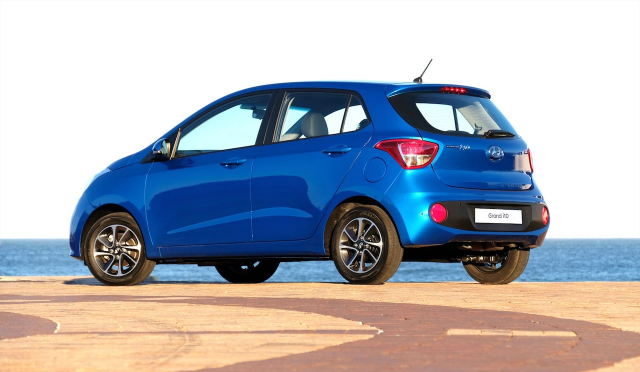
The Hyundai has an excellent warranty, though: 5 years or 150 000 km for the car itself, and 7 years or 200 000 km for the powertrain. The Kia does well in this arena too, with a 5 year/unlimited mileage warranty, but it’s no match for the Hyundai.
Verdict
We certainly didn’t expect this verdict when we started researching this article, that’s for sure. Initially, we wondered which one of the two Koreans would win, because they each have some strong suits. However, keeping to the Kia Picanto 1.2 Smart would see it slip into third place here, because it struggles to justify its R 11 000 price premium over the Grand i10 Fluid. Yes, a sunroof is nice to have, and so are big alloy wheels and LED trinkets, but the nitty-gritty stuff that matters is, for all intents and purposes, identical to the Hyundai. Except that the Kia has less utility- and cabin space, that is...
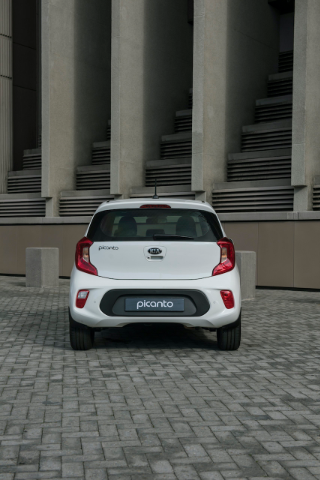
That’s where the Picanto Style comes in: it undercuts both the Fiat and the Hyundai by about R 10 000, has the same great warranty and a service plan, and almost matches the Hyundai on standard equipment. This would be the sweet spot in the Picanto range, then: Style trim, with the 1.2-litre engine.
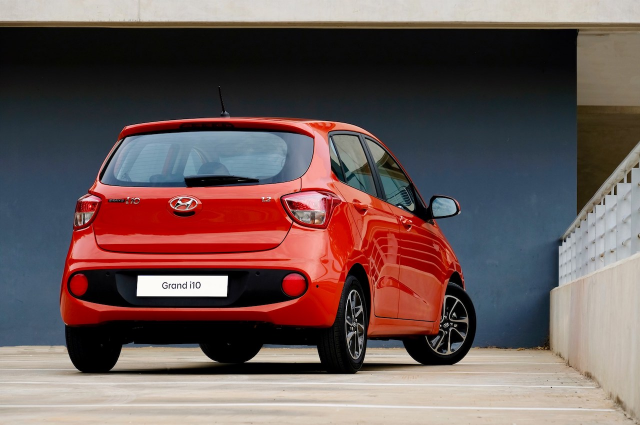
The Hyundai’s very strong warranty, competitive specification level, and superior practicality pushes it into second place here, and it would grab the winning spot if the ability to carry more than two occupants or lots of luggage is a priority. If this is the case, the Hyundai Grand i10 still offers an excellent combination of space, features, and affordability, all of which also bodes well for its upcoming replacement.
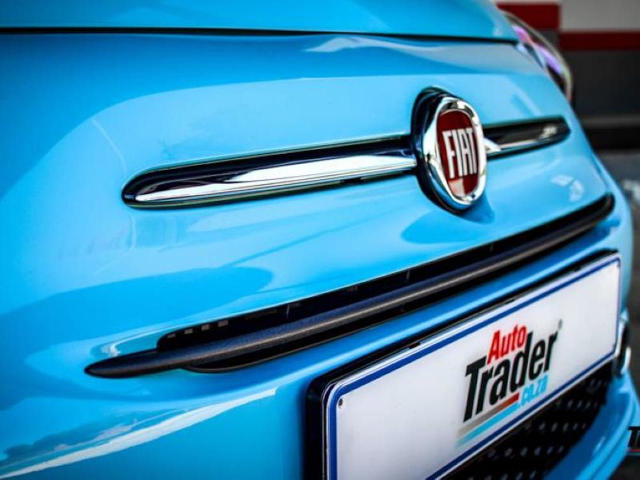
However, the Fiat 500 smashed our predictions in the end. It has an excellent blend of features, performance, fuel economy, and safety features, and its only downfalls are compromised practicality and the lack of a service plan. However, seeing as the other two have such meagre plans anyway, this may just be an irrelevant factor. If you never cart around more than one passenger and want great value for your money, the Fiat 500 Star has to be on your shopping list – who knows, you may just fall for this Italian charmer.
Related: Is the Fiat 500 an unbeatable city car recipe? Our review has the answer!
* Pricing was accurate at the time of writing, but may change without prior notice.
Recommended Next:
Shop for new or used Kia Picanto cars for sale here.