
How is the Toyota Corolla Cross performance?
Bigger engines mean more power, right? While that used to be the case, modern vehicle engines have come a long way and now you're able to get a lot more power from considerably smaller engines. This helps you save fuel and reduce maintenance costs as well. Find out how the Toyota Corolla Cross performs on the drivetrain front.


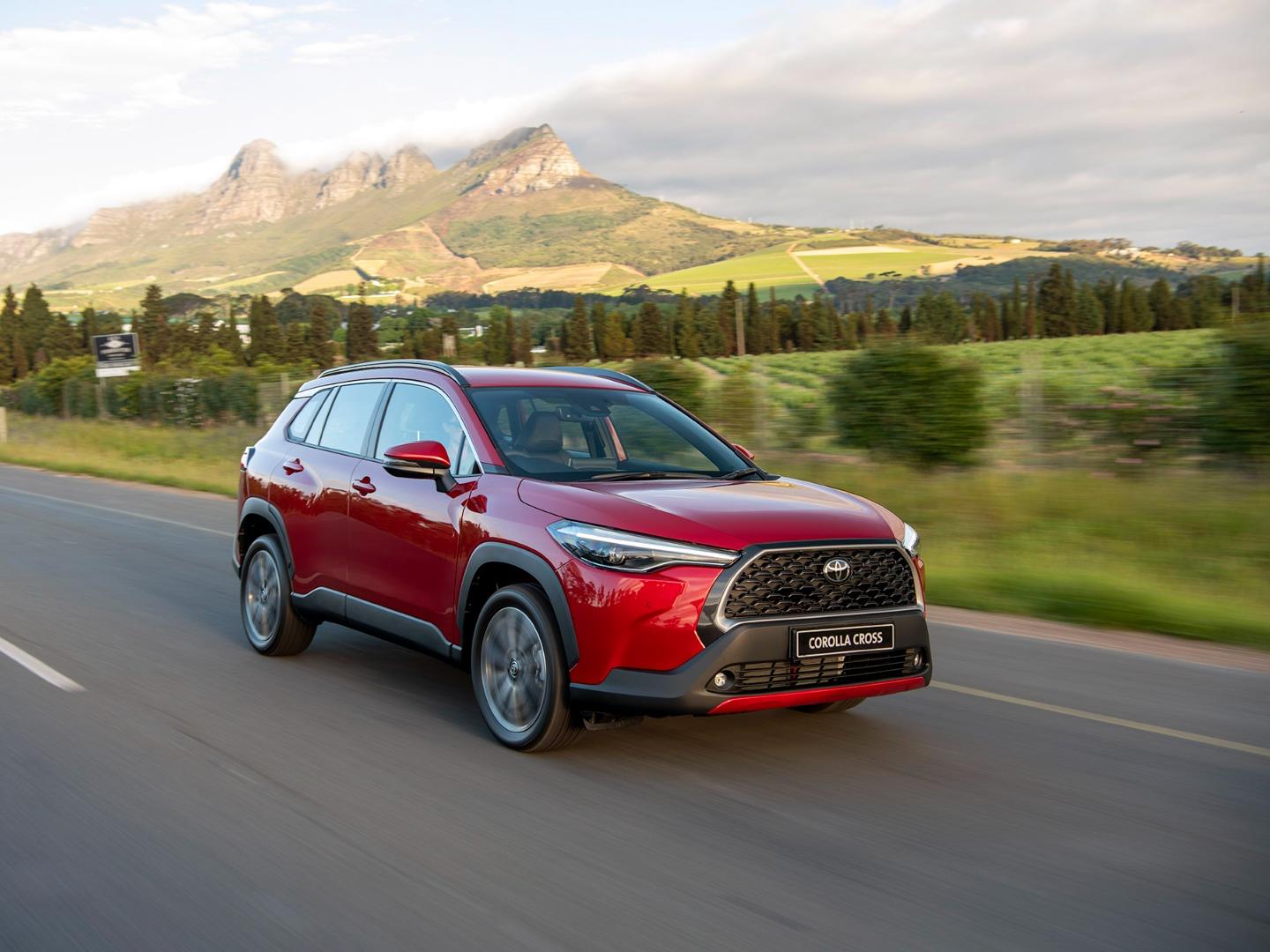
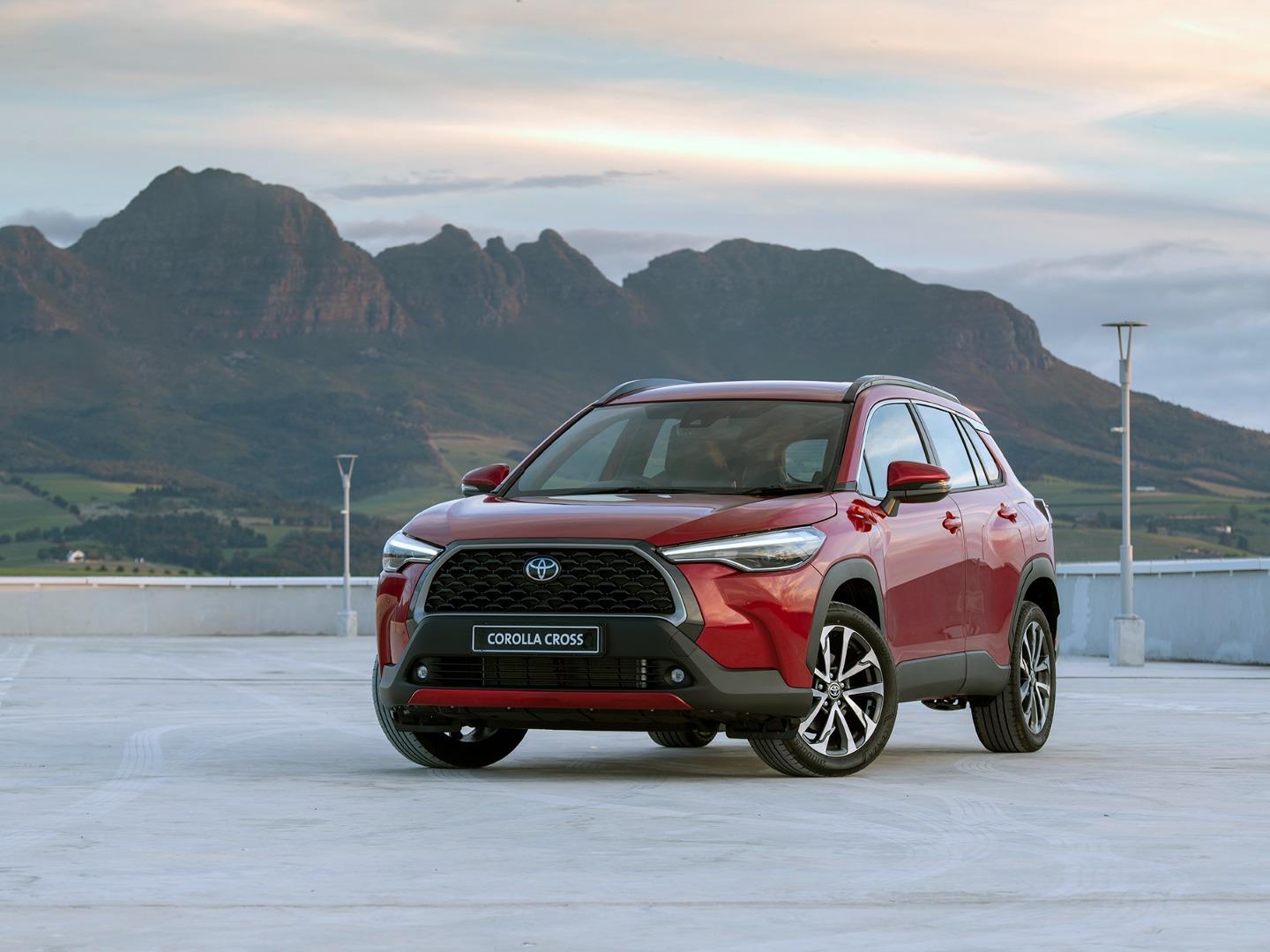
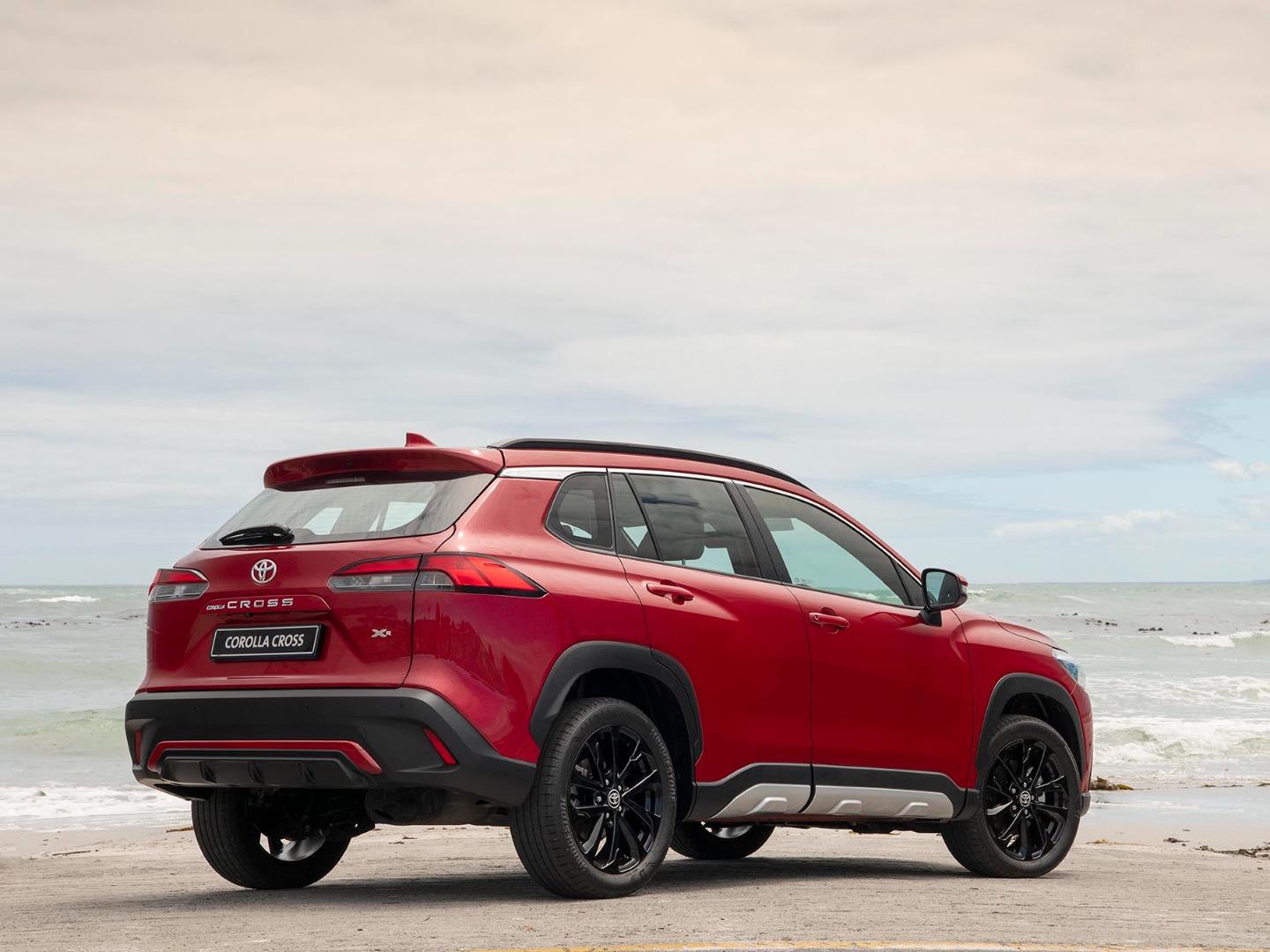
The Toyota Corolla Cross was an instant hit when it was first released, and it's easy to see why. Suddenly, you were able to buy a decently sized vehicle for small vehicle money and it came bundled with a badge that you could trust and rely on. Light enough on fuel with enough power to keep you content, the Toyota Corolla Cross is arguably the sweet spot of South African motoring right now. It doesn't hurt that it's attractive and safe too!
Related: Top 3 things you need to know about the Toyota Corolla Cross
We all look for different things in a vehicle and that's the very reason why we have so many different brands, models and types; there's no one-size-fits-all solution to mobility. Some people place more emphasis on fuel economy than safety, while others prefer practicality over ride comfort. If you're concerned about a vehicle's performance, then you may be more interested in the facts and figures provided by the range of engines in the Toyota Corolla Cross.
Toyota Corolla Cross range
The Toyota Corolla Cross is available in four distinct trim levels; Xi, Xs, XR, and GR-Sport. Add the choice of two engine and drivetrain options and you have a total of 7-different trims to choose from.
All trim levels are available with the 1.8-litre naturally aspirated 2ZR-FE 4-cylinder engine. This power unit develops 103 kW at 6 400 RPM with a total of 172 Nm torque at 4 000 RPM. Toyota doesn't supply 0 to 100 km/h acceleration times for the Cross but independent testers have tested this one at 9.2 seconds with a supplied top speed of 185 km/h.
The Corolla Cross with the 1.8 petrol engine weighs in at 1 325 kg unladen, making for a vehicle that feels sprightly and nimble. This engine is paired with a CVT gearbox with a 7-step program to simulate traditional automatic gear changes (A CVT gearbox provides a seamless transition from one ratio to another).

The second powertrain combination on offer is the 1.8-litre Hybrid version. This model uses a 1.8-litre, 4-cylinder, naturally aspirated petrol engine that employs a Miller Cycle for improved efficiency. This 2ZR-FXE engine is supplemented by an electric drive system that self-charges and intuitively switches between petrol, petrol/electric combination, and full-EV mode without requiring user intervention.
The Miller Cycle arrangement results in a power output of 72 kW from the internal combustion engine (ICE) with an additional 53 kW from the electric motor for a total output of 90 kW (compensating for losses). The torque output for this version is 142 Nm with an additional 163 Nm provided by the electric motor. This version is said to be capable of doing the 0 to 100 km/h sprint in 7.5 seconds.
This version is slightly heavier due to the 6.5-Ah nickel-metal hydride battery pack and tips the scales at 1 385 kg. It has a top speed of 175 km/h.


