
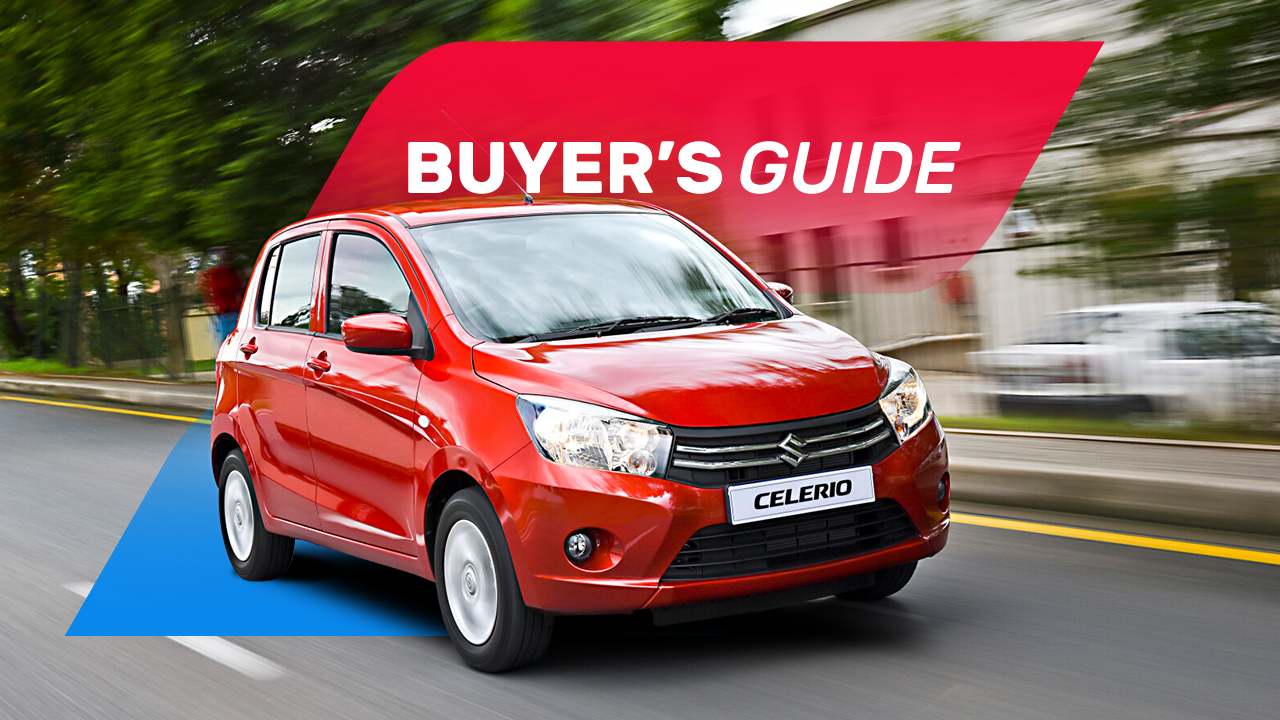
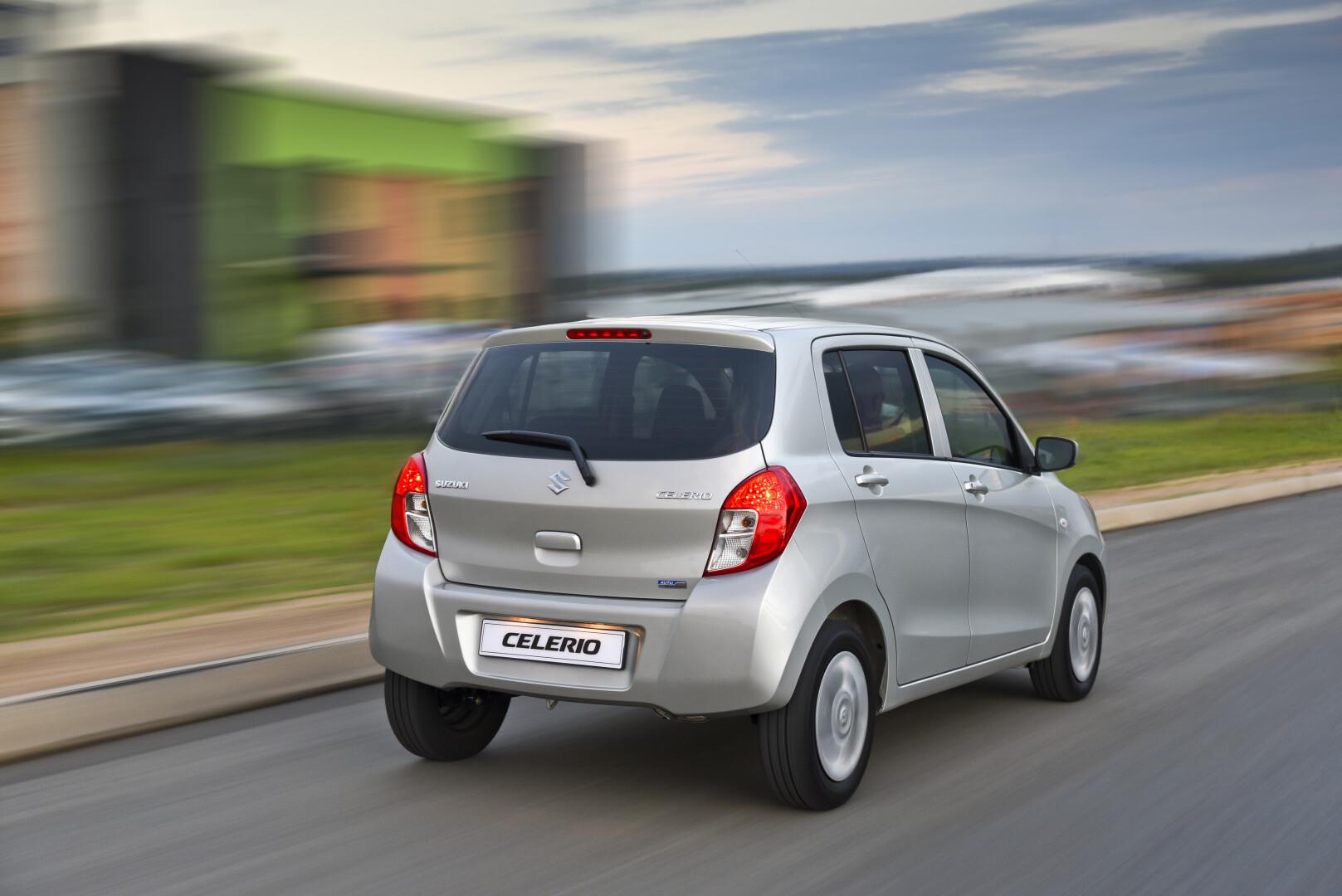

The Celerio was part of Suzuki's strong small-car offensive upon its return to the country. As far as budget cars go, this generation was cheerful, dependable, and most of all, didn't make the bank account stress. Youthful styling and a reasonable spec also made this a desirable vehicle for students and those looking for a frugal runabout. Let's take a look at what you need to know about the Suzuki Celerio.
Related: Suzuki Swift Buyer's Guide (2008–2026)

Suzuki Celerio Line-up
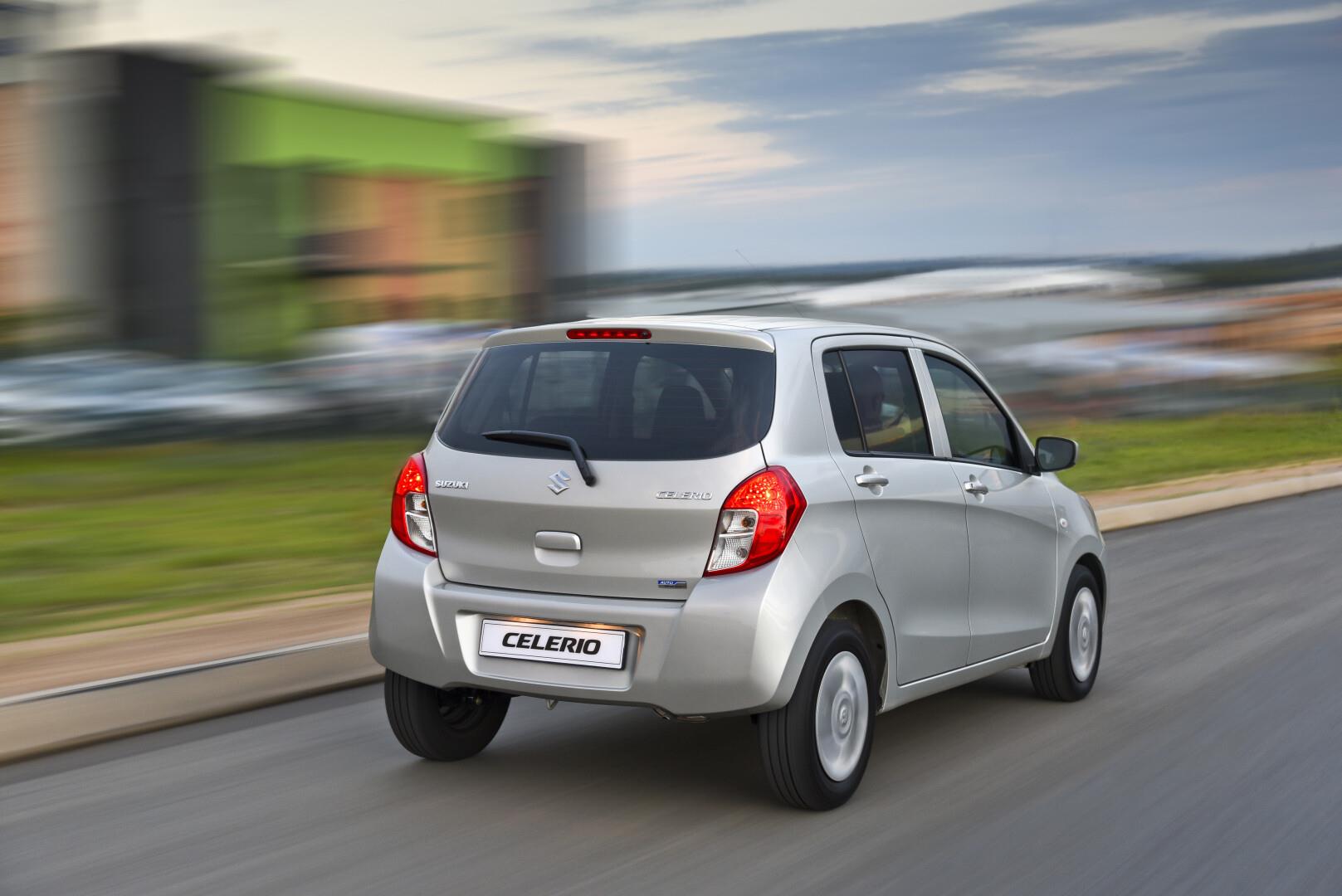
The second-generation Suzuki Celerio debuted in South Africa in 2015. Internally, this generation is referred to as the FE. We received the Maruti Suzuki Indian-manufactured version, but other markets saw the Thailand- and Pakistan-built versions. The line-up was kept fairly simple for the South African market, with a single petrol engine, but two transmissions were available as options.
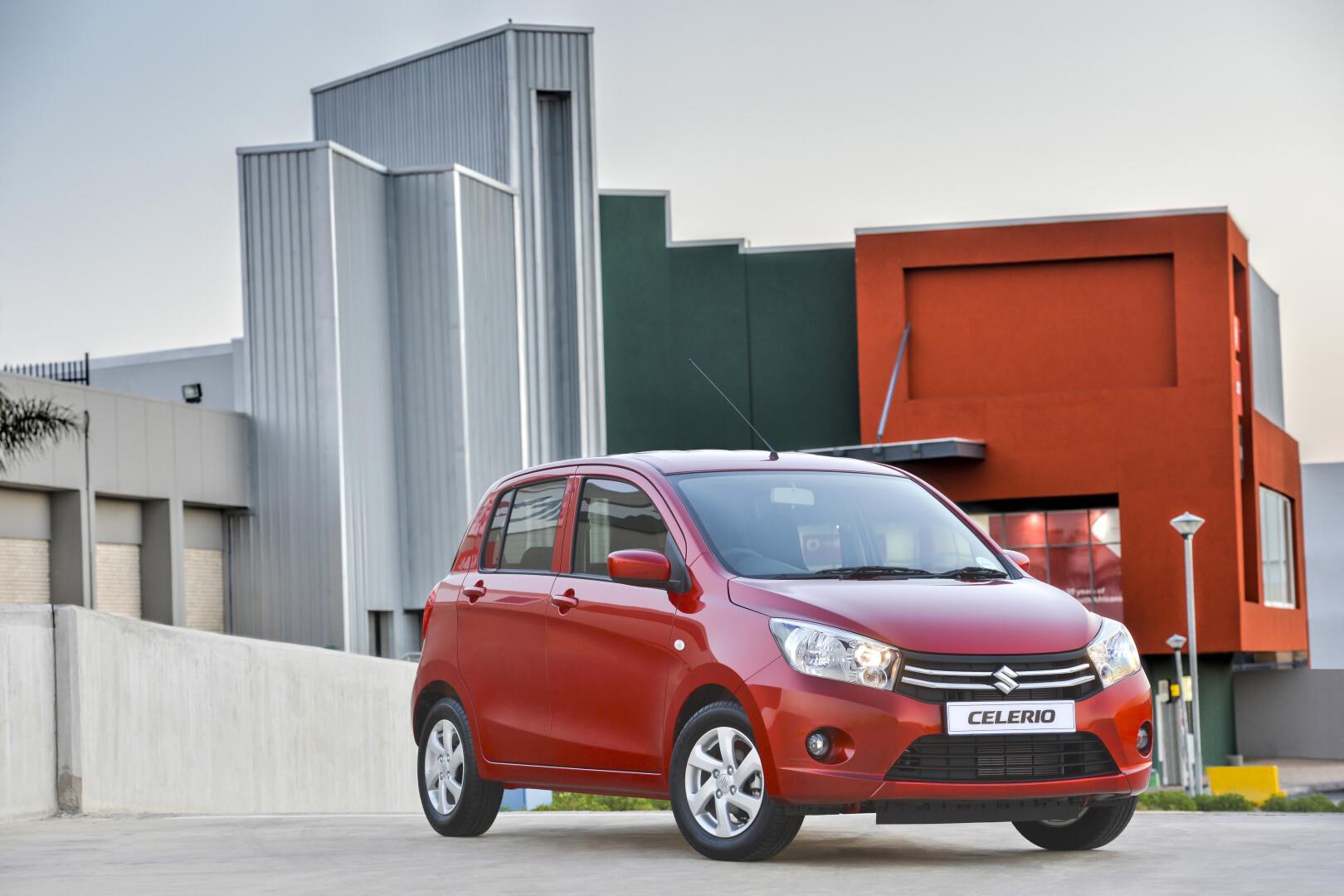
Variants
1.0 GA - Entry-level variant. This came equipped with 14-inch steel wheels with hubcaps, black plastic mirrors and door handles, a bare dashboard without contrasting trim, manual windows, no radio head unit, but wiring and speakers were present, and no rev counter.
1.0 GL - The top spec model. This came equipped with 14-inch alloys, front fog lamps, body-coloured door handles and side mirrors, upgraded seat upholstery and interior trim, electric windows all round with electric side mirrors, remote central locking, a factory radio with CD, USB, Bluetooth, and steering wheel controls. Finally, a rev counter is present.
Engine Descriptions, Strengths and Weaknesses
This generation of Celerio received petrol and diesel engines. In South Africa, though, we got a single petrol engine from the Suzuki K-Series family. You can't go wrong with the K-Series engines as they're notable for being bulletproof.
K10B
This is the engine of choice for the Celerio. The K10B is a 3-cylinder 1.0-litre petrol engine with aluminium construction. The K10B is fuel-injected and chain-driven. Power outputs are modest at 55 kW / 90 Nm, and claimed fuel consumption is frugal at 4.7 L/100km for the manual and 4.6 L/100 km for the AMT.
Strengths
This is a properly robust power plant that, with proper maintenance, can last a long time. They also like to be revved.
Weaknesses
Improper maintenance can compromise the cooling system. The block doesn't take well to overheating, as do most engines. Age-related issues crop up, such as seals failing. Oil consumption can happen over 200 000 km, which is normal.

Transmissions
- 3MT3 5-speed manual - Found in the GA and GL variants. These are fairly strong transmissions that will generally withstand the usual gearbox wear and tear as mileage increases.
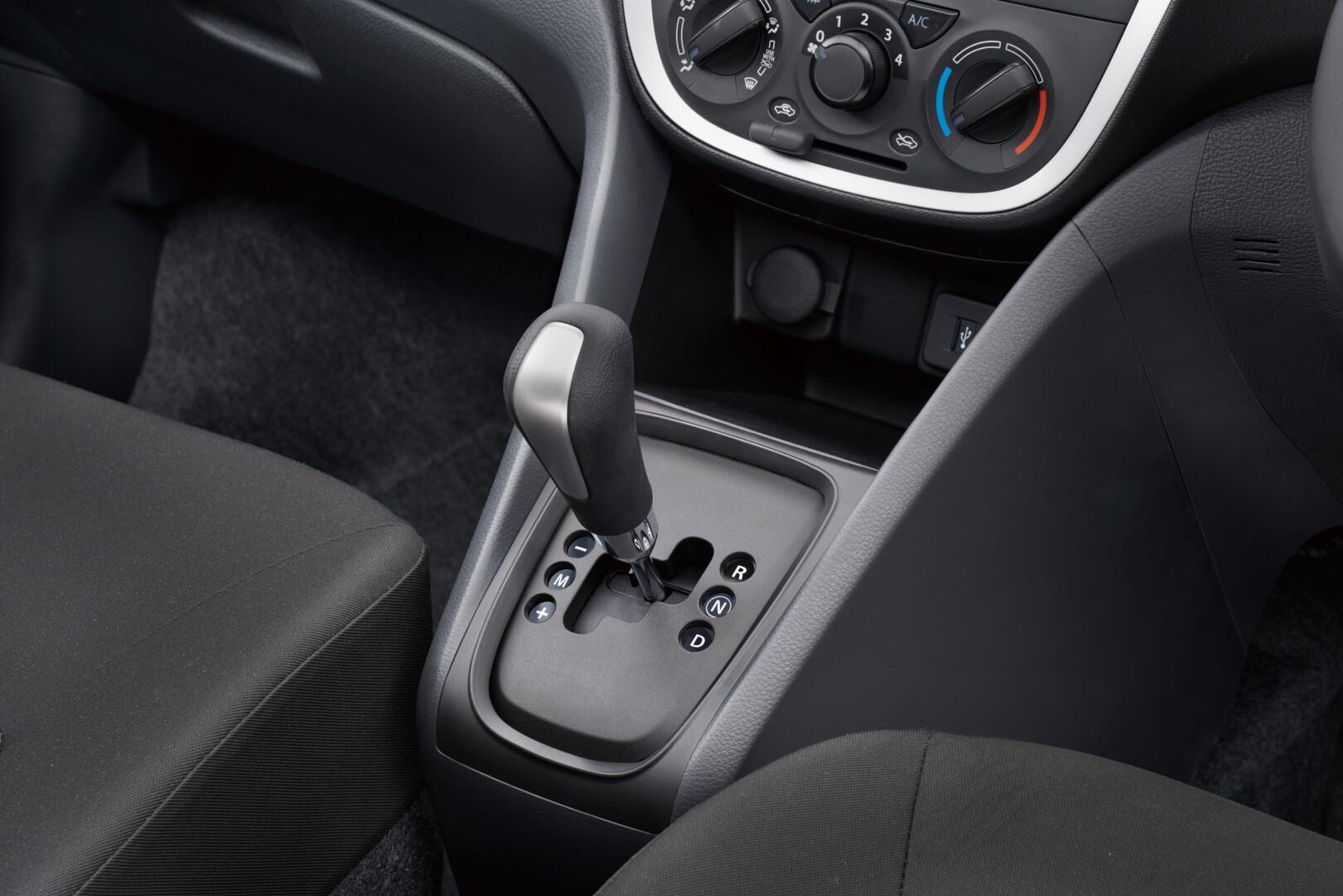
- 5AGS - 5-speed Automated Manual Transmission - Found in the GL variant, if driven and maintained correctly, it can be a robust transmission. They do require more maintenance than the above 3MT3, including gear oil changes and clutch assembly replacements based on driving conditions. A common problem is accumulator failure, which shows up as a fault code and improper gearbox operation.

Exterior and Interior Information
This is a budget vehicle, so one would expect budget cuts in some areas. The Celerio does suffer from the niggles that thinner paint tends to have. The cabin is made of harder plastic that can be scratchy but still stays intact. The Celerio's cabin can develop rattles over time. The seat upholstery, though durable, can become wavy, and the seat bolster sponge is prone to collapse over time. This is typical of budget cars, though.
Spare Parts Availability and Servicing
One thing praised about the Celerio is its ease of maintenance. Service kits are readily available from both OEM and Aftermarket supplies. This vehicle is also quite cheap to service, since its engine is simple to work on. There's not a whole lot to go wrong.
Routine servicing can be handled by either the OEM or RMI-approved workshops.
Body parts for this vehicle are also available from aftermarket suppliers at reasonable prices.

Running costs per engine
| 1.0l K10B | |
| Claimed fuel economy (Combined Cycle) | 4.7l /100km (Manual) 4.6l /100km (AMT) |
| Routine Service Cost | Low |
| Risk of Catastrophic Failure | Unlikely if properly maintained. The AMT gearbox needs more attention than the manual, though. |
| SA Parts Availability | Available |
| Cost of ownership verdict | Reasonable on a budget |

Suzuki Celerio Test Drive Checklist
Here are some things to pay attention to apart from the usual test drive checklist:
High Priority
- For the AMT, ensure that the gearbox is smooth without jerky operation. Check for any warning lights and the last gearbox oil change date.
- For higher mileage examples, check for leaks in the engine bay.
- Check for any history of overheating.
Low Priority
The Celerio is quite durable, but check things like the radio, windows, and other electrical systems to ensure there are no gremlins. If available, have someone with a computer diagnostics machine check for any error codes.

General Car Buying Advice
Tyres: Ensure the tyres are from a reputable brand, as this is often a sign of a well-maintained car. If the owner/dealer cuts corners by purchasing cheap tyres for a vehicle, that should ring alarm bells about where else they cut corners.
Modifications: A modified car poses a significantly greater risk than a used car purchase compared to a standard model. A person who modifies their performance vehicle generally drives it more aggressively, increasing the risk of potential issues. The Celerio isn't notorious for modifications, but is susceptible to being lowered for style. Ensure that, if that is the case, the underside of the vehicle is in good nick.
Service history: The Celerio can provide many years of reliable service, provided it has been serviced regularly with high-quality oil and genuine or high-quality OEM-equivalent parts. It's best to make sure the vehicle has a full service history. Also, check for any AMT service history.
Accident damage: Inspect the paint and check key welding points under the bonnet and the vehicle's boot to ensure the car has not been in a significant accident. Some spray work on the front and rear bumpers is standard, as dings and rock chipping are minor in the grand scheme of things. This is a budget vehicle, so some paint fade and hazy headlights wouldn't be uncommon. However, if the vehicle's structure has been damaged, it's best to steer clear.

Which Suzuki Celerio is for you?
| Buyer Profile | Recommended Variant | Rationale for the recommendation |
| Runabout | 1.0l GA | If you're not fussed about creature comforts, this will make a solid runabout. |
| Student | 1.0l GL | If you want the essentials and something that will last you beyond your studies, this is the way to go. |
| Learner Driver | 1.0l GA | This will be perfectly apt to learn the basics of driving. |

How much should you pay?
Let's take a look at how much you should be paying for a Suzuki Celerio. Let's look at the launch-year cars, then some newer ones.
2015
| Model | Average Price / Mileage |
| 1.0l GA | (No Information) |
| 1.0l GL Manual | R90 000 / 140 000km |
| 1.0l GL AMT | R140 000 / 120 000km |
2020
| Model | Average Price / Mileage |
| 1.0l GA | R130 000 / 130 000km |
| 1.0l GL Manual | R115 000 / 150 000km |
| 1.0l GL AMT | R115 000 / 80 000km |
*Pricing and mileage stated here is indicative to the market and not conclusive. It is subject to change without prior notice and was checked on 21 April 2026.

Our Verdict, Our Best Pick
Our pick would have to be the 1.0L GL Manual. It's the easiest to maintain and drive, and it's pretty reasonable on your bank account. As mentioned earlier, these Celerios are cheerful little cars. Just make sure they've been properly maintained, and they will serve you well.