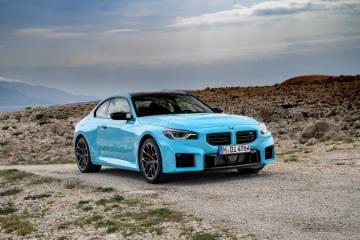
What's happening with BWM's G-Wagon rival?
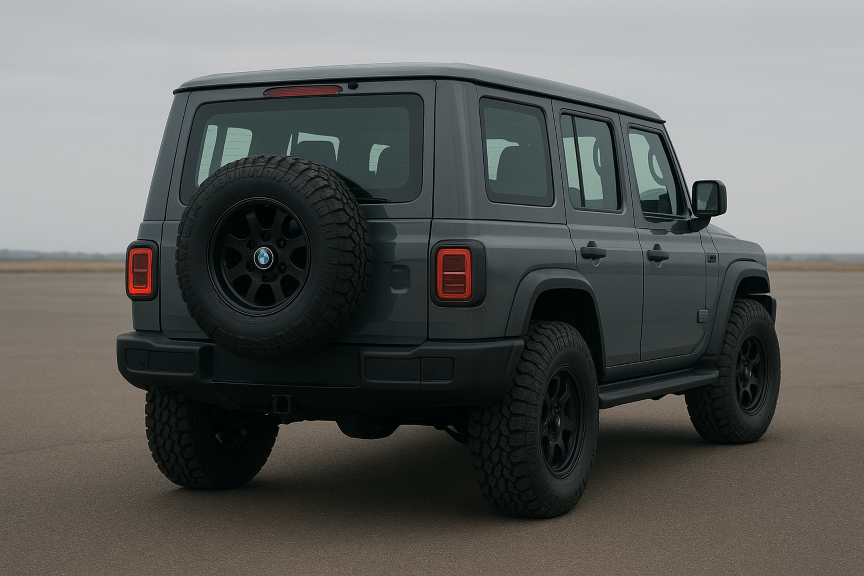
Following our initial report on BMW plotting a direct challenger to the legendary Mercedes-Benz G-Class, the global automotive intelligence network has lit up. Internal leaks, factory schedules, and structural contracts have shed light on BMW’s secret weapon, internally codenamed "G74".

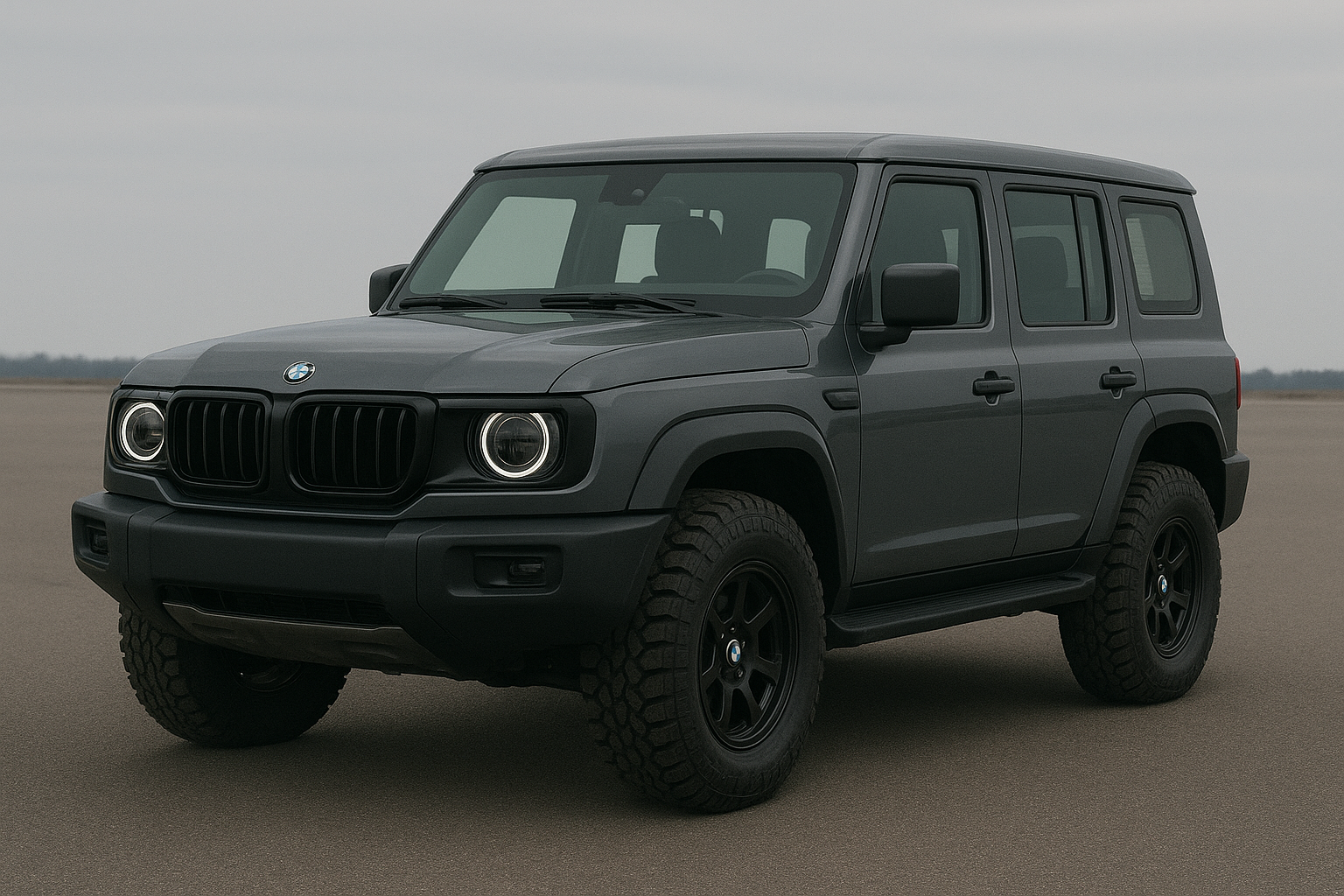

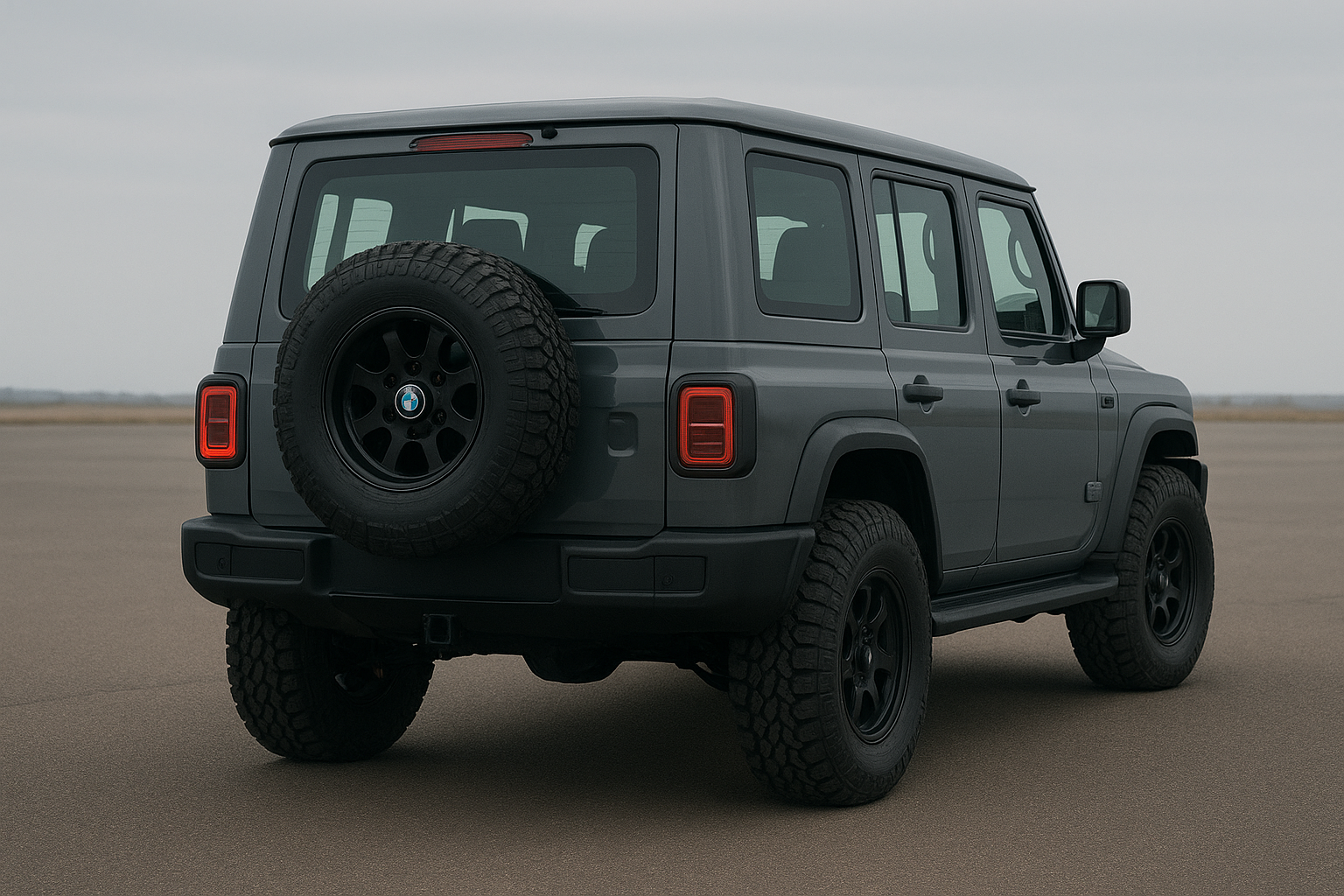
For nearly half a century, the Geländewagen has enjoyed an almost uncontested monopoly on ultra-luxury, high-status off-roading. While the Land Rover Defender and Range Rover command immense respect, the G-Wagon’s boxy silhouette remains the definitive driveway statement from Sandton to Beverly Hills. Now, Munich is officially ready to disrupt the status quo.
The paradigm shift
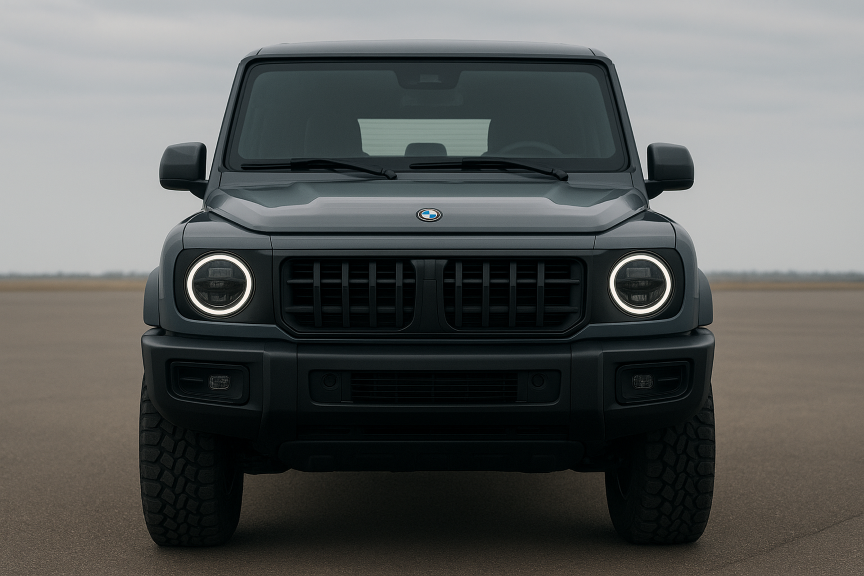
The development of the G74 marks a severe course correction for BMW's halo SUV strategy. Inside sources confirm that this upcoming model will serve as the philosophical successor to the controversial and underperforming BMW XM.
While the XM attempted to combine a heavy plug-in hybrid drivetrain with track-focused, rigid dynamics, global buying trends have shifted dramatically toward ultra-luxury adventure platforms. Rather than chasing lap times, BMW’s next flagship—widely tipped to wear the BMW X9 badge—will target high-margin, ultra-exclusive all-terrain luxury.
Production timeline
The G74 is not a mere design study or concept. Industrial tooling schedules place production firmly in the second half of 2029. Crucially, assembly will take place at BMW's high-capacity Spartanburg facility in South Carolina, USA, keeping it firmly rooted alongside its high-margin sibling, the X7.
Monocoque vs. ladder frame
Purists will instantly note the core architectural divergence between the two German titans. The Mercedes-Benz G-Class firmly retains its old-school, rugged body-on-frame (ladder) chassis—a layout that preserves its mechanical off-road pedigree but introduces compromise in highway dynamics.
BMW is taking a more modern approach, opting for a heavily reinforced, bespoke variation of its CLAR (Cluster Architecture) unibody platform. By implementing high-strength steels and geometric underbody bracing, Munich aims to match the torsional rigidity required for serious off-roading while ensuring the vehicle drives like a true BMW on asphalt. This hybrid strategy directly targets the Land Rover Defender, promising unmatched high-speed long-distance cruising without sacrificing trail prowess.
Off-road potential
To ensure the vehicle is taken seriously next to a three-locking-differential G-Wagon, BMW's engineers are likely overhauling their traditional xDrive all-wheel-drive configurations:
Heavy-duty air suspension: A bespoke, long-travel adaptive air suspension architecture designed to lift the chassis well beyond 280mm for maximum ground clearance.
Mechanical locking differentials: Moving away from pure brake-vectoring traction control, leaks indicate the G74 will feature real electronic-locking centre and rear differentials to tackle serious rock-crawling and deep sand.
Active rear-wheel steering: To manage its massive, boxy footprint in tight urban spaces and narrow mountain passes, standard rear-wheel steering will significantly tighten the vehicle's turning circle.
Drivetrain speculation
BMW management is acutely aware that elite buyers in the Middle East and North America demand internal-combustion flexibility for long-range overland travel. The performance variant will almost certainly leverage a version of Munich’s 4.4-litre twin-turbo V8 plug-in hybrid (PHEV) system, spitting out north of 520 kW to compete directly with the dominant Mercedes-AMG G63.
Concurrently, BMW is keeping a close eye on the slow global adoption of pure-electric utility vehicles like the electric G-Class (G580). Intelligence suggests that, rather than a pure battery-electric vehicle (BEV), BMW is collaborating with ZF on an advanced Range-Extender Electric Vehicle (REEV) platform. This would use an efficient internal-combustion generator solely to power high-torque electric hub motors—delivering instantaneous, independent wheel control over treacherous obstacles.
Inside the G74
Stepping inside, the cabin will depart drastically from current BMW layouts. The G74 will fully adopt the minimalist design ethos pioneered by the upcoming Neue Klasse generation. Expect a completely clean dashboard devoid of physical buttons, anchored by a sweeping Panoramic Vision HUD across the base of the windscreen.
Furthermore, while the Mercedes G-Class remains strictly a 5-seater due to its rear-axle architecture, BMW is maximising its monocoque interior packaging to offer a luxurious three-row, 7-seat configuration, instantly boosting its practical appeal for affluent families.
Luxury 4x4 arms race
| Feature | BMW G74 (X9) | Mercedes-Benz G-Class | Audi Luxury 4x4 Rival |
| Market debut | Late 2029 / 2030 | Available now | Estimated 2030 |
| Chassis layout | Reinforced Monocoque (CLAR) | Traditional Ladder Frame | Shared Scout Ladder Frame |
| Core drivetrains | Straight-6 / V8 PHEV / REEV | Inline-6 / V8 / Pure Electric (G580) | High-Output BEV / Range Extender |
| Manufacturing location | Spartanburg, South Carolina, USA | Graz, Austria (Magna Steyr) | Blythewood, South Carolina, USA |
Interestingly, the ghosts of automotive partnerships run deep here. Magna Steyr, the Austrian outfit that builds the G-Wagon, also helped develop the BMW-powered Ineos Grenadier. BMW is actively leveraging this industrial data to benchmark the G74. Meanwhile, Audi is preparing its own rugged 4x4 using the American Scout EV truck platform, effectively shifting the epicentre of the German luxury off-road war directly to South Carolina.
Estimated Market Positioning
North of R3 500 000 to R4 000 000 at launch
Verdict
While the final sheet metal won't break cover for another couple of years, one thing is certain: BMW is no longer content letting Mercedes rule the high-end off-road scene. The battle for the ultimate luxury off-roader is officially heating up. Stay tuned to AutoTrader SA as more engineering leaks emerge from Munich.