Facebook no script

What are run-flat tyres?

We take a quick technical look at the fabled run-flat tyre to see if you need these on your car

Automotive News

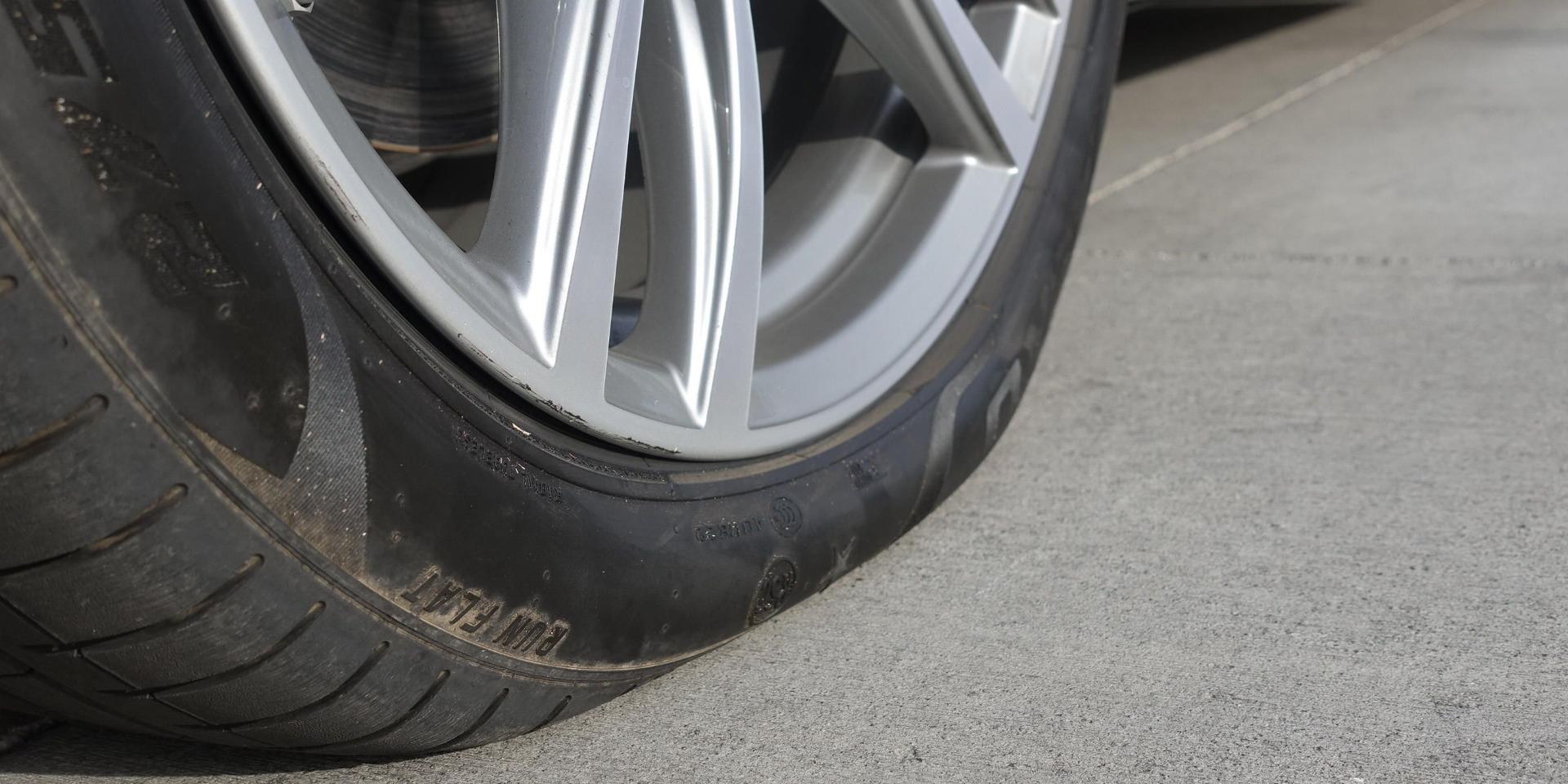
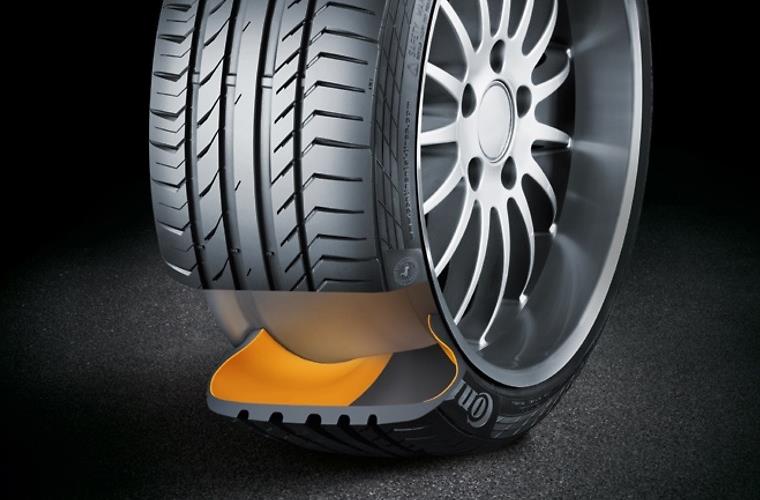
What is a run-flat tyre?

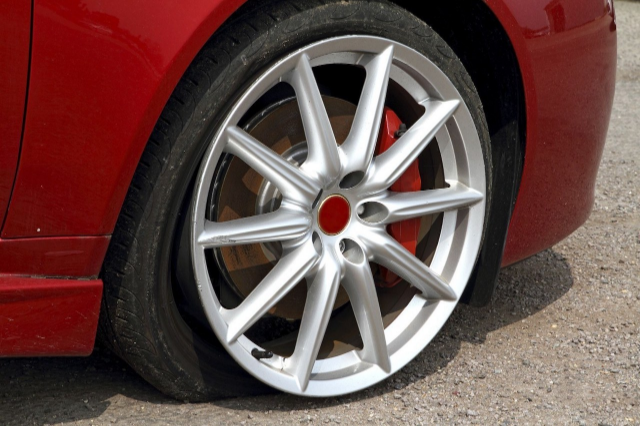
Run-flat tyres are specially designed with an extra thick sidewall and bead that prevents the tyre from coming off the rim de-beading if you happen to get a flat. You can continue driving on the tyre for up to 200km at a slow speed before the tyre completely disintegrates. 

Related: Reasons why a car tyre won't inflate

Due to the type of tyre construction having these fitted from new or replacing them can be a costly exercise and many of the OEM's that fitted them as standard now only offer them as an option.


What are the advantages of having run-flat tyres fitted?

The main advantages of run-flats are time and effort. You don't need to carry a  spare wheel, and if you do get a flat, you don't need to get dirty on the side of the road changing out a wheel. You can just continue driving at a slow speed to the nearest tyre shop and have the unit replaced. There is also a safety factor, here in South Africa many late-night criminal activities will see bandits put debris on the road to cause punctures and then rob unsuspecting motorists who stop to replace the flat. If you run flats fitted this is no longer an issue.


Are there any disadvantages?

The only real disadvantages are the cost. The initial cost of fitment and if you do get a puncture it cannot be fixed and will have to be replaced at the extra cost.


Author - Lawrence Minnie

Written by Lawrence Minnie

Lawrence has been involved with motorsports for almost 30 years. Whether it's two wheels or four, if it has an engine, he will try to race it. This love of motor vehicles has led him to ride, drive, film, photograph, and write about his passion. Freelance for a while but now a permanent fixture on the AutoTrader team for over 7 years, Lawrence contributes written, photographic, and video content for AutoTrader and AutoTrader Bikes.Read more

More categories

All
Automotive News
Buying a Car
Car Ownership
Selling a Car
Electric Cars
Buyer's Guide

Related articles

Top 3 things you need to know about the BMW 7 Series17 Oct 2019|Martin PretoriusTop 3 things you need to know about the BMW 7 SeriesThey may look much like their BMW sedan siblings, but under those (usually) sober but somewhat nondescript business suits, the 7 Series has always been the technology trailblazer in BMW’s model range. This has been its role since this model appeared in 1977, and the current car still sticks to this script. We decided to take a closer look at this range-topping sedan, and highlight three things you probably didn’t know... until now. What is covered under BMW X4 manufacturer car warranty?15 Sep 2021|Ryno FourieWhat is covered under BMW X4 manufacturer car warranty?We take a closer look at what you can expect to be covered under the manufacturer car warranty of a BMW X4.Everything you need to know about the BMW X618 Aug 2021|Ryno FourieEverything you need to know about the BMW X6The BMW X6 forged the way for a new class of vehicles, the SAC or Sports Activity Coupe. We compile everything you need to know about the Bavarian brute here.Everything you need to know about the BMW 5 Series02 Aug 2021|Ryno FourieEverything you need to know about the BMW 5 SeriesThe BMW 5 Series has always been a strong competitor within its segment. Here is everything you need to know about the model range and how it achieves that accolade.Is the BMW X6 a good car for a new driver?14 Jun 2021|Sean NurseIs the BMW X6 a good car for a new driver?As one of BMW’s most luxurious products, the X6 is probably not on a new driver’s list of first cars to consider, however, there are exceedingly wealthy people among us who may have the budget to start their automotive journey in a big Bavarian SUV. The question is, should they?