Is the Mitsubishi Xpander good for families?
Station wagons and MPVs are so out of fashion and every new car on earth needs to display some kind of SUV accoutrements in order to garner sales, it seems. Just think of the Renault Triber, and Honda BR-V, for example. We decided to subject the new Mitsubishi Xpander to a week of daily school runs and bi-weekly airport trips to check out its suitability for modern families.

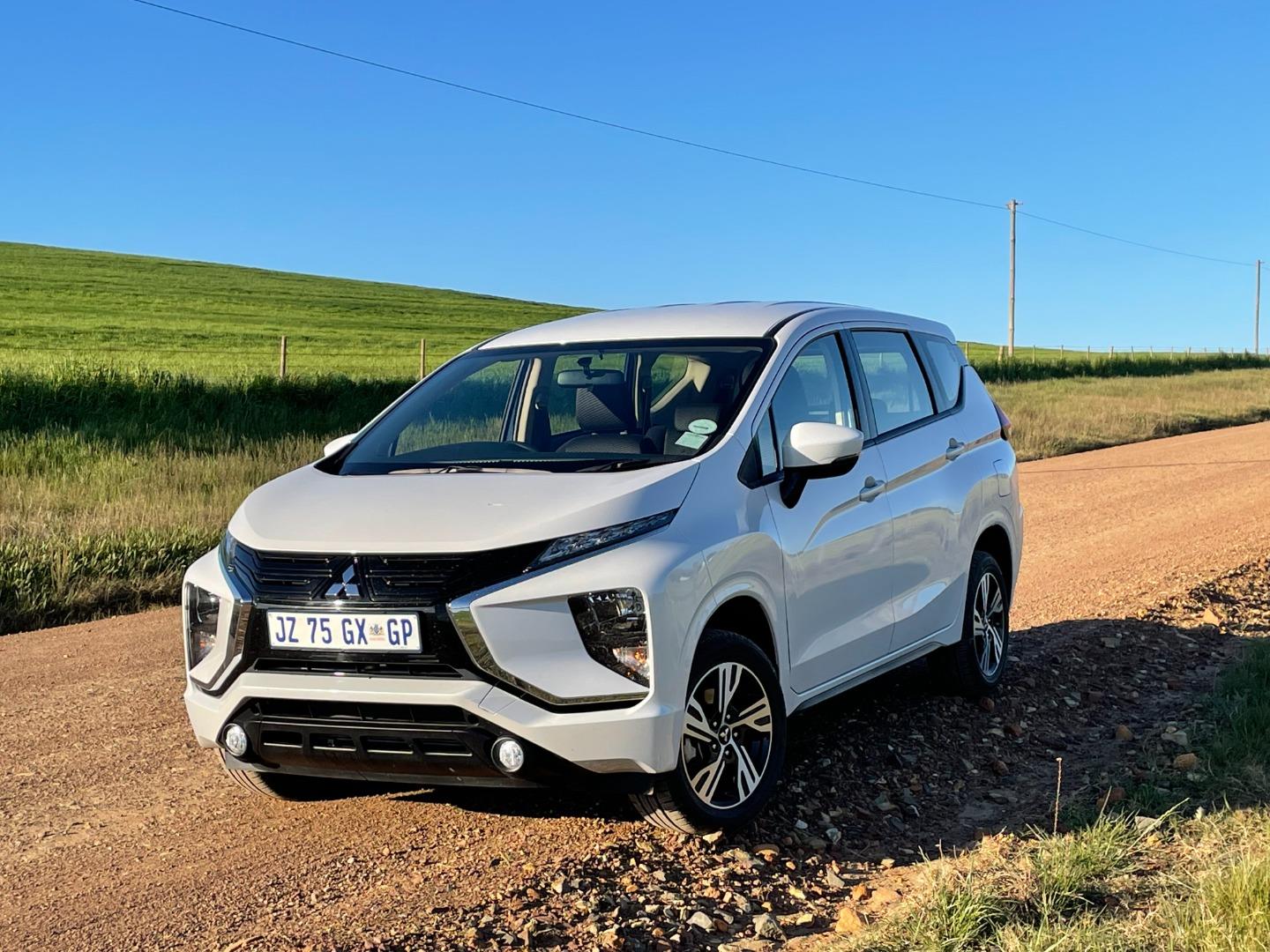
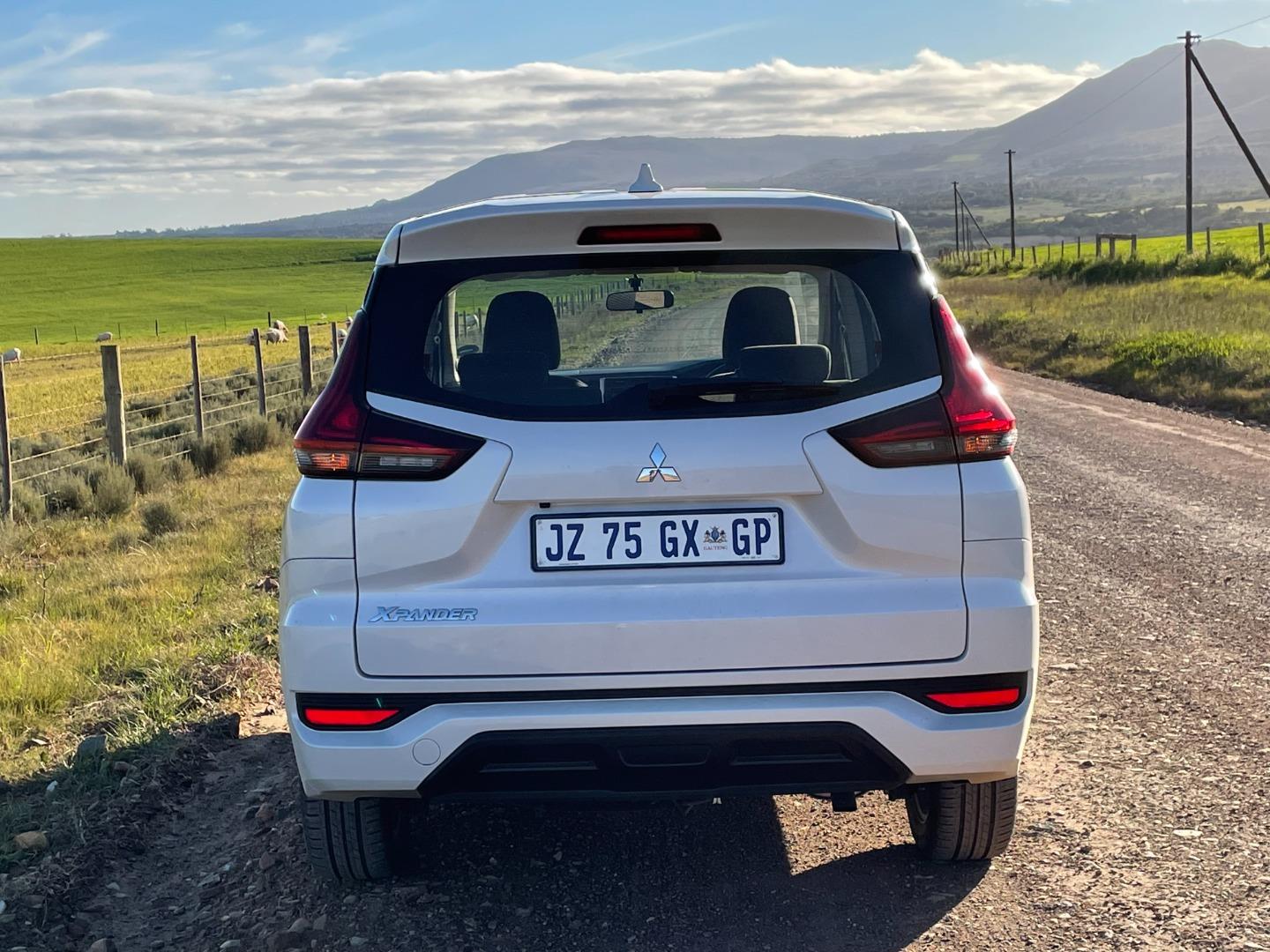
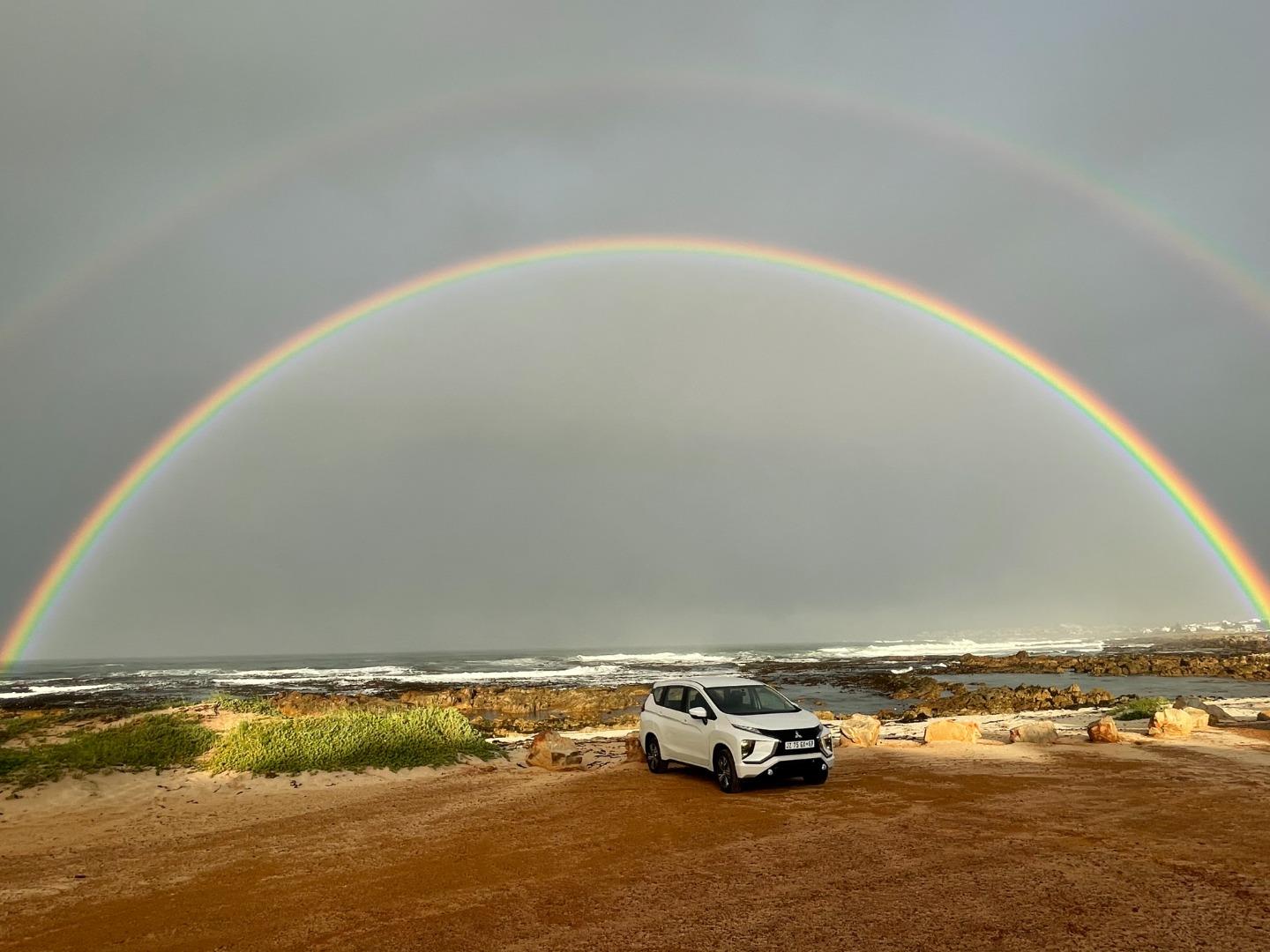
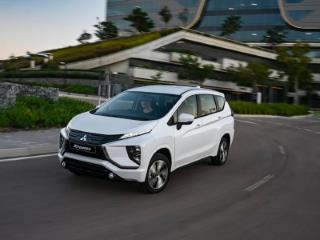
The Indonesian-built Xpander may be new to the South African scene but has been around in overseas markets for quite a while, and has raked in quite a few awards in Asia. Sporting 205 mm of ground clearance, the brand's 'Dynamic Shield Design', stylish alloy wheels, daytime running lamps, and flared fenders, the practical Xpander is marketed to buyers "with active lifestyles who are looking for something a little different to what our main competitors in the segment are offering", says Nic Campbell, General Manager of Mitsubishi SA.
Interior
According to Mitsubishi, the principle of 'Omotenashi' has been applied. In Japanese, it means hospitality, reception, or service for guests, "to be accomplished through both conceptual and physical objects".
In the Xpander's instance, it means that Mitsubishi has tried to anticipate the driver and occupants' needs in every aspect. Build quality is decent and the seats are covered in an upmarket, velvety material. The cabin is also very ergonomic.
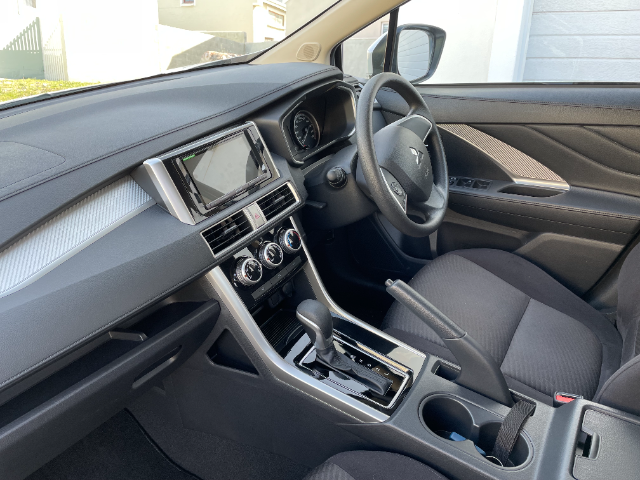
The Xpander is fitted with a SONY touchscreen infotainment system (serving as a display to the rearview camera) with a CD player and Bluetooth, and screen mirroring (via CarPlay / Android Auto) is a standard feature. There is only one USB port on board right at the front, but 12V power sockets are plentiful (there are three!), if you want to plug in a portable USB hub for middle- and rear-seat passengers. Other features include electric windows all 'round, and automatic airconditioning.
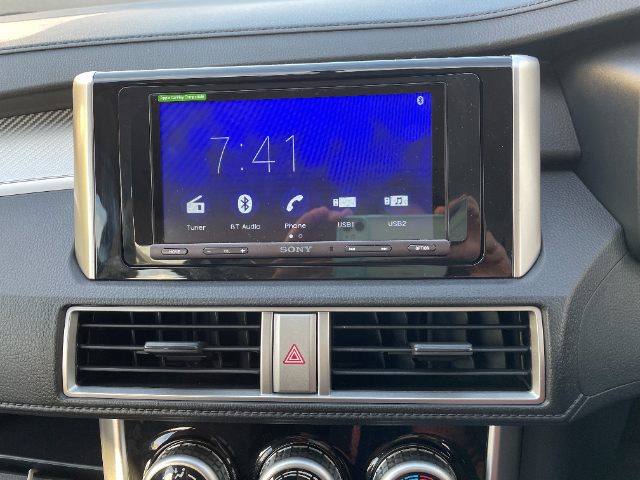
The central armrest cubby is in stark contrast to the rest of the cabin, as the lid kept coming off. It almost looks as though it is designed to be removed by those who aren't keen on having the lid on anyway. Sean, who wrote an in-depth review of the Xpander, seemed to have a similar issue on his test model up in Jo'burg. It's a minor detail and shouldn't be enough to put buyers off, however.
Space and accessibility
The first and second rows offer ample space, and access to the third row is easy, as the second row tumbles forward without any trouble. The second and third-row seats have a 60/40 split, while the seats of the third row can be folded completely flat and stowed to create additional space in the cargo area.
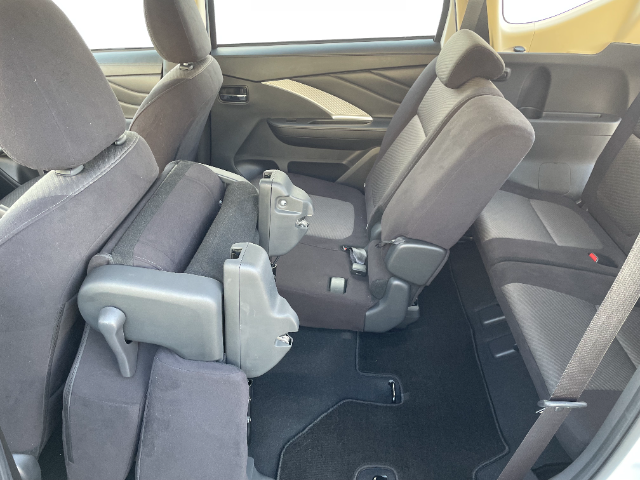
This allows for 718 litres of boot space and a completely level boot floor which is invaluable when loading the kids' school luggage or groceries, or a baby stroller. If you fold the second as well as the third row flat, 1608 litres will swallow surfboards or an entire bicycle without batting an eyelid.
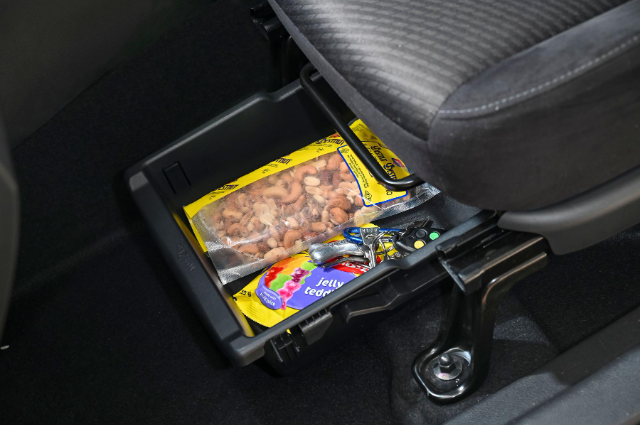
Another highlight is the storage drawer to be found under the driver and passenger seats, above. Air vents for third and second-row occupants are standard as well. And the final bonus? Underfloor storage in the boot (see below)!
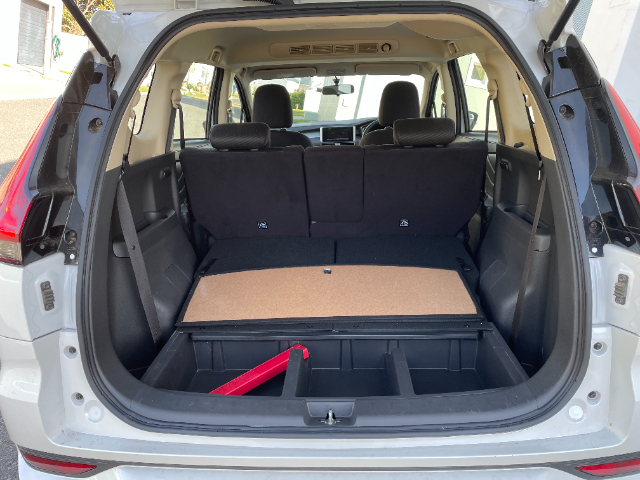
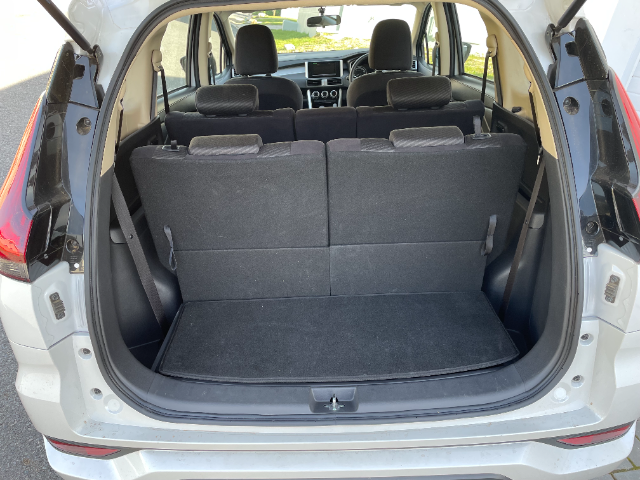
Another feather in the Xpander's cap is the amount of space that's left in the boot when all seven seats are in use. Usually, I would have to flatten the rear bench when loading in the kids' school bags, but it wasn't necessary.
Drive and performance
Don't expect fireworks in the engine department, but as an urban and occasional highway cruiser, the 1.5-litre, 77kW Xpander suffices. Its four-speed auto gearbox also offers the driver the option of staying in a specific gear instead of changing up, which is ideal when you're traversing hilly terrain.
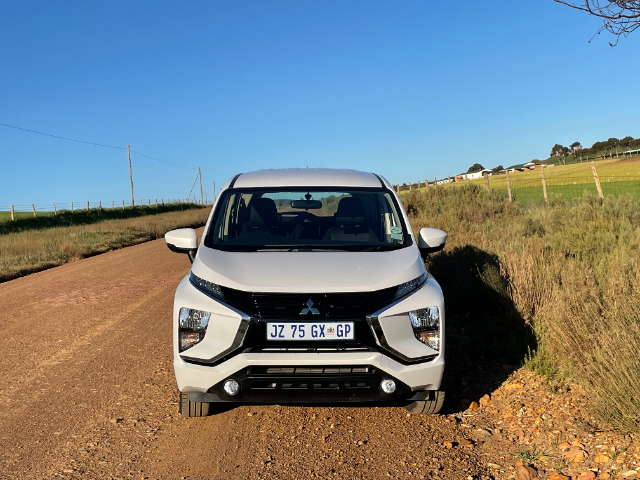
The engine is up to the task of people moving, but I never had more passengers than my two kids on board; it may be a different story when seven adults are making a journey together. Would I prefer the manual model? If I didn't have to sit in heavy traffic every day, most certainly.
Safety
The Xpander is fitted with ABS, EBD, brake assist, stability control, two airbags, Isofix mountings, and follow-me-home headlights. Mitsubishi's RISE platform is well-known for its ability to withstand serious impact. We've already mentioned the rear-view camera, but the Xpander has park-distance control as well as front fog lamps.
Verdict
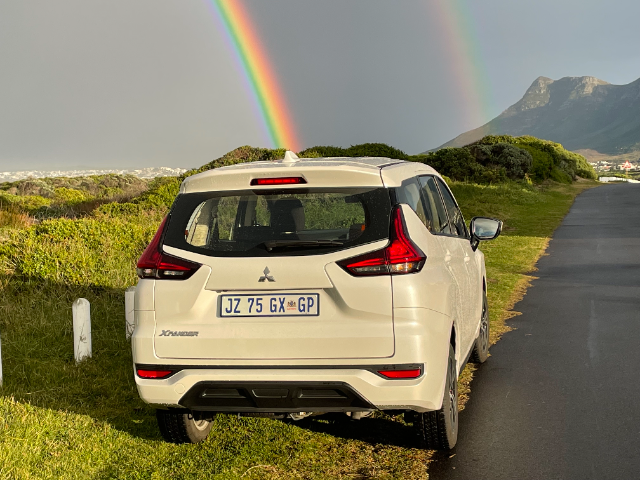
While the multi-talented Mitsubishi Xpander is highly adept at the nine-to-five family life, we can't ignore the value-packed Suzuki Ertiga (without any SUV aspirations), coming in at R310 900 (which is nearly R10 000 cheaper) in top-spec GLX trim versus the Xpander 1.5 auto which will set you back R319 995. In the Xpander's defence, however, its cargo area is considerably larger, it has higher ground clearance, and is better on dirt and gravel if you're looking to buy an MPV that can take you to interesting places. I won't try scaling sidewalks in the Ertiga, but the Xpander managed it rather well when I couldn't find parking at school one day...