Mitsubishi ASX vs Haval Jolion vs Peugeot 2008: here's our winner
The Mitsubishi ASX has been around for a decade, receiving periodic updates during its time in the market, the most recent of which was in 2020, where it received a major aesthetic upgrade, a revised interior and a new infotainment system among others. How does the ASX stack up to two key rivals, though?


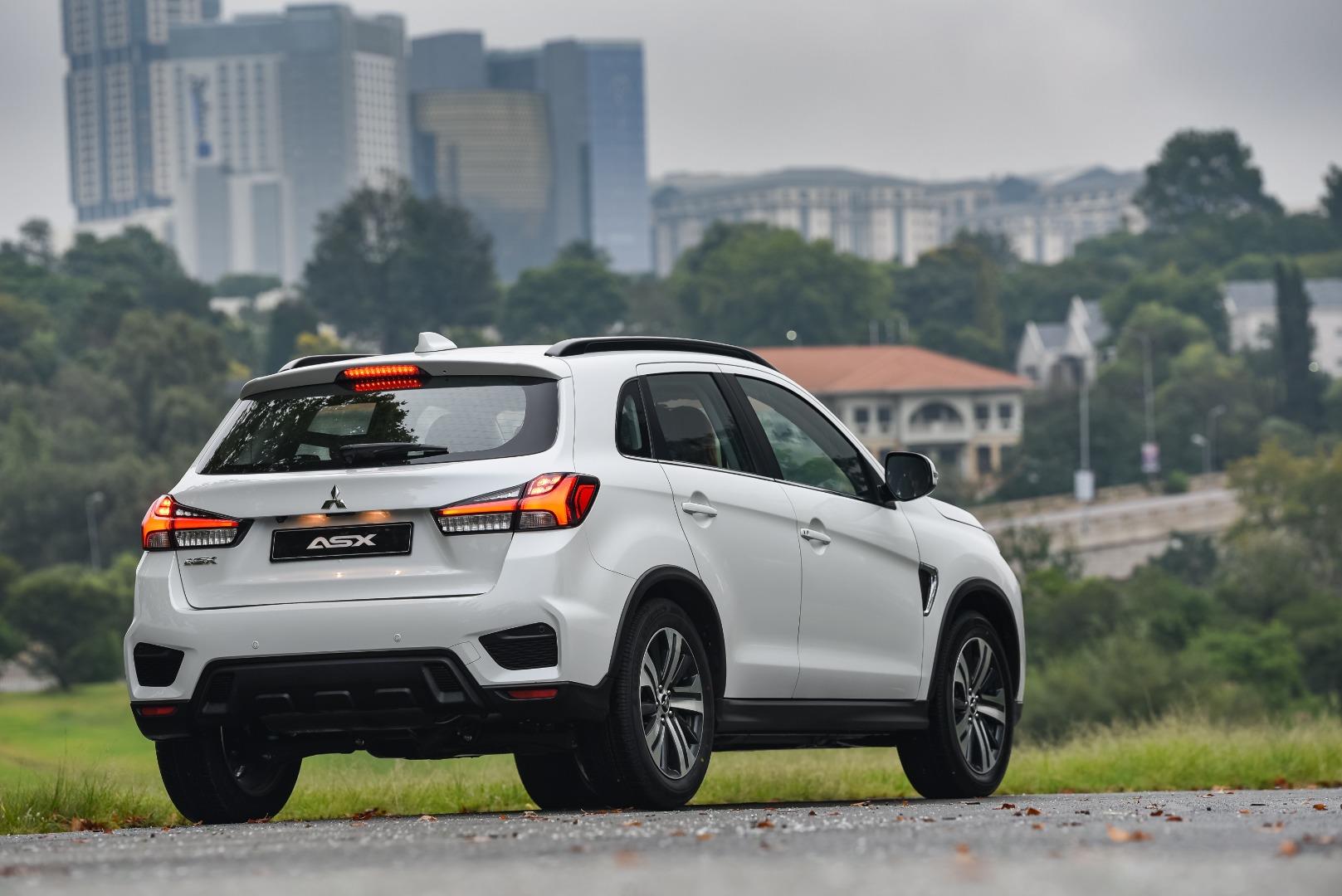
The Mitsubishi ASX has been around for a decade, receiving periodic updates during its time in the market, the most recent of which was in 2020, where it received a major aesthetic upgrade, a revised interior and a new infotainment system among others. How does the ASX stack-up to two key rivals, though?
At its market introduction in 2011, Mitsubishi’s ASX was one of the first compact crossovers to reach local shores, and in the decade since, the product’s relevance has only increased as the segment has shown exponential growth.
While its powertrain and platform may be somewhat dated, the regular product cycle upgrades and respectable amount of kit Mitsubishi offer as standard mean that the ASX is still worthy of consideration in this segment. We have chosen two exceptional products within this segment to compare the ASX with.
Mitsubishi ASX 2.0 auto
Engine, performance and consumption
The ASX range is powered by a 2.0-litre naturally aspirated engine and the option of a manual or CVT gearbox, the latter of which has been recalibrated for better fuel economy and improved performance. Since the ASX has a larger capacity engine, its fuel consumption is relatively high, nearing 8.0 L/100km while its fuel tank capacity is 63-litres. The 0-100km/h time is a sluggish 11.5 seconds though and is likely to be even slower at altitude.
Standard equipment
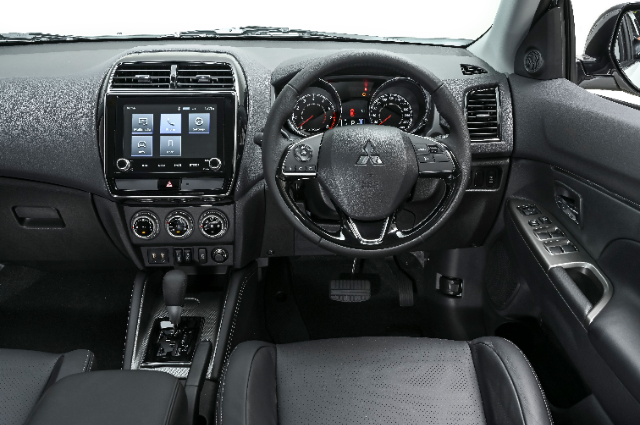
The ASX range is very well specified, with LED headlights, leather seats, a panoramic roof, electric windows and mirrors, keyless entry/start, dual USB port, cruise control, multifunction steering wheel, climate control, alloy wheels and a new infotainment system with Apple CarPlay and Android Auto functionality.
Safety
The ASX comes with 7 airbags, ABS, traction and stability control and ISOFIX child seat which allowed it to score a 5-Star Australian ANCAP crash test safety rating in 2014, making it very safe but in need of a more up-to-date crash test rating.
Practicality
In terms of practicality, the ASX provides a reasonable amount of space, with over 400-litres of boot volume and enough room for five occupants, making it competitive within this segment.
Price and value proposition
The ASX is not the cheapest product in this comparison, but it certainly offers a good amount of specification and space for the money.
The competition
Haval Jolion 1.5T Super Luxury
The Jolion is taking the segment by storm, offering an incredible amount of kit for the asking price. Powering the Jolion is a 1.5-litre four-cylinder turbocharged petrol engine that is paired with a 7-speed dual-clutch automatic gearbox which provides a claimed fuel consumption figure of 7.5 L/100km with a 55-litre fuel tank. Haval does not provide a claimed 0-100km/h time, however, independent testing suggests a figure of around 10.5 seconds is achievable. These figures put the Jolion in the middle in terms of fuel economy and performance.
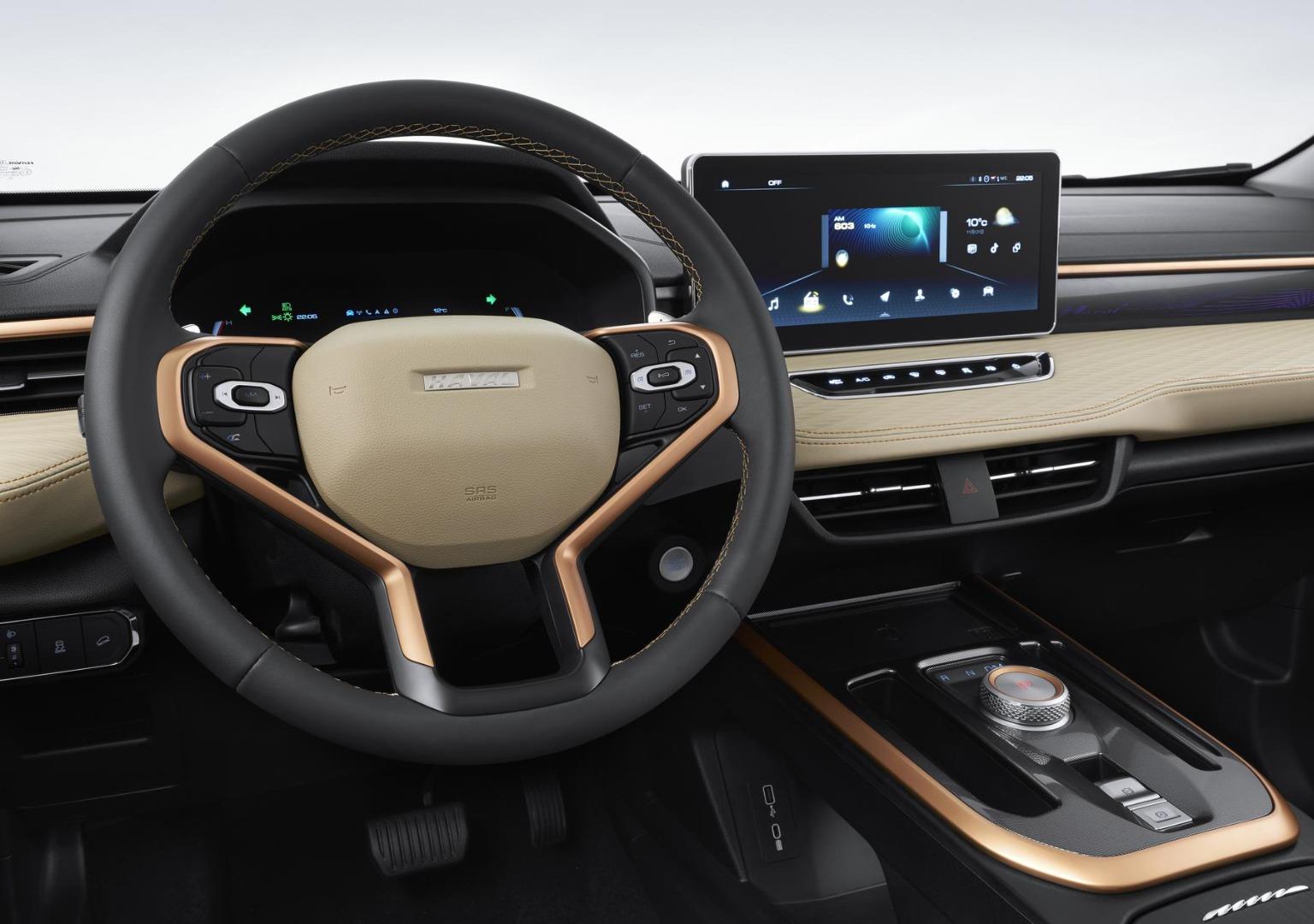
The Jolion is a segment leader in terms of specification, with the Super Lux version sporting a host of semi-autonomous driving features, a digitised instrument cluster, a 12.3-inch infotainment system with Apple CarPlay and Android Auto functionality, LED headlights, dual-zone climate control, keyless entry/start, artificial leather seats, a panoramic roof, an electrically adjustable driver’s seat, front and rear electric windows/mirrors, a head-up display. This makes the Jolion the best value for money offering in this segment.
From a practicality perspective, the Haval sits between the ASX and the 2008 in terms of boot and occupant space despite having the longest wheelbase and being the longest and widest in the comparison.
Haval is yet to report a crash test safety rating for the Jolion, however, it comes with 6 airbags, ISOFIX child seat anchor points, traction and stability control as well as the aforementioned semi-autonomous driving features should ensure that the Jolion is safe.

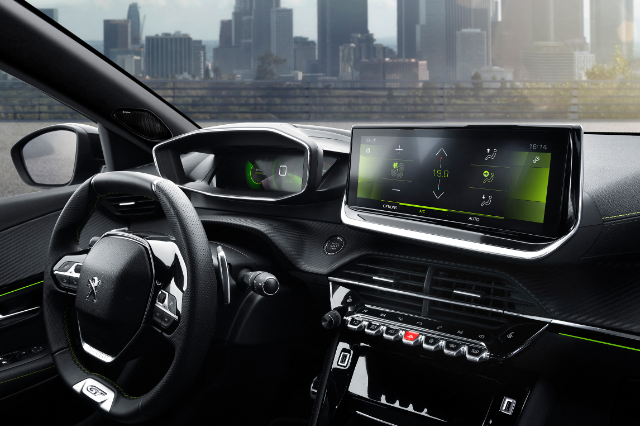
Peugeot 2008 1.2T Allure
The 2008 is an impressive entrant within this segment, with the best claimed fuel consumption and the best claimed acceleration which is likely due to its low kerb weight and impressive torque figure.
In terms of specification, the 2008 matches the ASX, with LED headlights, cloth and artificial leather seats, electric windows and mirrors, keyless entry/start, dual front and rear USB ports, cruise control, multifunction steering wheel, climate control, alloy wheels and a touchscreen infotainment system with Apple CarPlay and Android Auto functionality.
The 2008 has the largest boot and provides a reasonable amount of occupant space, making it close to the segment leader from a practicality perspective.
From a safety perspective, Euro NCAP tested the 2008 in 2019 and it achieved a 4-Star rating, including 91% for adult occupant safety, 84% for child occupant safety, 62% for pedestrian safety and 68% for its safety assistance systems.
At the time of writing, the 2008, in 1.2T Allure guise was the most expensive car in this comparison, but not by much, coming in at around R9 000 more than the ASX and around R40 000 more than the Jolion.
Facts and figures:
|
|
Mitsubishi ASX 2.0 auto |
Haval Jolion 1.5T Super Luxury |
Peugeot 2008 1.2T Allure |
|
Engine size (cyl/size) |
4-cyl, 2.0-litre petrol |
4-cyl, 1.5-litre turbo petrol |
4-cyl, 1.6-litre turbo petrol |
|
Power/Torque |
110 kW/197 Nm |
105 kW/210 Nm |
96 kW/230 Nm |
|
Kerb Weight |
1 375kg |
1 370 kg |
1 225 kg |
|
Service plan |
5 yr/ 90 000km |
5 yr/ 100 000km |
5 yr/100 000km |
|
Airbag count |
7 |
6 |
6 |
|
Luggage capacity |
406 litres |
430 litres |
434 litres |
|
Fuel tank capacity |
63 litres |
55 litres |
44 litres |
|
Ave Consumption * |
7.9 L/100 km |
7.5 L/100 km |
6.5 L/100 km |
|
Warranty |
3 yr/100 000 km |
5 yr/100 000 |
5 yr/100 000 km |
|
Price |
R 429 995 |
R 398 900 |
R 438 900 |
* Manufacturer's claimed figures.
Pricing was all-inclusive at the time of writing but may change without prior notice.
Verdict
Having looked at the figures, it is clear that the trio we have assembled for this comparison are all highly competitive within this segment. Unfortunately for the ASX, the 2008 and Jolion are simply more modern and better executed products, leaving the Mitsubishi in third position. It then comes down to the 2008 versus the Jolion. There is a lower spec Jolion, namely the Luxury derivative which matches the 2008’s specification and comes in at R70 000 less than the Peugeot. The Haval’s value proposition is simply to good to ignore, handing it the victory in this test.