

With inland fuel prices sitting at +/- R28 per litre in June 2026, knowing your vehicle's true efficiency is the only way to budget properly. Whether you drive a fuel-sipping hatchback or a heavy-duty bakkie, this guide gives you the exact formulas used.
While June brought a hike, current data from the Central Energy Fund suggests motorists should finally see a welcome decrease in July, even after accounting for the final phase of fuel levy adjustments. We cover this in our July 2026 fuel price update: Massive drops officially locked in.
But before we start celebrating, let's whip out our calculators.
This guide walks you through three methods:
1.) Working out your car's fuel consumption using your car's trip computer (if equipped)
2.) Fuel consumption manual calculation method
3.) The drive-till-it's-empty method.
1. The fuel conversion cheat sheet
If "Litres per 100 km" (L/100km) figures don’t make sense to you, use this simple conversion guide:
| To convert | Formula to use |
| km per litre to litres per 100 km | Divide 100 by km per litre |
| litres per 100km to km per litre | Divide 100 by litres per 100 km |
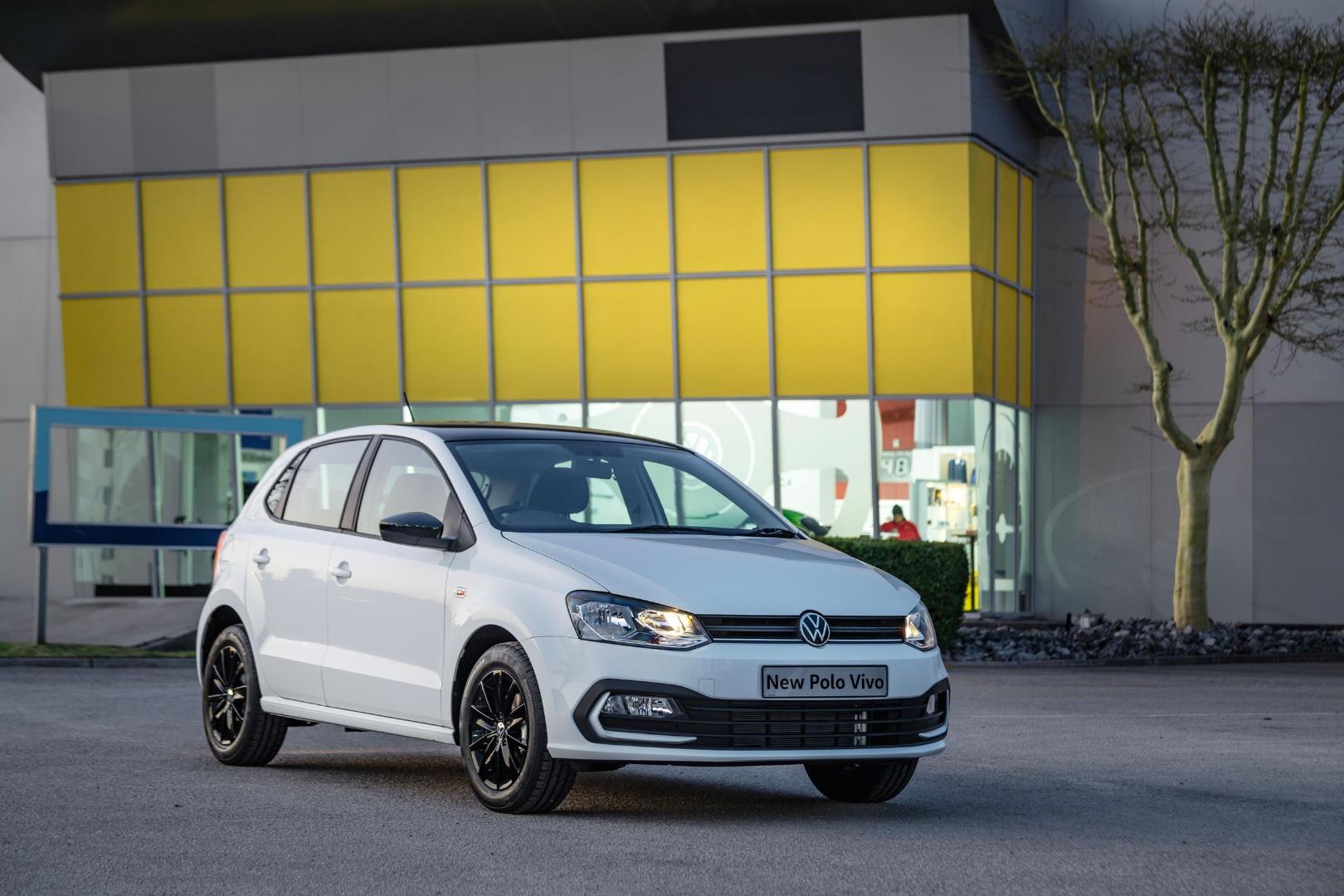
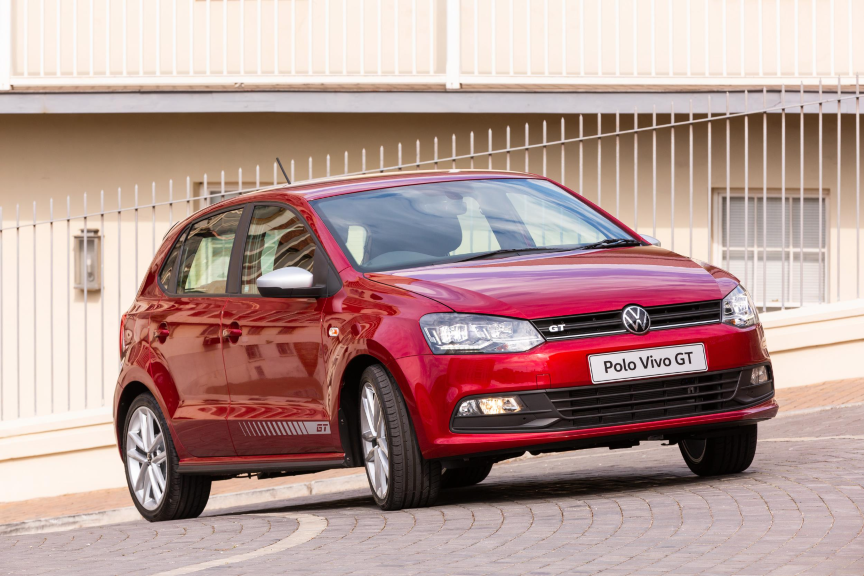
Real-world example: VW Polo 1.6
If your trip computer shows the Polo Vivo 1.6 is using 7.0 L/100 km, you might want to know how many kilometres you get per litre.
The Calculation: 100 ÷ 7.0 = 14.28 km/L.
What this means: For every single litre of fuel you put in your tank, your Polo Vivo will take you roughly 14.28 kilometres. Here's a detailed review of the latest Vivo here; Taye drove it over December '25.
2. Three ways to calculate your fuel consumption
Method A: Using your car’s trip computer
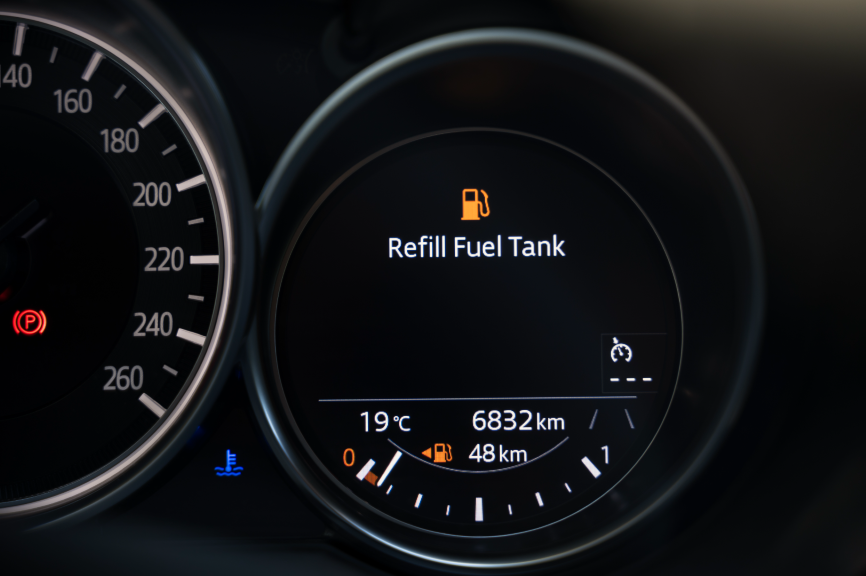
Most modern vehicles automatically record distance, average speed, and fuel consumption. Your trip computer will usually display your range, ie. the remaining kilometres you can travel before the tank runs dry.
Pro-Tip: If your car is older or you want a "real-world" sanity check, use the manual methods below for better accuracy.
SA's cheapest fuel-sipping hybrids, rated. Which is best?
Method B: The manual "fill-to-brim" calculation
If you know your total distance driven and your fuel tank capacity, you can calculate your own figures.
The Formula: Kilometres driven ÷ Amount of fuel used = km per litre
Example: The VW Polo Vivo 1.6
Tank size: 45 Litres.
Real-world usage: ~7.0 L/100km.
Calculation: To get km/l, divide 100 by 7.0 = 14.28 km/l.
Total Range: Multiplying 14.28 km/l by your 45-litre tank gives you a range of approximately 642 km.
Method C: The "drive-till-it's-empty" method
This is the most reliable way to get your "real-world" number.
When your tank is near empty, reset your trip odometer to zero.
Fill the car to the brim.
Drive until you are near empty again.
Note your total kilometres and the exact litres used to fill up again.
Divide your Total Kilometres by Total Litres Used.
3. Real-world cost examples: June 2026
To see how this impacts your pocket, let’s look at two popular South African vehicles, one petrol and one diesel, at the current inland price, rounded off to R28 per litre - see the table below.
| Vehicle Model | Avg. Consumption | Fuel Used | Total Trip Cost |
| VW Polo Vivo 1.6 | 7.0 L/100 km | 72.8 Litres | R2,038.40 |
| Toyota Hilux 2.8 GD-6 | 10.0 L/100 km | 104.0 Litres | R2,912.00 |
These are the cheapest cars to run in SA in 2026 - so far.
Just to recap - these are our fuel prices as they are right now.
| Fuel Type | Inland Price (per Litre) June 2026 | Coastal Price (per Litre) June 2026 |
| 95 Unleaded Petrol | R28.06 | R27.19 |
| 93 Unleaded Petrol | R27.95 | R27.16 |
| Diesel 0.05% (Wholesale) | R27.92 | R27.05 |
| Diesel 0.005% (Wholesale) | R29.26 | R28.00 |
4. How to budget for fuel costs on your road trip
Road trips are great, but fuel is the biggest expense, which is why flying is often cheaper nowadays. But not if you're a family.
To budget accurately, always add a "buffer" of 10% to your calculation to account for traffic, idling, and detours.
How to calculate
As we have established, to estimate the fuel cost for a trip, you need the trip distance, the vehicle’s average fuel consumption, and the current fuel price per litre.
The formula:
(Distance ÷ 100) = Result A
Result A × Average fuel consumption = Total litres needed
Total litres needed × Current fuel price = Total trip cost
Example 1: Cape Town to East London (1,040 km) in the VW Polo Vivo
Let’s use the Volkswagen Polo Vivo 1.6 with an average consumption of 7.0 L/100 km (a conservative estimate for highway driving with a load).
Step 1: 1040 km ÷ 100 = 10.4
Step 2: 10.4 × 7.0 = 72.8 litres
Step 3: 72.8 litres × R28.06 = R2,042.77
If you are planning a return trip, double that figure to R4,085.54. As always, remember to set aside extra for local driving once you reach your destination.
Example 2: Cape Town to East London (1,040 km) in the Toyota Hilux
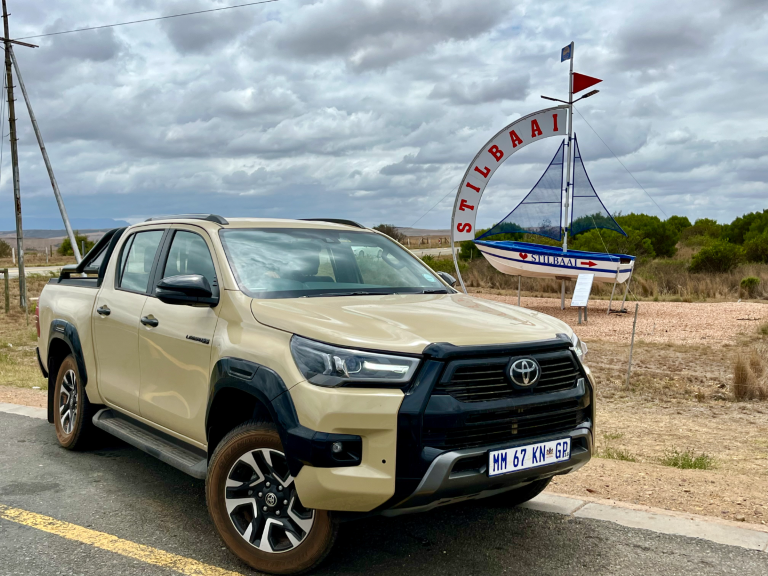
Using a real-world consumption figure of 10.0 L/100 km for the Toyota Hilux 2.8 GD-6 4x4 Double Cab, here is the calculation for a trip from Cape Town to East London (1,040 km) at the current diesel price of around R28 per litre.
Step 1: 1040 km ÷ 100 = 10.4
Step 2: 10.4 × 10.0 = 104 litres
Step 3: 104 litres × R28.00 = R2,912.00
If you are planning a return trip, that total comes to R5,824.00, excluding any additional driving you'll do once you arrive.
And remember, almost everything is always more expensive than you think. It’s a sign of the times. Happy travels!
A note about the manufacturers' quoted fuel consumption figures
If you go by the manufacturer’s consumption figures, remember that they are (mostly) a little optimistic, and their economy runs are often done under perfect conditions, yielding much lower results (remember Dieselgate?).
For example, when a manufacturer claims a car uses 5.0 litres per 100 km, you can add about 2 litres to that figure to get a more realistic estimate of fuel economy.
Want to sell your current gas guzzler and buy a frugal, cheapie instead?
If you are looking to sell your current car quickly and easily, why not try our Instant Offer here? You can search for new or used fuel-efficient models on AutoTrader here.