



The Suzuki Baleno is, in essence, a slightly-more grown-up Swift. It has a similar hatchback profile, but dimensionally it is significantly larger and thus offers class-leading space in the affordable B-segment category.
Introduced in November 2016, the Baleno is a fairly low-profile model, not enjoying the ever-growing popularity of the Swift in the sales charts. Yet the Baleno has a lot going for it in terms of value for money. As a used vehicle it is a very good buy, and AutoTrader currently lists 127 New and Used Suzuki Baleno examples for sale.
Refreshed in late 2019
Recently refreshed with a new grill and other styling features, the Baleno range consists of three models. These are the 1.4 GL at R214 900, the 1.4 GLX at R251 900 and the 1.4 GLX Automatic at R266 900. A feature on the GLX models worth taking notice of is the new 7-iinch touch screen with reverse camera, cell phone integration and full audio functionality.
Along with the larger body shell, the Baleno has a 1,4-litre engine (the Swift has a 1,2-litre engine). This is a naturally-aspirated unit developing a modest 68 kW and 130 Nm of torque. But performance may surprise you, thanks to the fact that the Baleno’s dry weight comes in at 915 kg. This translates to a handy 0-100 km/h time of 10,9 seconds, a top speed of 175 km/h and a claimed overall consumption figure of 5,1 litres/100 km.
Topping up the windscreen washer bottle on a Suzuki Baleno
If you already own a Baleno, you will know that this not-so-small car has a no-nonsense appeal, particularly regarding its uncomplicated specification. This is immediately apparent when you open the bonnet and see the engine installation with plenty of space to identify the relevant components.
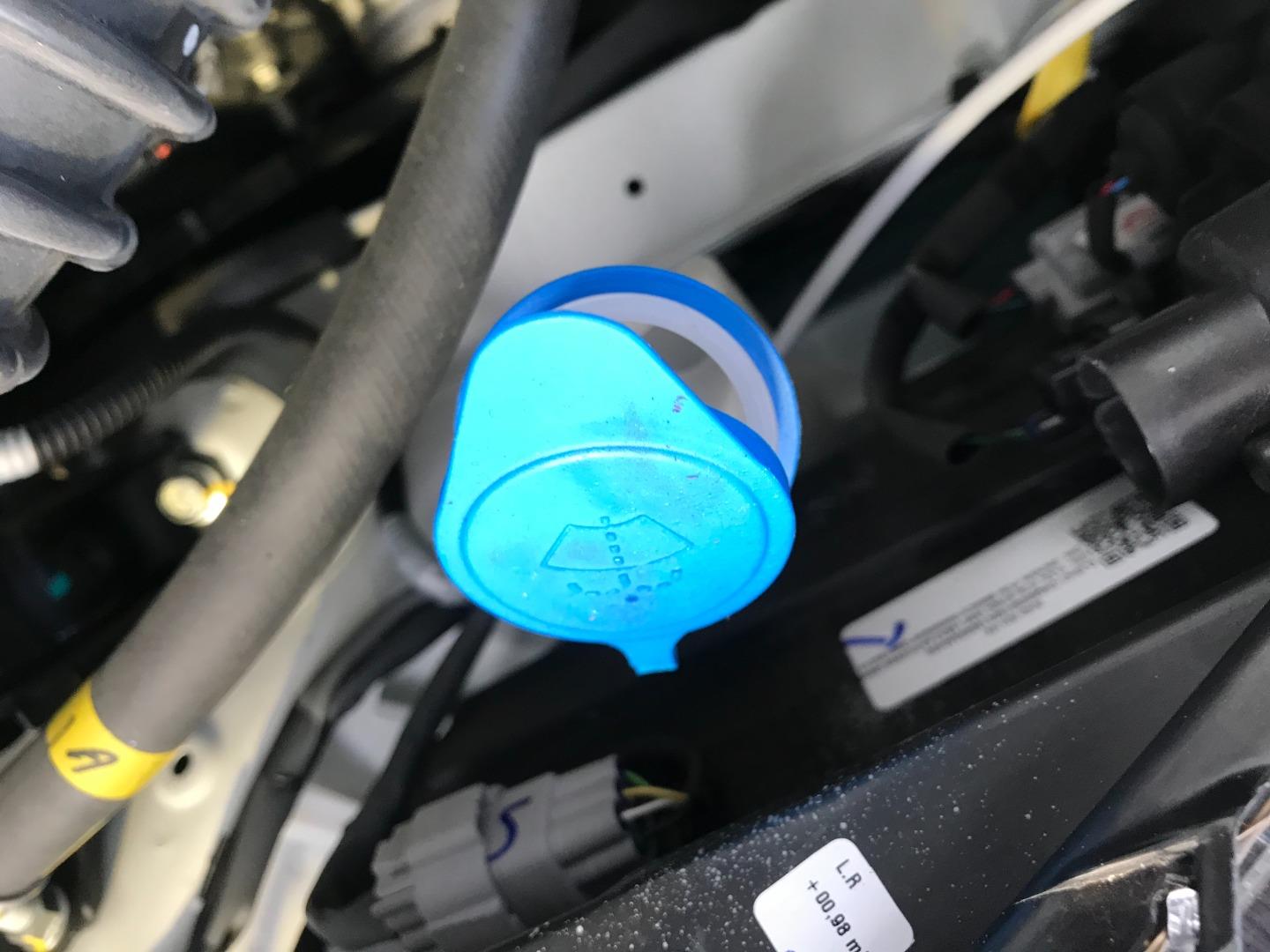
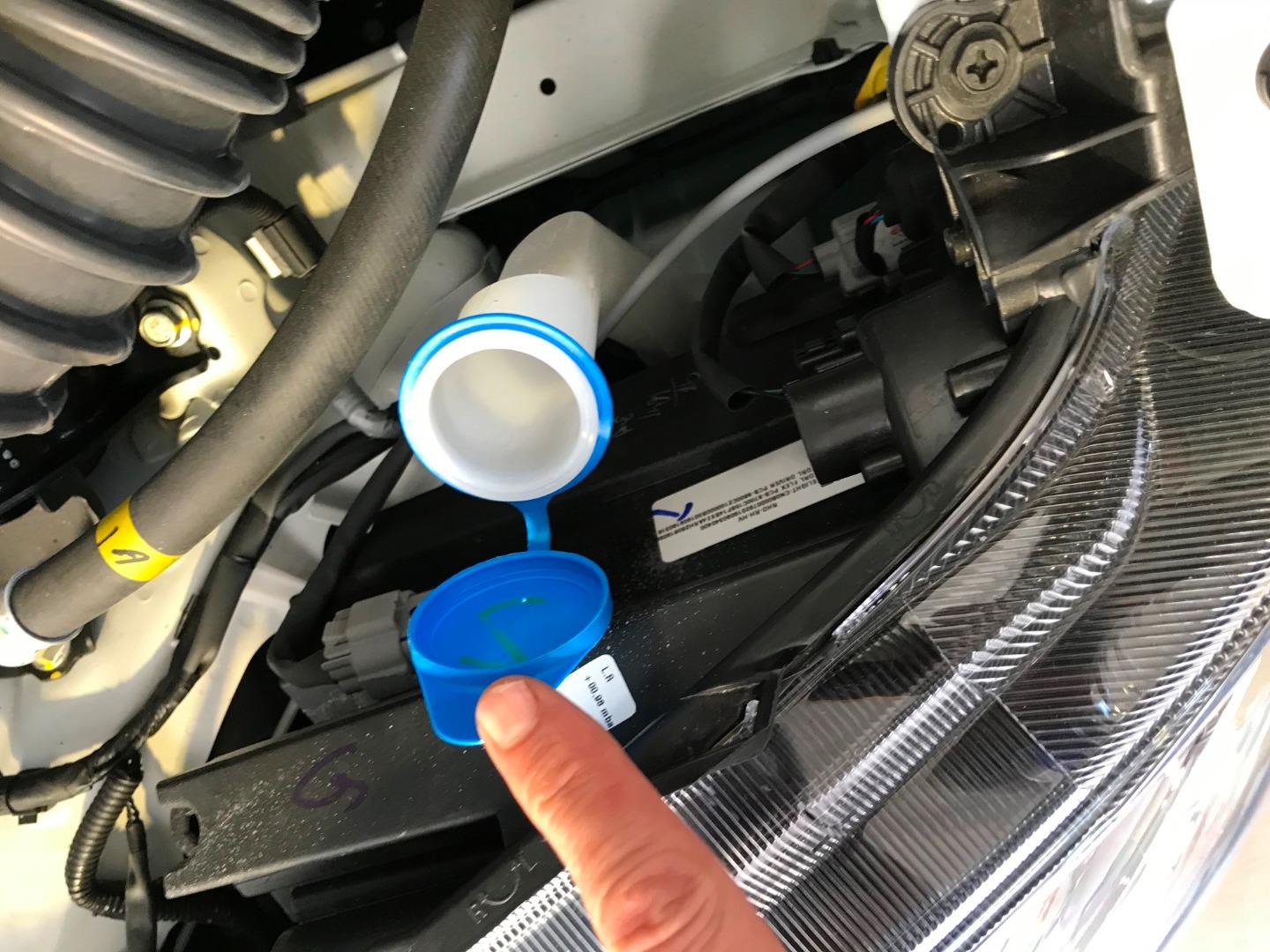
The windscreen washer bottle is located in the front-left segment of the engine bay (when viewing the car from the front) and is identified by a white-coloured tube topped off by a blue cap.
Step 1

Identify the windscreen washer bottle by its blue cap. Don’t confuse it with the engine coolant bottle, which is located to the right-front of the engine bay. The blue cap on the screen washer bottle has a logo portraying a windscreen with water droplets.
Step 2

The blue plastic cap can be flipped open using your thumb.
Step 3

We find that using a common 500 ml drinking water bottle is the handiest method of topping up the scree washer bottle.
Step 4

Fill it with normal tap water, although there are special screen wash fluids available from spares outlets. But tap water works just fine and costs next-to-nothing! Top up to just below the level of the cap.
Step 5

Press the cap firmly closed and test the screen wash function on the wiper stalk to see that it is functioning properly. You are done!
Recommended next:
Built-to-last Baleno packs a value punch
Top 4 things you need to know about the Suzuki Baleno