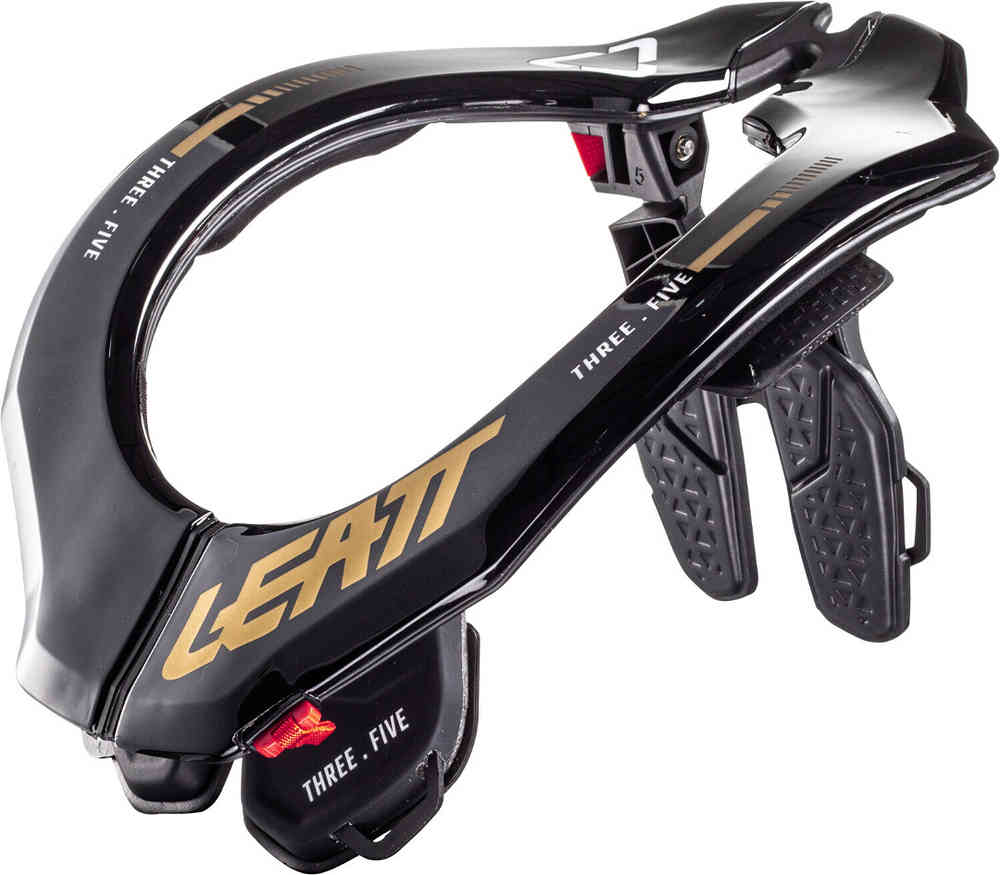


Unlike medical neck braces, motorcycle neck braces, like those from Leatt or Atlas, are advanced pieces of protective gear. Proper cleaning and maintenance are critical to ensuring their protective materials and structural integrity are not compromised.
Related: Neck brace vs. Neck roll: Which motorcycle protective gear is safer?
The most crucial rule is to always refer to the specific instructions provided by your brace manufacturer (e.g., Leatt, Atlas, Alpinestars), as materials such as proprietary foam and carbon fibre require special care.
Your neck brace absorbs a lot of sweat, dirt, and mud. Regular cleaning is essential to prevent odour, bacterial buildup, and material degradation. Here is a general guide for the longevity and hygiene of most rigid motorcycle neck braces.
S.I.P.D.E. Explained: The 5 Steps Every Beginner Motorcyclist Must Master
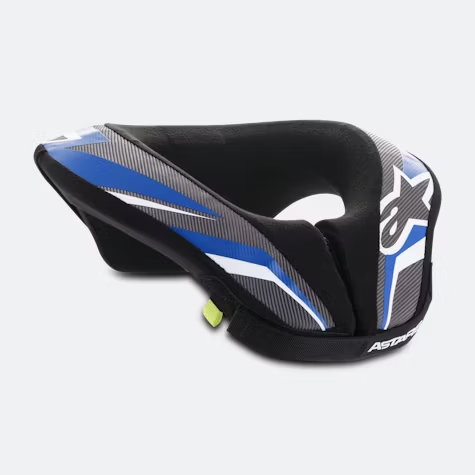
Post-Ride Cleaning
Disassemble: Remove all soft padding, liners, and straps from the rigid shell. Most are attached with Velcro or simple clips.
Cleaning the Pads/Liners:
Hand Wash is Best: Hand wash the pads in a sink with lukewarm or cold water and a mild, non-aggressive soap or liquid detergent.
Avoid Harsh Chemicals: NEVER use bleach, fabric softeners, stain removers, oxygenated detergents, or harsh solvents. These can damage the materials, especially performance fabrics like Leatt's MoistureCool, and compromise the integrity of protective foams.
Rinsing: Rinse all pads thoroughly to ensure absolutely no soap residue remains.
Cleaning the Plastic/Carbon Shell:
Wipe the hard shell down with a damp cloth to remove dirt, mud, and dust.
For deep cleaning, use a mild soap and water solution.
You can use a soft brush to clean dirt from perforations or crevices gently.
Cleaning Straps/Tethers: Wipe down or hand-wash the straps with mild soap and water.
Drying
Air Dry ONLY: Lay all components—pads, straps, and the hard shell—flat in the shade to air dry completely.
AVOID HEAT: Never use a washing machine, tumble dryer, or hair dryer, and avoid placing the components in direct sunlight to dry. Excessive heat can cause shrinkage, cracking, and warping, as well as damage the structural integrity of plastics, carbon, or foam.
Ensure Dryness: The brace must be completely dry before storing or reusing it.
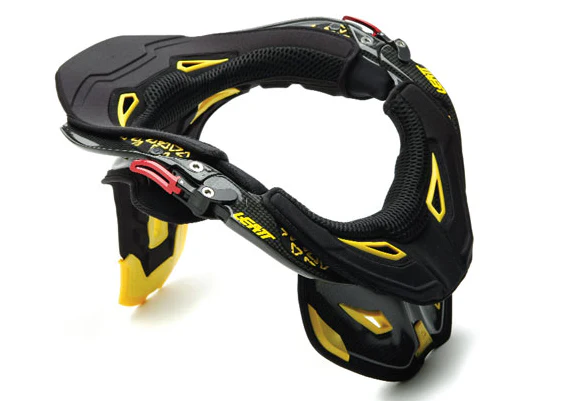
Pre-Ride and Post-Ride Inspection
Visual Check: Before every ride, inspect the entire brace for signs of damage:
Cracks: Look for cracks or stress marks on the plastic or carbon frame.
Warping/Deformation: Check for any components that look bent or deformed.
Worn Padding: Ensure the padding is not excessively worn, compressed, or deteriorated.
Functional Parts: Check that all clips, hinges, straps, and adjustment mechanisms work smoothly and securely.
Do Not Use a Damaged Brace: If you find any damage, discontinue use immediately and contact the manufacturer or a certified dealer for inspection or replacement parts.

Storage
Cool, Dry Environment: Store your neck brace in a cool, dry, well-ventilated area away from direct sunlight and extreme temperatures (avoid hot garages or direct sunlight through a window).
Avoid Pressure: Do not place heavy objects on top of the brace, as this can deform the frame or damage the internal padding.

Structural Integrity
Impact Replacement: If your neck brace has been involved in a significant crash or impact, you must replace it, even if there is no visible damage. The internal structural integrity may be compromised, and the brace may no longer offer its intended protection.
No Modifications: Never drill holes, paint, cut, heat, bend, or apply chemical solvents to the brace. Any modification voids the warranty and compromises the safety performance of the brace.
Manufacturer Lifespan: Most manufacturers recommend replacing the product every three years under normal use conditions, as materials can degrade over time.