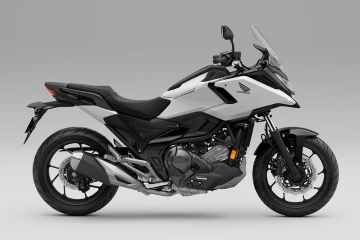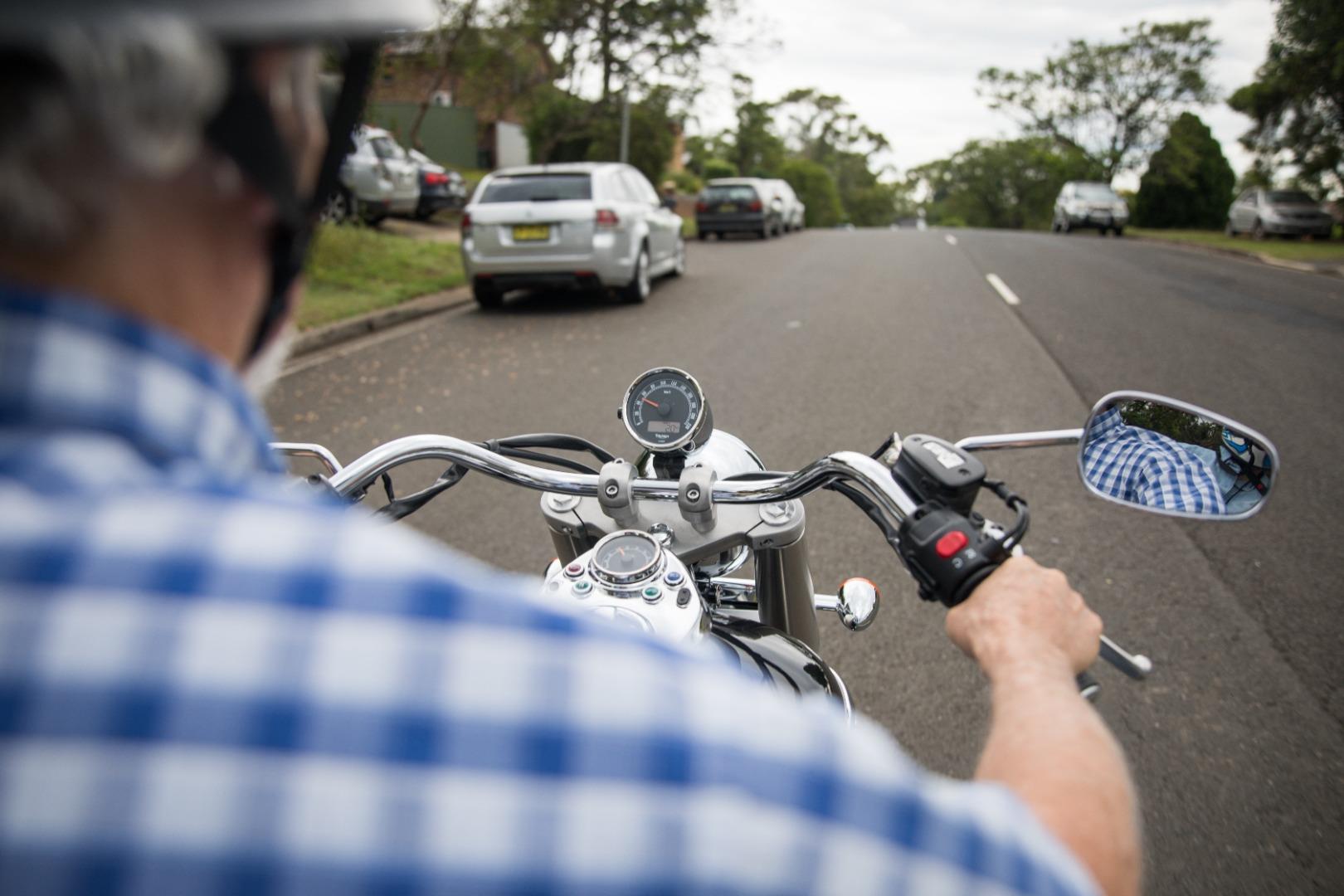

There can be no denying the fact that new bike prices have soared over the last few years, and many bikers are questioning the feasibility of buying a new bike. Many owners keep their bikes longer and ride further, leading to used bikes with high mileage entering the second-hand market. Are these bikes a brilliant buy or should they be avoided?
Related: What to look for when buying a used bike in South Africa
Buying a high-mileage motorcycle can be a smart, budget-friendly move, but it requires careful inspection. A bike's overall condition and maintenance history are far more important than the number on the odometer alone. Here is a complete guide to evaluating and buying a high-mileage bike.
What are the benefits of buying a new motorbike vs. a used one?

Defining high mileage
The definition of high mileage varies dramatically based on the type of bike.
| Motorcycle Type | Typical High-Mileage Range | Rationale |
| Sport Bikes | High-revving engines are often ridden aggressively, leading to wear faster. | |
| Cruisers & Touring Bikes | Built for comfort and long-distance, these engines are designed for longevity with proper maintenance. (e.g., Honda Goldwing, large Harley-Davidsons). | |
| Adventure/Dual-Sport | Built ruggedly, but usage patterns (off-road, aggressive riding) are a significant factor. | |
| Standard/Commuter | Depends heavily on maintenance and riding conditions (highway vs. stop-and-go). |
The average annual mileage for motorcycles is typically 5 000 to 8 000 km yearly. A 10-year-old bike with 45 000 km is actually about average for South Africa.

The Pros and Cons
Pros of buying high mileage
Affordability: The most significant advantage is that they are priced much lower than low-mileage bikes.
Reliability (If Maintained): A bike with high mileage that is still running well is a proven, reliable machine with flaws corrected.
Worn-In Components: The engine has been properly broken in, and minor initial factory issues are likely resolved.
Cons of buying high mileage
Higher Immediate Maintenance: Consumables like tyres, brake pads, chains, sprockets, and suspension components are likely near the end of their service life and may need replacement soon.
Lower Resale Value: The high mileage number will always suppress the resale price, regardless of its condition.
Potential for Major Repair: If maintenance is neglected, costly repairs like clutch, transmission, or engine work could occur.
Limited/No Warranty: The bike will likely be out of the manufacturer's warranty.

The best high-mileage inspection checklist
The goal is to differentiate between a "well-used and well-maintained" bike and a "neglected" one.
Inspect the paperwork & history
Service Records: This is the most crucial factor. Ask for receipts, a detailed logbook, or stamped service manuals.
Red Flag: No service history. A bike with
high kilometres and a perfect maintenance record is better than a
high-mileage bike with none.
Owner Count: Fewer owners are generally better, as tracking the history is easier.
Registration: Ensure the documents are current, the VIN matches the frame, and the bike is not stolen or "written off" (salvage/rebuilt title).
Ask Key Questions:
"Why are you selling?"
"How was it stored?" (Garage is a big plus; outside is a red flag for corrosion).
"How was the mileage accumulated? Long highway miles are easier on the engine than constant city commuting.
"Has it ever been dropped or crashed?"
Cold visual and mechanical inspection
Request a COLD START. This is essential. If the seller starts the bike before you arrive, it could be to hide a hard-start issue or excessive smoke when cold.
| Area to Check | What to Look For (High-Mileage Focus) | Red Flags |
| Engine & Exhaust | Inspect for oil leaks, particularly around the cylinder heads and gaskets. Check for loose or damaged bolts. | Blue smoke on start-up (oil burning), excessive white smoke (coolant leak), knocking, clanking, or rattling noises. |
| Fluids | Check the oil level and colour (it should be clean, translucent brown/gold, not sludgy black). Also, check the brake fluid (it should be clear, not dark brown/black). | Dirty, low, or sludgy fluids indicate that maintenance has been skipped. |
| Drivetrain (Chain/Shaft) | Chain: Look for "kinking" or excessive rust. Check chain slack. A worn chain that "lifts" easily off the rear sprocket teeth indicates the chain and sprockets need immediate replacement (costly). Shaft: Check for leaks around the final drive. | The chain/sprockets are worn out, and the final drive leaks. |
| Suspension | Press down hard on the front and rear suspension. It should return smoothly without bouncing or clunking. Look at the fork tubes for rust or oil residue (leaking seals). | Fork seals are blown (oily residue), or the suspension is soft/bouncy. |
| Tires & Brakes | Check the tyre tread depth and look for cracks on the sidewall (rubber degrades with age, even if the tread is in good condition). Check the brake discs for deep scoring and ensure they meet the minimum thickness (stamped on the disc). | The tyres are old (check the date code) or low on tread, and the brake rotors have deep grooves. |
| Cosmetics | Look for scratches on the bar-ends, levers, crash bars, or exhaust, indicating a drop. General grime and dirt might suggest a lack of general care. | Neglect (heavy rust, caked-on grime) suggests mechanical maintenance was also neglected. |

The test ride
Listen to the Engine: Does it idle smoothly? Are there any abnormal noises under acceleration?
Gearbox: Shifts should be smooth and positive. Listen for clunks or difficulty finding a neutral position.
Clutch: In high gear at low speed, give it full throttle. If the RPMs rise but the bike doesn't accelerate significantly, the clutch is slipping and may need replacement.
Brakes: They should stop the bike firmly and predictably. No sponginess.
Handling: The bike should track straight. If you briefly take your hands off the bars (on a safe road), it shouldn't pull heavily to one side.

In closing
A high-mileage motorcycle is a good buy if:
It is a model known for longevity (e.g., large-capacity touring or cruiser).
It has a verifiable, comprehensive service history.
The price is discounted enough to cover the cost of likely deferred maintenance (tyres, chains/sprockets, suspension service).
When in doubt, take a mechanic. Paying a few hours of labour for a professional pre-purchase inspection could save you thousands in future repairs.