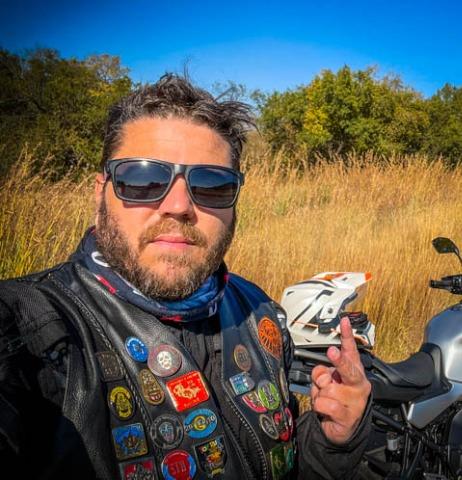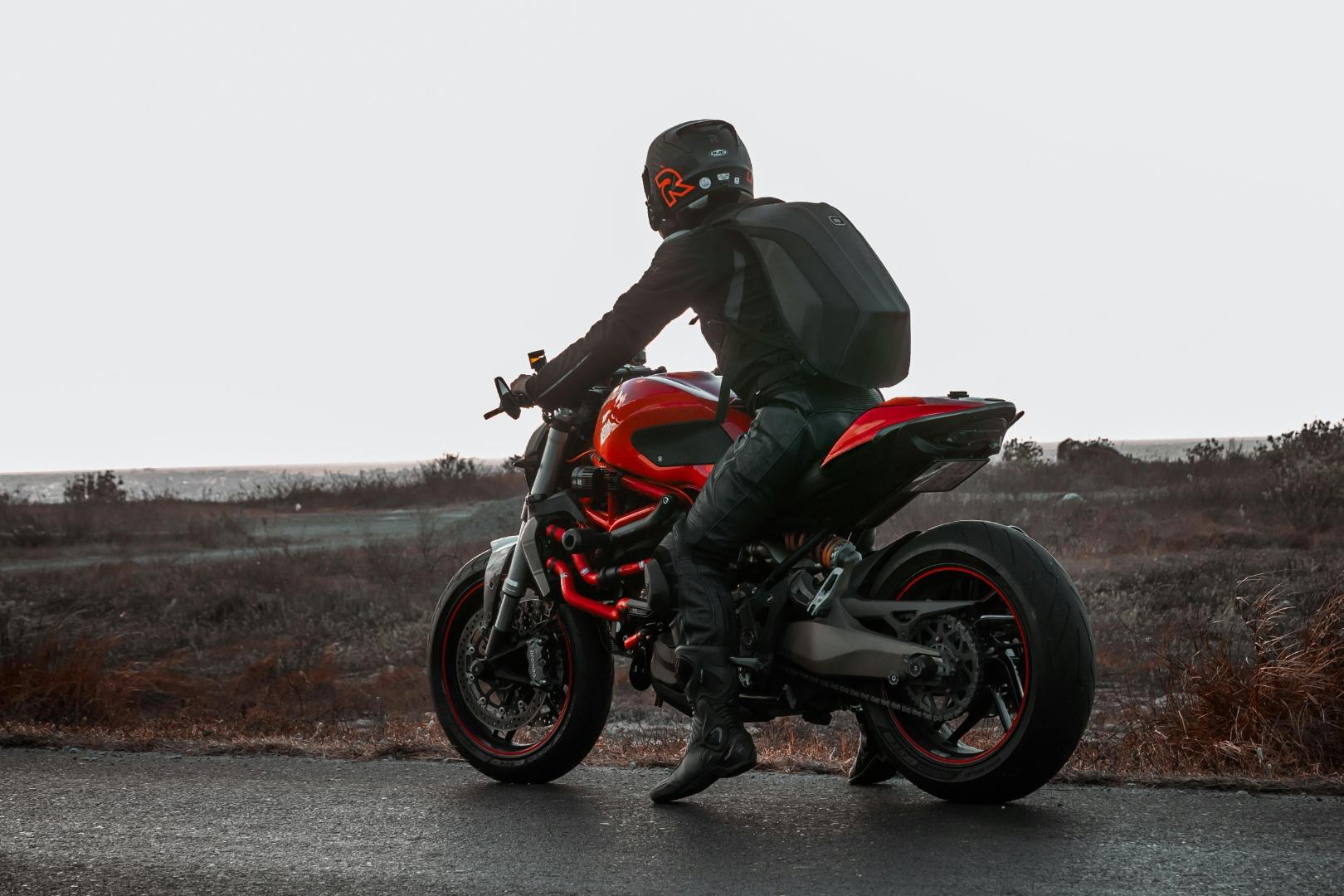


Riding a motorcycle in South Africa is an exhilarating experience; it can make you feel invulnerable, but it's important to remember that we are all still fragile skeletons inside a meat overcoat. If something goes wrong while you're out riding, the consequences can be dire if you are not protected. Being protected doesn't mean you have to ditch the cool, though, and plenty of good riding gear out there will protect you while still making you look like a young Marlon Brando in The Wild Ones.
Related: Rookie Riders Episode 1 – Selecting your riding gear
It is crucial to prioritise safety over looking like a biker. While the law only mandates a helmet, riding "All The Gear All The Time" (ATGATT) is the best way to protect yourself. The right gear protects in a crash, offering comfort and style for a more enjoyable ride.
What safety gear is essential for motorcycle riders in South Africa?
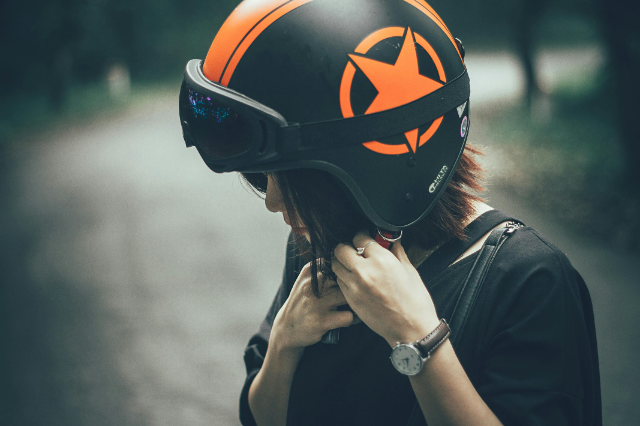
Helmet: The Non-Negotiable
This is the most critical piece of gear and the only one legally required in South Africa.
Legal Requirements: Your helmet must be securely fastened with a chin strap and meet a recognised safety standard. All imported and sold helmets in South Africa must comply with the ECE 22.06 standard (or the older ECE 22.05). Look for this certification label when purchasing.
Types of Helmets:
Full-face helmet: This offers the most protection, as it covers your entire head and face. Studies show that a significant percentage of crashes impact the chin area, making this the safest option.
Modular Helmet: This helmet provides the full protection of a full-face helmet but with the convenience of a flip-up chin bar.
Open-Face/3/4 Helmet: These do not protect your chin or face and are not recommended for maximum safety.
Fit is Crucial: A helmet should fit snugly, without moving side-to-side or up and down. It should not cause uncomfortable pressure points, except for a firm fit around the cheeks, which will settle over time.

Jacket: Protection from the Elements and the Road
A good motorcycle jacket is designed to protect you from abrasion and impact.
Materials: Jackets are typically made from leather, which is known for its abrasion resistance, or durable synthetic materials like ballistic nylon, Cordura, or Kevlar. Many modern jackets combine these materials for a balance of protection and comfort.
Built-in Armour: Look for jackets with pockets for armour at the elbows, shoulders, and back. It is highly recommended that you upgrade the standard foam back protector with a CE-approved hard armour plate.
South African Weather: Given South Africa's climate, a versatile jacket is a great choice. Many modern jackets have removable thermal liners for cold mornings and large, mesh ventilation panels for hot, summer days. Waterproofing is also a key feature to look for.

Gloves: Protecting Your Hands
Your hands are often the first part of your body to hit the ground in a fall.
Protection: Motorcycle-specific gloves are designed with high abrasion resistance and strong stitching. They should cover your entire hand and include knuckle protection.
Fit: Gloves should fit snugly but allow you to maintain a firm grip on the handlebars and controls.
Materials: Leather and synthetic fabrics like Cordura or Kevlar are common choices.

Pants: More Than Just Jeans
Regular denim jeans offer very little protection in a crash. They can wear through in less than a second of sliding on asphalt.
Motorcycle-Specific Pants: Opt for pants made from durable materials like leather or textiles. Many are reinforced with Kevlar or other strong fibres, and they include pockets for armour at the knees and hips.
Style: Many stylish options are available, including motorcycle jeans that look like regular denim but offer superior protection.

Boots: Ankle and Foot Support
Your feet and ankles are vulnerable to crushing and abrasion injuries.
Proper Footwear: Do not ride in sandals, sneakers, or other casual shoes. Motorcycle boots are designed to provide ankle support and protection.
Features: Look for boots that cover your ankles, have non-slip and oil-resistant soles, and are made from durable materials like leather. Many boots have reinforced sections or plastic caps on the ankles, toes, and heels.
Additional Gear for Style and Comfort
Beyond the core essentials, these items can enhance your riding experience.
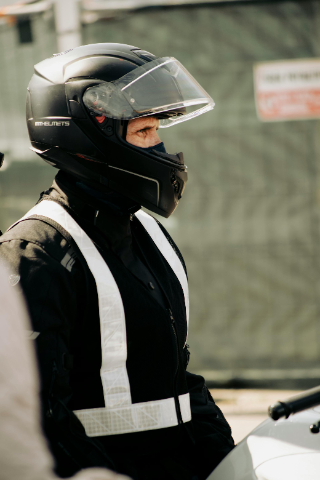
High-Visibility and Reflective Clothing: Staying visible to other road users is paramount, especially at night. Consider a high-visibility vest or a jacket with reflective panels.
Rain Gear: South Africa can experience sudden downpours. A waterproof jacket or a dedicated rain suit can keep you dry and comfortable.
Ear Plugs: Wind noise at high speeds can cause permanent hearing damage and lead to fatigue on long rides. High-quality earplugs are a simple and effective way to protect your hearing.