Unitrans: training tomorrow’s truck drivers
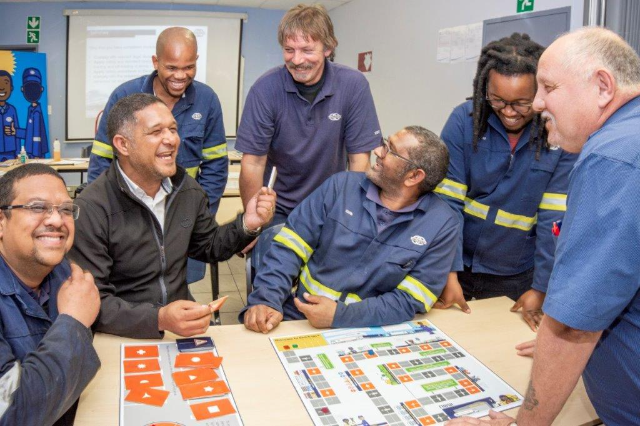
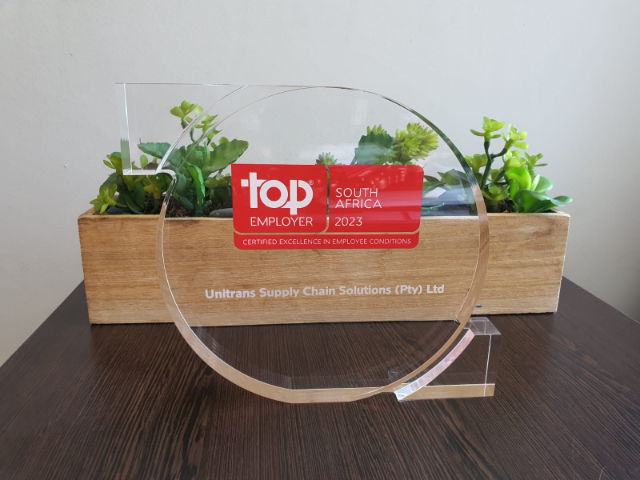
Having recently been certified as a South African “Top Employer” by the Top Employers Institute (TEI), Unitrans is committed to developing highly skilled, well-rounded drivers through its award-winning UniDrive driver training programme.



Unitrans is the market-leading supplier of integrated operational services and solutions across multiple sectors, including mining, petrochemical, and food and consumer logistics.
The company has a wide-ranging footprint that stretches across sub-Saharan Africa and one of its central missions is to leave a positive impact on the economic and social development of the region.
People development is key
Unitrans CEO Terry Bantock says that people development is a central element of this mission. “Our approach to people development considers the strategic imperative of unlocking our employees’ full potential to meet operational needs,” he explains.

“In keeping with this, our organisational effectiveness team drives the implementation of key human capital and business changes, updates, and new initiatives. Their mandate comes directly from the Unitrans board members, who are responsible for leading the company purpose and strategy, as well as deciding the key company initiatives accordingly,” he continues.
“We also invest in the creation of future talent pools through employee bursaries, as well as Learnerships, Apprenticeships, and Internships (LAIs) for unemployed youths,” says Bantock. “These skills development programmes prioritise scarce and critical skills through our Training Needs Analysis (TNA) and Workplace Skills Plan (WSP).”

According to Bantock, for Unitrans, these scarce and critical skills include positions such as continuous improvement engineers, senior level supply chain experts, technicians, and maintenance artisans. “These priorities are based on our overall business strategy, as well as analysis of industry trends and customer commitments,” he notes.
Driver training: strengthening a critical link in the supply chain
When it comes to fulfilling the company’s core service of safely delivering customers’ goods, though, Bantock is quick to highlight Unitrans’ drivers as one of the most critical links in the chain. The UniDrive training programme was first established with this very much at the forefront of the company’s thoughts.
“When various Unitrans entities amalgamated in 2015, it was determined that an internal training curriculum had to be developed, that not only met the training and legislative requirements of our different business units, but those of our customers too,” relates Bantock.

“It was imperative that the new training curriculum reflect our own health and safety culture and our commitment to being culturally diverse and inclusive. As a Transport and Education Training Authority (TETA) accredited learning provider, Unitrans is bound by TETA’s training framework and high curriculum standards,” he emphasises.
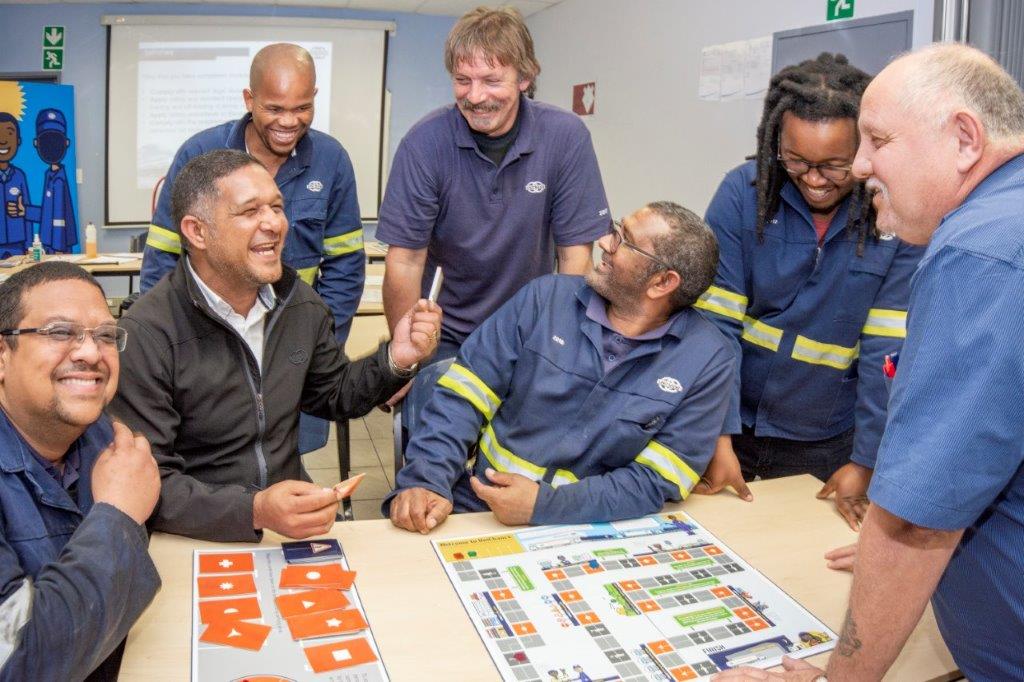
The award-winning UniDrive driver training programme has been central to the positive personal development of these indispensable employees. “The programme gives our drivers a real sense of purpose and belonging,” says Bantock. “UniDrive provides them with the necessary skills and knowledge to perform their duties to the best of their abilities, whilst operating their vehicles in a safe and responsible manner.”

The UniDrive programme consists of eight core modules covered over five days, as well as four hours of practical training. The certification is valid for two years under the “Operate a Vehicle Combination/Rigid” (123254) unit standard.
There is also a ninth elective module on transporting dangerous cargo, which is run over two days, inclusive of practical elements. This module certifies participants for one year under the “Convey Dangerous Goods by Road” (123259) unit standard.
Customer-specific training increases driver responsibility
Bantock points out that since incorporating customer-specific training requirements into its driver training curriculum, Unitrans has enjoyed increased driver responsibility and participation, simultaneously saving revenue and downtime due to drivers attending fewer training days each year.

“Collaborating with all stakeholders during the planning and inception phases of the new UniDrive curriculum also increased stakeholder confidence in our value-add to Unitrans’ vision of people development and road safety in general,” he elaborates.
Optimisation for Sustainability
“In addition to driver training, all efforts have been made to maximise our fleet optimisation, Road Transport Management System (RTMS) accreditation, route optimisation and driver monitoring through our control tower, and the use of technology such as DriveCam and DriveRisk.”

Optimisation also helps to improve sustainability, which is another core pillar of Unitrans’ business operations, and Bantock concludes by pointing out that the company’s approach can provide huge benefits: “Effective supply chain management leads to optimisation, as well as improved business efficiency and resource utilisation. In turn, this leads to reduced emissions (both internally and for our clients), increased sustainability, lowering our footprint, offering real business opportunities and a competitive advantage.”