These rules are significant to South African transport operators – because many of the safety features are finding their way into trucks on this country’s roads. So, what’s the GSR all about? And what new safety features are being fitted to trucks?

Why is the GSR being introduced? Are trucks dangerous?
The GSR is part of the EU’s “Vision Zero” initiative, which targets zero fatalities and serious injuries on Europe’s roads by 2050.

According to Scania, in 2021 there were almost 20,000 fatal road accidents in the EU zone. Heavy vehicles were involved in around 14% of those accidents. Up to 90% of all accidents involved human error. The most common accidents in Europe are:

- Rear-end collisions between cars and commercial vehicles.
- Collisions between a truck that is turning right and a cyclist that is travelling alongside but who intends to go straight ahead.
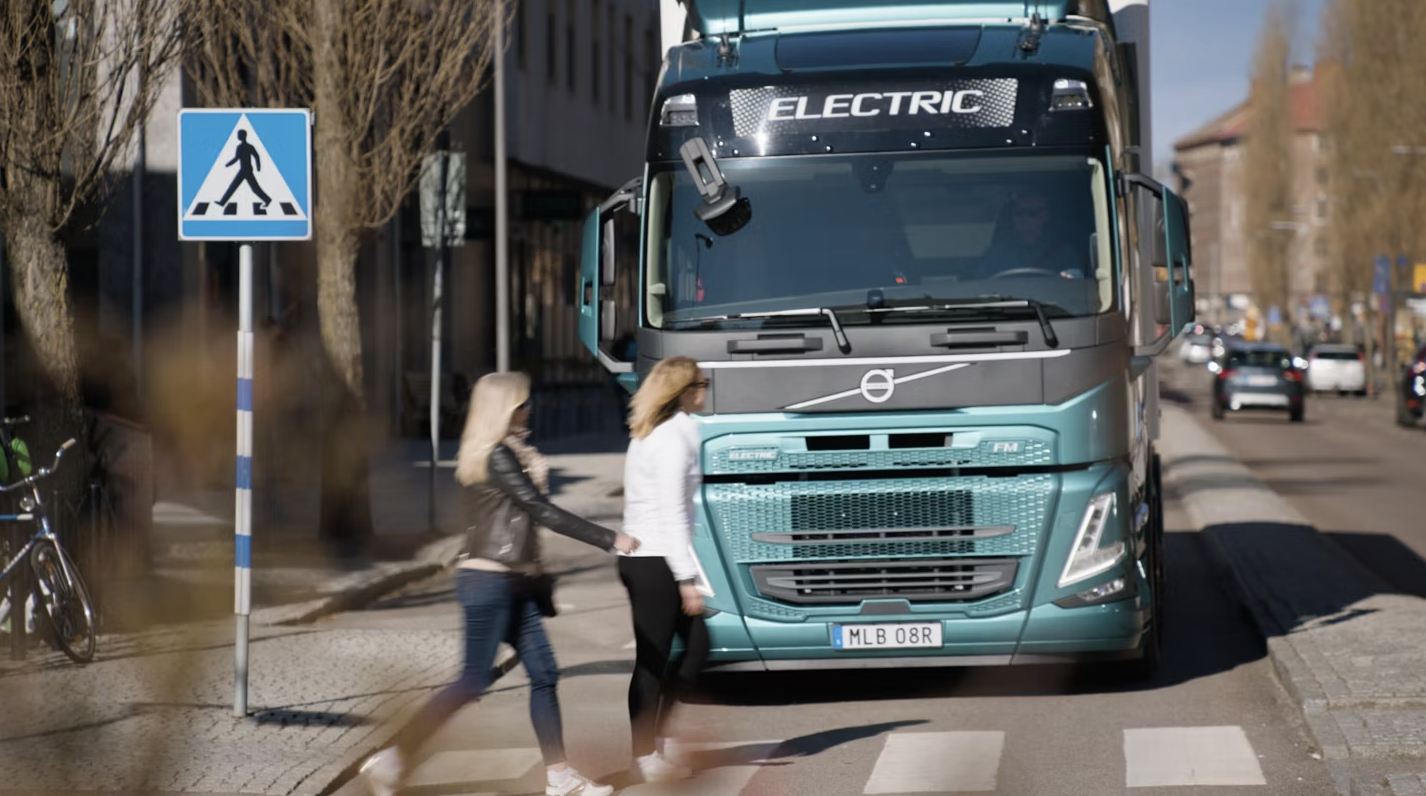
- Collisions with a pedestrian or pedestrians crossing the road in front of the vehicle.
Clearly, the legislators believe that drivers need automated technological help to keep them, other road users and pedestrians safe.
Does it only apply to trucks? What about buses?

The GSR is applicable to all commercial vehicles that have a gross vehicle weight exceeding 3.5 tonnes – including freight trucks, delivery vans, buses, and coaches. Under the new regulation, every truck and bus that is registered in Europe by vehicle manufacturers from July 2024 onwards must include eight specific automatic driver assistance safety features.
What about imported vehicles?
The GSR is applicable to all of the above-mentioned vehicles that are sold in Europe, irrespective of where they are manufactured.

Which eight driver assistance safety features are required?
According to Scania, the following systems are required:
- Emergency stop signal:A flashing light that indicates to other road users behind the vehicle that the vehicle is suddenly slowing down or braking heavily.
- Tyre pressure monitoring system:A system that constantly monitors all the tyres’ pressures as the vehicle is in use and warns the driver when a tyre is under or over-inflated.
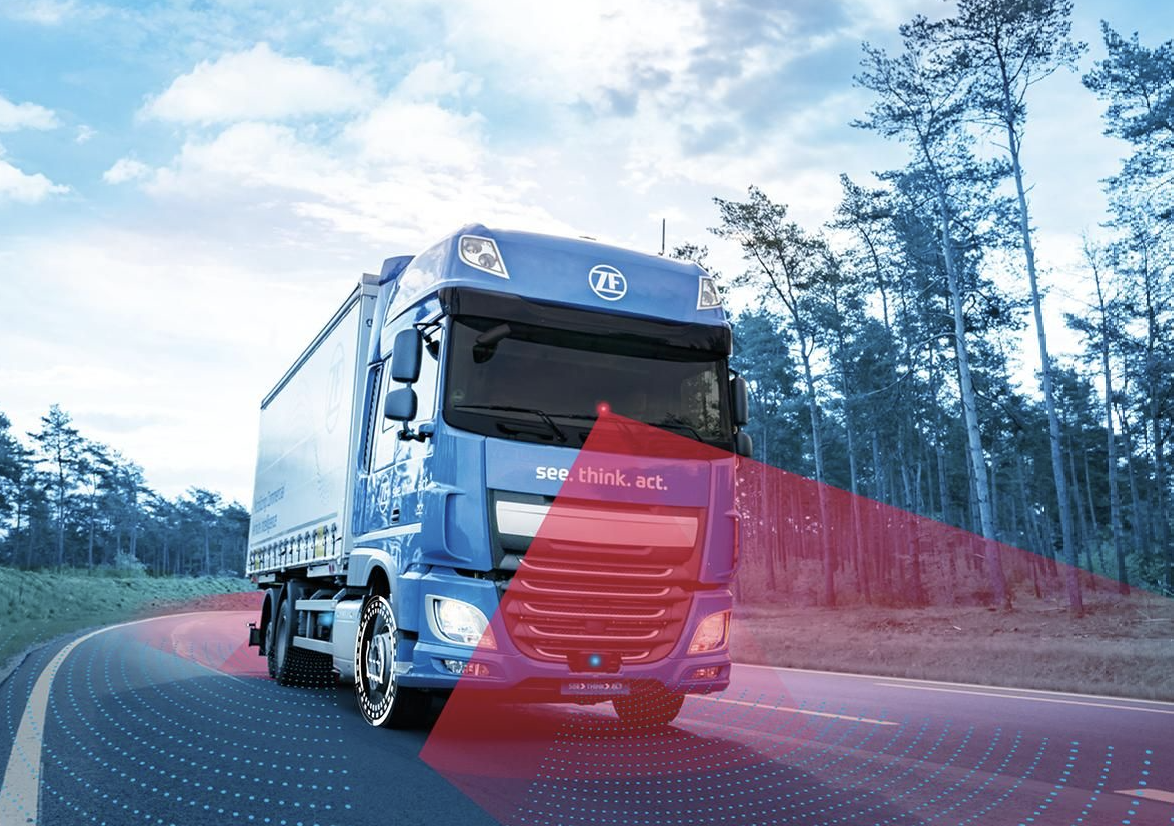
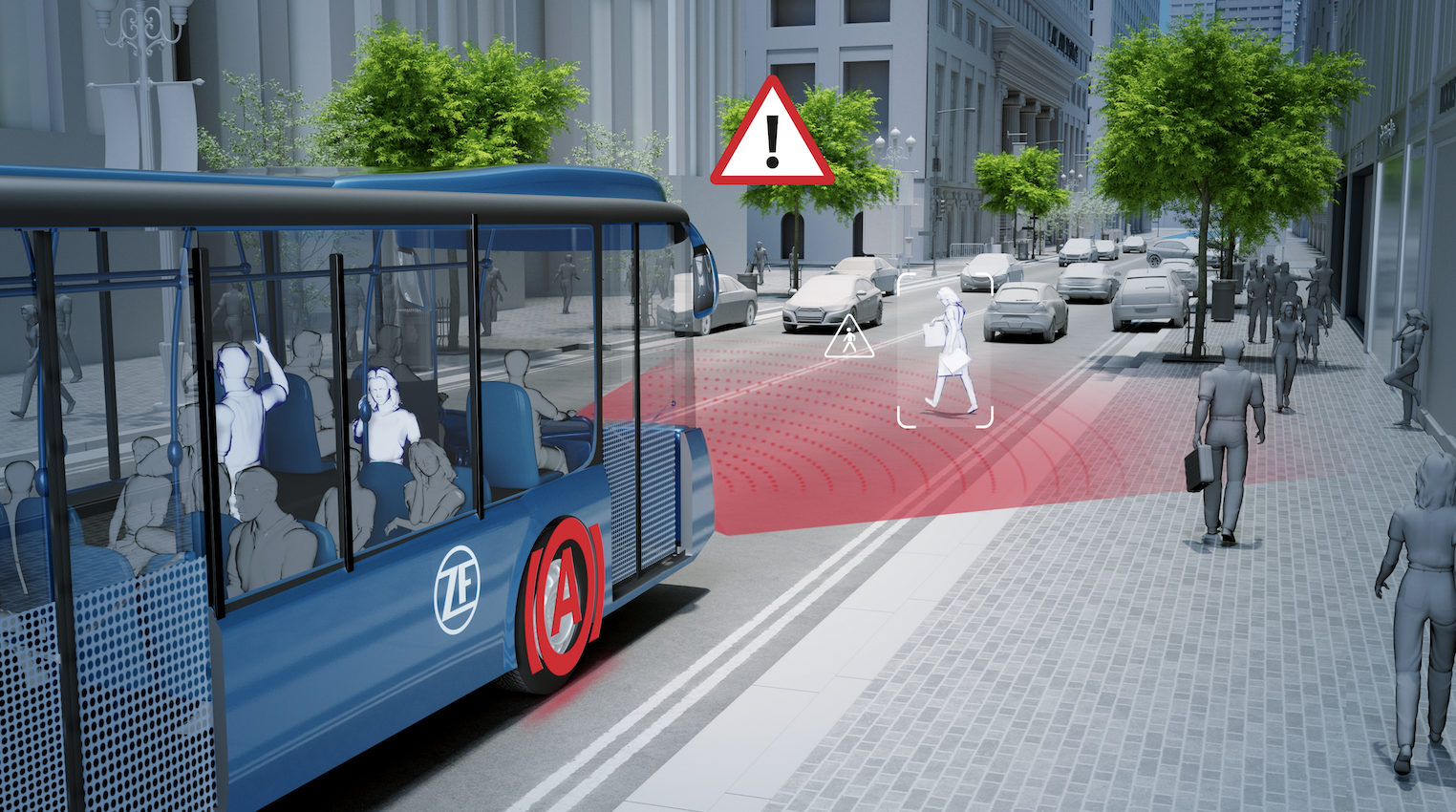
- Blind spot information system:This warns the driver of a possible collision with pedestrians and/or bicycles beside the vehicle. It’s active at low speed.
- Reversing information system:Camera and/or sensor technology that shows the driver if there are objects or people behind the vehicle when they are reversing.
- Moving off information system:Warns the driver of a potential collision with pedestrians and cyclists that are in the proximity of forward blind spot of the vehicle.
- Alcohol Interlock Facilitation Installation:A standardised interface that allows the fitting of the various aftermarket alcolock devices, preventing drivers who are over the drink-driving limit from driving their vehicle.
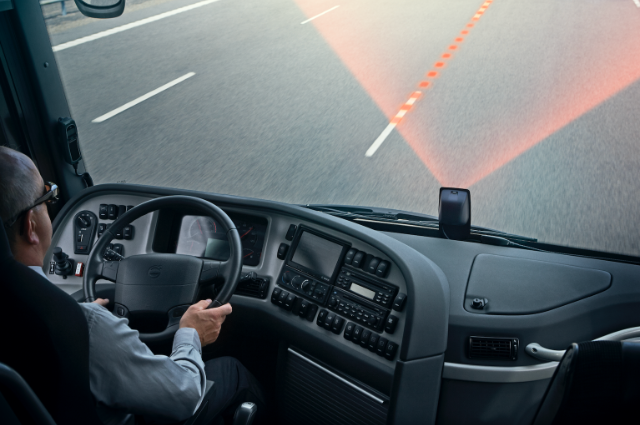
- Driver drowsiness and inattention warning:Warns the driver if the system assesses that they are not as alert and may be tiring.
- Intelligent speed assistance:Warns the driver from exceeding the speed limit by using cameras and GPS-linked map databases.
Are there any other benefits associated with the GRS (other than safety)?
Absolutely. When a vehicle is involved in an accident, it’s off the road – and, when the wheels stop turning, a commercial vehicle is no longer making money for its owner. A vehicle that is taken out of commission for repairs that can take several days or weeks translates into expensive downtime, while there is also the insurance cost stemming from the claims relating to the accident itself.
Are these features mandatory in South Africa?
They’re not. However, many of these features are offered by local companies. For instance, back in May 2023, Volvo Trucks South Africa introduced a number of safety features to South African-spec’d vehicles – even though they’re not a legal requirement.
“Safety is one of the driving forces behind every decision we make. Our vision of a zero-accident future is one which covers all road users, guides the way to a better future and drives us towards our goal of making the world’s safest trucks,” says Waldemar Christensen, MD of Volvo Trucks South Africa.

“Although these regulations do not apply in South Africa, our smart safety systems are designed to monitor truck behaviour and surrounding traffic not just to protect, but to predict safety hazards and react. The systems may be out of sight, but they are engineered to activate and to support the driver in a wide variety of conceivable situations. And by doing so, they make the trucks as safe as possible for the driver, as well as all other road users,” he explains. Clearly, the GSR is good news for South African truckers and motorists too!