World first: production of renewable green hydrogen using wind power starts
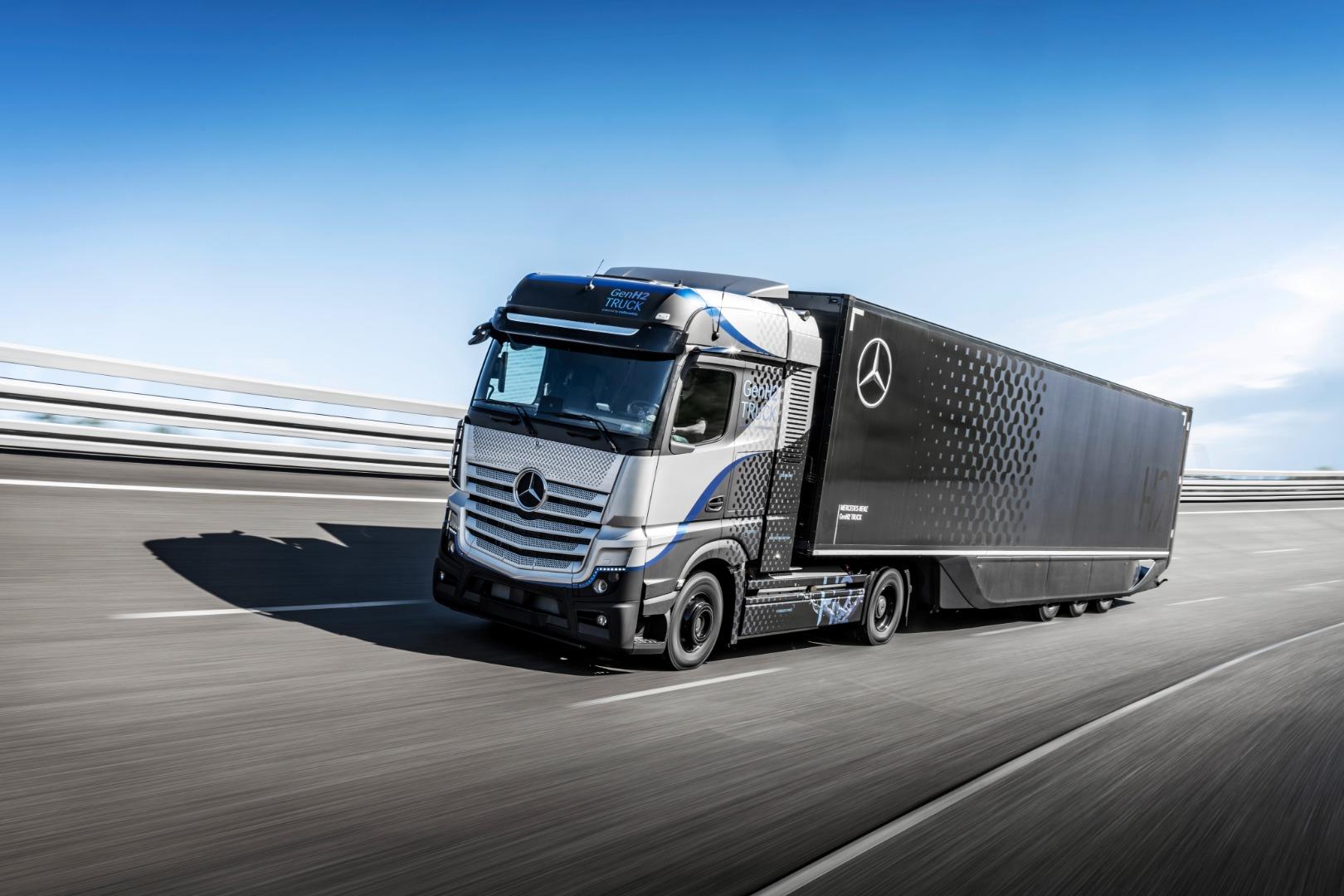
Hydrogen trucks are coming. For instance, the Mercedes-Benz GenH2 Truck – which will offer a range of 1000 kilometres or more – is due in 2027. But where will all the hydrogen come from? And will it be truly “green”?


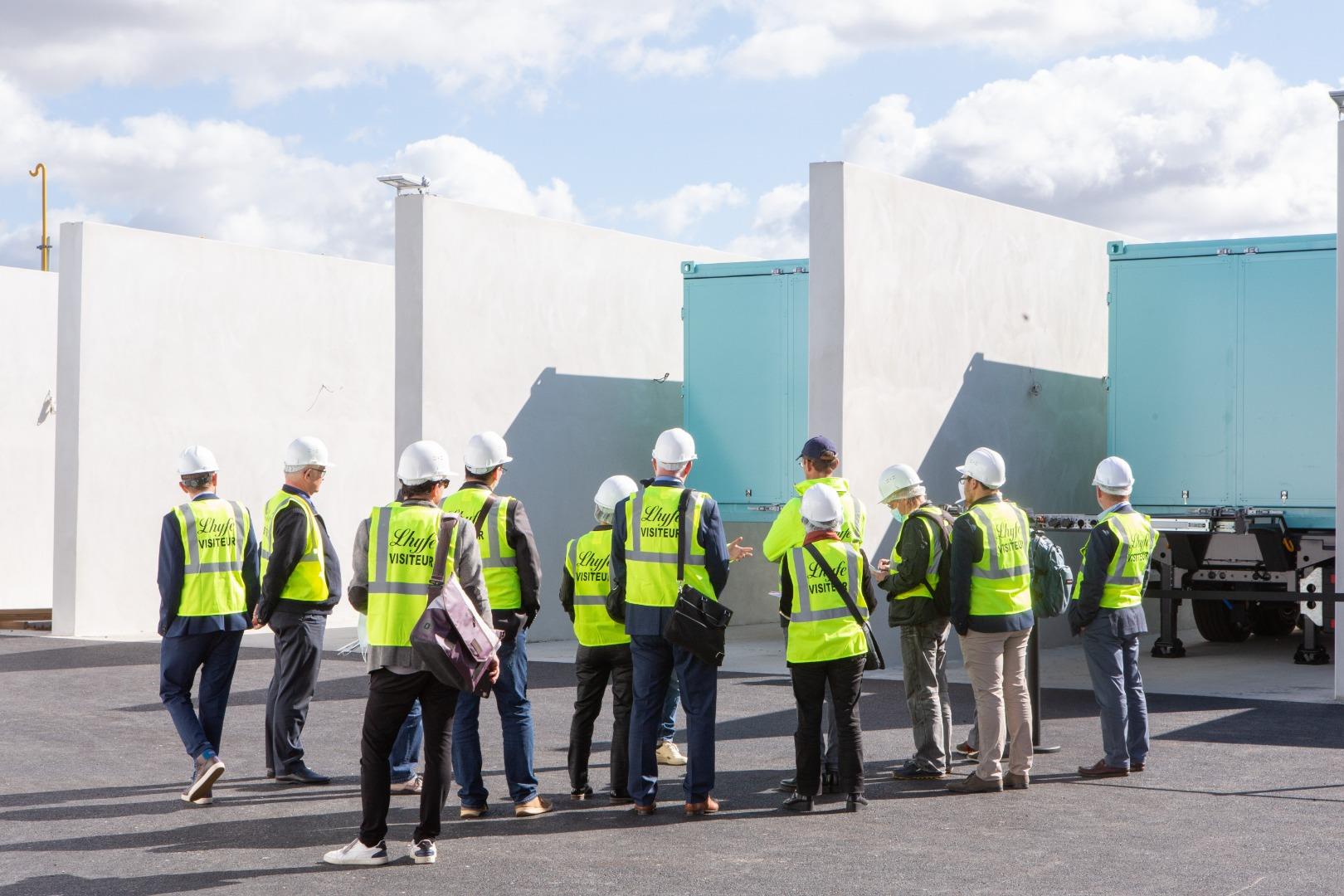
French company Lhyfe, a world pioneer when it comes to renewable green hydrogen, has come up with a solution. It is producing hydrogen using wind power on an industrial scale – and this is a world first.
Why green hydrogen?
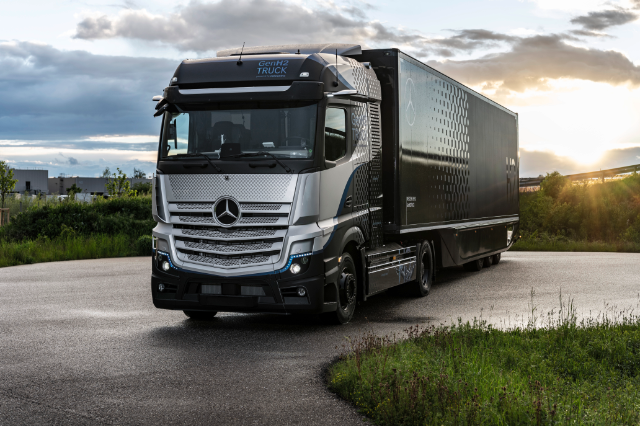
But why is green hydrogen so important? Well, the benefits of hydrogen are well documented. As Lhyfe notes, hydrogen is a source of energy that offers all the advantages of petrol and diesel without their disadvantages: it is highly concentrated, and it can be transported and stored quite easily. Furthermore, a hydrogen fuel tank takes just a few minutes to fill at a service station (like a tank of conventional fuel). Ranges are impressive (as much as a full tank of diesel/petrol but much more than an electric vehicle). Hydrogen vehicles are silent – and they give off no pollutants: just a few drops of pure water.
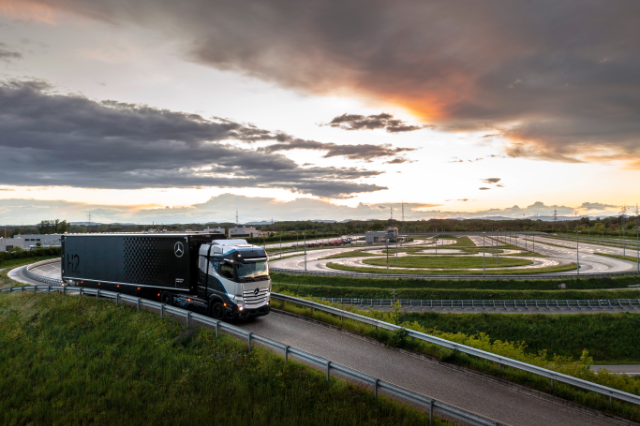
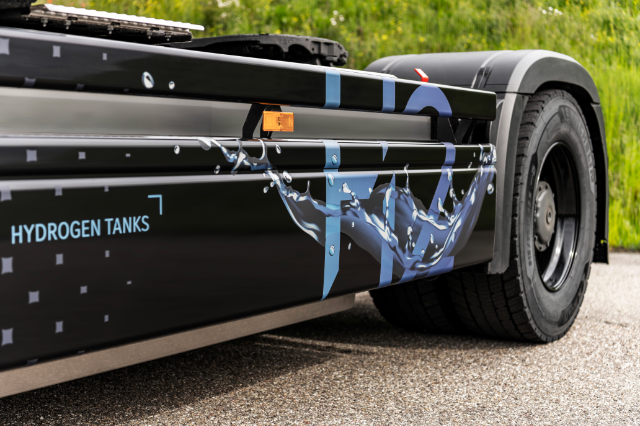
However, this bed of roses amounts to little if the hydrogen isn’t green – and it can only become green if certain production methods are used. The challenge is that hydrogen – an invisible, odourless and non-toxic gas lighter than air – is not found naturally in that state; the H2 molecule is always associated with another molecule. It needs to be produced by separating it from that other molecule – and it is the manner in which this is done that leads to a classification of types of hydrogen. Those three classifications are grey, blue and green.
Grey hydrogen accounts for 95% of hydrogen supply and is produced from fossil fuels, mainly coal and natural gas. “This produces significant volumes of carbon emissions. Blue hydrogen production uses the same fossil-fuel based sources as grey hydrogen (coal or natural gas), but uses carbon capture, utilisation and storage technology at the end of the extraction process, which can trap up to 90% of the greenhouse gas emissions,” a PwC study titled Unlocking South Africa’s hydrogen potential explains.
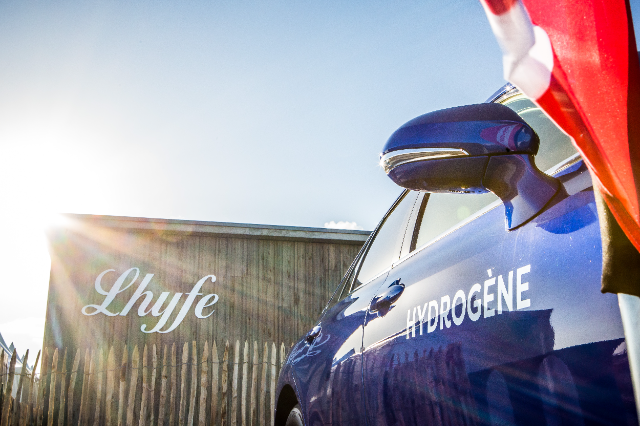
Green hydrogen, on the other hand, is produced in a sustainable way and creates no carbon emissions in its production. One of the sustainable methods is via the use of an electrolyser powered directly by wind turbines – and that’s precisely what Lhyfe is doing. Its production method involves passing an electric current through water to break down the H2O molecules into oxygen (O2) on the one hand, and hydrogen (H²) on the other.
Benefits of wind power
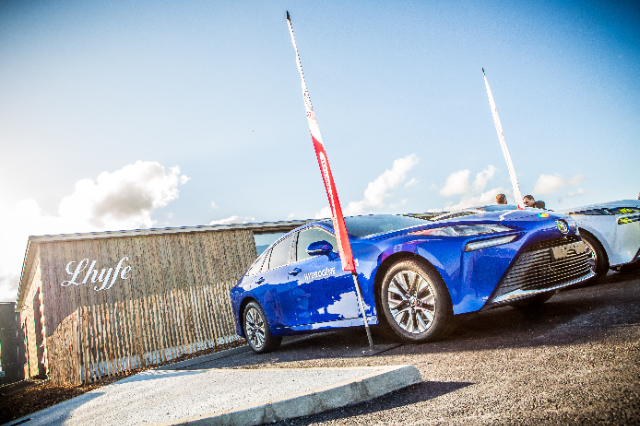
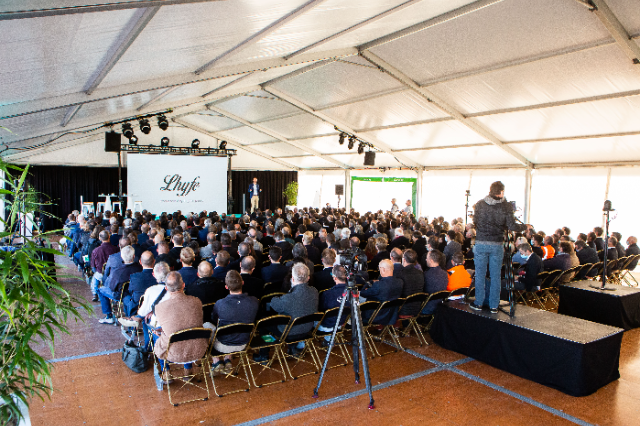
In producing its hydrogen, Lhyfe uses natural resources that allow it to drive its production process and manufacture hydrogen while giving off only water and oxygen. It is the first company in the world to produce 100% ecological hydrogen from wind power on an industrial scale. On October 1 this year, the company inaugurated its first production site for this purpose in Bouin, France.
Lhyfe is nailing its flag to the wind power mast because there’s no real limit to the amount of power available. While it notes that most sources of renewable energy are currently onshore (on land), offshore wind farms can provide a copious source of renewable energy too. And we’re talking about a lot of potential energy here; after all, the oceans cover 80% of the earth’s surface.
Factory already producing green hydrogen
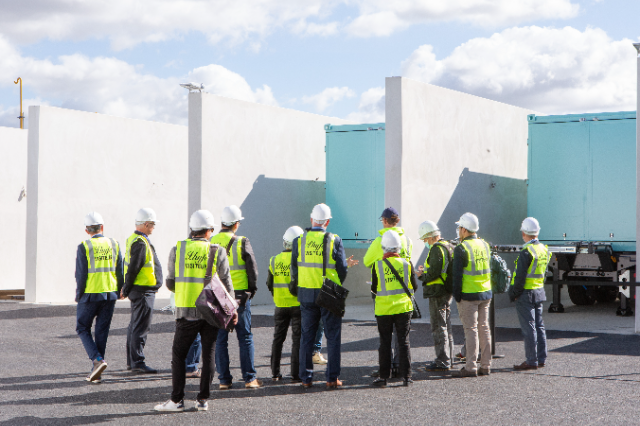
But, for now, existing onshore wind power is sufficient (it comes from the neighbouring Bouin onshore wind farm) and, a few metres from the ocean in Port-du-Bec in Vendée, Lhyfe is now producing the first renewable green hydrogen in the world made using an electrolyser powered directly by wind turbines. This factory produces 300 kg of hydrogen per day, and it aims to ramp up to one tonne of hydrogen per day soon.
Lhyfe’s hydrogen is supplying four refuelling stations in western France. Some 50 heavy-duty trucks, buses and refuse collectors will be powered by renewable green hydrogen in Loire-Atlantique, Sarthe, and Vendée at first – and then in other French provinces too.
This is the first of many such sites to come; Lhyfe has already confirmed some 60 projects throughout Europe. Some of those hydrogen production facilities won’t be on land. The company has already announced the construction of the world's first offshore hydrogen production facility. Located near Le Croisic, it will be powered by electricity from a floating wind turbine, and it will be operational in 2022.
And what about hydrogen production facilities in South Africa? “Lhyfe has no specific plans to announce pertaining to South Africa at the moment. But the country is among the regions of interest. The next projects will be in Germany, Italy and Denmark,” a Lhyfe spokesman reveals.
So, unless another player expresses interest in South Africa, we won’t be producing renewable green hydrogen using wind power any time soon. But maybe one day …