Eight things you should know about the Hino 300 Hybrid
Hino South Africa is trialling the Hino 300 Hybrid with selected customers – a move that could reshape how local fleet operators think about energy, efficiency and emissions. Already proven in markets like Australia, Mexico and Japan, this light-duty hybrid truck is now being tested under South African conditions. But what does that actually mean for operators on the ground?


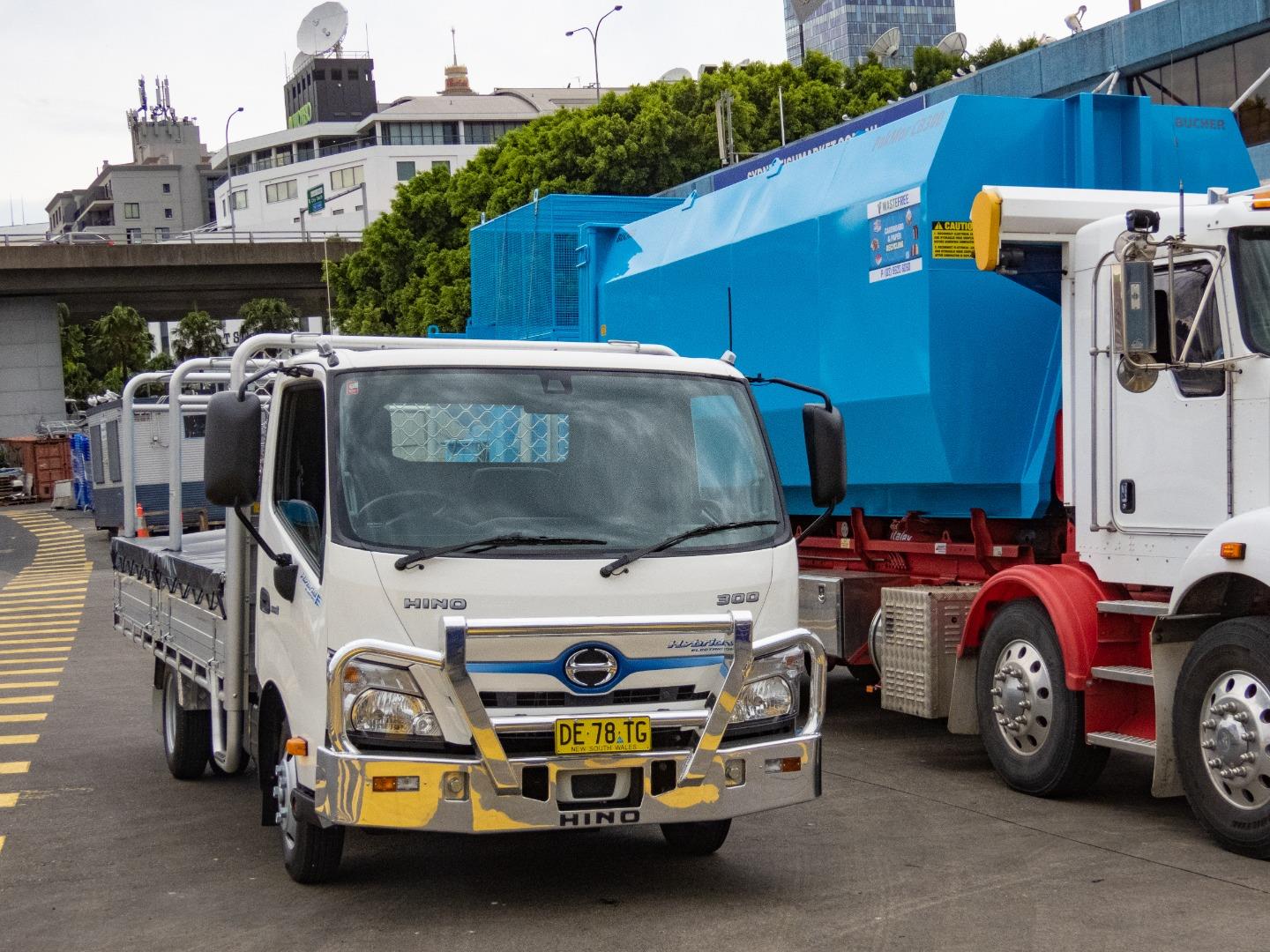
Here are eight key things South African fleet managers and logistics companies should know about the Hino 300 Hybrid – beyond the marketing hype.
1. It’s a hybrid – not a fully electric truck
Unlike fully electric trucks, the Hino 300 Hybrid combines a conventional internal combustion engine with an electric motor. That means no charging stations are required. Energy is recovered through braking (regenerative braking) and used to support acceleration, reducing fuel consumption and emissions. For South African operators who face limited electric vehicle infrastructure, this makes the Hino 300 Hybrid immediately more practical.

2. It’s being trialled locally
The Hino 300 Hybrid is not yet available for general sale in South Africa. It’s currently being trialled with selected customers as part of Toyota South Africa Motors' (TSAM) New Energy Vehicle (NEV) strategy. These trials will test how well the vehicle performs under local operating conditions – from stop-start city driving to longer regional hauls.

3. It has been proven to save fuel in other markets
In Australia, real-world testing showed fuel savings of up to 21% when compared to conventional diesel models – dropping from 13.6L/100km to 11.1L/100km. That translates into thousands of rands in annual savings per vehicle. In Mexico, urban delivery fleets using the Hino Hybrid have reported fuel savings of over 35%, thanks to the electric motor’s efficiency in low-speed conditions.
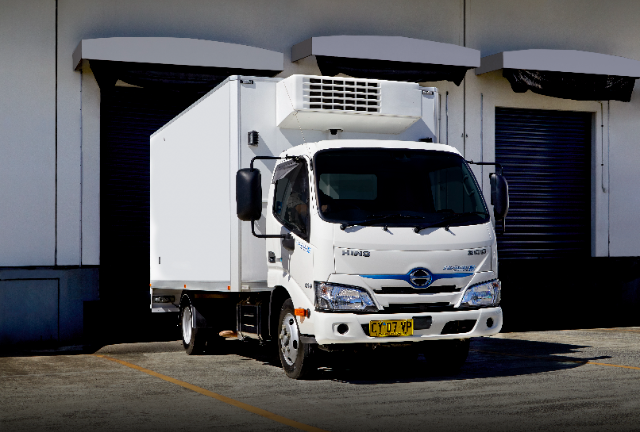
4. Up for grabs: lower emissions without operational trade-offs
For companies looking to cut emissions, the Hino 300 Hybrid offers a significant improvement without requiring a wholesale shift in fleet operations. It delivers reduced CO₂ output and less noise, particularly in urban environments – without sacrificing payload capacity or reliability.

5. It offers a “bridge” to electrification
Fully electric trucks are coming, but most South African operators aren't necessarily ready to jump in just yet. There are many reasons why: infrastructure is limited, costs are high, and the technology is still maturing. Hybrids like the Hino 300 offer a practical stepping stone – allowing fleets to gain experience with cleaner tech, build internal capacity, and plan for future EV investment.

6. Maintenance costs may be lower
International data suggests that hybrid trucks like the Hino 300 can reduce maintenance costs by up to 16% annually. This is largely due to regenerative braking (which reduces brake wear) and less stress on the combustion engine. For cost-conscious fleet managers, this could add real value over a vehicle’s lifetime.

7. Backed by Toyota engineering
The Hino 300 Hybrid benefits from Toyota’s decades of hybrid experience. First launched in 2007, it has undergone two major updates – most recently in 2020, adding Euro 6 emissions compliance (not confirmed for South Africa), a lighter and more compact power control unit, and an upgraded six-speed transmission. So, it’s not experimental – it’s evolved.

8. It's already a success abroad
The Hino 300 Hybrid is not a prototype. In Australia, sales rose 400% in one year, with local councils integrating it into waste and parks fleets. In Mexico, more than 1,400 units have been sold, mostly to companies focused on sustainable last-mile delivery. In the United States, it’s a staple in urban logistics.
We’ll be watching…
While not yet available for full commercial purchase, the Hino 300 Hybrid is a product to watch. It promises tangible benefits in fuel savings, emissions reduction, and long-term reliability. And for transport companies navigating rising fuel costs and increasing pressure to decarbonise, it offers a smart and flexible alternative.
Whether it proves successful in South African conditions will depend on how it handles local routes, fuel quality and maintenance environments. But its global track record suggests it’s more than up for the task.
For now, the Hino 300 Hybrid stands as an important early test of hybrid trucking in South Africa – and a possible sign of things to come.
- Photographs by Tim Giles and Gavin Myers.