This agreement, finalised in June 2025, brings together four corporate giants – Daimler Truck, Toyota Motor Corporation, Hino Motors Ltd, and Mitsubishi Fuso Truck and Bus Corporation – with the shared goal of forming a formidable new entity in the truck manufacturing sector.

The integration – first announced back in 2023 – is scheduled to culminate in April 2026, when the new holding company will officially begin operations. The company will be headquartered in Tokyo and listed on the Prime Market of the Tokyo Stock Exchange. Daimler Truck and Toyota will each hold a 25% stake, with the new entity owning 100% of Hino and Fuso. Karl Deppen, currently President and CEO of Mitsubishi Fuso, has been named as the CEO of the new venture.
Strategic rationale
The merger is described by the companies involved as being “on an equal footing,” focusing on integration in the areas of product development, procurement, and production. This collaboration is seen as a direct response to intensifying global competition, rising development costs, and the growing urgency of the transport industry’s shift toward decarbonisation.


By uniting the resources, engineering talent, and production expertise of two historically competitive brands, the newly formed company aims to become a dominant force in the Asia-Pacific region – and a key player on the global stage. The merged entity will have more than 40,000 employees worldwide and plans to focus heavily on CASE technologies (Connected, Autonomous, Shared, and Electric), including hydrogen-powered drivetrains.

Historical context
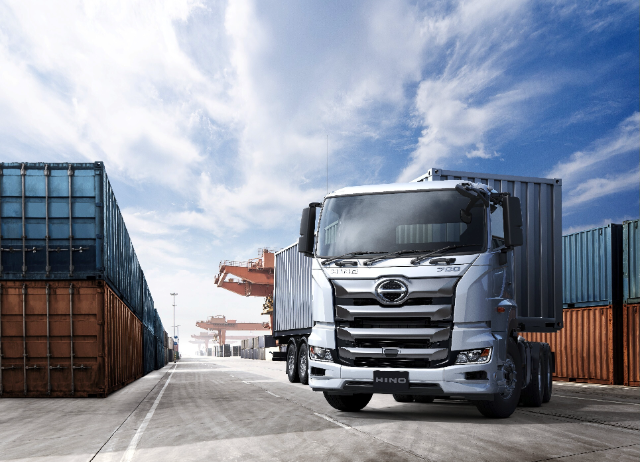
Both Hino and Fuso are well-established names in the truck and bus industry with strong footprints in Asia and emerging markets. Hino, a Toyota subsidiary since 2001, has a longstanding presence in South Africa, with a strong dealer network and solid customer base. Fuso, owned by Daimler Truck, traces its brand back to 1932 and is known globally for the likes of the Canter and Super Great truck ranges. It, too, enjoys brand recognition and market share in South Africa and across Africa.

While both brands have at times competed fiercely, this new collaboration is framed as a strategic necessity in an era of rapid technological evolution, environmental regulation, and supply chain complexities.
Implications for South Africa
Despite the global significance of the deal, the precise impact on the South African market remains unclear. In separate statements, both Toyota South Africa Motors (TSAM) and Daimler Truck Southern Africa acknowledged the importance of the merger but stopped short of providing detailed forecasts.

TSAM Vice-President for Hino, Anton Falck, emphasised that the merger presents “opportunities” but noted that Hino and Fuso would continue to operate through separate distribution channels for the foreseeable future. “While these opportunities will certainly benefit Hino dealers and customers in Southern Africa, these brands will continue to compete via separate distribution channels,” he said.
Daimler Truck Southern Africa also confirmed the early-stage nature of the merger and declined to speculate on local operational changes. The company reiterated its commitment to transparency and pledged to provide further updates as more information becomes available.

Industry reaction
Not surprisingly, reactions from the leadership of all four parent companies have been broadly positive, with particular emphasis on the potential to jointly tackle challenges such as carbon neutrality, supply chain resilience, and cost pressures.

Karin Rådström, CEO of Daimler Truck, described the merger as “historic,” highlighting the scale advantages and technical synergies. Toyota’s CEO Koji Sato positioned the collaboration as a shared vision to “achieve a sustainable mobility society”. Meanwhile, Hino’s Satoshi Ogiso and Mitsubishi Fuso’s Karl Deppen expressed enthusiasm about creating a stronger, more resilient commercial vehicle group with the agility to navigate a changing industry landscape.

More questions than answers
While the structure and vision of the new company are now formalised, many questions remain unanswered – particularly regarding the operational integration of the two brands in local markets. The merger’s success will depend not only on the effective unification of corporate cultures and manufacturing systems, but also on how well it maintains brand identity and dealer confidence.

For South African stakeholders, especially dealerships, fleet operators, and logistics firms, the message for now is “wait and see”. The promise of more advanced products, better procurement efficiencies, and improved R&D capability is certainly appealing – but, until firm details emerge, existing distribution and customer support channels will continue as normal.

In the meantime, the global truck industry will watch closely as this Japanese powerhouse takes shape. If successful, the Hino–Fuso integration could set a precedent for further consolidation in an industry facing immense disruption and transformation.