
Practically, this means all the vehicles on its roads will be electric. Can South Africa do the same? Jamie Fox, Principal Analyst at Interact Analysis, answered this question – and others – in an exclusive interview.

Chile is doing an incredible job when it comes to e-mobility; when one looks at a percentage of the total bus fleet, it is outperforming Europe and North America. Do you think South Africa could follow Chile’s lead?
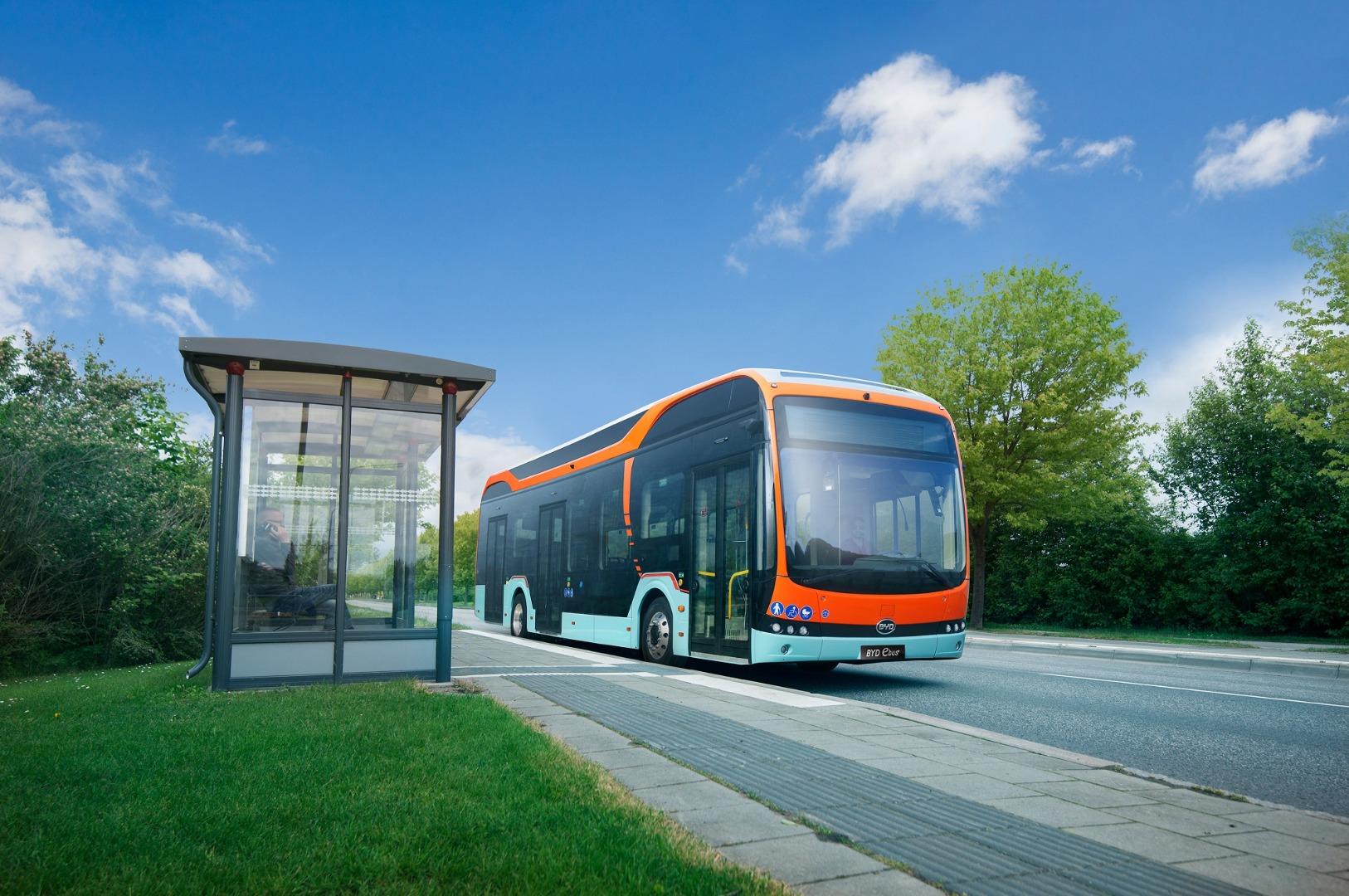
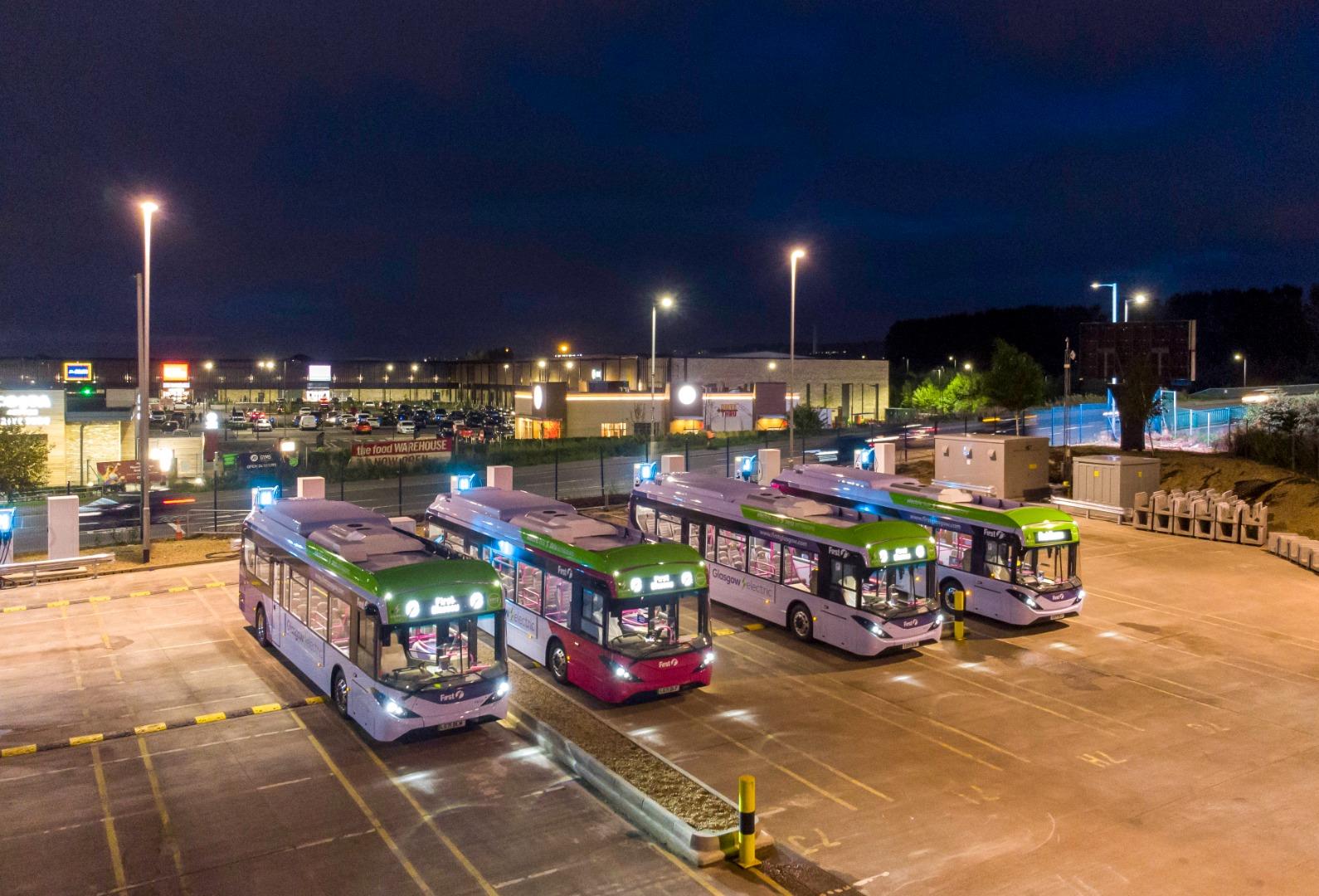
Yes, South Africa could follow Chile’s lead on buses. However, strong government support for the process would most likely be needed. It makes sense to first use electric buses on short distance, low-speed routes in city centres and then learn from this experience to later expand to the whole urban area. This is what is being done already in some European cities.
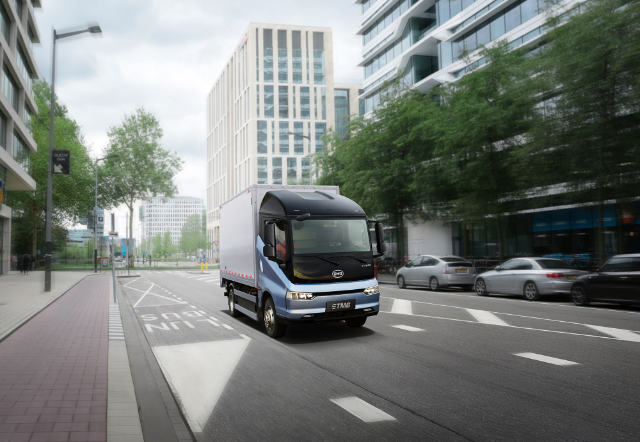
South Africa is a very price-sensitive market and electric vehicles (EVs) tend to be expensive. Is this a challenge perhaps?
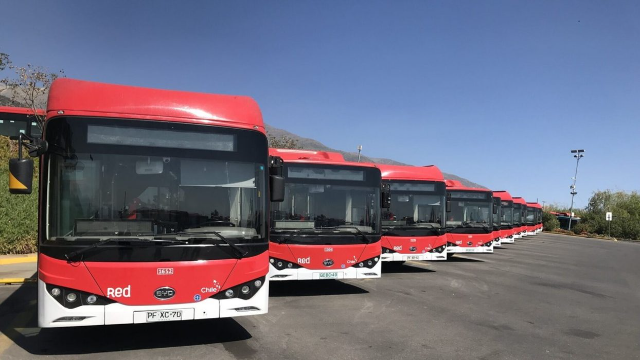
Yes, this is always a challenge, however the BYD and other buses being sold in Chile are now less than USD$300,000 which makes them fairly close to a diesel bus at nearer $200,000. The cost savings in maintenance and the lower electricity cost (versus the cost of diesel) can make up the difference over time.
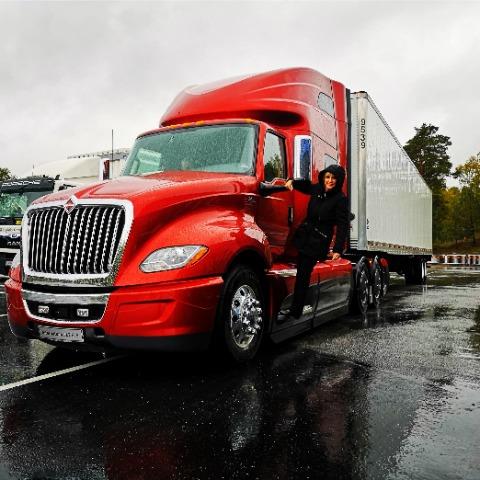
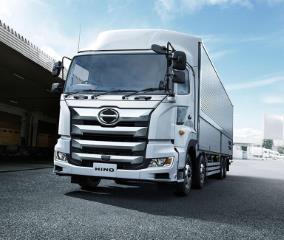
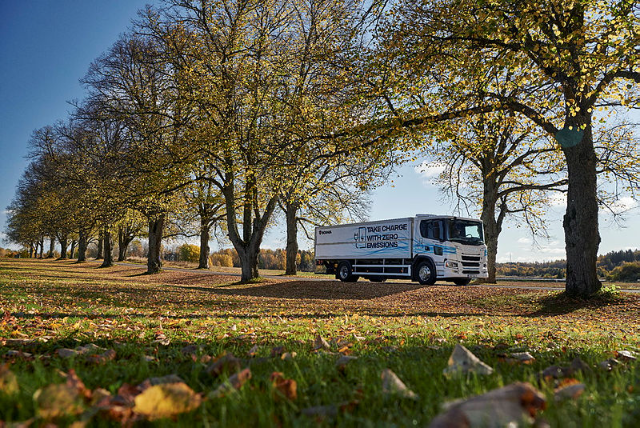
The range of EVs remains a challenge – especially when electric trucks need to cover vast distances (and this is very much the case in South Africa). Is this a problem?
Yes, this is a very large challenge and one that will not be solved easily. Electric trucks will either have a shorter range (200 miles) or they will be very expensive. There is also currently limited supply of these vehicles. Hydrogen fuel cell vehicles are a possibility but also come with high costs and supply chain challenges. Realistically, the trucks that need to cover vast distances will mostly not be electric in South Africa in the next few years. Due to the range of EVs, we will realistically see them mostly used in urban environments for now.
South Africa’s electricity is “dirty” in that it comes from coal. Bearing this in mind, does it still make sense to go the EV route here?
The coal reduces the argument for battery EVs quite a lot, but it still probably just makes sense to use them because even vehicles powered by an electricity grid that has a high percentage derived from coal can still cause a little less climate change than conventional vehicles. This is because large power stations and EVs are more efficient than combustion energy vehicles. However, it would be quite close. So, in order to determine for certain that this is true for the South African case, calculations would need to be made considering the type of coal used, the efficiency of the plants, the specifications of the vehicle and the routes that they are planned to be used on. Only with field testing could this be finally confirmed for sure.
It is also important to bear in mind that pollution from diesel vehicles (including hybrids) is pollution in the city centre where the people are concentrated. While coal plants do pollute, in many cases that pollution is removed from urban areas, so the effect on human health may be less in some cases. Fumes from diesel vehicles affect everyone’s health. Fumes from a coal plant only affect our health if we live near one.
Should we be considering a move away from coal in the future?
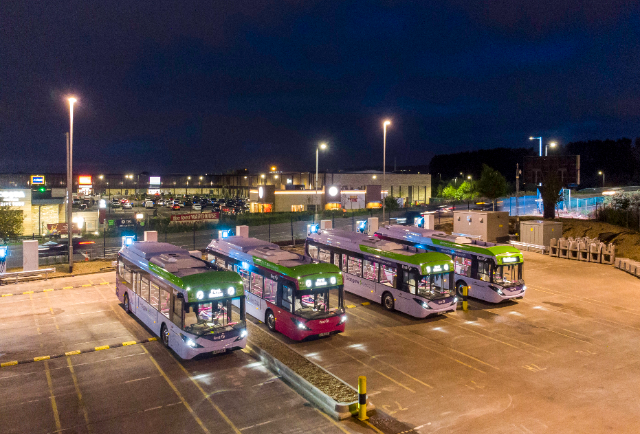
Yes. South Africa’s percentage of electricity from coal will almost certainly reduce during the lifetime of the vehicle of perhaps 10 to 15 years. Therefore, the purchasing decision for 2022 should be based on the realistic forecast average electricity grid mix (carbon intensity) of the electricity grid from 2022 to 2035.
What about solar power?
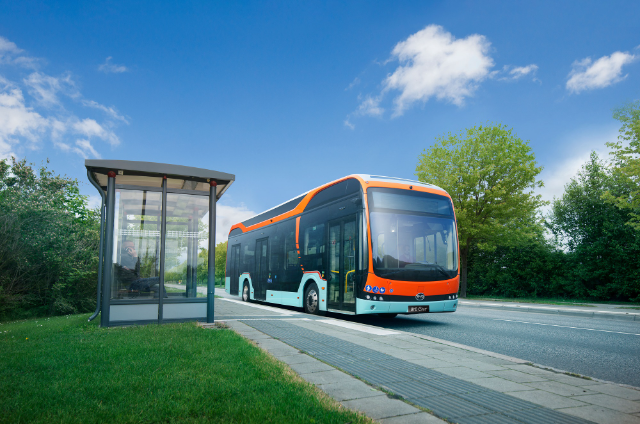
Bus depos can be built with a shade above each parking/charging spot with solar panels on the roof. However, this will only provide a minority of the energy. Another option is for bus operators instead of using grid electricity is to make a deal to build new renewable energy plants and contract to get all that energy. This requires government support and upfront funding, however. Chile used this approach in its metro/subway/underground system.
Finally, what is the way forward for South Africa?
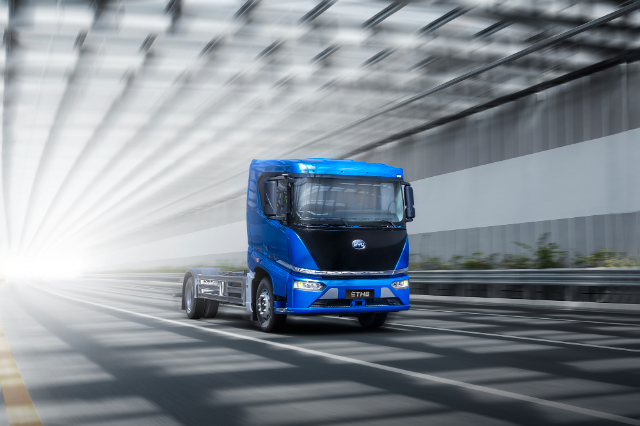
In my personal opinion, shutting down the coal plants should be the top priority for South Africa. Iit is only possible to do one thing (namely shut down the coal plants or get EVs) then it would make sense to shut the coal plants first in my opinion. However, doing both would be better.
While we don’t have specific forecasts for South Africa, your country may follow the global trend – namely the adoption of electric urban vehicles growing quite quickly – but with very little to happen in the next few years for intercity buses and long-distance trucks.
Because of the large amount of coal, the argument for hybrid vehicles is stronger in South Africa. However, most vehicle manufacturers are not focusing on hybrids – so there is less available supply.
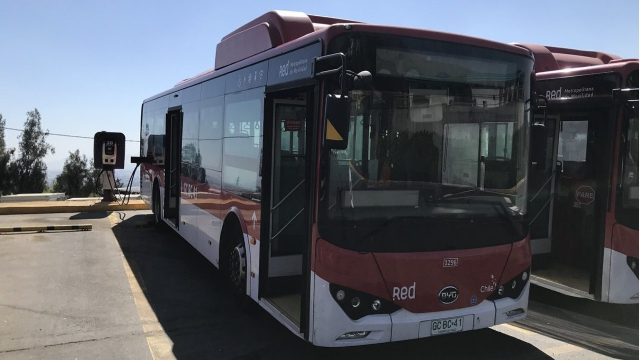
- Jamie Fox, who is based in Chile, has over 15 years of experience in market intelligence covering components for commercial vehicles, including EVs. He holds a BSc in Physics and Astronomy and an MSc in Nanoscale Science and Technology. Interact Analysis produces annual reports on on-road commercial vehicles, off-road vehicles and components. All the reports are focused on EVs (including hydrogen and hybrids).