Chipageddon: Scania and Hino speak out!
As regular readers will be aware, we have produced a series of articles on the impact of so-called “Chipageddon” on truck manufacturers in South Africa. In part one, we revealed how DAF and UD Trucks have been impacted by the shortage of semiconductors (also referred to as “computer chips”). Last week, we revealed how Iveco has been impacted by the crisis.

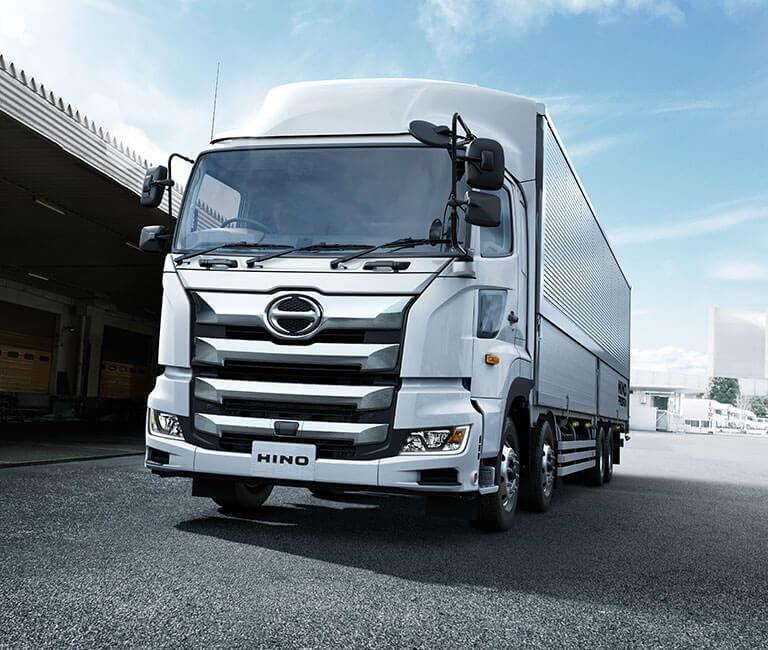
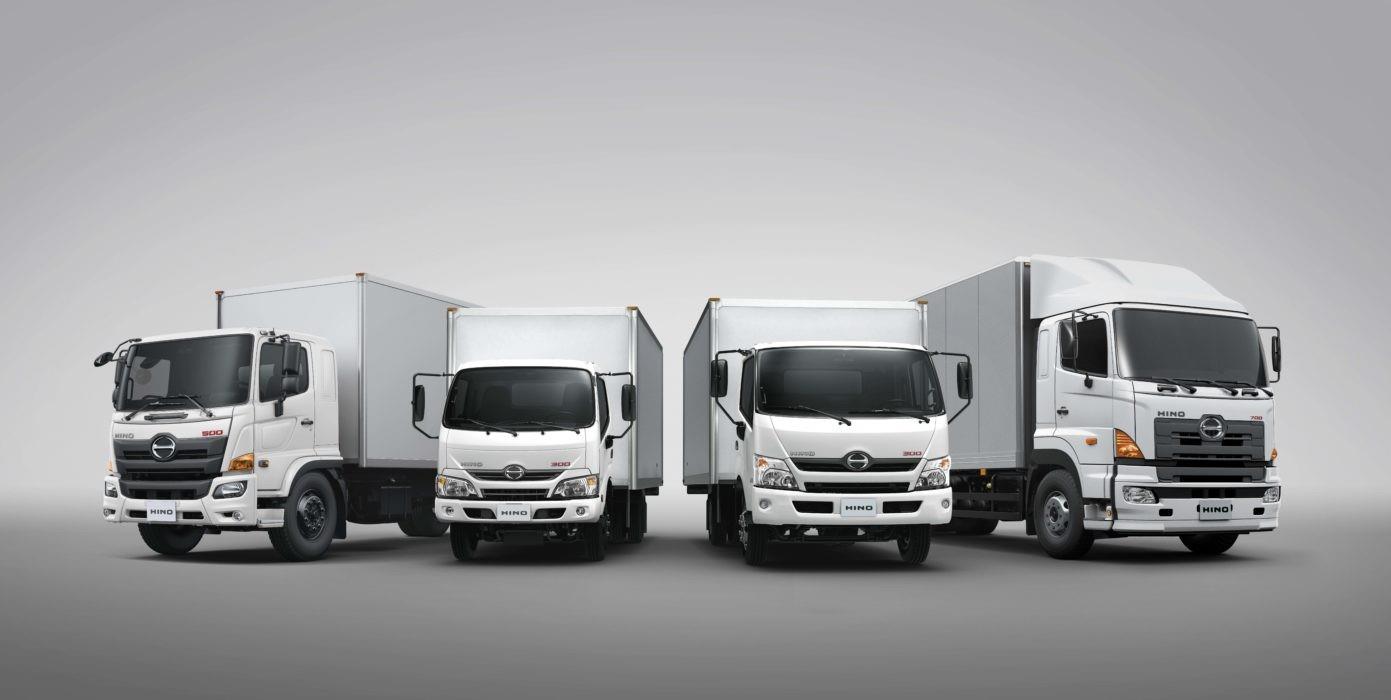
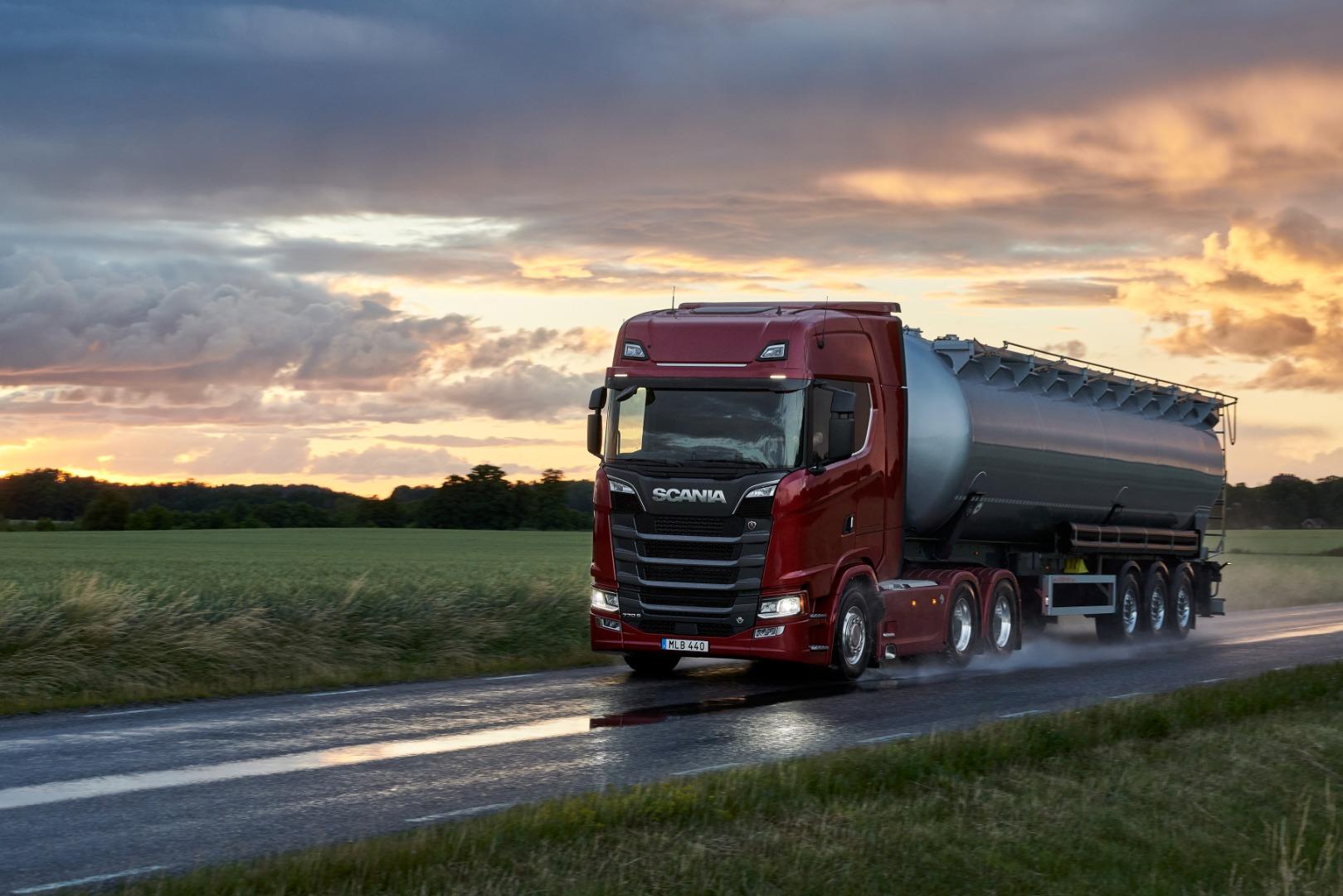
This week, the spotlight falls on Scania and Hino. How have these two companies – the one hailing from Sweden and the other from Japan – been impacted?
Europe harder hit
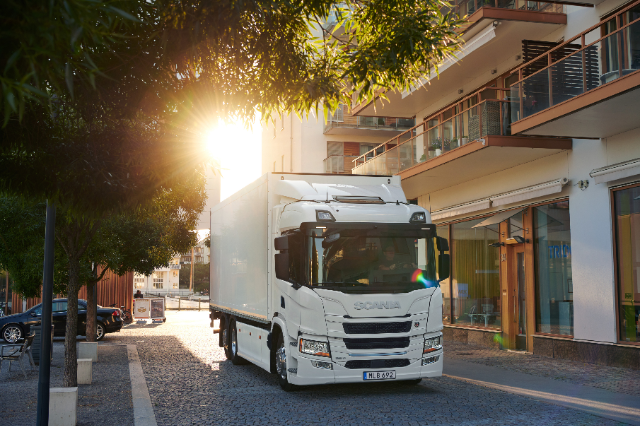
Mark Erasmus, general manager sales, Scania Southern Africa, notes that “the whole world has been impacted as a result of the shortage of semiconductors”. “However, at this point, it is mainly the units for European production that are being affected so – as it stands – in South Africa, we are not directly having any issues at this time in regard to the semiconductor shortage. Having said this, the situation is very dependent on our ability to get units into and out of the various ports – and this could affect our production schedules,” he reveals.
Erasmus warns that transport operators could be in line for price increases in future. “There will definitely be pressure to revise pricing as a result of the shortages,” he reveals.
Big impact on used and rental
The potential implications of Chipageddon are, however, far wider than just price hikes. “If there is a shortage of new vehicles, this will force customers to hold onto their trade units for a longer period of time. This will create a shortage of used vehicles in the market, which could drive prices up or force higher trade prices for the benefit of customers,” Erasmus believes.
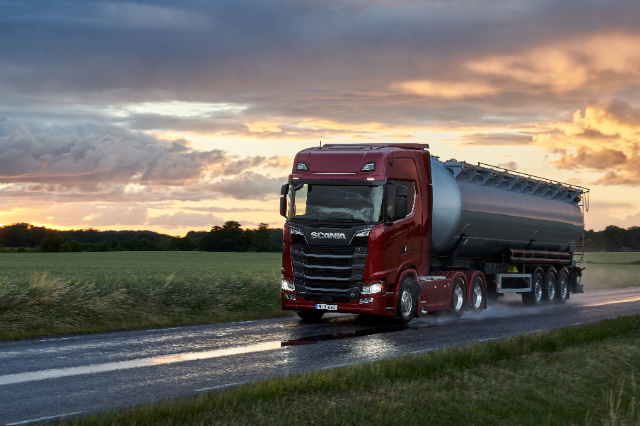
The truck rental business will also be impacted if a shortage of new stock materialises. “The rental space will essentially face the same challenges as retail customers with regards to stock availability. So, we suspect that the rental fleets will not be in a position to do replacements. This will leave them with no option but to delay their replacement cycles, which will again negatively affect the used stock situation. It is a never-ending circle. Either way, the outlook is a little subdued,” Erasmus notes.
Ultimately, he says that the situation is far from ideal. “The current reality is that there is a global shortage of raw materials – not just semiconductors but steel, plastic and rubber too. This is forecast to drag into the early part of 2023. All truck manufacturers are pulling all available resources to ensure that product is being produced at the highest possible capacity. We want to deliver as many units as we possibly can,” he stresses.
No impact on Hino
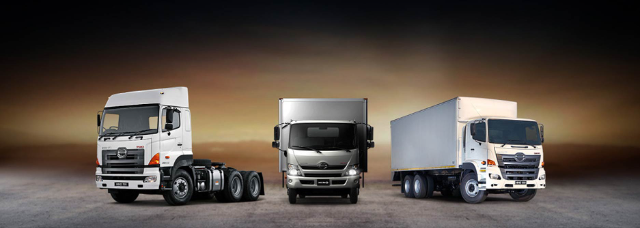
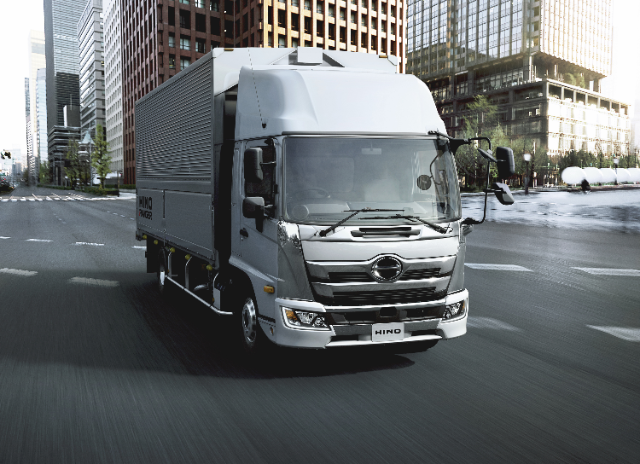
Meanwhile, over at their Japanese counterpart, it seems to be business as usual – more or less. Pieter Klerck, general manager: Hino, says that there is currently no impact on production at Hino Motors Limited. “There are no product shortages as a result of the challenges with the supply of semiconductors. There might be an impact on the supply of Allison automatic transmissions in the future. However, there is no evidence of this yet and it is difficult to judge the effect without knowing the full extent of the potential impact,” he says.

Klerck doesn’t believe that new Hino truck prices will rise as a result of any product shortages. “We do not determine pricing based on supply and demand, but rather on economic factors such as the exchange and inflation rates,” he explains.
According to Klerck, the company is keeping tabs on Chipageddon. “We will monitor the situation closely and advise our customers should it become a problem,” he says.
However, while Chipageddon isn’t necessarily keeping Hino executives awake at night for now, this doesn’t necessarily mean that business is hunky-dory. While truck sales in South Africa in 2021 could amount to 25 000 units, Leslie Long, senior manager – product planning and marketing at Hino SA, has warned that stock shortages in the marketplace will limit the market to about 24 000 units.
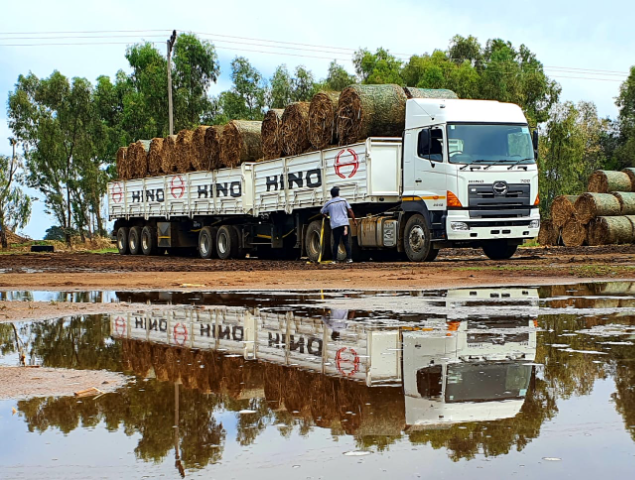
Addressing the media at Hino’s recent launch of its new range of 300-Series medium trucks, Long said that he was surprised at the quick recovery of the local truck market after the pandemic-induced lockdowns and stress of 2020.
“But we believe that a realistic growth figure for 2021 over 2020 will be 9%, based on a predicted market of 24 000 units. We are aiming to increase our share of this market to 11.3% by selling 2 700 Hino trucks in 2021, compared to our penetration of 9.7% last year,” he explained.
So, there you have it. Whether transport operators are worried about Chipageddon or not, it may be prudent not to delay new truck purchases too long…