How has Chipageddon affected Iveco?
As we wrote last week, “Chipageddon” is here! We’re referring to the current situation whereby vehicle manufacturers around the world are now facing a dire shortage of semiconductors – also referred to as “computer chips”. Last week, we revealed how DAF and UD Trucks has been impacted by the crisis. This week, we turn to another truck manufacturer, namely Iveco. Does the company have stock? And will it have stock in future?


Production reduced in Spain

According to Martin Liebenberg, Commercial Manager Iveco South Africa and Right Hand Drive Africa at CNH Industrial SA, the impact of Chipageddon has been substantial. “As a result of the pandemic, the situation created by people working from home, an increase in gaming and 5G implementation, the supply of chips was directed towards these technologies. Now that our industry is facing increased demand, there is simply not enough supply of chips and the ramp-up is currently not fast enough.
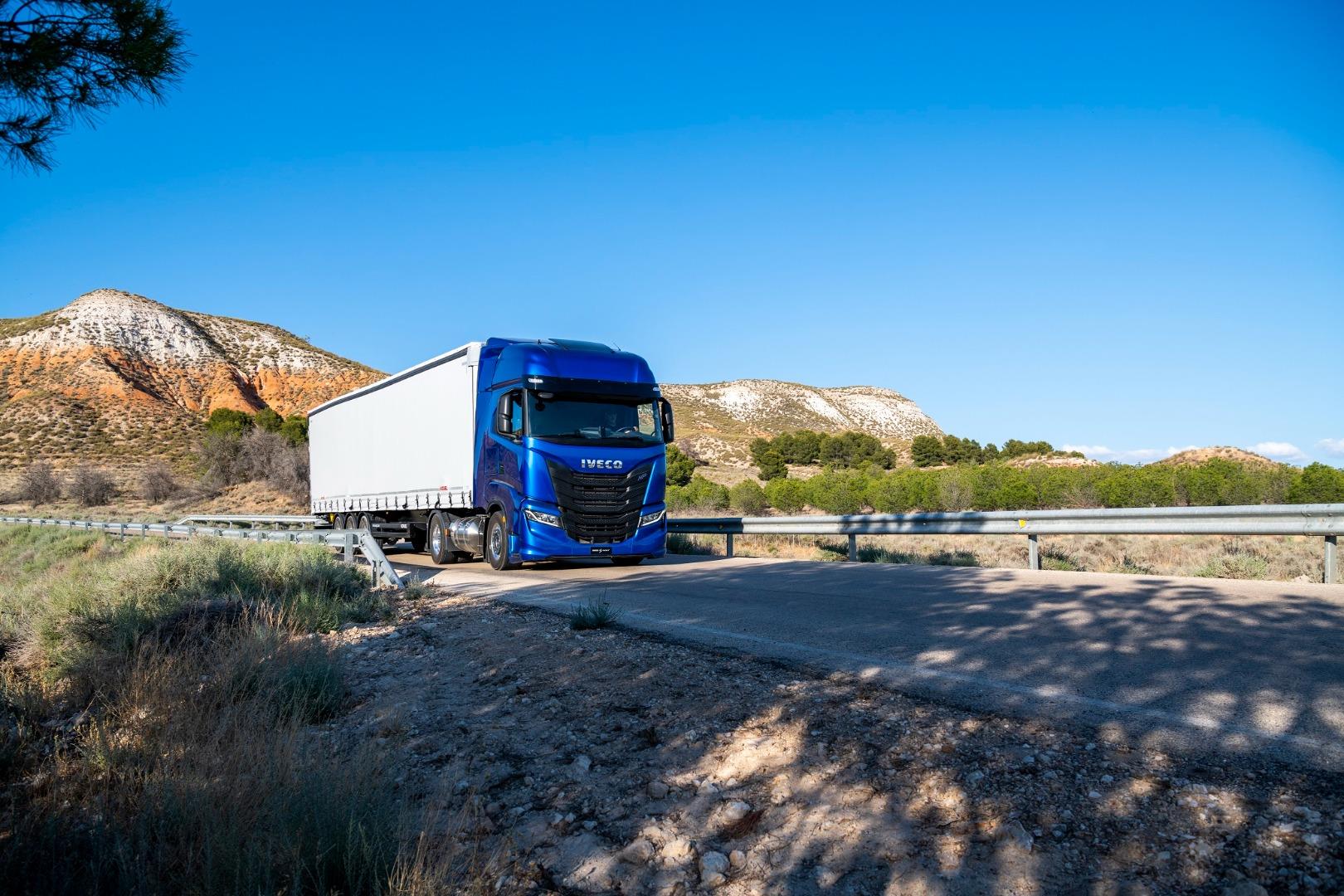
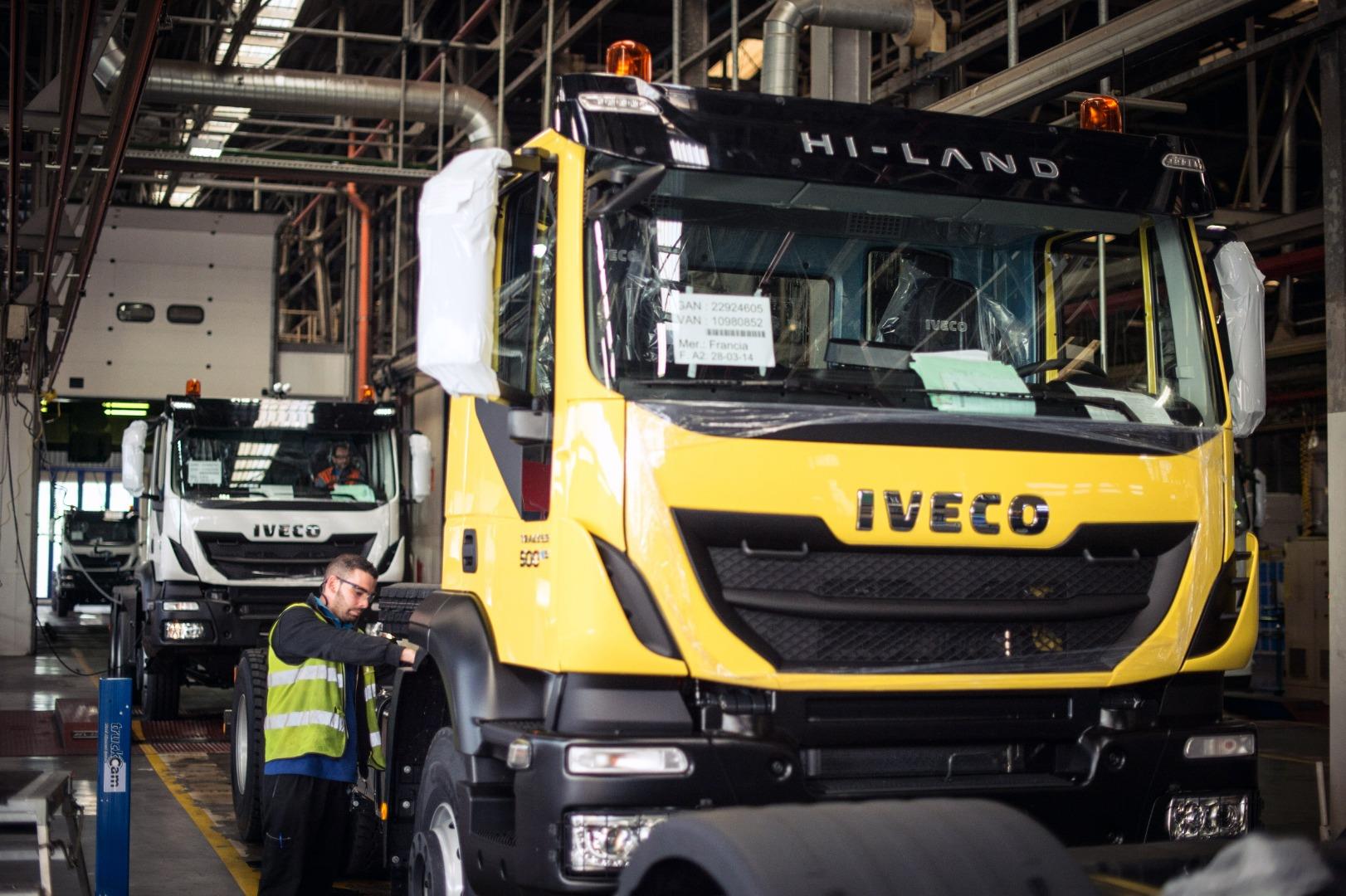
“Our Madrid plant has reduced production on heavy commercial vehicle (HCV) units for 2021 due to raw material shortages and semiconductor supply constraints. We are expecting this situation to last until the end of the year,” he reveals.
No stock in South Africa?

This could result in supply constraints in South Africa. “We were fortunate that, due to the long lead time of completely knocked down (CKD) packs, we had ordered enough stock last year to carry us through when it comes to at least 80% of our requirements for 2021. However, we are already seeing delays in acquiring production slots in 2021 in order to better our sales volume.
“Looking at our current planning, we have placed additional orders of Stralis units which will only arrive Oct/Nov/Dec. At our current rate, we will run out of sellable stock during June, leaving us high and dry for July/August/September,” he reveals.
Liebenberg says there is good and bad news on the pricing front. “Thanks to raw material shortages and high import demand by China, supply is restricted, and costs are increasing. Therefore, production costs will definitely increase, and we could see the result of this increase in Q4-2021/Q1-2022. However, the recent strengthening of the rand could have a positive impact and offset price increases,” he reports.
Increase in sales of used trucks

This situation will probably impact positively on the used and rental markets. “Our used vehicle department is already enjoying an increase in sales volume as we have worked well to align our buybacks and new vehicle delivery, allowing them to presell stock. We are also seeing a huge demand for used from the African right-hand-drive markets that we service from South Africa,” says Liebenberg.
On the other hand, some customers are holding onto their trucks for longer than expected. “Many clients did not achieve their mileages last year (thanks to lockdown) and so they are holding onto their trucks longer to get full utilisation from them. Bearing this in mind, good used stock will become difficult to source. This will drive pricing up,” he predicts.
Liebenberg says the transport industry as a whole is facing challenging times. “I believe that, due to the difficult operating conditions seen over the past year and due to low utilisation, an increase in new vehicle pricing and low levels of availability, operators will sweat their assets for much longer. We last encountered this situation back in 2009.
Interest rate hike looms

“I also believe that the strengthening of the Rand will help us to keep price increases within acceptable limits. But, on the other side of the coin, the talks of interest rate increases have already started and will negatively impact on the finance costs,” he warns.
But he doesn’t see it as a doom and gloom scenario. “Our industry has always been resilient and, as a country, our people have always made plans to find solutions to complex problems. I believe our entrepreneurial nation will start to develop local solutions. We will turn to local production instead of waiting for the outside world to feed us finished goods,” he predicts.
The message is clear: despite Chipageddon, it’s a case of onwards and upwards for South African truckers!
- Look out for part three of our series on the impact of Chipageddon next week.