10 Things you should know about Kia’s new PV5
Kia has taken a bold step into the world of electric vans with its new PV5, the first model in its Platform Beyond Vehicle (PBV) business strategy. We were given the exclusive opportunity to attend the world launch of this vehicle in Spain last week (there were no other South Africans there), which was pretty darned special. But what makes the actual vehicle special? Here are ten things you need to know.


1. It’s not just one van
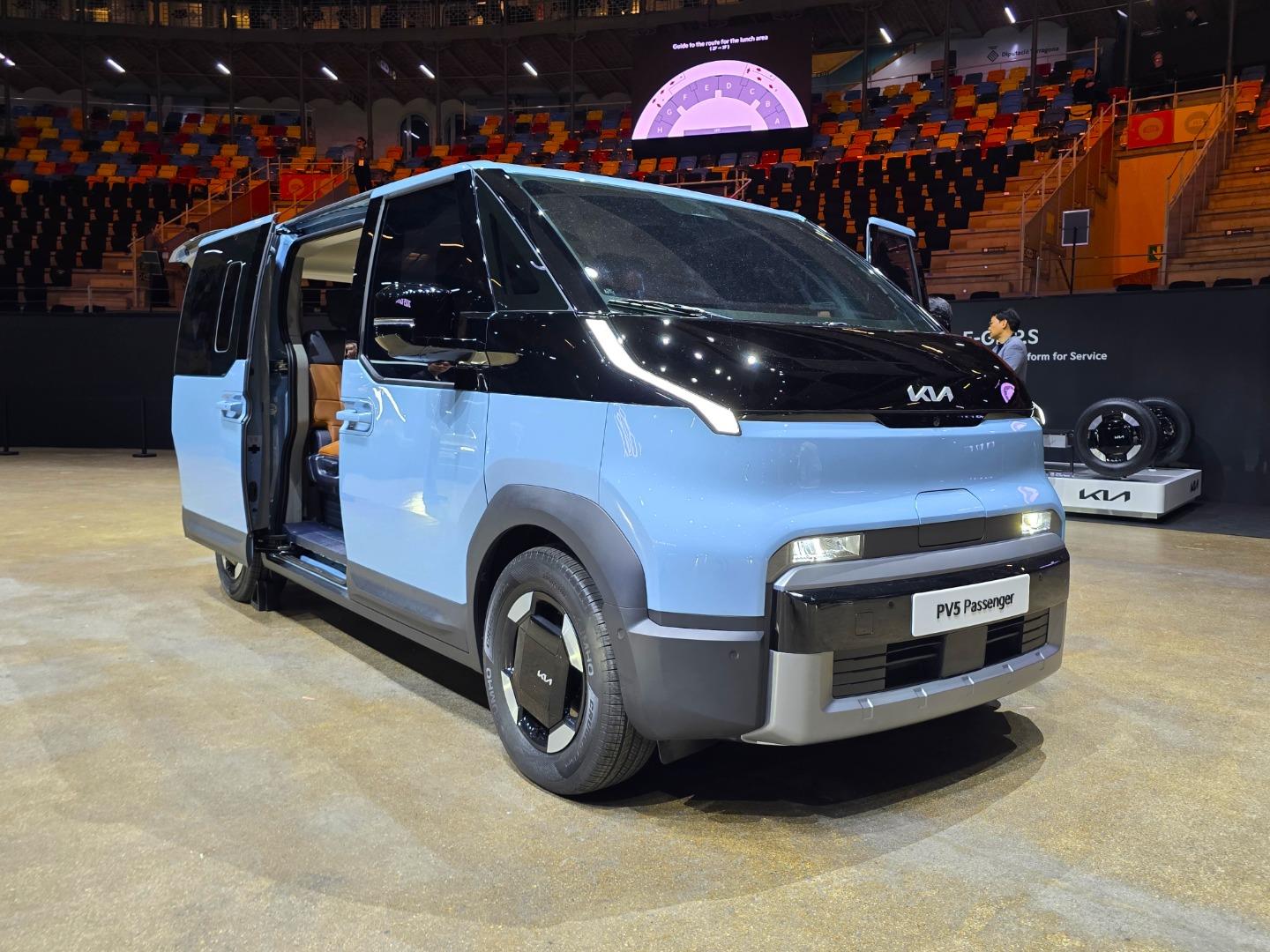
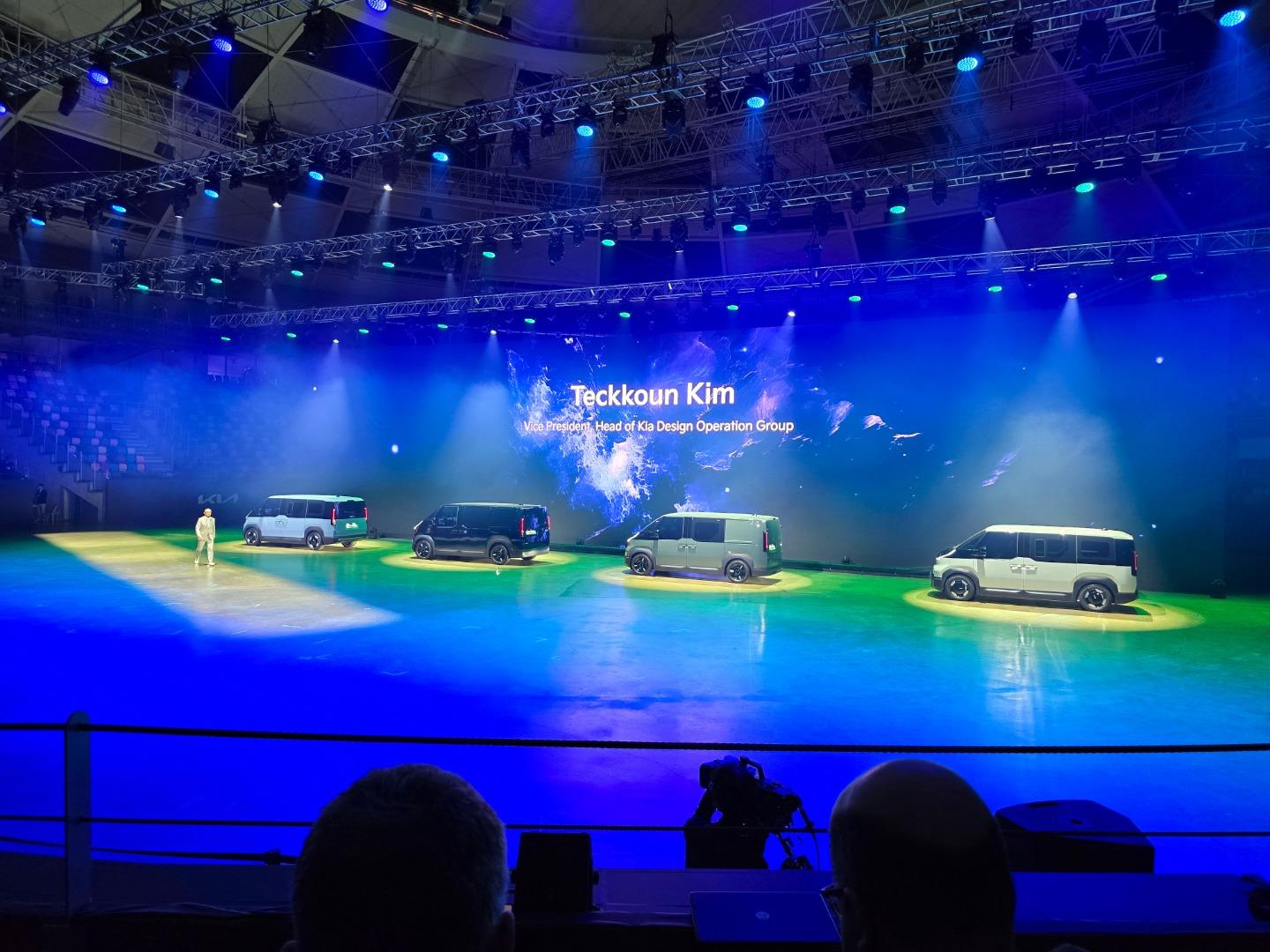
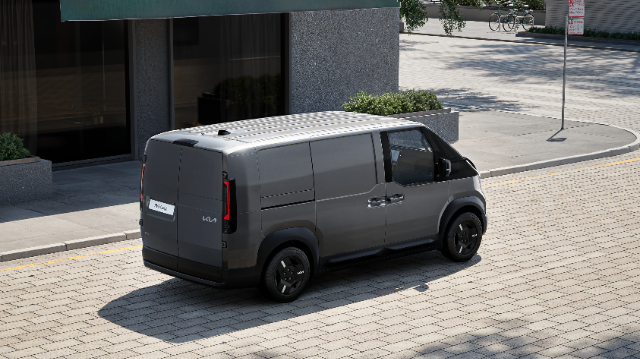
Kia isn’t playing it safe with a one-size-fits-all approach. Instead, the PV5 is more like a van chameleon, changing according to a user’s requirements. Kia offers three primary body styles: the Passenger version, which features a three-row seating layout; the Cargo model, a delivery-focused van with up to 5.1m³ of storage; and the Chassis Cab, a blank slate for custom conversions (like drop-side trucks, freezer vans, and even campers).


2. It’s built on a clever new platform
At the heart of the PV5 is Kia’s E-GMP.S platform, a dedicated electric skateboard-style base that makes it possible to slap different body types on top without needing a whole new design. This approach means Kia can quickly roll out multiple van variations without going back to the drawing board each time. Naturally, this means quicker production times and lower costs.

3. It charges fast and goes the distance.
Electric vans live and die by their range and charging times, and Kia has made sure the PV5 is up to the task. The PV5 comes with either a 51.5kWh or 71.2kWh battery, with an extra 43.3kWh option available for the Cargo model. More importantly, it can charge from 10% to 80% in just 30 minutes, which is about enough time for a quick coffee and a scroll through social media. With a maximum range of 400km, it’s got enough stamina to handle a full workday – or a short (by South African standards, anyway) road trip.

4. It’s packed with smart tech
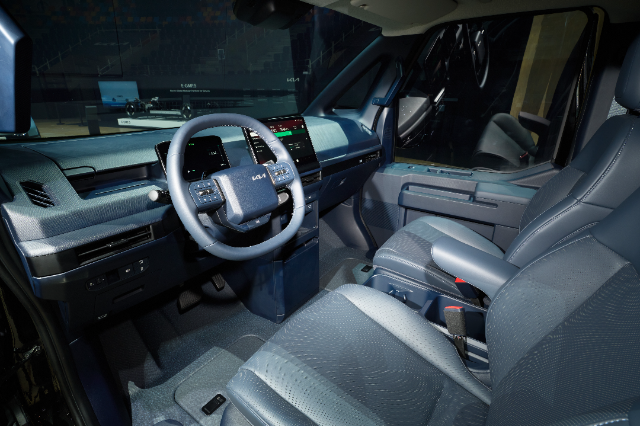
Kia clearly wants the PV5 to feel more like a high-tech mobile workstation than a regular commercial vehicle. The 12.9-inch touchscreen runs Android Automotive OS, meaning you can load up all sorts of apps and software to make life on the road easier. Kia has also thrown in over-the-air updates, so the van gets smarter over time without needing to visit a dealer. Plus, there’s Vehicle-to-Load (V2L) functionality, which means you can plug in power tools, a laptop, or even a coffee machine directly from the van. Who needs a power outlet when your van has you covered?

5. The cargo model is uber smart
If vans had IQ scores, the PV5 Cargo would be off the charts. Kia has designed it with a low step-in height (419mm), making loading and unloading less of a backbreaker. The cargo area includes L-track mounting systems, which means you can strap things down however you like. There’s even an optional walk-through cabin, where the passenger seat folds away so you can get to the back without stepping outside – perfect for when it’s pouring with rain, and you don’t want to get drenched.

6. Kia is serious about sustainability
Eco-conscious drivers, rejoice! The PV5 is more than just an EV – Kia has built sustainability into its very DNA. The flooring, for instance, is made from thermoplastic olefin (TPO) instead of PVC, making it more environmentally friendly. The production process has been optimised to reduce waste, and the modular design means that instead of scrapping the whole vehicle when something breaks, you can replace just the parts you need. It’s a small but important step toward making vehicles more sustainable in the long run.

7. It’s designed for both work and play
The Passenger version isn’t just for Uber drivers – it’s also camper-friendly. The fold-and-dive seats create a flat sleeping space, and you can plug in camping gear using V2L. Kia even says the PV5 is “part of a new era of flexible mobility”. Translation? It’s a work van that moonlights as a weekend getaway machine. We like.
8. A wheelchair-accessible version (WAV) is coming
Most wheelchair-accessible vans rely on rear-entry access, but Kia is shaking things up with a side-entry ramp instead. This makes the PV5 WAV – which we saw in the metal in Spain – more convenient for city driving, offering easier side access in tight spaces.

9. Kia is partnering with big names
Kia isn’t tackling this project alone. It has teamed up with Uber to optimise the PV5 for ride-hailing services, ensuring it meets the needs of drivers and passengers alike. Samsung Electronics has also jumped on board, integrating its SmartThings IoT system into the van so businesses can sync it with their workplace tech. Kia has also brought in BraunAbility, an American manufacturer of wheelchair accessible vans and wheelchair lifts, to help develop the WAV version. So, Kia isn’t just selling vans – it’s building an entire ecosystem around them.
10. We don’t know when it’s coming to South Africa.
For now, the PV5 is set to launch in Korea and Europe in the second half of 2025, with global rollouts following in 2026. When asked about a South African release, a Kia spokesperson said, “We will definitely explore options, but we are still in the early stages. Feasibility studies, cost estimates, and value propositions will be done. At this point, we don’t have a set date.”
This means that, for now, South African buyers will have to wait and see. If it does come here, we reckon that this fresh, modular, and tech-packed take on mobility will be a real hit with anyone running a business, a delivery service, or planning weekend adventures. This is assuming, of course, that Kia gets the pricing right.