Are hydrogen-powered diesel engines the future?
Everyone knows that sustainability is A Thing. We also know that diesel trucks emit large amounts of carbon dioxide (CO₂), a key contributor to climate change. Because of this, companies are racing to build electric vehicles and fuel cell trucks. But what if we could just take existing diesel trucks and transform them into planet-pleasing vehicles?

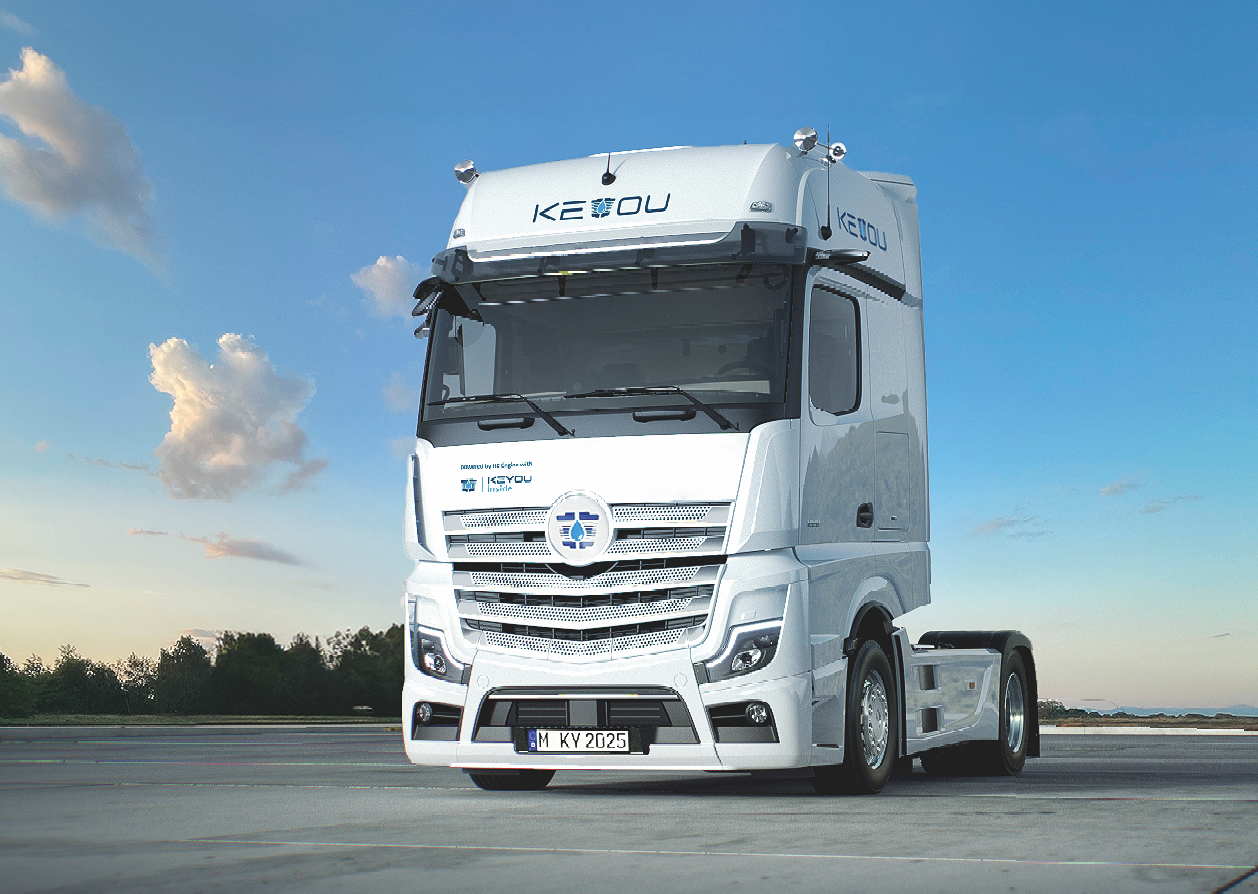
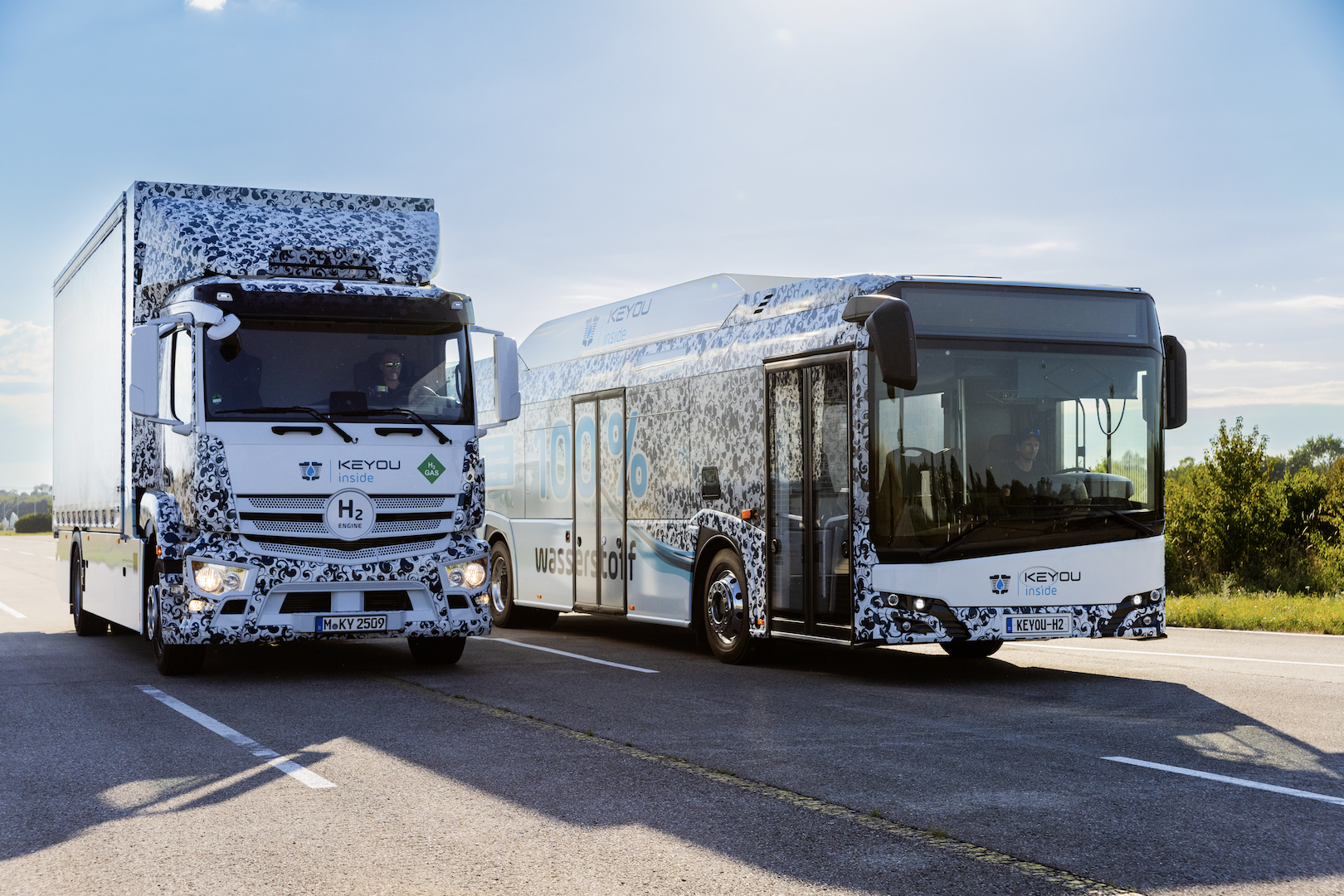
The idea isn’t as bonkers as you may think; a German company has come up with a way of doing exactly that!
Enter KEYOU…
The German company we’re referring to is called KEYOU, and it was founded in 2015 by three former BMW engineers: Thomas Korn, Markus Schneider, and Alvaro Sousa. The company focuses on converting existing diesel engines into hydrogen-powered ones, allowing truck, bus and coach operators to reduce emissions without scrapping their fleets.
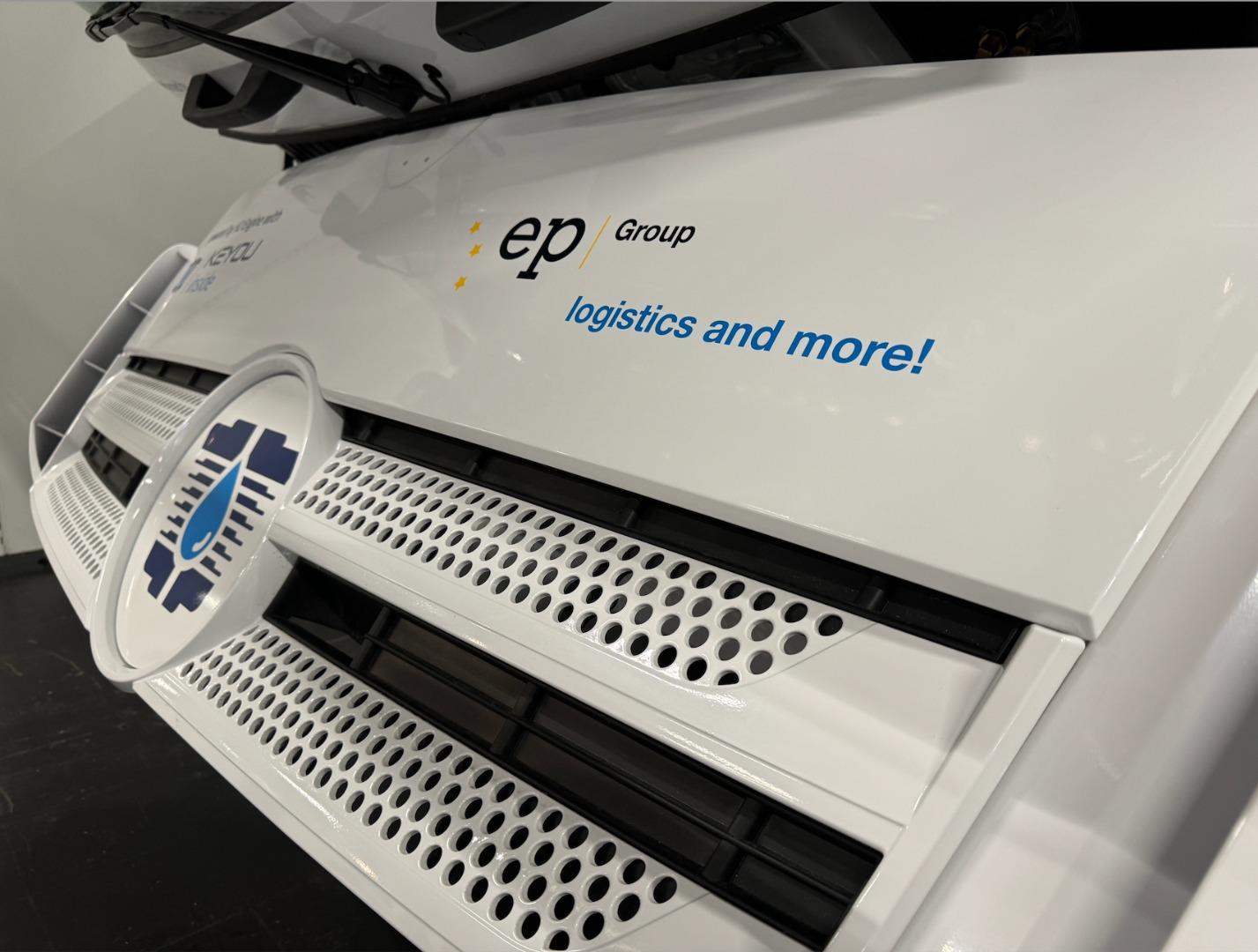
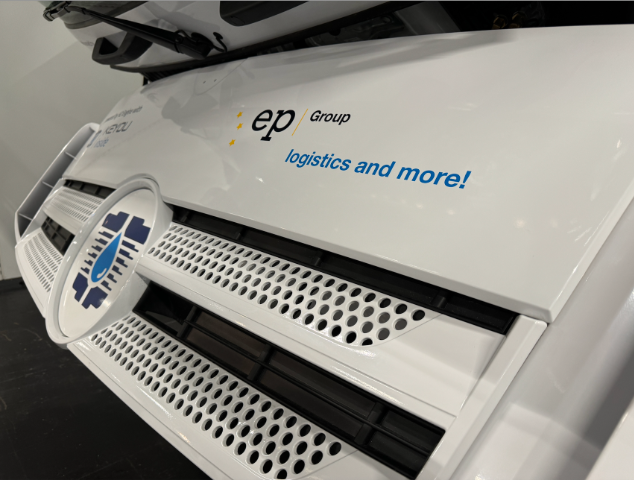
KEYOU unveiled its first prototype hydrogen engine in 2017 and has since developed a range of hydrogen combustion solutions for heavy-duty transport. In 2023, the company handed over its first 18-tonne hydrogen-powered truck to the logistics company EP-Trans, which will operate it on routes in Germany.
The route to “greening” a diesel engine
But how does KEYOU transform diesel trucks? Its technology focuses on modifying key components of a diesel engine to make it compatible with hydrogen combustion. The conversion process involves replacing the traditional diesel injectors with hydrogen-compatible ones, as well as installing spark plugs since hydrogen combustion requires a different ignition process. The air intake system and turbochargers are adjusted to ensure the correct air-fuel mixture, and the engine control unit is updated to regulate the combustion process. Since hydrogen burns at a different temperature to diesel, the cooling system is also modified to manage heat more efficiently.
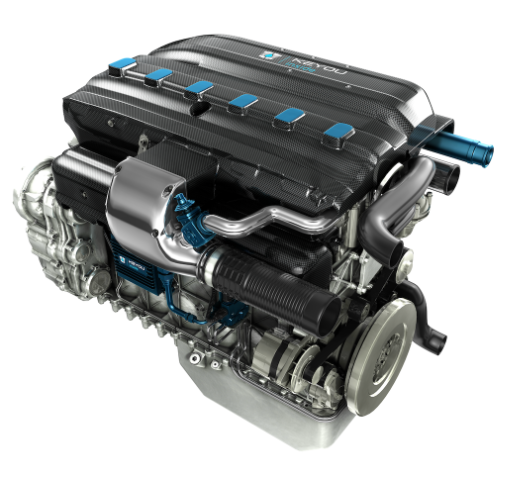
These changes allow existing diesel engines to operate on hydrogen while maintaining their durability and reliability. Unlike fuel cell technology, which generates electricity from hydrogen to power an electric motor, KEYOU’s approach keeps the internal combustion engine intact but runs it on a cleaner fuel.
Cost-effective solution
One of the biggest advantages of KEYOU’s approach is that it allows transport operators to transition to hydrogen power without having to replace their entire fleet. Converting existing engines is also significantly cheaper than designing and manufacturing new hydrogen engines from scratch.
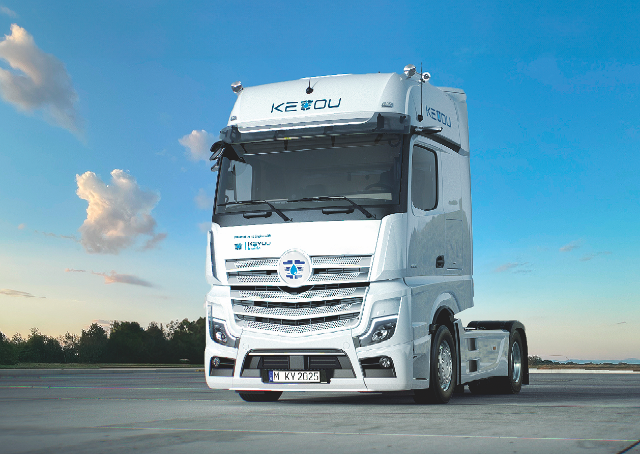
Another key benefit is the speed at which converted vehicles can enter the market. If transport companies were to wait for newly built hydrogen trucks, the transition would take years. But, with KEYOU’s system, existing diesel trucks can be converted relatively quickly. This allows companies to start using hydrogen technology immediately instead of delaying the shift to greener transport.
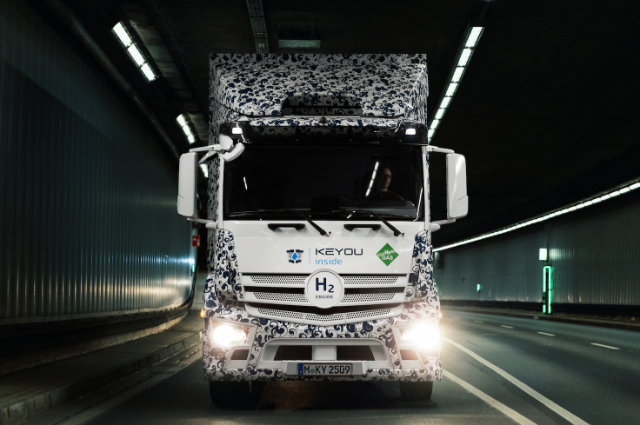
From a sustainability perspective, converting diesel engines also makes sense because it reduces industrial waste. Instead of discarding old diesel engines and manufacturing entirely new ones, KEYOU repurposes existing equipment, cutting down on resource consumption and emissions associated with new production.

In addition, fleet operators and mechanics do not need to be completely retrained to use and maintain these converted engines. Since the fundamental mechanics remain similar, companies can continue servicing their trucks with only minor adjustments, making the transition smoother and more practical.
Infrastructure could be tricky
Of course, like all innovations, KEYOU’s approach is not without its limitations. The most significant issue is the lack of hydrogen refuelling infrastructure. In regions like South Africa, where hydrogen fuel stations are rare, adopting hydrogen-powered transport could be difficult. Without a reliable network of refuelling stations, the benefits of conversion could be outweighed by logistical challenges.
The cost of converting a diesel engine, while cheaper than buying a new hydrogen truck, is still a financial consideration for fleet operators. The initial investment includes engine modifications and the establishment of refuelling infrastructure, which may not be viable for smaller or cash-strapped transport operators.
Coming to South Africa?
South Africa is still a Euro-2 market, meaning that transport operators are not required to “go green” by legislation. The appeal of hydrogen-powered conversions would largely depend on the total cost of ownership (TCO). If the TCO of running a converted diesel truck proves lower than that of a traditional diesel vehicle, the shift to hydrogen could become more attractive. However, this would also require significant investment in hydrogen refuelling infrastructure, which is currently lacking in the country.

At present, KEYOU has no active operations in South Africa, but the company has not ruled out future expansion. A spokesperson stated: “Although there are currently no concrete plans to introduce our H2 Mobility as a Service model in South Africa, we don’t want to rule it out for the future, especially as we are in contact with potential customers and partners in various countries.” This suggests that – if demand increases and infrastructure develops – hydrogen-powered diesel conversions could become a viable option in the local market.
While electric and fuel cell trucks continue to be prohibitively expensive, converting existing diesel engines offers a realistic, cost-effective, and scalable way to cut emissions. With sufficient hydrogen refuelling infrastructure, this solution could offer the South African transport sector a cleaner and more affordable alternative to diesel. But, for now, environmentally conscious local transport operators will have to wait for companies like KEYOU – or similar competitors – to bring this technology to South Africa.