Toyota C-HR 1,2T Luxury (2022) Review
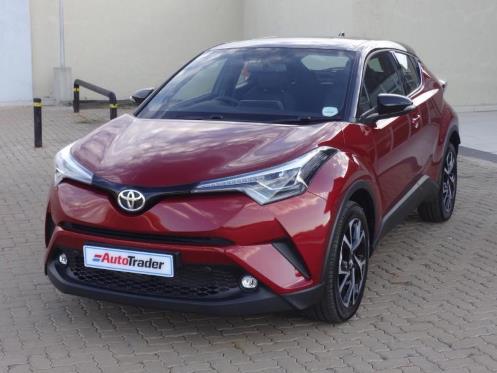
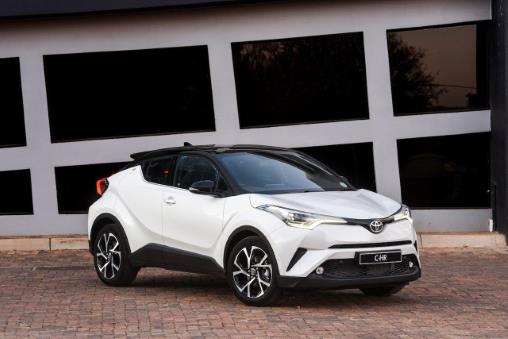
Toyota's C-HR was a catalyst for the Japanese brand's newfound design language which appears to have ditched the conservative shapes of yesteryear in favour of striking designs that appeal to a more youthful audience. We received an updated version of the C-HR to evaluate recently.

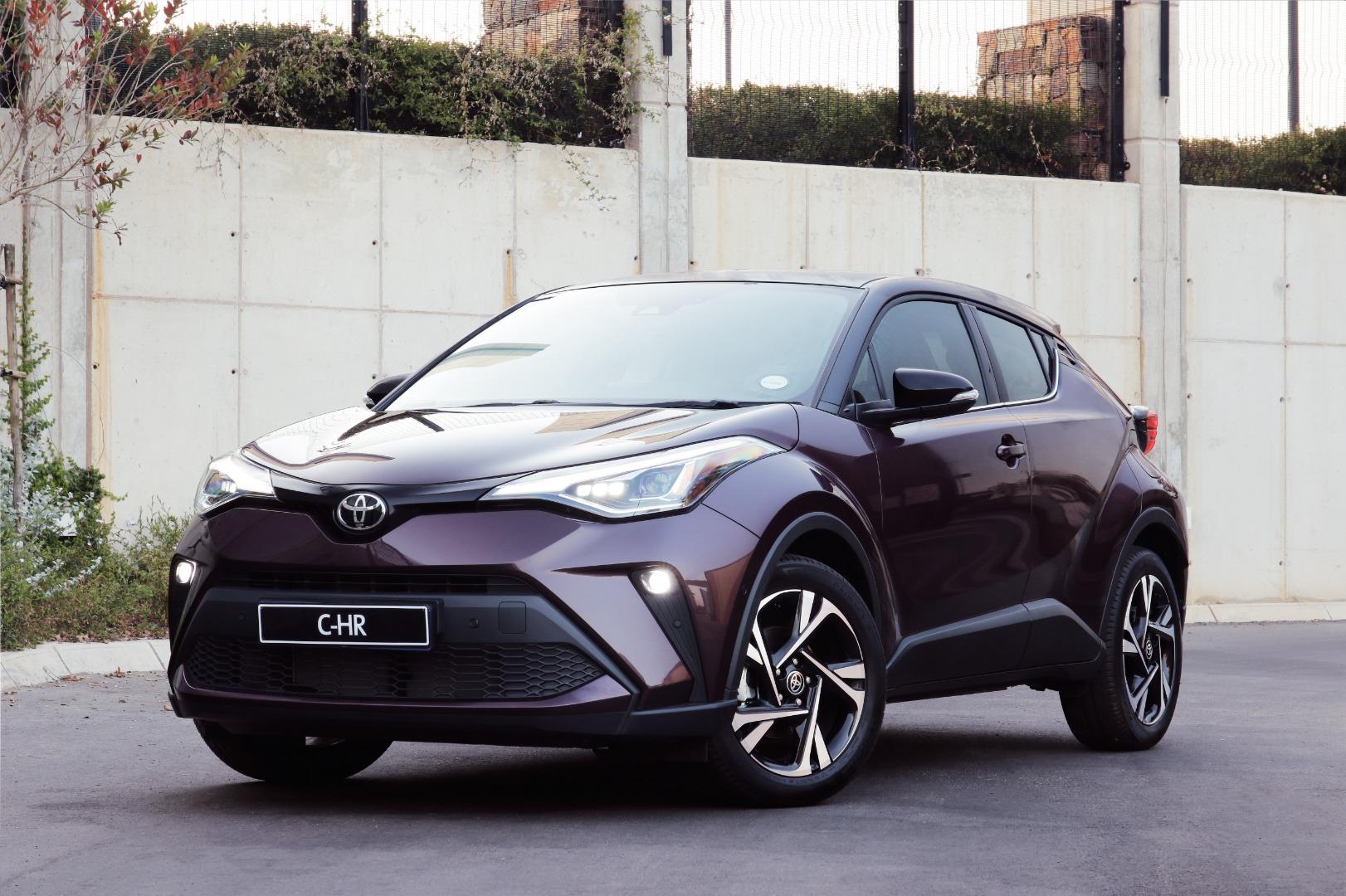
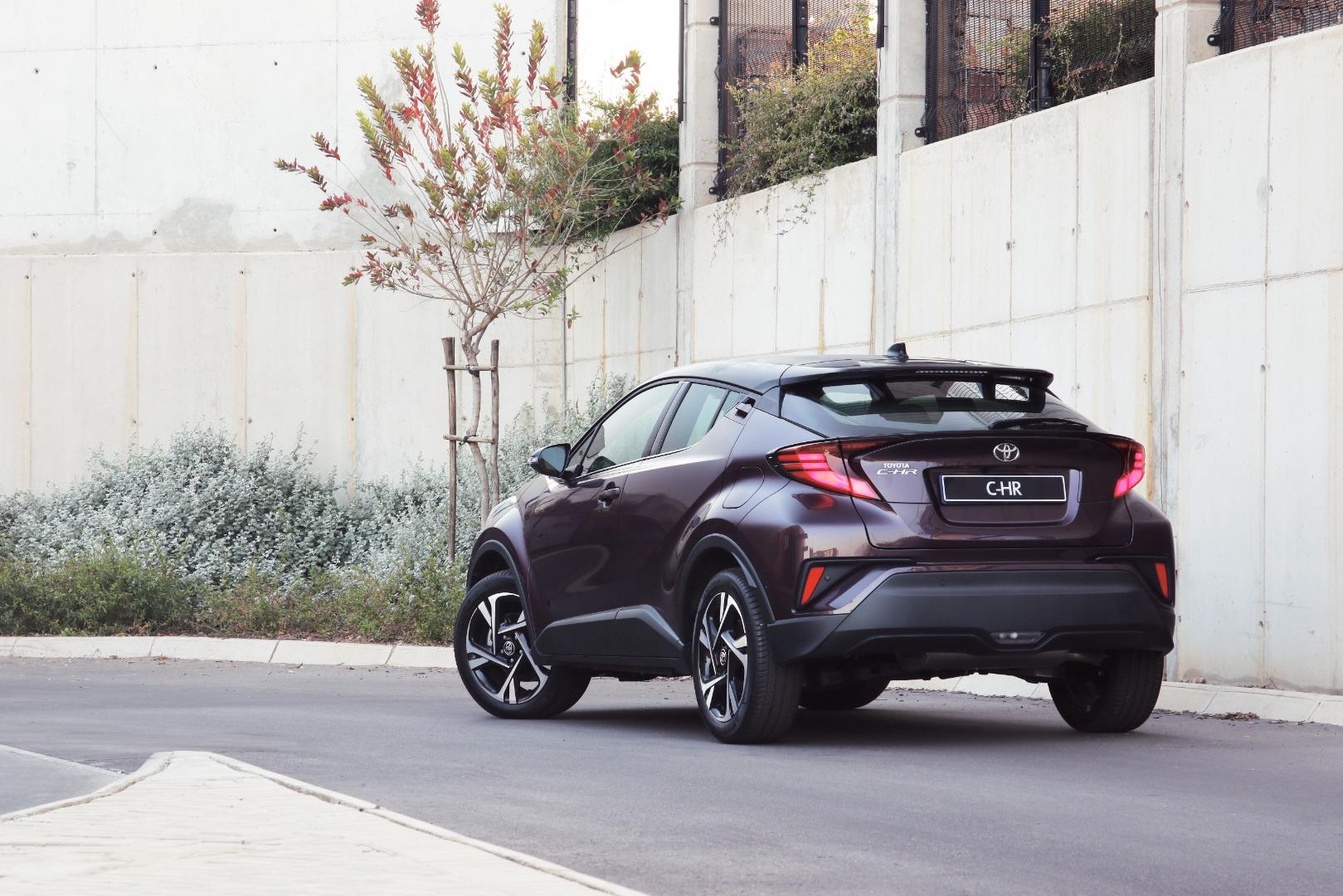
Looking the Toyota's C-HR crossover, it is hard to believe that its design is now 6 years old in 2022. As with many models from the Toyota line-up, the C-HR range has been updated and is still made up of three models. The big news is a set of new alloy wheels and an option of new exterior colours. We recently had an opportunity to sample the updated C-HR, in Luxury guise.
Styling
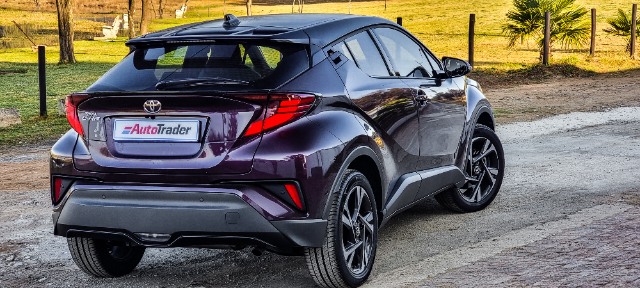
While the C-HR may not be everyones' cup of tea, its design was and continues to be a breath of fresh air for a brand that, until recently, was notorious for playing it safe in the aesthetics department. The new 18-inch alloy wheels and the Nissan GT-R-esque Midnight Purple paintwork on the press vehicle highlight the C-HR's unique looks, and something is endearing about that.
Interior and space
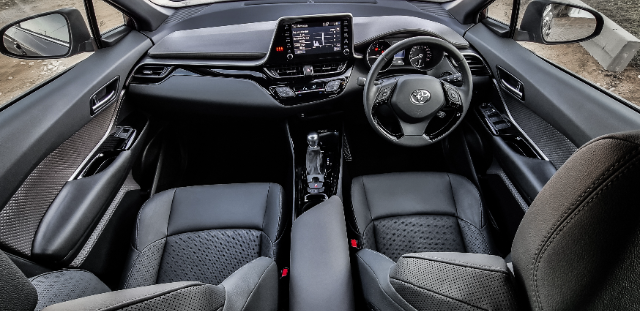
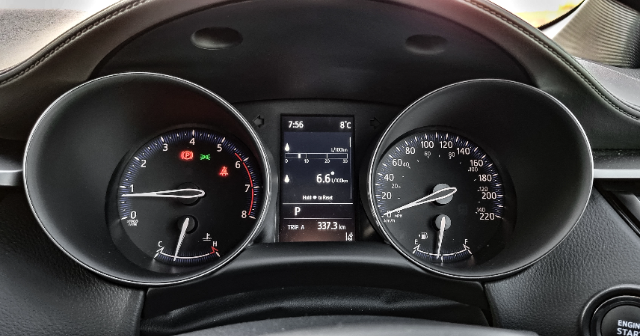
Stepping inside the C-HR, the first thing to note is the quality of the materials and the commendable way the car is put together. The premium look and feel are befitting of a product that looks as contemporary as the C-HR's exterior looks now in 2022. The infotainment system, although not class-leading, is certainly functional and gets the job done, with an 8.0-inch touchscreen display with Apple CarPlay and Android Auto functionality. There is also a 4.2-inch information display housed within the instrument cluster that offers various vehicle information displays.
Being the flagship C-HR comes well-specified for its lofty price tag, with features such as a heated multifunction steering wheel, heated leather seats, keyless entry, dual-zone climate control, 7 airbags, multiple USB ports, LED headlights and fog lights as well as PDC with a parking assist system. The luxury model also gets the Toyota Safety Sense (TSS) safety suite, which includes Pre-Collision System, Rear Cross Traffic Alert, Blind Spot Monitoring and Adaptive Cruise Control with Lane Departure Alert and Lane Trace functionality.
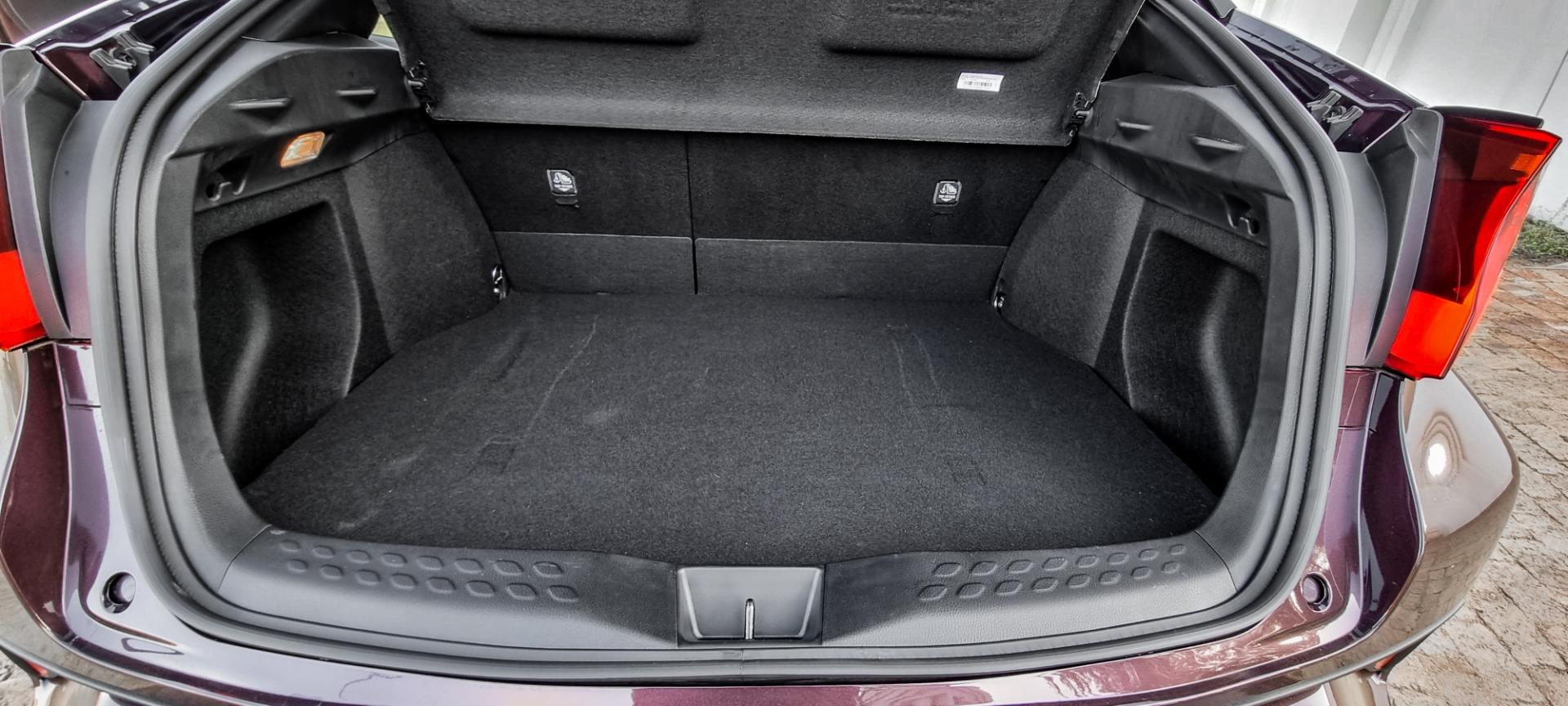
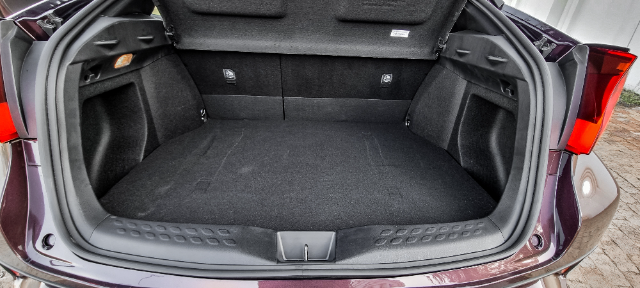
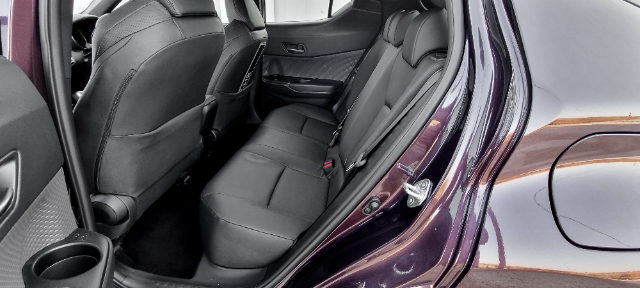
From a practical perspective, the C-HR suffers in the luggage and rear occupant categories thanks to its sloping roofline. Rear passengers reported feeling more cramped as a result of the wide D-pillar and integrated door handle which intrude upon side window space and make the rear section appear dark. Our boot test revealed that the C-HR can accommodate about the same as a B-segment hatchback, with 328-litres of space being a bit underwhelming despite a new space saver spare tyre booting luggage room.
Performance and driving impression
Powering the C-HR is a 1.2-litre turbocharged petrol engine seen in the Corolla hatch. It produces 85kW and 185Nm of torque and is paired with a CVT sending power to the front wheels with. The engine and gearbox are pretty forgettable, simply getting on with the task of propelling the C-HR, which is pretty much what you would expect in this segment, however, when pushing on, in overtaking situations, the typical CVT drone rears its ugly head, but when throttle inputs are modulated properly, the progress is silent and the acceleration linear and not intrusive.
Out on the road, the C-HR does have quite a bit of road noise penetrating the cabin while those 18-inch alloy wheels do not help the ride quality, which is relatively firm for a product of this nature. The plus side is that it feels far more dynamically capable than other products in this segment, and if it did not have a CVT and a small capacity engine, the C-HR would be a riot to drive.
In 2017, the C-HR was crash-tested by the Euro NCAP vehicle safety programme. It achieved a 5-Star rating, with a score of 95% for adult occupant safety, 77% for child occupant safety, 76% for pedestrian safety and 78% for its safety assist systems.
Fuel consumption
Toyota claims that the C-HR will consume unleaded at a rate of 6.4 L/100km, however, our week with the vehicle resulted in a figure of 6.6 L/100km, which is impressive, and not far from the claimed figure.
Pricing
The C-HR, in flagship Luxury guise, retails for R554 500, placing it precariously close to products such as Audi Q2, Volkswagen T-Roc and Hyundai Kona N-Line. The model comes with a 6-service/90 000km service plan and a 3-year/100 000km warranty.
Verdict
The C-HR continues to be a solid product within its segment, presenting a package that is certainly well-rounded. The Luxury model is expensive, though, and in the R500 000-plus pricing segment, the C-HR's powertrain, relatively cramped rear quarters and small boot are certainly not in its favour. If you are shopping in this segment, the C-HR is certainly worth a test drive, mind.