The Renault Triber received a rather comprehensive update, so much so that from the front, it is barely recognisable, not a bad thing at all. But will this wallet-friendly family MPV tick all the practicality boxes? More importantly, will you be happy with your choice?
Pros & Cons
Pros
Fuel efficiency during urban commutes
Seven seats
Wireless connectivity
Cons
Boot space is compromised
Very little legroom for third row occupants
NCAP rating in question
Less choice in the budget segments
While there has been an influx of new automakers in SA, and many challenging established brands with aggressive pricing, for many South Africans, owning a car still remains out of reach. Offerings such as the Suzuki S-Presso, Renault Kwid and Toyota Vitz might be attractive, with pricing starting under R200 000, but what do you do if you need additional seating for a larger family?
The most affordable option is an MPV, and the Renault Triber is the best value, with the 1.0 Evolution derivative coming in at just under R220 000. We got the keys to the Renault Triber in the Iconic trim and with a manual transmission.
Styling
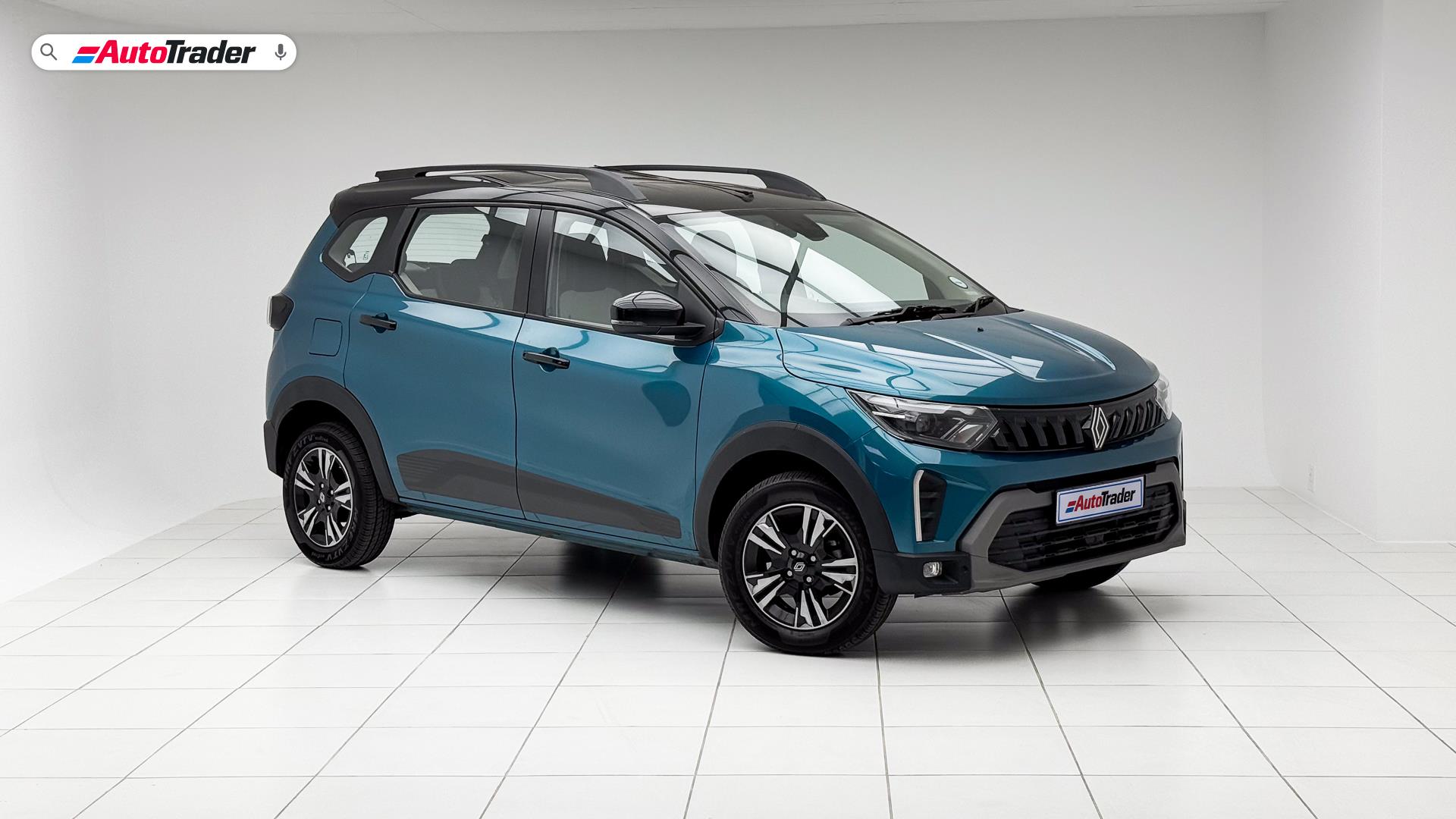
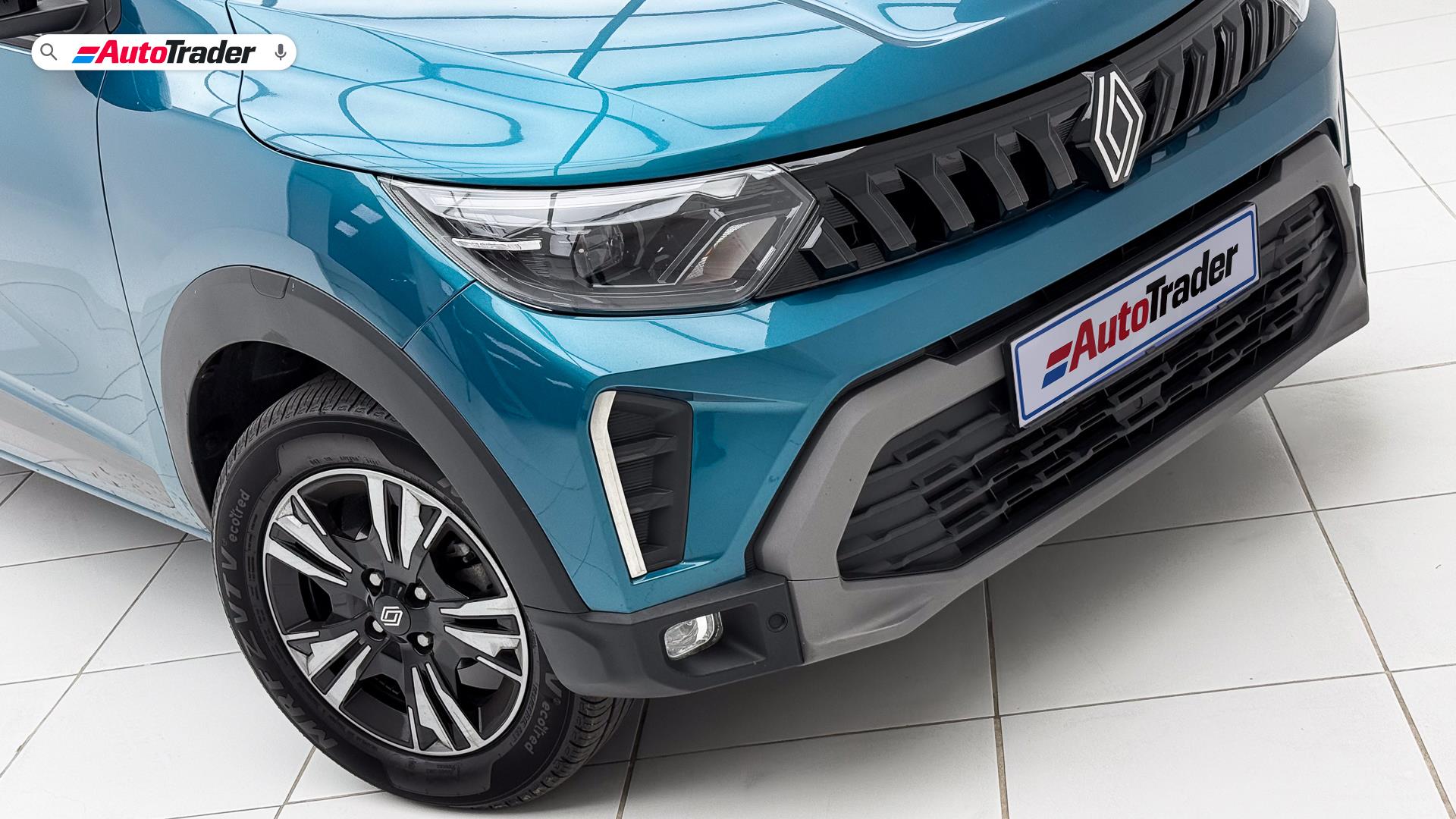
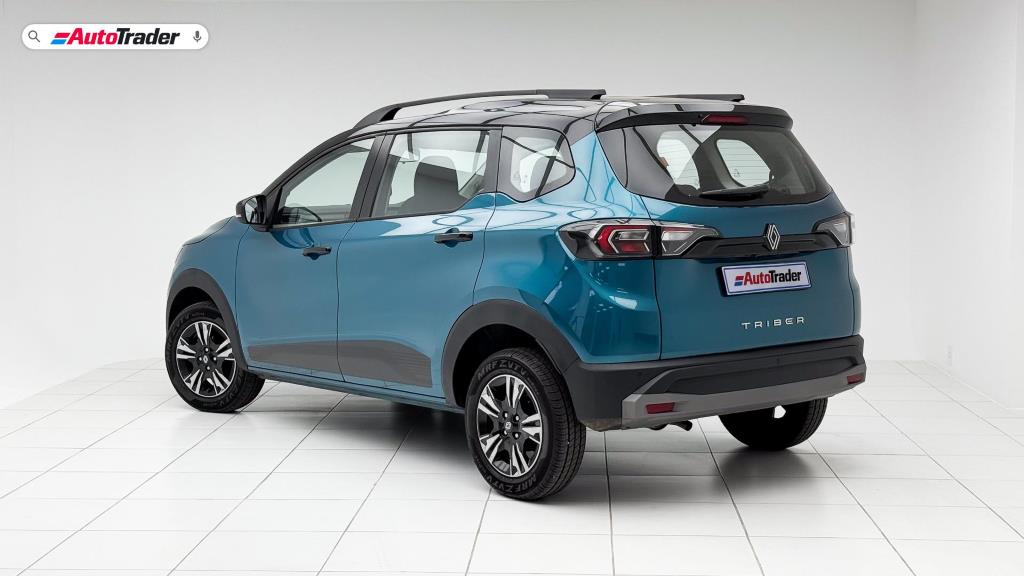
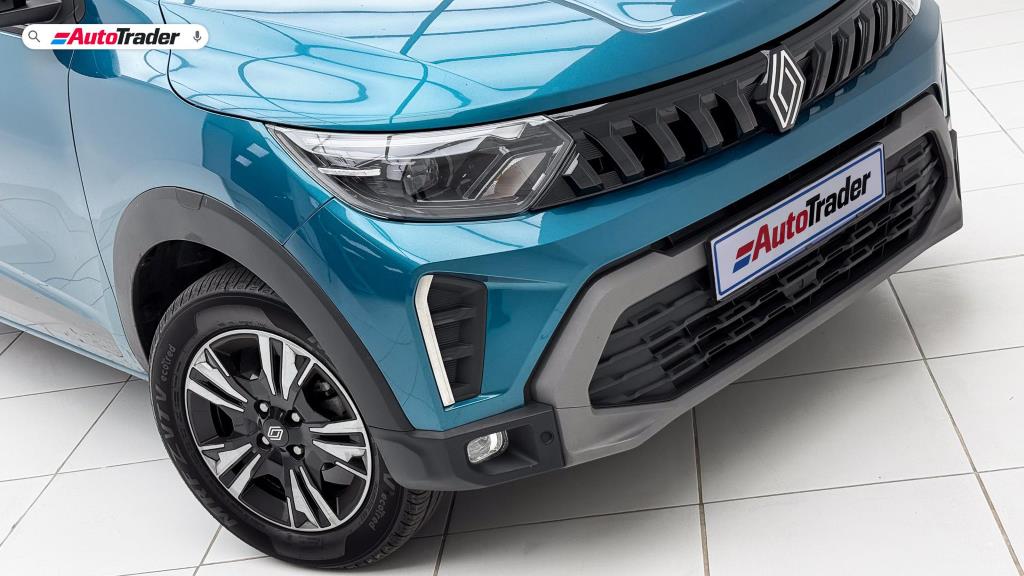
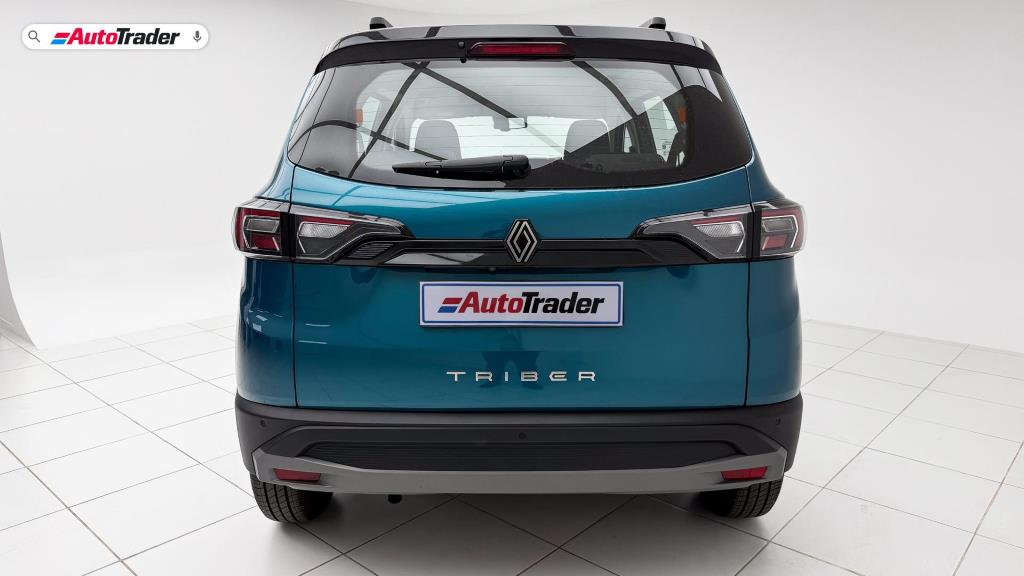
The Renault Triber made its first appearance in the local market in 2020, and in 2025, the French automaker applied styling updates. Upfront, you now get a bold new piano-black grille, along with a new sculpted bonnet design for a more modern, aggressive look. To match the grille, redesigned bumpers are at the front and rear.
To complement the new designs at the front and rear, customers can expect advanced LED projector headlamps with integrated LED Daytime Running lights at the front, and a new LED tail lamp design with connecting embellisher at the rear. The Iconic derivative also benefits from LED fog lamps. In all four corners, features 15-inch dual-tone flex wheels, which contrast nicely with the rather attractive Zanskar Blue, one of three new colours, on the test unit we received.

Although it's a 7-seater, the Triber still has manageable dimensions, measuring 3,985mm long, 1,643mm tall, and 1,935mm wide, including the mirrors. The Triber also offer a ground clearance of 182mm, not just practical but visually improves the styling. The Triber is a rather attractive MPV, and if we had to nitpick, the long mast antenna can be replaced with a "bee-sting" not just to finish it off better, but also to prevent the unit installed from occasionally tapping against the roof when going over speed bumps.
Interior
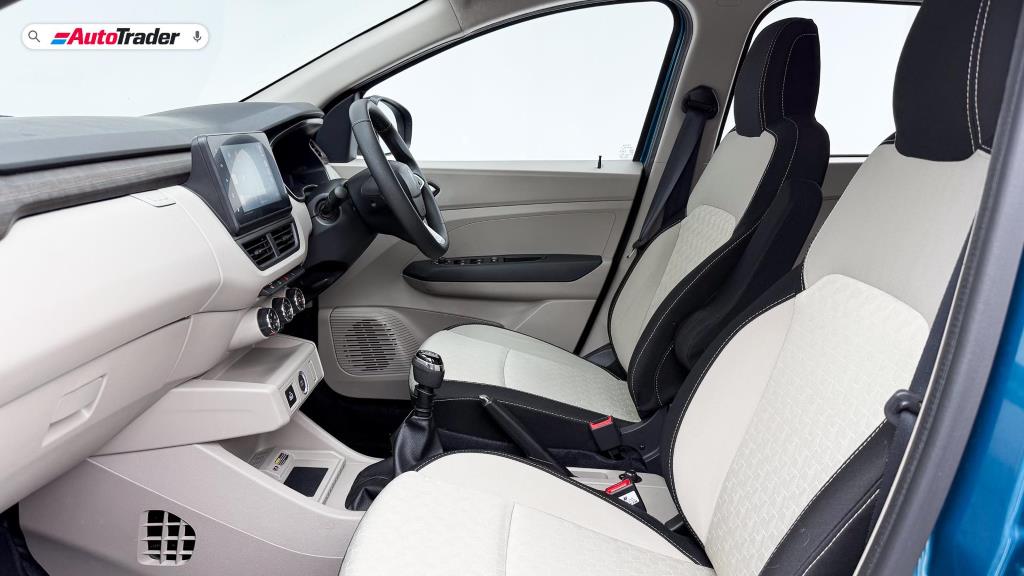
The interior also got a styling update, offering a dual-tone dashboard with a patterned imitation-wood trim contrasting with beige. Personally, we would prefer a darker interior, as lighter colours can get dirty rather quickly, especially in vehicles that are either going to be used by new families or as e-hailing vehicles. The same principle applies to the lighter colour cloth seats, although we like the pattern.
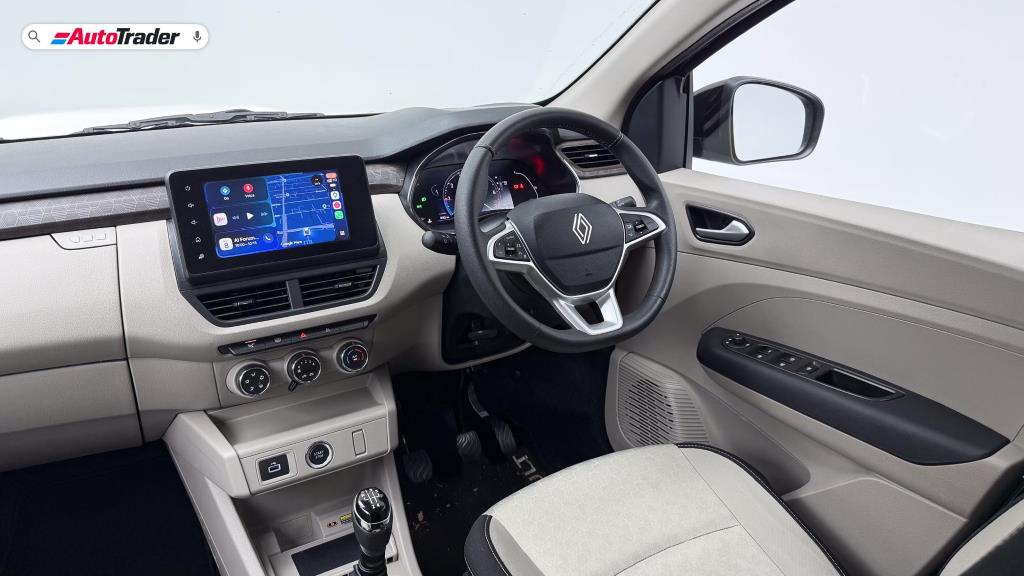
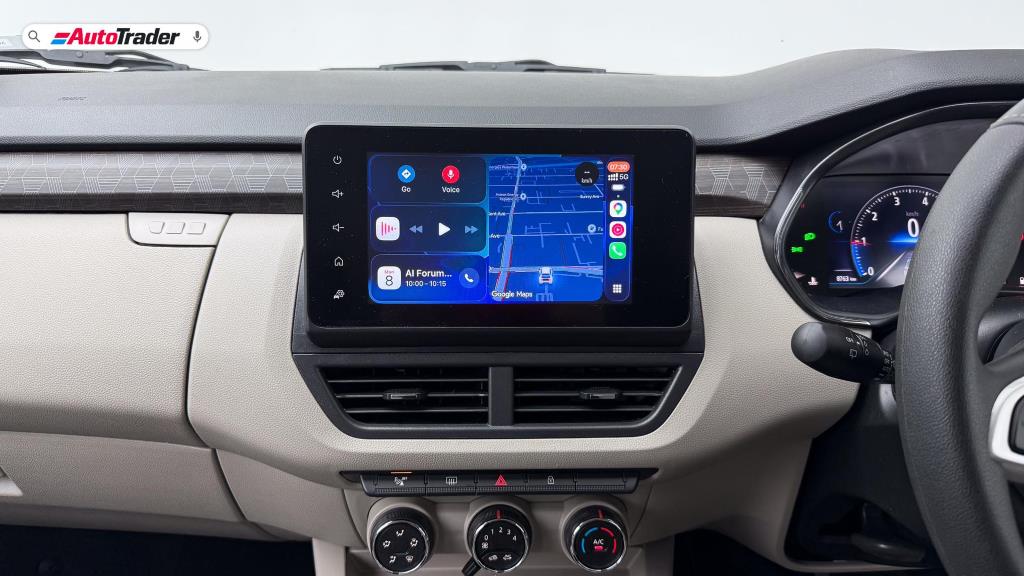
Most of the interior pieces are made of hard-wearing plastic, which is not only cost-effective but also smart for a car that will work hard. However, there are creature comforts in the form of tech. Centrally, you will find an 8.0-inch touchscreen infotainment system that is compatible with wireless Apple CarPlay and Android Auto. This is complemented by the wireless charging pad that comes standard with the Iconic variants.
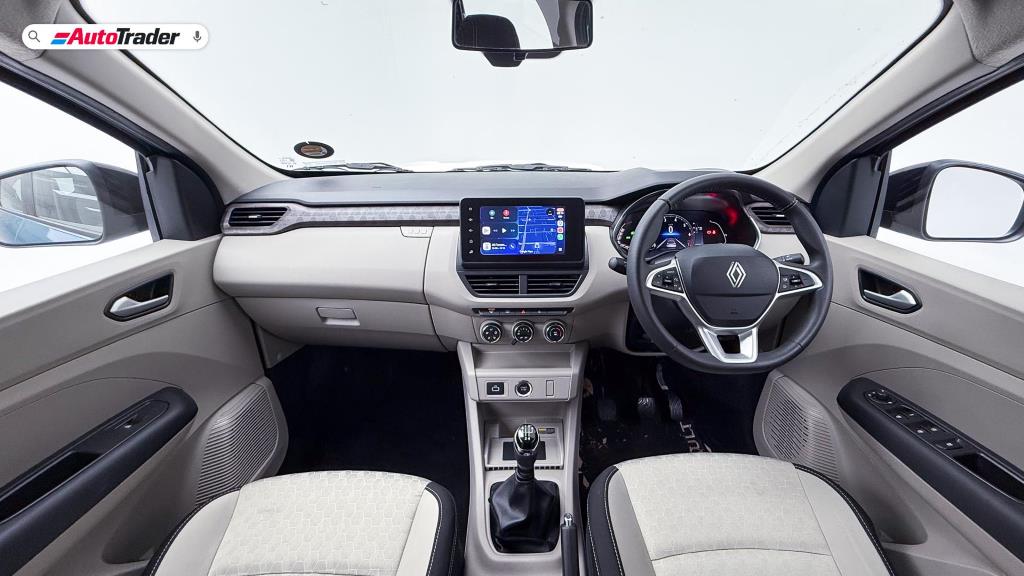
The infotainment system is easy to use and responsive, and pairing a smart device took less than a minute. We appreciated the matte screen finish, which mitigates harsh reflections from the sun. The system sends its audio through four speakers and two tweeters, which is rather clear and has ample power for a vehicle like this.
The driver also benefits from a 7.0-inch TFT LED instrument cluster, which provides a good amount of information, including trip distance and average fuel consumption, digital speed, and tyre pressure monitoring system (TPMS) information. There is also a multifunction steering wheel which controls the audio/telephony and the instrument cluster.
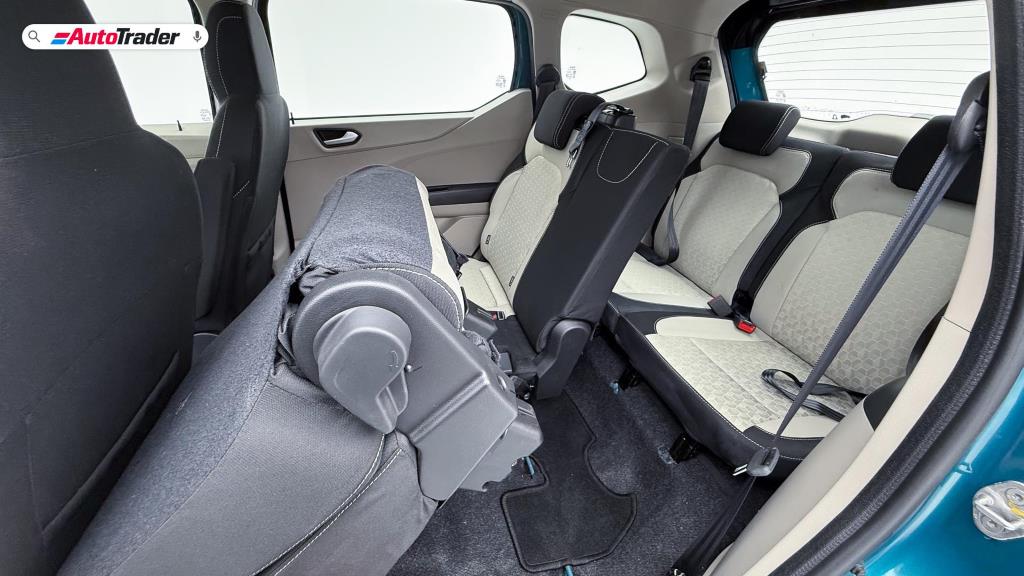
Passengers will also be glad to note that there are independent vents for the second and third rows. Speaking of which, the second row offers a good amount of leg-, shoulder-, and headroom and can be easily adjusted to provide more space for the third row. The seat backs also easily fold for entry or exit of the third row. The third row, however, should be reserved for small children, as adults will very quickly feel cramped.
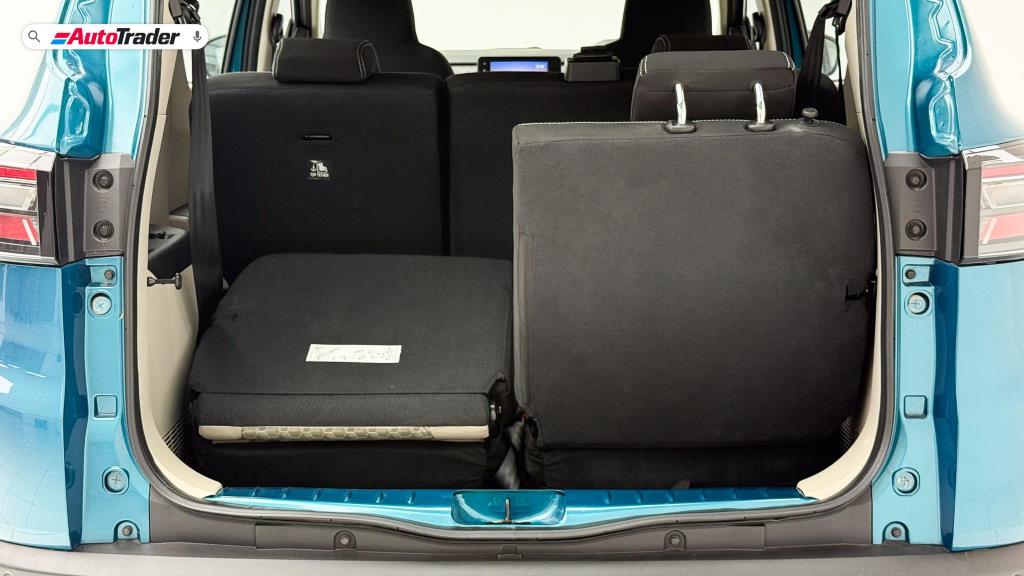
The third row also means that there is very little luggage space, 84 litres to be exact, if all seats are occupied. We spent most of our test period with the third row folded flat, which then offers 625 litres of luggage space.
Drive Impression
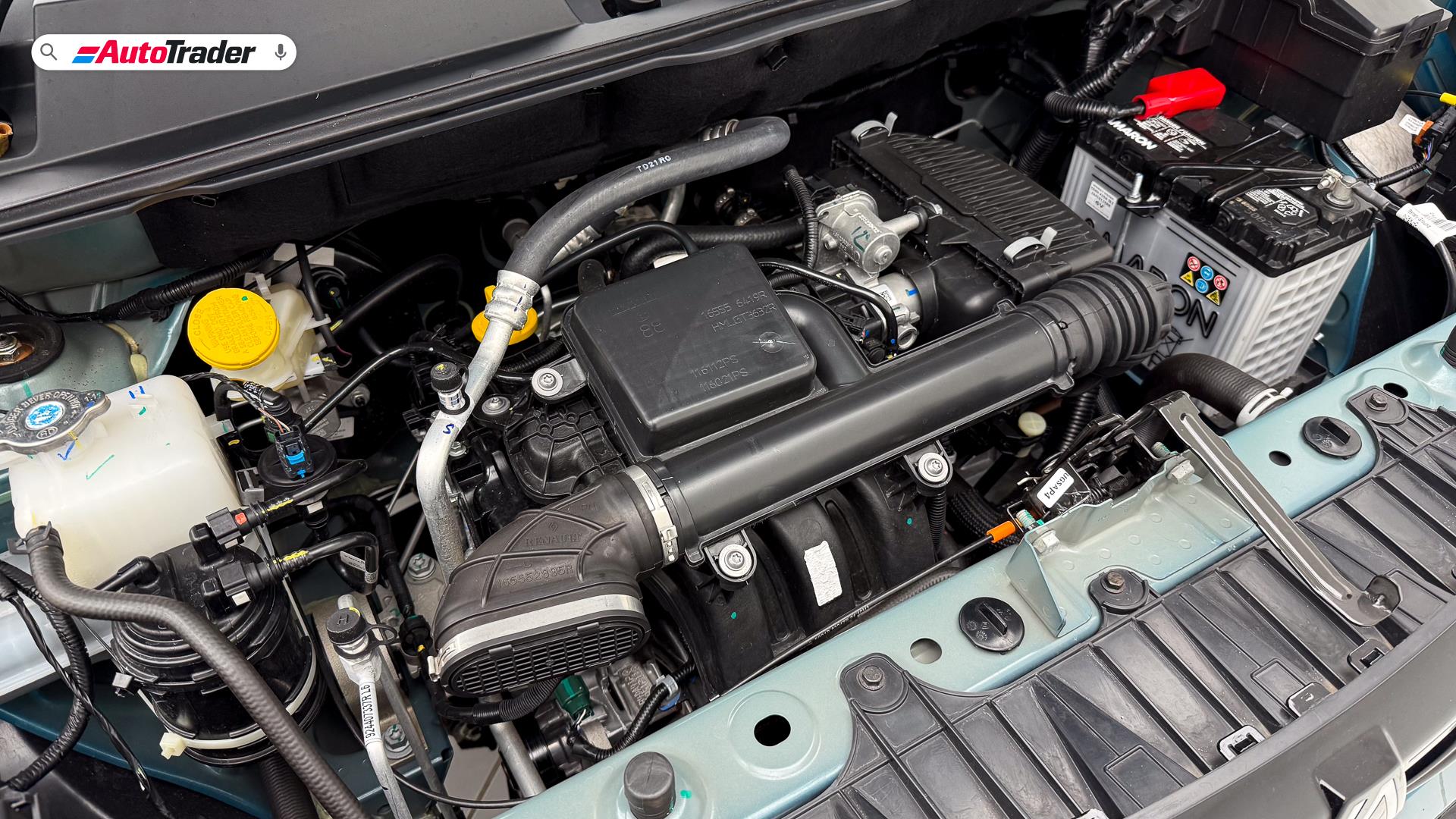
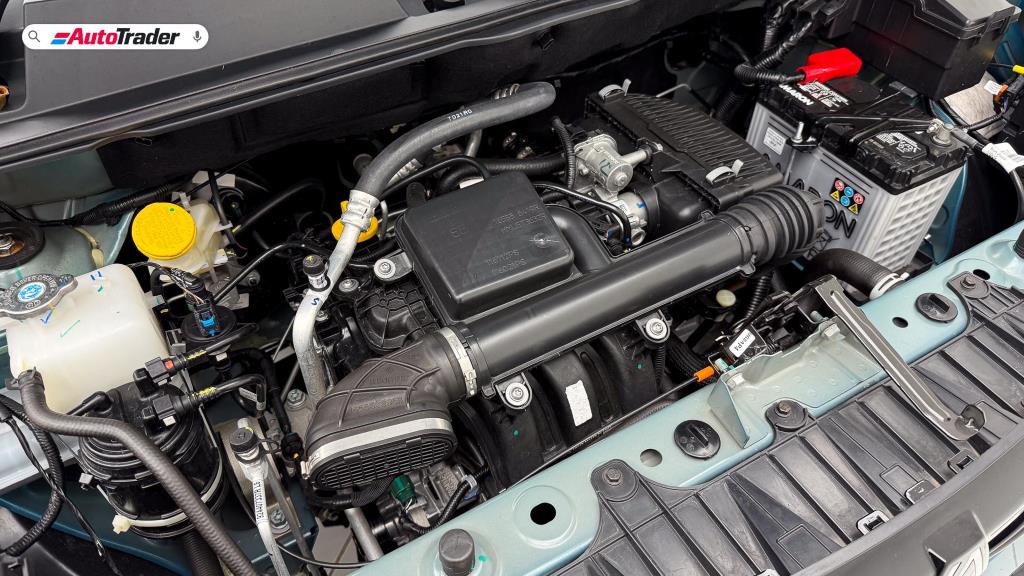
Starting with the engine and drivetrain, under the bonnet of the Renault Triber is a 1.0-litre, naturally-aspirated, 3-cylinder petrol engine coupled to a 5-speed manual gearbox. This should produce 52 kW and 96 Nm of torque, which, for city commuting and loaded with occupants, will be sufficient. However, even when travelling alone, we had to quickly shift up to 4th gear on the N1 between Pretoria and Johannesburg when hitting inclines, as the little engine ran out of steam.
That said, the little 1.0 B4DA engine just loves to rev, and we enjoyed every second of it. In fact, having to manually change gears and actually keeping the revs high were part of the fun and definitely added to the Triber's personality. Sure, there is quite a bit of engine and wind noise entering the cabin, but the 3-pot didn't sound bad either.
As for the suspension, it is calibrated stiffer, as you would expect from a vehicle of this size that has to accommodate up to seven occupants. However, it has to be said that the Triber feels a lot more confident on the road, even at 120 km/h on a national route, than its smaller sibling, the Kwid. The steering is predictive, and at no point did we feel like we didn't have control. Overall, this writer enjoyed his time with the Triber and found himself grinning.
Fuel consumption
As you would expect from a vehicle with a 1.0-litre, naturally-aspirated, 3-cylinder petrol engine, a manual transmission and tipping the scales at 957 kerb, the Renault Triber is rather frugal. In fact, we even achieved a figure below the claimed fuel consumption.
- Claimed average: 5.5 L/100 km
- Best achieved average: 5.1 L/100 km (combined highway and urban long-run testing with very calculated throttle inputs and gear changes)
- Actual average: 5.8 L/100 km (combined highway and urban long-run testing)

Safety
During a 2021 crash test, the Renault Triber scored an impressive 4 stars; however, in 2024, under more stringent criteria, the Triber scored only 2 stars as part of the #SaferCarsForAfrica campaign. However, with the updated Triber, Renault has installed additional airbags, amongst other improvements, which might improve that score again.
- Airbags: 6 as standard, including front, side, and curtain.
- Driver Assist: ABS brakes with Electronic Brake-force Distribution (EBD), stability control, traction control and hill-start assist.
- Parking: Front and rear park distance control sensors with a rear reverse camera.
Pricing
- Renault Triber 1.0 Iconic manual: R 249 999
- Includes a 5-year/150 000 km vehicle warranty and a 2-year/30 000 km service plan.
Quick Rival Comparison
| Model | Price | Power / Torque | Service plan |
| Renault Triber 1.0 Iconic manual | R 249 999 | 52kW / 96Nm | 3-yr/60 000 km service plan |
| Suzuki Ertiga 1.5 GA | R 307 900 | 77kW / 138Nm | 4-yr/60 000 km service plan |
| Toyota Rumion 1.5 S | R 311 000 | 77kW / 138Nm | 4-yr/60 000 km service plan |
| Mitsubishi Xpander 1.5 manual | R 365 995 | 77kW / 141Nm | 2-yr/30 000 km service plan |
*Pricing was correct at the time of writing this article; however, it can change at any time and without notice.
Verdict
Finding a cheap car that isn't dull is rather difficult, and without reinventing the wheel, Renault breathed new life into its Triber range. This writer often found himself grinning as he changed gears and revved the little engine. In fact, it was the most fun he had in a vehicle of this price point in a long while.
The Triber not only offers good value for your money but also fun, which, in our view, makes for a winning recipe. And if you are in the market for an affordable car for the morning commute and/or the school run, we recommend you add the Triber to your list of considerations.