Renault Captur 1.3T Esprit Alpine (2026) Review
Once a staple of the B-SUV segment, the Renault Captur has faced more competition over the past few years; however, with the arrival of an updated model, complete with a new flagship Esprit Alpine trim, it marks a significant shift in its positioning. I drove the refreshed model to see if it has what it takes in 2026.


What is Alpine?
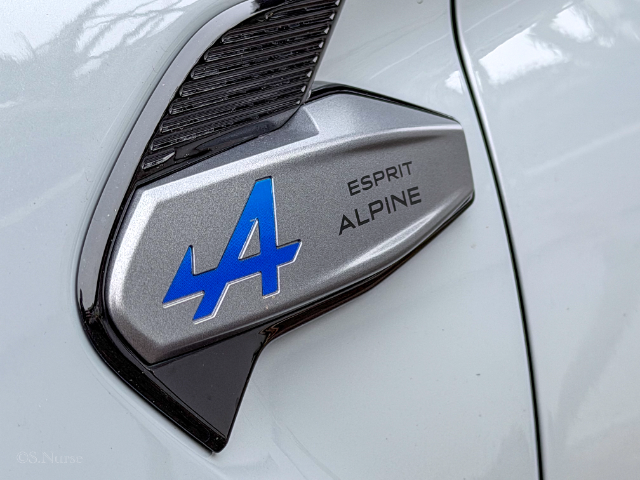
Alpine is Renault's performance sub-brand, effectively replacing Renault Sport (RS). Unlike RS, the Alpine brand does not have a local presence, with its A110 sports car unavailable to South Africans, as Renault has focused on more affordable products in the local market. This is, of course, an understandable strategy in a market so price-sensitive. The problem for models like the Captur Esprit Alpine is that, outside of Formula 1(F1) fans and those familiar with the European market, the Alpine brand holds very little gravitas in South Africa, meaning this flagship may hold less significance than, for example, an M Sport model would to a South African BMW enthusiast.
Styling
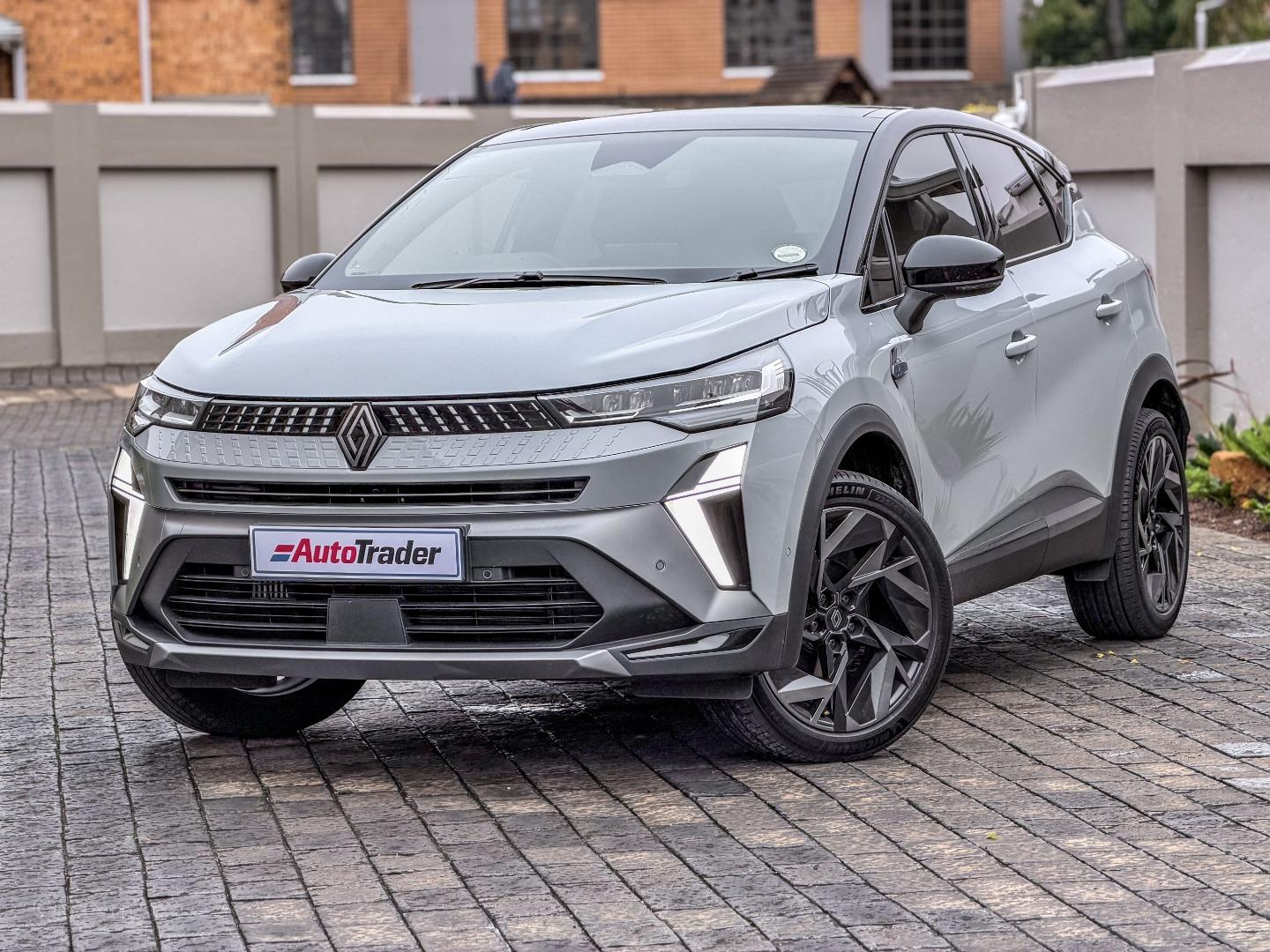
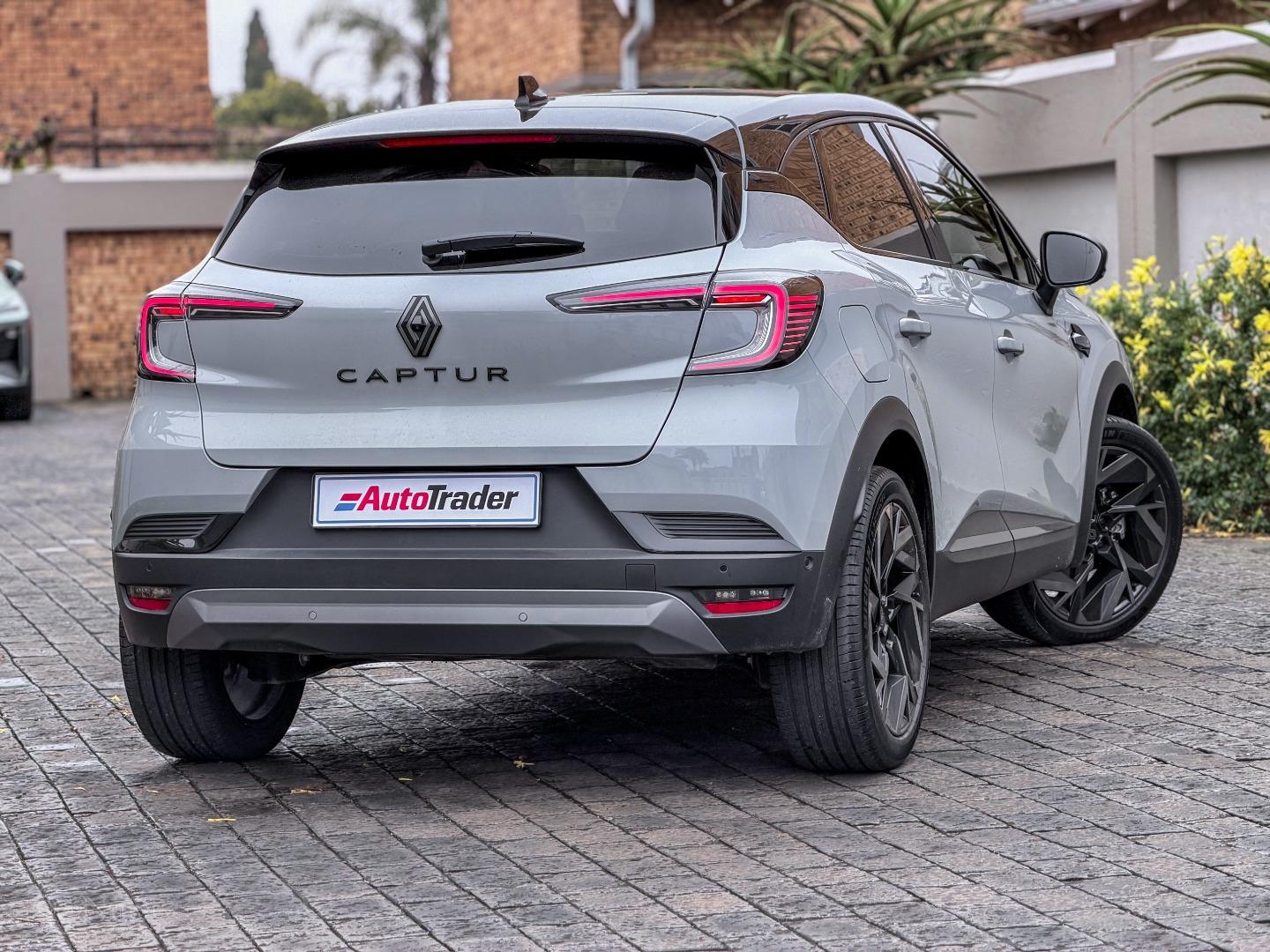
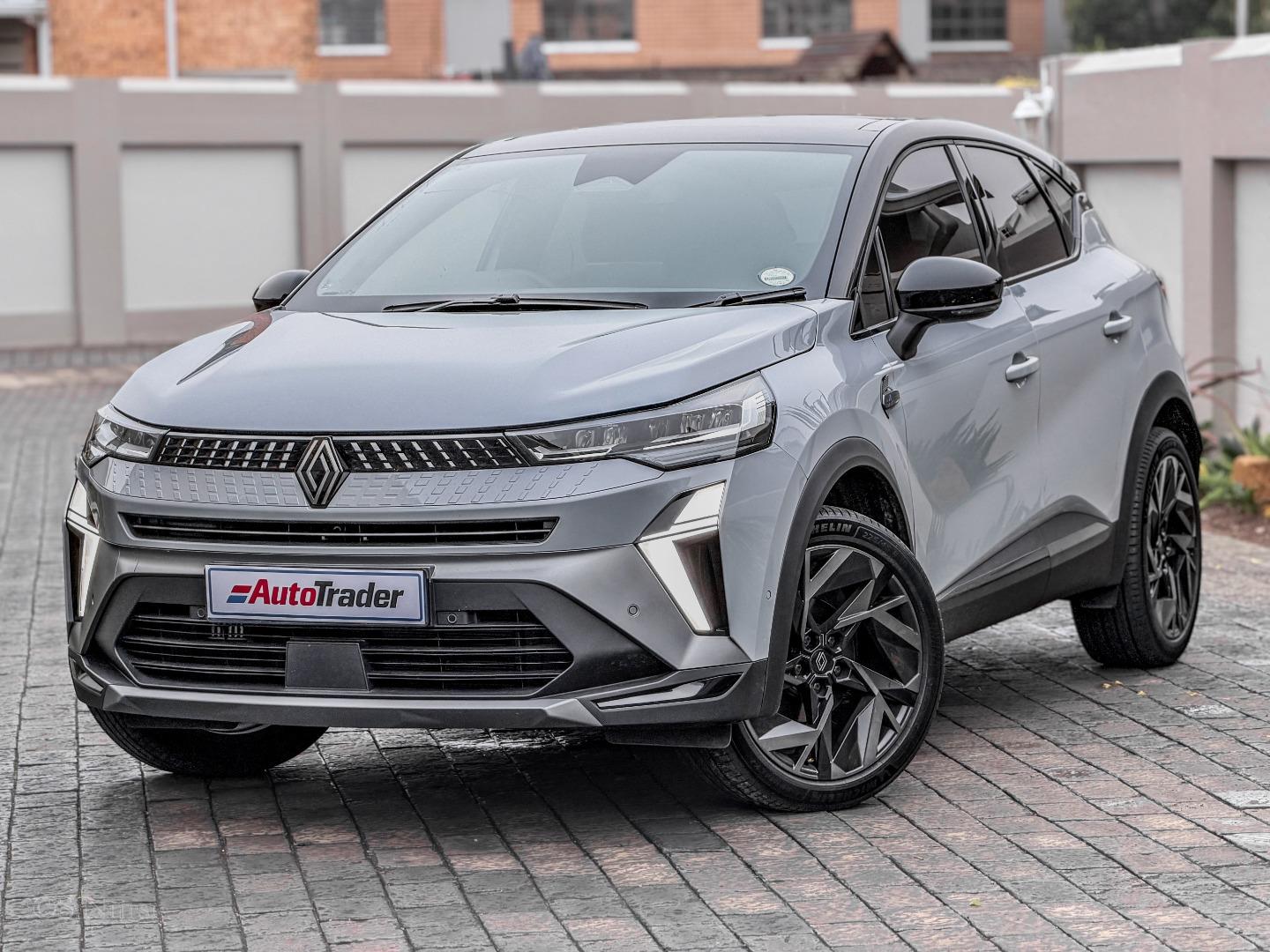
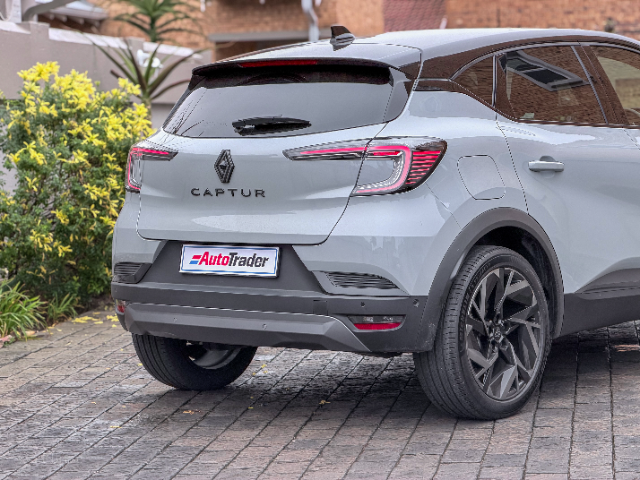
The Esprit Alpine is a head-turner. While the base Captur is already a handsome vehicle, the Alpine treatment adds a layer of sportiness. It features a specific "F1 blade" front bumper finished in Matte Schist Grey and massive 19-inch Elixir alloy wheels that fill the arches perfectly. Standard kit includes full LED C-shape lighting and a blacked-out roof for a two-tone effect. I would like to see a bit more distinction in the rear diffuser area, but overall, the Captur remains one of the most stylish and proportional crossovers on our roads. Our test unit's grey paintwork features a striking flake, which sparkles in direct sunlight.
Space and interior
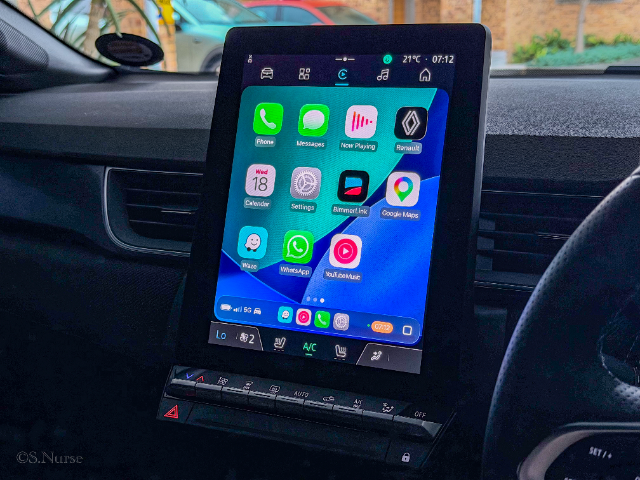
Inside, the Esprit Alpine has gone more boutique than its rivals. The centrepiece is the new 10.4-inch OpenR Link vertical touchscreen—it’s relatively snappy, with an acceptable resolution, and features built-in Google services, which is a massive upgrade over previous versions. The connection to Apple CarPlay and Android Auto is truly instant and works wirelessly every time, unlike many cars.
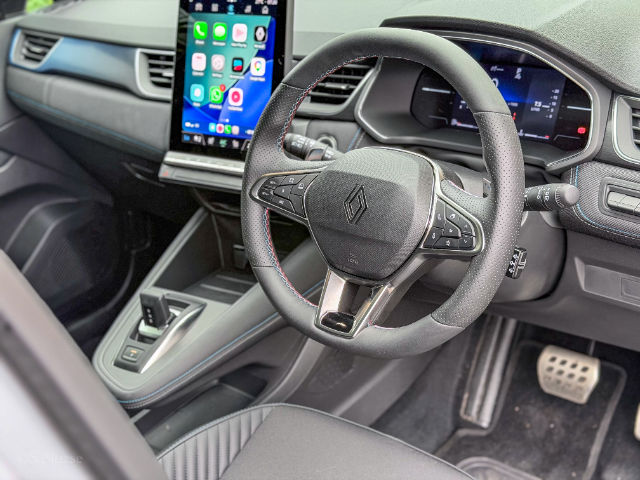
The Alpine branding is evident through blue top-stitching, aluminium pedals, and seats upholstered in a mix of fabric and synthetic leather with Alpine emblems. The seats are a thing of beauty, and the colours of the French flag are proudly stitched into the steering wheel, adding a level of detail to the cabin that fans will appreciate.
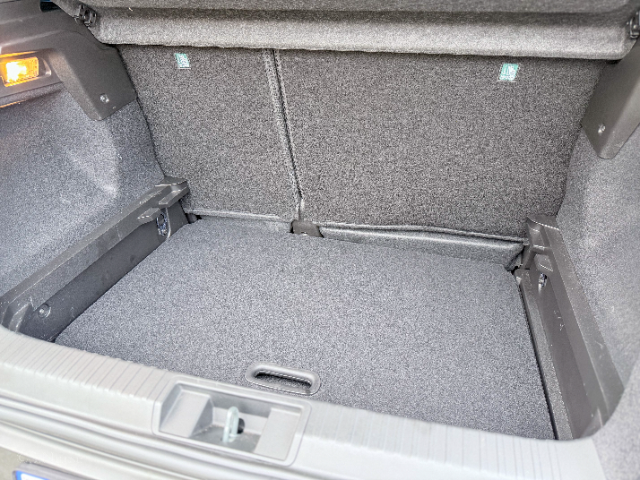
One of the Captur’s greatest strengths remains its versatility. The sliding rear bench lets you prioritise either rear legroom or a larger boot (expandable from 484 to 616 litres). The quality on offer is solid, with soft-touch materials on the dashboard and an overall ergonomic layout that feels more premium, though some hard plastic surfaces remain.
The powerplant
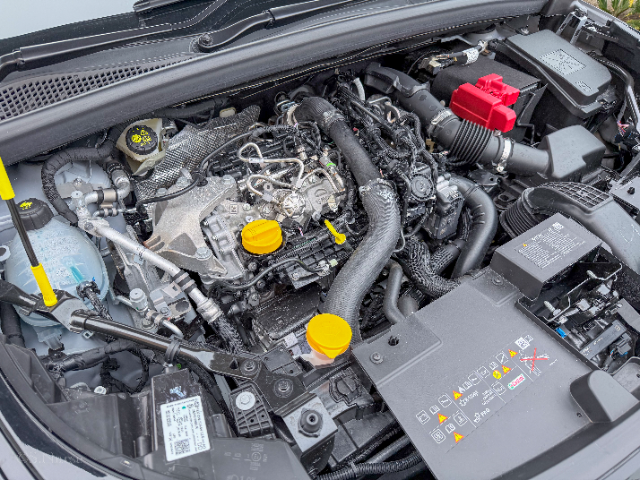
Under the bonnet sits a 1.3-litre four-cylinder turbocharged engine, producing 113kW and 270Nm. Co-developed with Mercedes-Benz, this engine is a gem—paired with a 7-speed EDC (dual-clutch) transmission, it offers some of the smoothest shifts in its class. For F1 fans, the Mercedes connection in the powertrain department will now hold greater significance, with the Alpine F1 outfit set to use Mercedes-AMG engines for the 2026 season and beyond.
The drive
On the road, the Captur feels compact and is very easy to drive across a variety of conditions. Its relatively light kerb weight (1 365 kg) means that progress feels effortless. While the 19-inch wheels look fantastic, they do make the ride slightly firmer, but the European-tuned suspension remains composed and refined, endowing the model with surprising handling prowess in a segment often devoid of driver connection. Refinement and comfort levels are good, but not great, particularly at this price point, where rival brands offer plug-in hybrid drivetrains, making the Renault seem coarse by comparison.
Performance Specifications
Fuel Economy
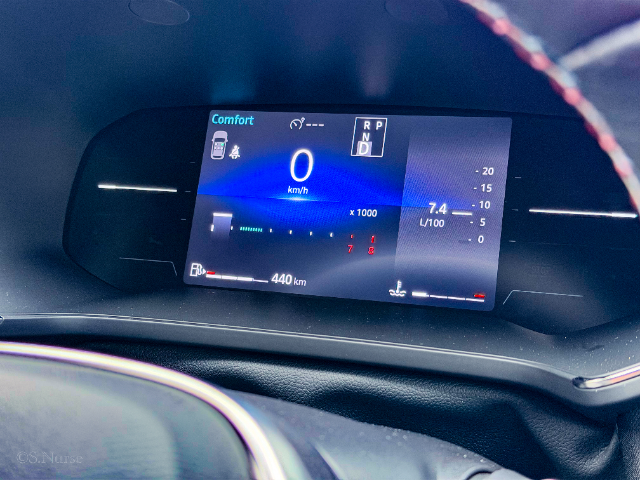
Renault claims competitive fuel economy, and in real-world South African conditions—featuring a mix of urban commuting and open-road cruising—you can expect figures in the 6.6-7.5 L/100km range. It is efficient for a non-hybrid, though it cannot match its hybrid rivals.
The Figures
Price: R614 999
Warranty: 5-year / 150 000 km
Service Plan: 3-year / 45 000 km
Rivals
Chery Tiggo 7 1.5T PHEV (R599 900): The value pick. Offers Plug-in Hybrid tech for less money, though the interior lacks the polish of the Captur.
Kia Seltos 1.5T-GDI GT Line (R626 995): The spacious choice. Slightly more power, a bigger footprint and lighter on fuel, but at a higher price point.
Subaru Crosstrek 2.0i L (R609 000): The adventurer’s choice. The only one with AWD, but the engine feels underpowered compared to the Captur's turbo.
Comparison
Verdict
The Captur Esprit Alpine is the type of niche SUV that will attract a very small number of buyers, particularly at this highly competitive price point. While it showcases a level of quality and execution far above the rest of the Renault passenger car range locally, that comes at a steep price premium. There are just too many competent rivals in this segment for the Captur to stand out. More work is needed to promote what the Alpine brand means to South Africans to broaden its appeal.