Is it time to sell your beloved wheels for something a little more grown-up? Or merely making space in the garage? For whatever reason you’re selling, be sure to have the following paperwork on hand, if you’re selling privately.
If you're unsure how to value your car, you can use our handy value my car tool.
(Or, take the hassle out of selling your car privately by leaving it to the experts. Get an instant offer on your car, now!)

1. Identification
Have a copy of your ID or driver’s licence ready to give to the buyer, and make sure to ask for the buyer’s ID as well; if he has a copy, even better. If not, take a clear picture of his ID, licence, or passport with your smartphone.
Selling privately or trading in your car: Which one will get you more?

Related: Can I sell my car and retain a private number plate?
2. Proof of ownership certificate
You will only have this if the car is fully paid up. Typically, a letter from the bank certifying that the car is truly yours goes along with this. If you find yourself without these documents, contact the relevant financial institution to obtain them. To learn more about the ownership certificate click here.
3. A settlement letter
This is only needed if you still owe money for the car. The settlement letter will state exactly what the outstanding amount is, so the buyer can see for himself.
(Read our top negotiation tips for selling your car privately.)

4. Notification of Change of Ownership
Unless you want to be held responsible for the new car owner's traffic fines, you need to fill out a Notification of Change of Ownership (NCO) form (see above), available to download online or to be picked up at any traffic department. Both the seller and the buyer need to have their signatures on this form, and the buyer will need his own copy. The Department of Transport is to receive a copy of the NCO form as well, for the transfer to the buyer’s name.
Related: Top 5 scams to watch out for when selling your car privately.
5. Vehicle Registration Certificate
In order for the new owner to register the car, he or she will need your original Vehicle Registration Certificate. You should also hang on to a copy of it for the de-registration of the car you are selling, and one more to keep on file, just in case.
Private sales – can you get finance for a car sold by a private seller?
6. Proof of sale
Once the deal is sealed, write a receipt acknowledging the date, the amount paid, the make and model of the car, the car’s registration, VIN number, and the names and contact details/addresses of the buyer and seller. Make two copies, so you and the buyer both have one. This serves as proof of sale, for your own protection and the buyer’s. It is not a legal requirement, but it’s important should something fishy arise.
Buying privately: The pros and cons

7. RWC (Roadworthy Certificate)
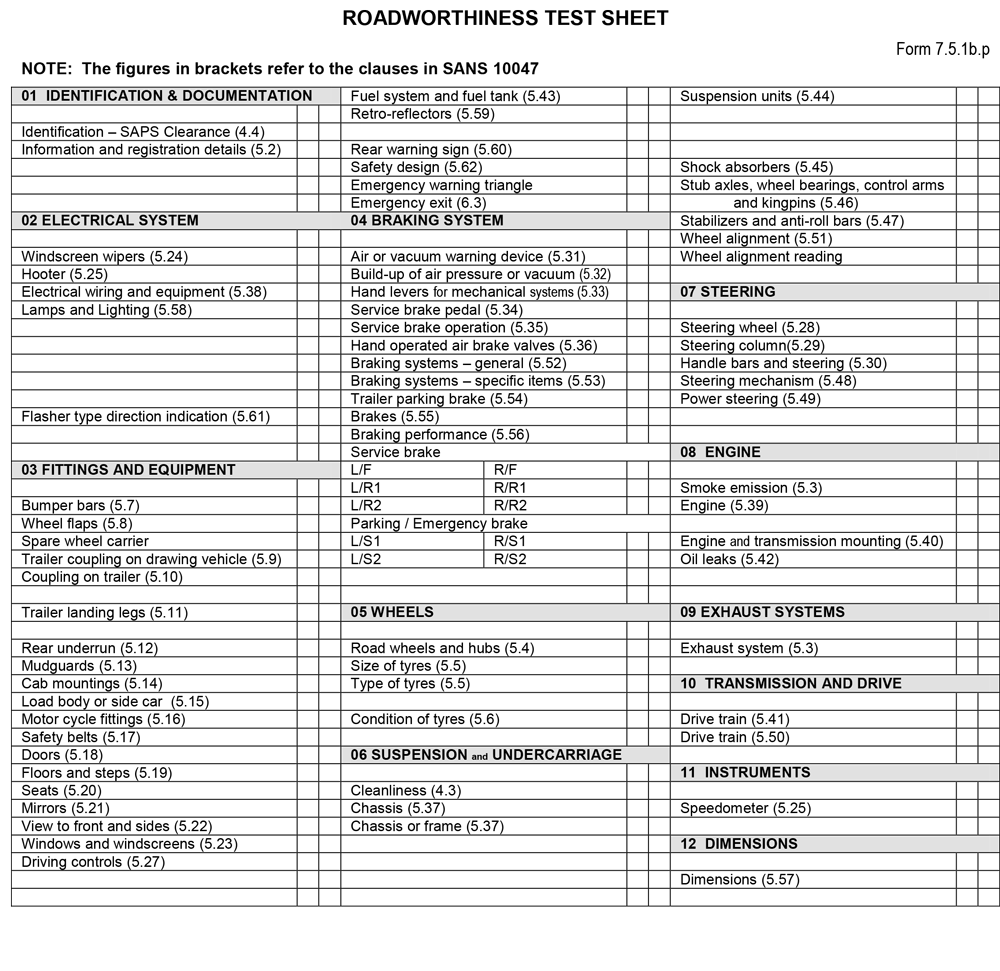
The buyer will need a current RWC within 21 days of the sale for registration purposes. If your RWC has expired, you can obtain an updated one for the buyer. Take the car to the testing station along with your ID, vehicle registration, and completed Application for Roadworthiness Certification.
How to decide your asking price when selling your car
8. Service history and receipts
This is extremely valuable. Some people won’t buy used cars without a full-service history. Hand over all receipts as well as any documentation relating to the car’s warranty, if it still has one.
Do you want to sell your car instantly?
AutoTrader now makes it easier than ever to sell your car with the introduction of our new Instant Offer service. After following this simple 3-step process, you will get a market-driven valuation for your car within minutes and a solid cash offer within hours—safely, conveniently, and with total peace of mind.
Related: Checklist for buying a used car