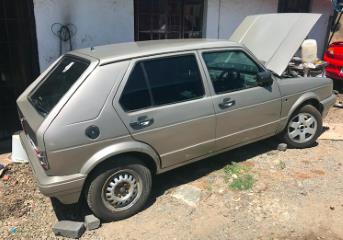
Private sales – can you get finance for a car sold by a private seller?
Many people assume that getting finance for a car that is being sold privately – not through an authorised dealer – is difficult, if not impossible. However, most banks offering vehicle finance in South Africa will finance a car that is being sold privately, subject to certain conditions.



The financed amount has to be at least R50 000
One of these conditions is the price. Most banks won’t enter into a finance contract for an amount that is less than R50 000, as the administration costs of financing a deal under this amount would not make such a deal worthwhile to the bank. This amount varies from bank to bank, but R50 000 is an average cut-off price.

Whether you are granted finance (or not) will still depend on your credit record
Banks will look at your monthly income statements and your credit record, before deciding whether or not to grant you finance for a vehicle. The amount of interest you pay on your loan will also be negotiated according to your credit record and your monthly income.
Related: How to get the best car finance deal.

The bank will need assurances that the car being bought is legal and in good running condition
It is in the bank’s interest that the car you are buying can be re-sold, should you default on your payments. Thus most banks would insist on the car being examined by a certified testing station, such as DEKRA, and given a clean bill of health.
Most banks will also insist that a car be bought with a valid roadworthy certificate. A company like DEKRA can offer a roadworthy test, and if the car passes the test, the certificate is valid for 60 days. This can be used to register the car in the name of the new owner
Usually the seller would be liable for the costs of these tests, but this could be negotiated between the buyer and the seller.

The bank will need proof that the seller is the legitimate owner
The bank will request a copy of the car’s registration form, and relevant ID documentation, proving that the seller is the owner of the car. The registration form will list whether the seller is the title holder of the car, or whether a finance company is the title holder. A finance company is listed on a car’s registration form as the title holder until the car has been fully paid for.
Once a car has been fully paid for, the owner is registered as both the owner and the title holder, and this status has to be registered with the local NATIS traffic authority.
The finance company will also furnish a letter stating that the car in question, using its VIN (Vehicle Identity Number) as reference, has been paid up in full.
Related: Car Finance 101 - We explain the key terms.
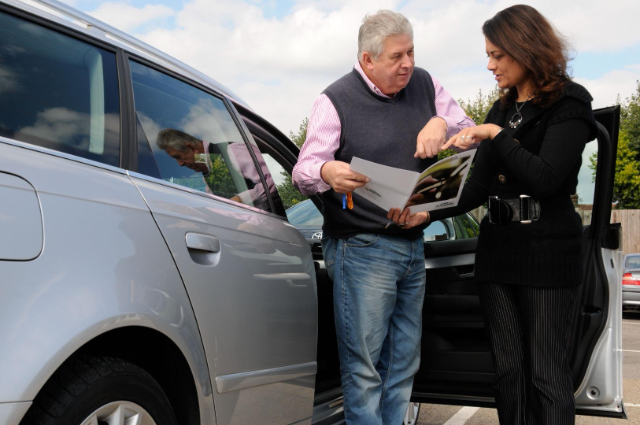
What if money is still owed on the car?
In the case of any outstanding amount still owing on the car, as part of a new finance deal, a settlement payment could be made to the seller’s finance company, as long as it is ascertained that the market value of the car shows that there is sufficient equity in the car.
In other words, the car must be worth appreciably more than the amount still owed by the seller. In this case, part of the new financed amount would go towards settlement of the outstanding amount, and the remaining portion of the selling price (financed by the bank) would go to the seller.

The car cannot be too old
Most banks will not finance a car that is too old. The cut-off dates for a vehicle’s age to be financed varies from bank to bank, but this will typically range from six to 10 years. Some banks also stipulate a maximum mileage cut-off – for example that the vehicle may not have covered more than 150 000 km.
The exception to this rule could be when a classic car is being purchased. Some banks are willing to finance old cars that have genuine classic status. But this status would normally have to be ratified by some sort of classic car authority, such as a marque club for a certain make of classic car.
Related: The best way to pay for a car in South Africa.

Insurance
Banks financing a car deal will insist that the car is insured. The car will normally need to be insured for its retail market value at the time of sale. Buyers should note that they can negotiate an insurance contract covering accident damage or theft of the car with an insurance company of their choice, and that this insurance contract is in no way linked to the finance contract of the car.