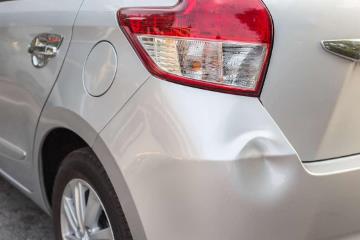
We've touched on what insurance is in our FAQ section, the types of insurance available and how to even get cheaper car insurance. Now, let's talk about insurance excess and what it's all about.
Related: How to know how much your car is worth?
You've probably noticed excess is tied to your monthly premium amount. Generally, the higher the excess amount, the less the monthly premium. Or the higher the monthly premium, the lower the excess.

What is insurance excess?
Insurance excess is the amount you pay out of your own pocket when you are involved in a car accident or make an insurance claim. The excess payment is an uninsured part of your loss. The excess is generally paid to the service provider doing your repair. Insurance excess is paid regardless of the circumstances surrounding the accident. Even if the accident was not your fault, you'll still have to pay the insurance excess, but your insurer's legal team will try to recover the cost from the guilty party who caused the accident.

What types of insurance excess are there?
Compulsory excess - Your insurer sets this excess and is the minimum amount that you’ll have to pay when you make an insurance claim. It varies depending on the car and the age group of the driver. In this instance, your monthly premiums would be higher.
Voluntary excess - When you're sorting the terms on your insurance policy, you can choose to pay more than the compulsory excess amount. In this instance, your excess will be high, but your monthly insurance premiums will be lower.
Additional excess - An additional amount that you may have to pay depending on the situation regarding your claim. Such instances would include if someone other than the main driver was driving, if you're a younger, inexperienced driver and more.
No Excess - As the name states, some insurers allow you to opt to pay no excess, but that would result in high monthly premiums. In the event of an accident, though, you would need not to pay excess.

Why is insurance excess needed, then?
Excess helps prevent insurance fraud in that it deters dishonest policyholders who are out to make false insurance claims to get a big payout from the insurer. It also prevents policy holders from submitting claims for every little scratch or damage thus meaning less admin for the insurer and client. Excess can also help keep the monthly premium cost down to reduce claim costs for your insurer so that everyone wins.

Should I opt for higher or lower insurance excess?
It entirely depends on you, your financial situation, vehicle usage, claims history and how much of a risk you are. Suppose you opt for a higher excess to have a break from the monthly premiums; it's best to have some savings ready to cover that excess in the event of an accident. However, maybe the insured vehicle isn't used that often, so it would make sense to have a higher excess for lower monthly premiums. Perhaps the vehicle is used often, and you may have a risky commute, so having lower excess and higher monthly premiums would be wiser. It all depends on those sorts of factors. Take a good look at your current situation and decide whether you're able to handle a higher or lower excess and if it's something you may consider will happen often. Don't forget, remember to review your policy annually to see if you can receive a favourable adjustment.