Can you push start a car in reverse?
Coming out to your vehicle to find that it has a flat battery is a surefire way to ruin your day. It's even worse when it's positioned so that it makes push-starting it difficult. Find out here if it's possible to push-start a car in reverse.

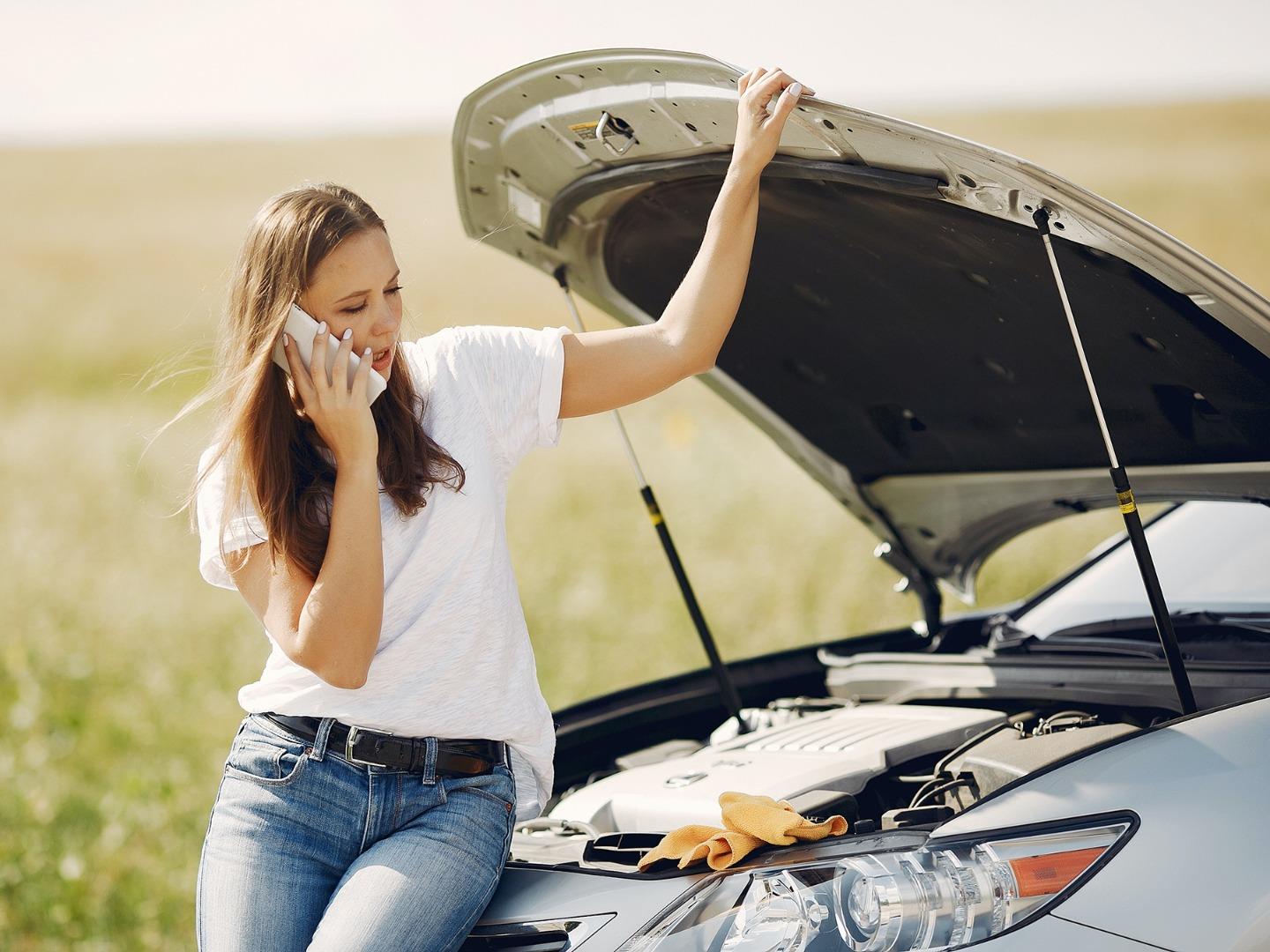


A dead battery is an inconvenience that many of us would have experienced in the past. Be it due to our own foolishness, by leaving the lights on, or just as a result of age, as batteries lose their ability to retain charge as they age, it doesn't change that it is always an inconvenience.
Related: Top 3 reasons your car battery keeps going dead
There are multiple ways of getting the car running again: a jump start, a battery booster and a push start (if your car is a manual). A new battery may be required if this occurs on a somewhat regular basis; find out what the best batteries in South Africa are here. Should you not have a booster pack, jumper cables or access to another car with a charged battery, you will have little choice but to push-start the car. How do you push start a manual car? And can it be done in reverse?

Can it be done?
Sometimes, you will be stuck in a parking bay when this happens, with no way of moving the car forward. As an incline will assist with the momentum needed to push start a car, and your car may be facing the wrong way, it's nice to know that a car can, in fact, be push-started in reverse, and here's why.

How does it work?
Push-starting a car is a process where the drivetrain (the gearbox, drive shafts and differentials) are disengaged from the engine. Gathering momentum with the clutch depressed and the ignition switched on, the drivetrain turns as it is permanently coupled to the wheels. Once the desired speed is reached, the engagement of the clutch (connecting the drivetrain to the engine) causes the engine to turn over, starting the combustion cycle. This, coupled with the small charge in the battery, is often enough to start the engine. At this point, the alternator takes over, providing the electrical power required to run the engine and replacing some of the charge in the battery.
This process is usually done in second gear. It is the best balance between torque transfer and engine speed, but almost any gear can achieve the same result. Higher gears (3, 4, 5 and so on) will require a greater amount of momentum and a lower gear, first gear, may transfer too much torque in relation to the road speed and resulting engine speed, but it can still be done.
Reverse gear will usually have a ratio similar to first gear, and while it is not ideal to use reverse gear when push-starting a car, it can be done. You will need to ensure that the car is on a high-friction surface, such as a tar road, as a low-friction surface will merely cause the wheels to slip and fail to transfer the rotation to the engine.
Remember that this will only work for cars with a manual gearbox, and an automatic must be jump-started and not pushed.