
Congratulations on getting your driver's licence! Earning this freedom opens doors to new possibilities, but it also comes with a big responsibility: driving responsibly. Our South African roads can be unpredictable, so here are 15 crucial tips for new drivers to navigate their journeys with confidence and caution.
1. Always plan ahead

Planning your route goes beyond traffic patterns. Factor in potential delays caused by load-shedding that affects traffic lights or pesky potholes multiplying after heavy rains. Google Maps or a reliable GPS with offline maps comes in handy, but remember, staying alert and observing road signs is essential.
2. Get to know your own car really well

If you didn't use your own car when you went for your driving test, it's important that you spend time getting acquainted with your new car's controls, features, and blind spots. Learn how to use the headlights, taillights, turn signals, wipers, and mirrors as efficiently as possible before undertaking your first journey.
What are the best first cars for new drivers in 2024?
3. Keep your car in tip-top driving condition

Regular car maintenance is vital for safe driving. Ensure your tyres are properly inflated and have sufficient tread depth. Check your engine oil regularly and get it changed according to the manufacturer's recommendations. Don't neglect essential fluids like brake fluid, water, and coolant. A well-maintained car performs better, handles predictably, and minimises the risk of breaking down.
If your car is no longer new, subscribing to some form of roadside assistance service is worth every cent! (I've been an AA member for as long as I can remember.)
Here are DIY car maintenance tips every South African driver should know
4. Ensure you're in the correct driving position

Unless you're Snoop Dogg, raise your seat so you can see the road properly.
Proper posture is crucial for safe and comfortable driving. Adjust your seat so your legs can comfortably reach the pedals and your back is supported. Maintain a safe distance between your chest and the steering wheel to allow for airbag deployment in case of an accident. A good driving position reduces fatigue and improves reaction times.
Here are Top 10 bad driving habits that damage your car
5. Reduce distractions

Distracted driving is a major cause of accidents. Put your phone away; texting, talking, or even just glancing at it can be deadly. Avoid eating, drinking, or applying makeup while driving. Keep conversations with passengers to a minimum, especially when navigating challenging situations. Your focus should be 100% on the road.
If you're using your phone for navigation purposes, ensure it's placed close to your field of vision and is secured properly.
Top 10 deadly driving habits that put motorcyclists at risk
6. Be a defensive driver

Defensive driving is about anticipating potential problems and taking action to avoid them. Assume other drivers might make mistakes. Always be aware of your surroundings, scan the road ahead, and watch for brake lights and turn signals. Leave yourself room to manoeuvre and be prepared to react calmly to unexpected situations.
7. Don't rush or speed

Speed limits are there for a reason. Obey them and adjust your speed according to road conditions, traffic, and weather. Speeding gives you less time to react and increases the severity of any potential accident. Remember, arriving safely is more important than arriving a few minutes earlier, and speeding and braking unnecessarily increase the wear and tear on your car, which becomes costly.
8. Leave enough space between you and other cars

Maintain a safe following distance, also known as the two-second rule. This allows enough time to react if the car in front of you brakes suddenly. Increase this distance in bad weather or when following larger vehicles. Leaving ample space between you and other cars gives you more control and reaction time in unforeseen situations.
If you're stuck in traffic, leaving a large enough gap between you and the car in front can also make you less attractive to hijackers.
Which cars are hijacked most often in South Africa?
9. Don't pay attention to intimidation

There will always be aggressive drivers on the road (hello, minibus-taxi drivers!) Don't let them pressure you into speeding up or allow them to make you nervous. Maintain your lane, stay calm, and don't engage in aggressive behaviour. If another driver continues to be a nuisance, change lanes safely or pull over when possible.
5 Tips to ease new driving nerves
10. Never drink and drive
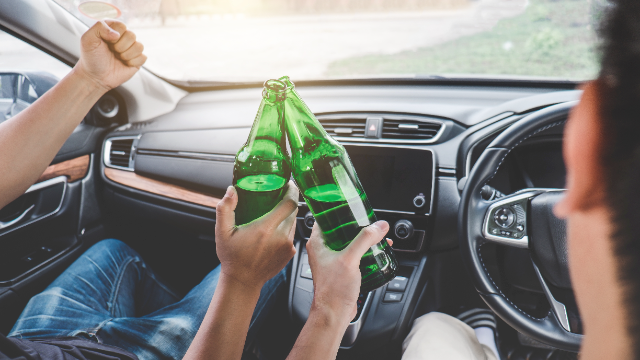
This should go without saying, but alcohol and drugs significantly impair your judgement, coordination, and reaction time. Driving under the influence is not only illegal, it's incredibly dangerous. If you're consuming alcohol, designate a sober driver or plan an alternative way home. There's no excuse for putting yourself and others at risk. Also, who wants to spend the night or weekend (or a few years) in a South African jail?
Drinking and driving this festive season: How much is too much?
11. Know the rules of the road

Knowledge is power, especially behind the wheel. Take the time to familiarise yourself with traffic laws, road signs, and lane markings if you haven't driven in a while. Stay updated on any changes to local traffic regulations. Knowing the rules allows you to navigate confidently and avoid fines.
Here are Top 10 bad driving habits that damage your car
12. Practice your parking

Parking can be stressful for new drivers. Practice parallel parking, reverse parking, and parking in tight spaces in a safe, controlled environment. Mastering these manoeuvres will boost your confidence, make everyday driving tasks easier, and can prevent future embarrassment and/or pricey fender-benders!
Types of car insurance, explained
13. Take regular breaks when driving long distances

Fatigue is a major contributor to accidents. When driving long distances, take regular breaks to stretch your legs, get some fresh air, and stay alert. Aim for a break every two hours or 200 kilometres. A well-rested driver is a safer driver.
Top 10 tips to keep your driving sharp on your road trip
14. Take special care in bad weather and at night
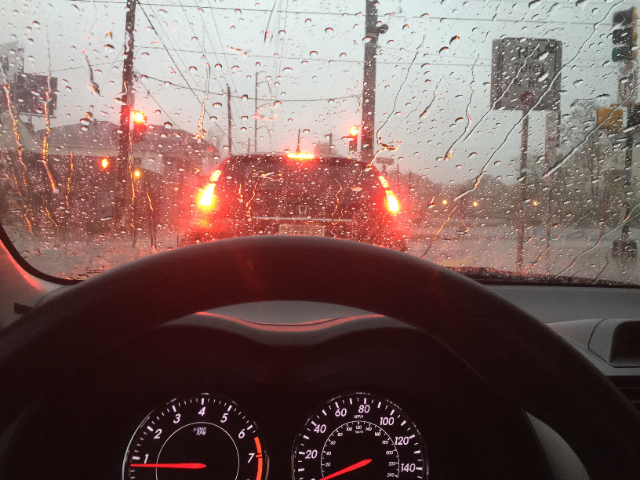
Reduced visibility and unpredictable conditions demand extra focus. Here's why:
Rain, fog, snow, and high winds can significantly impact driving conditions. Slow down, increase following distances, and turn on headlights in low-visibility situations. Be aware of potential hazards, like hydroplaning on wet roads. Read our tips for driving in the rain or bad weather.
Nighttime driving presents challenges like reduced visibility and glare from headlights. Use your low beams whenever possible, and be extra cautious at intersections and around poorly lit areas. Stay alert, as drunk drivers are more likely to be on the road at night, and we also have issues with drunk pedestrians wandering into the road.
Wet weather driving: Top survival tips
15. Take an advanced driving course

Enrolling in an advanced driving course can significantly enhance your driving skills and prepare you for unexpected situations. These courses often cover topics like skid control, accident avoidance manoeuvres, and defensive driving techniques. The additional knowledge and experience gained from a qualified instructor can boost your confidence and make you a safer driver overall.