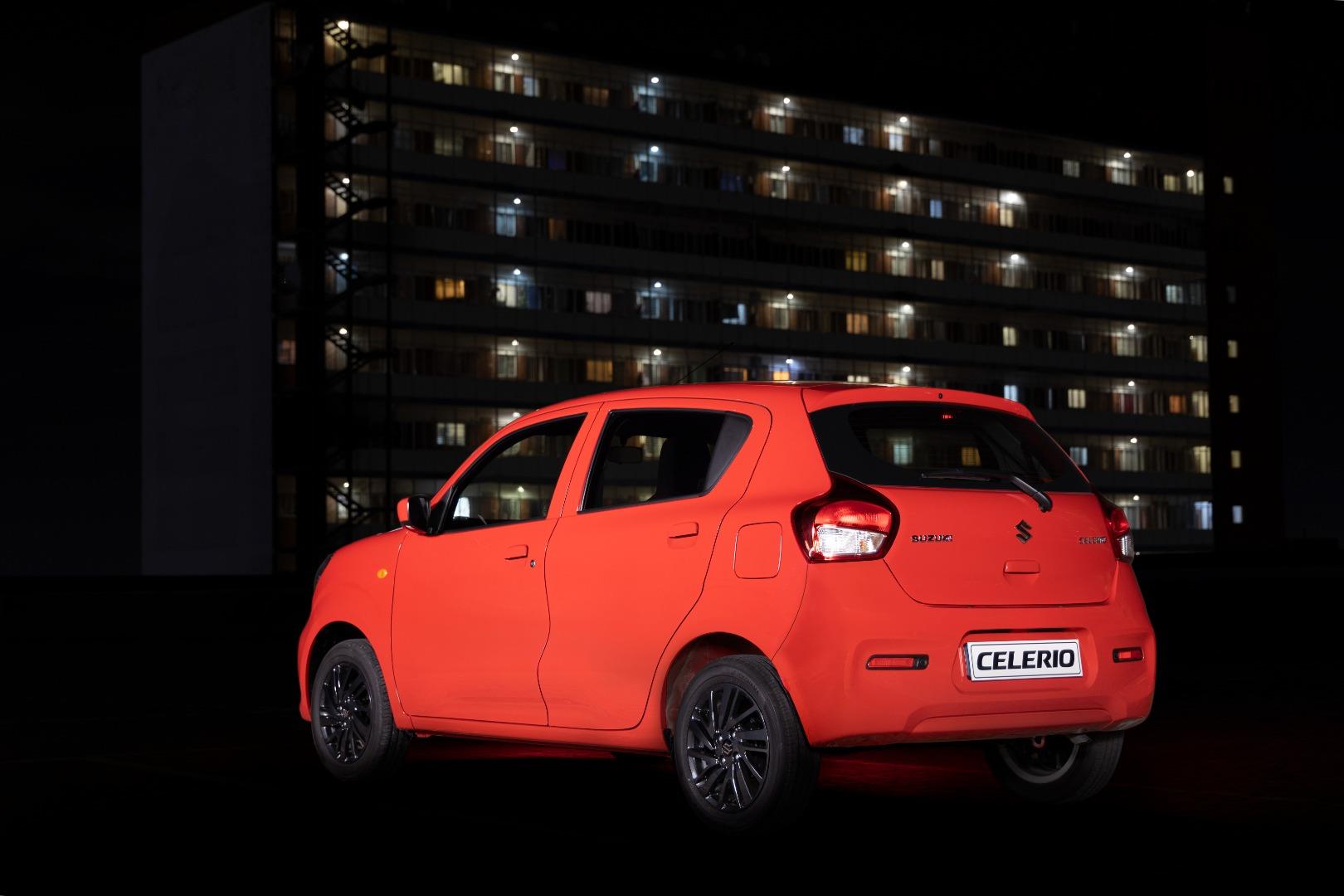
Safety can feel like a luxury when car shopping on a budget. But here's the thing about the Suzuki Celerio: With its last facelift, it gained some much-needed safety features and now has the important stuff as standard.
The safety essentials: what every Celerio brings to the party
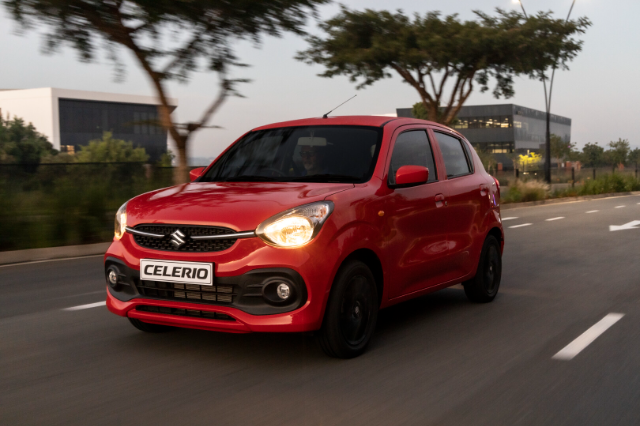
Every single Celerio that rolls off a South African dealer's floor, whether it's the entry-level GA, the GL manual, or the GL AMT, comes loaded with the same core safety kit.
The standard safety shopping list:
- ABS with EBD
- Brake Assist (because your foot isn't always fast enough)
- ESP stability control
- Dual front airbags
- ISOFIX child seat anchors
- Immobiliser
- Rear park distance control
How this safety tech works when the rubber meets the road
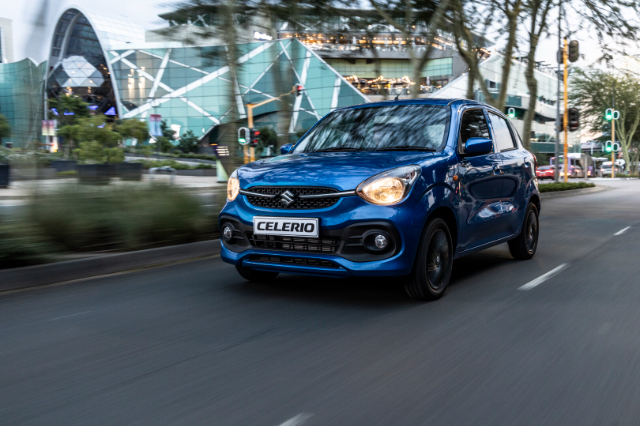
ABS with EBD: your panic-stop guardian angel
You're cruising down William Nicol when someone in a bakkie decides red robots are merely suggestions. You stamp on the brakes like you're crushing a cockroach, and this is where ABS earns its keep.
Instead of locking up, ABS keeps your wheels turning. EBD (Electronic Brakeforce Distribution) ensures brake pressure is shared adequately between all four corners.
Brake Assist: when your foot needs a helping hand
If the system detects you're making an emergency stop - that heart-in-your-throat moment when you really need to stop NOW - Brake Assist automatically applies maximum braking force faster than humanly possible. Your foot might hesitate, but the system won't.
ESP: the quiet hero of rainy days
Electronic Stability Programme (ESP) is the safety feature you'll never notice working. It constantly monitors what your car is doing versus what you're asking it to do. Suppose you take a corner too enthusiastically on a wet Jo'burg afternoon or swerve around that person who's just realised they needed the Sandton off-ramp three kilometres ago. ESP quietly sorts things out by reducing power and gently braking individual wheels.
What's the difference between a Suzuki Celerio and a Suzuki S-Presso?
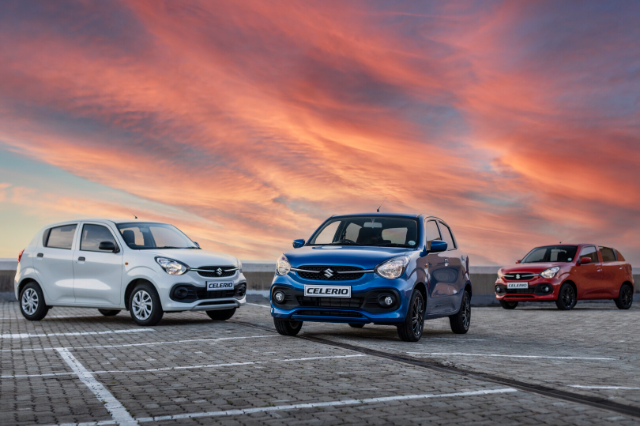
What changes between GA and GL models?
GL additions: the visibility upgrade
The GL models - both manual and AMT - throw in some extras that make life easier:
- Front fog lamps
- Electrically adjustable mirrors
- Factory reverse camera
GA: keeping it safe but straightforward
The GA might skip the fog lamps, powered mirrors, and reverse camera, but it keeps the essential safety suite. Those rear park distance sensors still make threading into tight spots easier than explaining cricket to an American.
Related: How does the Suzuki S-Presso compare to the Renault Kwid?
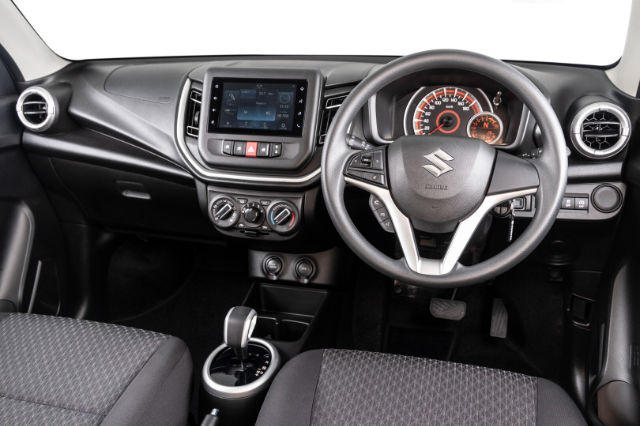
The practical stuff that actually matters
Family-friendly features
Two ISOFIX anchor points in the back mean proper, secure child seat mounting. The GL's 60:40 split-fold rear bench is handy when juggling prams, school bags, and whatever family life throws at you.
Tyres and confidence
The GA is shod with 165/70 R14s on steel wheels; perfectly adequate for city duties. GL models step up to 175/60 R15s on alloys, giving a slightly wider footprint that adds more stability when hustling through urban traffic. Either way, ESP has your back when the road surface turns treacherous.
Size matters (sometimes)
That compact 4.7-metre turning radius makes the Celerio as nimble as a taxi on the N2. It is also easy to park and less likely to collect scratches in tight spaces.
Ground clearance: the unsung hero
At 170mm of ground clearance, the Celerio won't scrape its chin on every speed bump or pothole. This matters more than you might think in a country where road maintenance can be optimistic.
Toyota Vitz vs Suzuki Celerio vs Renault Kwid

Celerio Safety Q&A
Is the Suzuki Celerio safe?
For its class and price point, it delivers on the fundamentals without compromise.
How many airbags?
Two - driver and front passenger.
Does it have stability control?
Yes, ESP is standard across the entire range.
ISOFIX included?
Yes, two anchor points on every model.
Reverse camera?
GL models have them, GA models get rear sensors instead.
Related: Is the Suzuki Celerio good for new drivers?

The verdict: safety without the sales pitch
The Celerio doesn't need to shout about safety because it delivers where it counts. It covers the essential bases South African drivers use with ABS, EBD, Brake Assist, and ESP standard across the range, plus dual airbags, ISOFIX, and rear sensors.
If you want the extra convenience of fog lamps, power mirrors, and a reverse camera, the GL variants are worth the step up. But even the entry-level GA doesn't shortchange you on the safety fundamentals.
Related: The five best similar cars to the Toyota Vitz
What about crash testing?
Euro NCAP tested a 2014 Celerio and gave it three stars, but that was the European version with different specifications.
The closest comparison is the Suzuki S-Presso, which managed three stars with two airbags. Given its comparable safety specifications, the Celerio might achieve similar results. In 2023, it made the AA's ELVS list of small cars with an acceptable safety rating; to see more of the vehicles on this list, have a look here.
In a market where safety features are often held hostage by trim-level pricing, Celerio's approach is refreshingly honest. Everyone gets the most important stuff, regardless of which model you opt for.