Is South Africa facing a vehicle recall crisis? Why It's normal, and always has been
You might feel a sense of alarm if you've noticed a flurry of headlines about manufacturers like VW, Mercedes-Benz, Ford, and others announcing recalls on South African roads. Is this a sign that vehicle quality is dropping, or that our cars are somehow less safe?

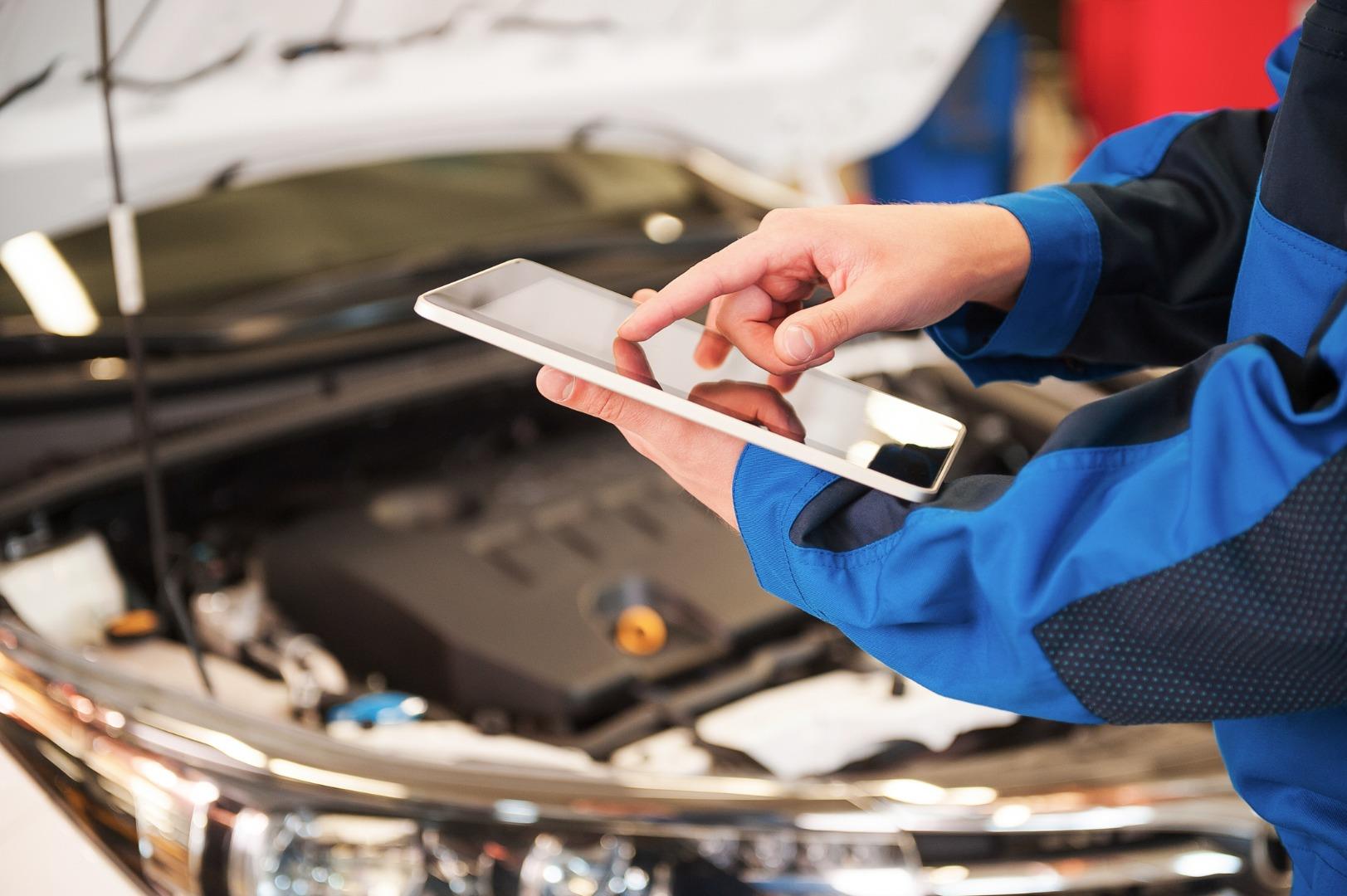
The short answer is no. While it feels like a recent "surge," vehicle recalls are a regular, ongoing part of the automotive industry worldwide and are heavily managed in South Africa. Rather than a crisis, you see the safety system working as it should, backed by robust consumer protection legislation.
Related: How to work out your car’s fuel consumption
Decades of defects: Recalls are not new to South Africa
The concept of a mass recall is far from new on Mzansi’s roads. Historically, South Africa has been part of major global campaigns that have affected millions of vehicles.
The most famous—and arguably most crucial—example is the sprawling Takata airbag recall. This issue alone has seen numerous brands, including Toyota, Honda, Jeep, and Citroën, conduct replacement campaigns nationwide, affecting tens of thousands of vehicles sold over a decade. This decades-old defect is still actively pursued and resolved today, showing how long-running and persistent these safety campaigns are.
Another high-profile local case was the Ford Kuga recall, which captured national attention in 2017. This was a clear example of a significant defect (a cooling system fault leading to engine fires) being addressed on a massive scale under local regulatory pressure, resulting in the manufacturer being compelled to repair thousands of vehicles.
These historical and ongoing cases demonstrate that recalls are not a sudden anomaly but a consistent regulatory function essential for road safety.
The South African regulatory backbone
In South Africa, the National Consumer Commission (NCC), which enforces the Consumer Protection Act (CPA), is primarily responsible for protecting consumers and enforcing recalls.
Mandate and authority: The CPA empowers the NCC to instruct a manufacturer to implement a compulsory recall if a product, including a vehicle, is unsafe or poses a potential risk to the public.
The fix is free: Under the CPA, if your vehicle is subject to a safety recall, the repair, replacement of the part, or other remedy must be carried out at no cost to you, regardless of the vehicle's age or warranty status.
Proactive vs. reactive: While local manufacturers often initiate recalls themselves, working closely with the NCC, the Commission can step in and ensure that a defect identified— locally or internationally—is addressed for South African consumers.
Why is it always in the news?
If recalls are normal, why do they suddenly seem to be everywhere? The feeling of an increase is mainly due to three modern realities:
Globalised manufacturing: Many local cars are assembled from parts used across global production lines. A flaw in one common component—a specialised brake hose or an infotainment software module—can trigger a massive, multi-brand recall that instantly affects every country, including South Africa, where that part is used.
The software age: Modern vehicles are increasingly complex, relying on intricate electronic and software systems. Defects are no longer just mechanical; they can be a fault in a line of code or a sensor. A software glitch can simultaneously affect tens of thousands of vehicles, leading to huge recall numbers that make for big headlines.
Increased awareness: The NCC is more active in publicly announcing major recalls, and the media landscape amplifies these announcements instantly. Unlike decades ago, when a recall might have been announced via a single registered letter, today it's a social media alert and a front-page story.
The bottom line for South African motorists is that a recall means a manufacturer has identified a safety risk and is held accountable for fixing it. This vigilance from the manufacturers, the NCC, and the public ultimately makes our roads safer.
If you are concerned, the most proactive step you can take is to check your vehicle's VIN on the manufacturer's local website, as many brands now have a dedicated online tool to search for open campaigns.