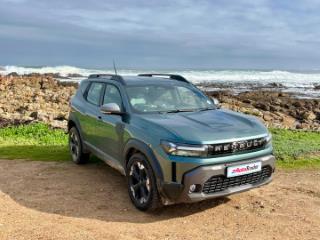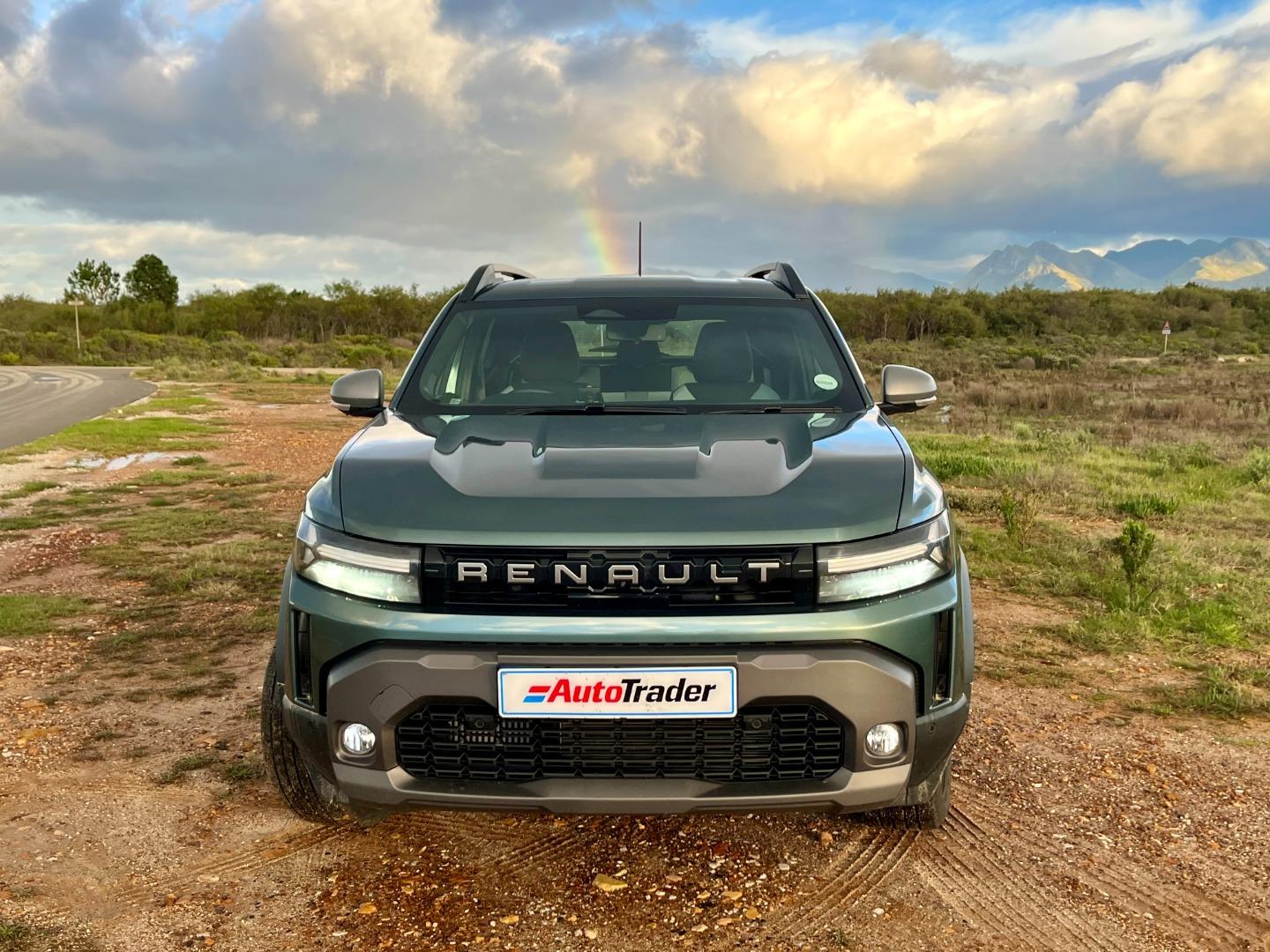
The new Renault Duster has moved on from the “cheap but cheerful” label and now offers the kind of safety kit most South African families expect from a modern SUV. It's more expensive now, but it is still priced to appeal to value-conscious buyers, and you no longer have to trade off peace of mind for space and practicality.
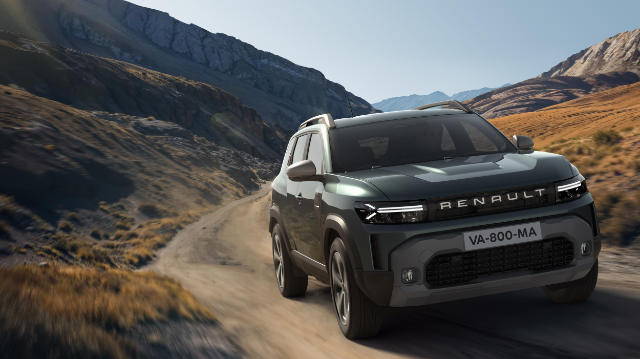
Across the range, every new Duster sold in South Africa gets six airbags (driver, front passenger, side and curtain), ABS brakes, electronic stability control and Isofix child-seat mounts. That means even the “cheapest” Duster is properly sorted in terms of core crash protection and electronic driver aids.
Standard safety features on all models include:
six airbags
ABS with stability control
tyre pressure detector
electric parking brake
rear parking sensors and reverse camera
hill start assist
Isofix child-seat anchors.
These basics cover the situations most drivers face daily: emergency stops, wet roads, school runs and tight shopping centre parking bays.
Related: 3 Things you'll love about the new Renault Duster
Safety features by model
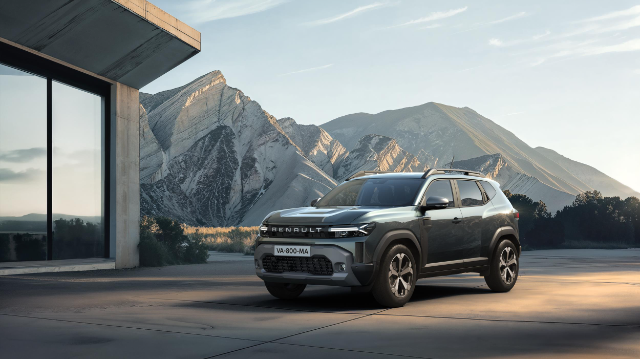
Here is a quick look at how the safety story steps up as you move through the lineup.
| Model | Key safety features | Application |
|---|---|---|
| Zen EDC 4x2 | 6 airbags, ABS, ESC, hill start assist, tyre pressure detector, rear PDC & camera | Daily family use, urban commuting, school runs |
| Intens EDC 4x2 | Adds blind spot detection, 360° multiview camera, 360 sensors, and auto-folding mirrors | Mixed highway and city driving, nervous parkers, lane changes |
| Zen 6MT 4WD mild hybrid | Adds 4WD monitor, terrain modes, hill-descent control | Gravel roads, camping and overlanding on a budget |
Should you buy a new Renault Duster? The pros and cons
How the Duster protects you in a crash

The move to Renault’s CMF‑B platform is not just a marketing line – you are getting a stronger structure and more controlled behaviour in an accident. The stiffer chassis is designed to better absorb and redirect impact forces away from the cabin, working in conjunction with the six airbags and seatbelt reminders to protect occupants.
Key passive safety points:
stronger body shell with improved rigidity and crash energy management
six standard airbags on every derivative
Isofix points for proper child-seat installation
seatbelt reminders all-round to reduce unbelted injuries.
For buyers stepping out of an older budget hatch or bakkie with maybe two airbags and no stability control, this is a big upgrade in basic crash protection.
(Is your budget is restricted? Consider a used Duster, with a 1.5-litre turbodiesel engine. Have a look over here.)
How the Duster helps you avoid a crash
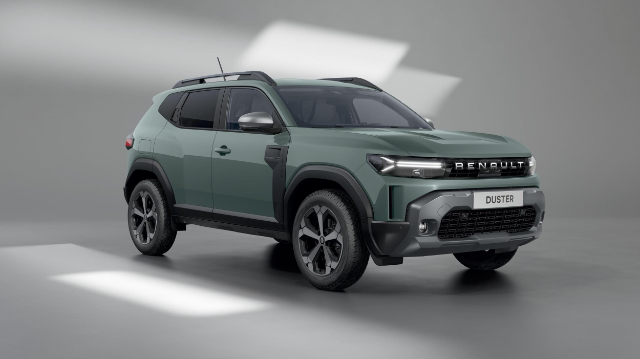
Active safety is where the new Duster really closes the gap to more expensive SUVs. The aim is simple: warn you earlier, help you react quicker, and make the vehicle more stable if things go wrong.
Every model gives you:
ABS and stability control to keep the car controllable under hard braking or if you swerve
hill start assist to prevent rolling back on inclines
tyre pressure monitoring to catch a slow puncture before it becomes a blow-out
rear camera and sensors to reduce low-speed bumps and parking scrapes.
On the Intens EDC 4x2 you also get:
blind spot detection that warns you if there is a car in your blind spot before you move over
a multiview camera with a 360-degree view, so you can see kerbs, rocks and obstacles around the car
360 sensors that back up the cameras with distance beeps front, rear and sides.
Those features matter if you regularly drive in heavy traffic, park in tight underground garages or share the car with less confident drivers.
Related: Renault Duster first drive review 2025
Is the 4WD Duster a safe off-roader?
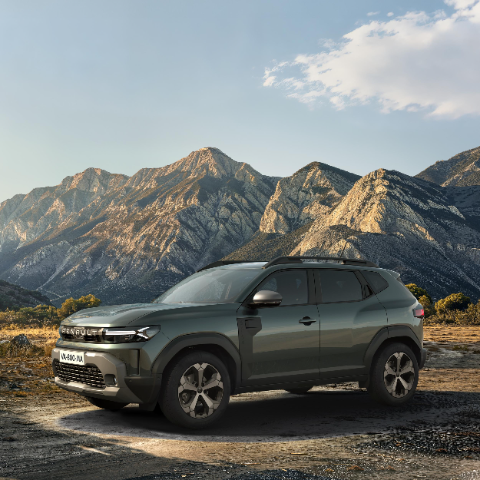
The Duster has built its reputation on being one of the few compact SUVs that can genuinely handle gravel, rutted farm roads and light trails – and the 4WD version leans into that. Off-road safety is not only about “getting through”; it is also about keeping the car stable and predictable when surfaces get loose.
On the Zen 6MT 4WD mild hybrid, you get:
4WD terrain control with modes such as mud/sand and off-road, which adjusts how the system sends power to each wheel
a 4WD monitor on the 10.1-inch screen showing tilt, pitch and torque distribution, helping you avoid risky angles
downhill speed control to keep the car in check on steep descents
generous 217 mm ground clearance and strong approach and departure angles to help prevent underbody damage.
If your weekends regularly include gravel passes, camping trips or farm visits, these systems offer peace of mind, as they help prevent the kind of recoveries and accidents that can happen when a road suddenly becomes worse than expected.
Everyday peace of mind: ownership and running costs
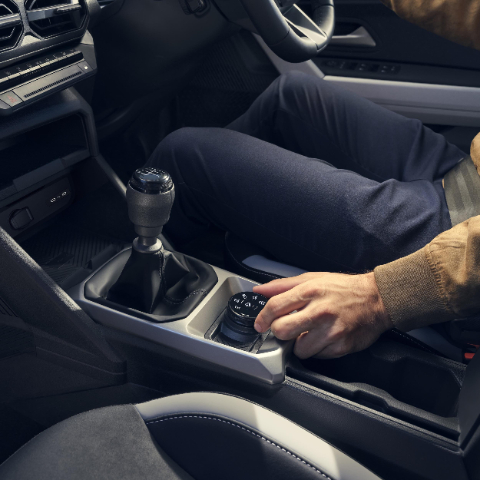
Safety is not only about what happens in a split second, but also about whether you can afford to maintain the car properly. The Duster range is backed by a 5‑year/150 000 km mechanical warranty, a 3‑year/45 000 km service plan and a 6‑year anti-corrosion warranty, with services every 12 months or 15 000 km.
For many South African buyers, that means:
predictable running costs if the car is serviced on time
less temptation to skip maintenance because of surprise bills
a better chance that the safety systems are working as intended for the full ownership cycle.
If you are cross-shopping compact SUVs and safety is high on your list, the key questions to ask are: Do rivals offer genuine off-road ability, six airbags as standard, stability control on every model and blind spot monitoring plus a 360-degree camera at a similar price?
Euro NCAP safety rating of the 2025 Renault/Dacia Duster
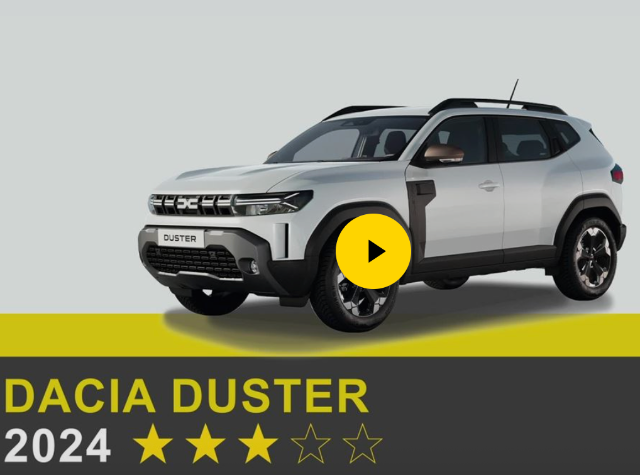
The latest Dacia Duster (third generation, Europe; sold locally as the Renault Duster) holds a 3‑star Euro NCAP rating. The score breakdown is 70% Adult Occupant, 84% Child Occupant, 60% Vulnerable Road Users and 57% Safety Assist. Euro NCAP published the result in July 2024 for the Dacia‑badged Duster Hybrid 140 (LHD), and this rating carries into the 2025 model year on the same platform that underpins the South African Renault Duster.