


Heading somewhere this festive season? The last thing you need after a year such as 2025 is to stress about getting into trouble at a roadblock.
There have been many conflicting theories on the internet about being arrested for unpaid traffic fines, as well as a new law that will require a zero-percentage blood-alcohol count when driving a car. To shed some light on the subject, Mr Adrian Louw, a legal expert, has penned a few important tips to take note of before embarking on any journey this year.
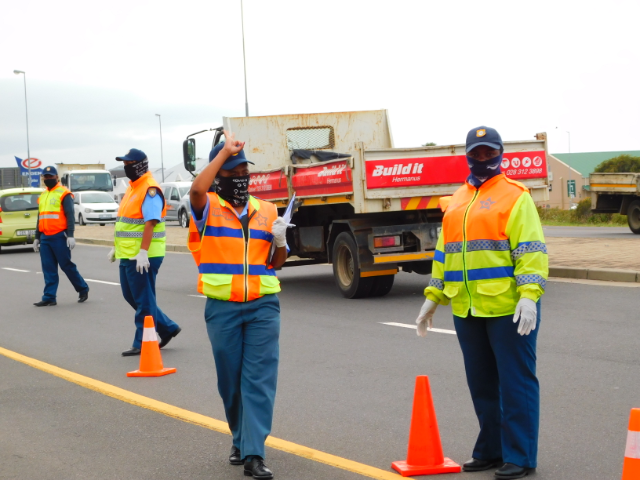
Road rights and wrongs… from a lawyer
by Adrian Louw
Firstly, avoid lawyers and legal entanglements by driving carefully! Secondly, if you are guilty of speeding, try to be polite and cooperative. That police or traffic official, in the summer sun, is also a human and may be as tired, frustrated and as irate as you are. A soft answer and a little humility has often led to a stern warning, but no ticket!
If you are clocking over 40km/h more in a 120 zone or 30km over the 60km/h (urban) zone, you may be arrested. Below that, the usual speeding fines apply.
Where there is a good reason for speeding, such as a medical emergency, and the police don’t accept the explanation on the scene, the fine issued can easily be withdrawn by a prosecutor upon presenting proof of the reason for speeding — a written representation to the prosecution is highly recommended. It can be done preferably by a defence attorney or by yourself. The attorney knows how to draft these succinctly and legally correctly.
Thirdly, if things go totally pear-shaped, get as much information about the event (who the traffic or police officers are, what exactly is the offence, where and when, on paper or recorded with your phone) and insist on getting assistance from your legal representative. You may be held for up to 24 hours, or as long as 72 hours if it's over a weekend, and you were arrested on Friday afternoon — most courts are closed by 3 pm. A good attorney should be able to arrange after-hours bail for most offences. Illegal arrests have led to billions of Rands in compensation paid out by the Police every year!
Related: What to do if you are arrested for drunk driving in SA

Driving over the limit
Arrests at roadblocks are most often for people driving over the legal limit (currently still 0.05g alcohol/100ml blood, equal to a single 340ml beer, 25ml strong liquor, or 125ml wine. (This must be distinguished from the common law drunken driving, a much more serious offence.) A 100 kg adult male, starting sober from 12h00, consuming 4 x 340ml regular 5% beers, spread over 7 hours, with at least the last hour drink-free, should be under the limit. However, if one does not drink at all or very seldom, the effects may be too narcotic and cause drunken driving!
Related: Drinking and driving this festive season - how much is too much?
Coffee and cold showers cannot accelerate the liver's metabolism of alcohol. The best idea is to sleep till sober, even in your parked vehicle (but not behind the wheel). It's even better to have a dedicated teetotaller driver available or to have a store-bought alcohol-level test on hand to ensure that you're within the legal limit if you don't have someone to drive you. Remember, a criminal record, a heavy fine, and a 6-month suspension of your driving license (for first offenders), not to mention the legal costs associated with that last drink, is a terribly high price to pay.

Really looking for trouble?
A vehicle previously used in the commission of a crime, a stolen vehicle, or a vehicle containing contraband—such as perlemoen (abalone), crayfish (in excess of the legally permitted amount, for which you must be ready to show a permit), unlicensed firearms, or cannabis exceeding legal limits will be impounded. The driver and passengers are usually arrested.
Admission of Guilt fines, which are offered by the police, are registered in the Criminal database, and this can result in a criminal record. It is imperative not to pay Admission of Guilt fines!

About those unpaid traffic tickets... can you be arrested?
Arrest at a roadblock on previously issued and unpaid traffic tickets can only proceed to court when a Warrant of Arrest, signed by a Magistrate, has been issued. This warrant must be produced at the roadblock. (A copy is acceptable.) So, a pile of unpaid traffic tickets, which have not been through the court process, may not be used to effect an arrest, in theory! Unfortunately, the levels of training for traffic officers differ widely, and common misconceptions exist, which are not addressed by the Minister of Transport or the Police.
The AARTO Act, which includes a demerit point system that can result in the suspension or termination of a driver's license for persistent offenders, will be implemented in the second half of 2026.
Related: AARTO Act has now been deferred to 1 July 2016

*Adrian Louw (from Adrian Louw and Associates) has been an attorney since 1992 and specialises in criminal defence, road traffic law, and family law. He also hosted a legal talk show on WhaleCoast FM. You can contact Adrian to assist with legal queries at adrianlouw@hermanus.co.za or call him on 072 903 9321. He is based in Hermanus, Western Cape.
Other useful links
The consequences of paying an admission of guilt fine (Legal Wise)
Rights and obligations when stopped by a traffic officer (Arrive Alive)